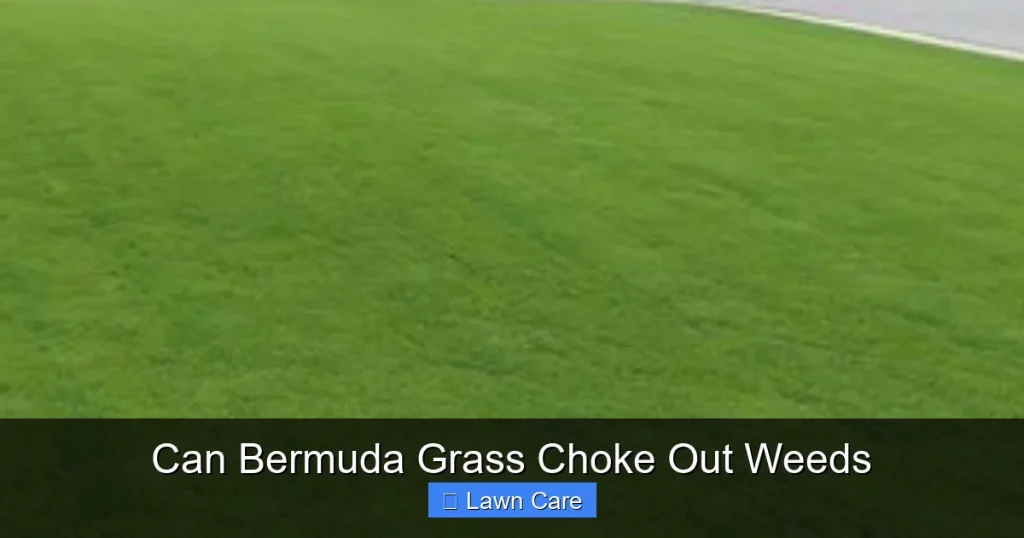
Yes, healthy and well-maintained Bermuda grass can effectively choke out many common weeds by outcompeting them for resources. Its dense growth habit and aggressive spreading nature are key to its weed-suppressing capabilities. However, proper care is crucial to ensure it performs optimally.
You’ve probably seen those perfect, emerald-green lawns that seem to have no weeds in sight. Maybe you’ve wondered how they achieve such a flawless look. One common culprit for that lush, weed-free carpet is Bermuda grass. It’s known for its toughness, its ability to spread, and its desire to take over any open space it can find. This begs the question: can Bermuda grass truly choke out weeds? The answer is a resounding yes, but with a few important conditions.
Bermuda grass is a warm-season grass that thrives in hot weather and full sun. When it’s happy and healthy, it forms a dense, thick turf that is incredibly effective at outcompeting many types of weeds. It spreads aggressively through both above-ground runners (stolons) and below-ground roots (rhizomes), quickly filling in any bare spots. This dense mat of grass literally smothers weed seeds, preventing them from germinating, and outcompetes young weedlings for sunlight, water, and nutrients. However, this weed-choking power isn’t automatic; it relies heavily on proper lawn care and the right environmental conditions.
Let’s dive into what makes Bermuda grass such a formidable weed warrior and what you need to do to unleash its full potential.
- Bermuda grass has a naturally dense growth habit that shades out soil, making it difficult for weed seeds to germinate and thrive.
- Its aggressive spreading via rhizomes and stolons allows it to quickly fill in bare patches, leaving little room for weeds.
- Optimal growing conditions are essential for Bermuda grass to achieve the density needed to suppress weeds. This includes adequate sunlight, proper watering, and appropriate fertilization.
- Weak or undernourished Bermuda grass is susceptible to weed invasion, as bare spots and thinner turf provide an easy entry point for unwanted plants.
- Proper mowing height is critical; mowing too low can stress the grass and reduce its ability to compete.
- Regular aeration and overseeding can help maintain a thick, healthy turf that is more resistant to weeds.
- While Bermuda grass is a strong competitor, some stubborn weeds may still require direct intervention.
Quick Answers to Common Questions
Can Bermuda grass choke out all types of weeds?
No, Bermuda grass is very effective against many common weeds, but some aggressive perennial weeds or those with specific growth habits might still establish.
Does Bermuda grass need full sun to choke out weeds?
Yes, Bermuda grass requires at least 6-8 hours of direct sunlight daily to grow densely enough to effectively choke out weeds. Shady areas will significantly reduce its weed-suppressing ability.
How often should I fertilize Bermuda grass to help it choke out weeds?
Fertilize Bermuda grass every 4-6 weeks during its active growing season (late spring through early fall) to maintain vigorous growth and density.
What is the best mowing height for Bermuda grass to control weeds?
Mowing Bermuda grass low, generally between 0.5 to 1.5 inches, encourages denser turf. However, avoid mowing too low, which can stress the grass and create weed opportunities.
Can a weak or stressed Bermuda grass lawn still choke out weeds?
No, a weak or stressed Bermuda grass lawn is much more susceptible to weed invasion because it lacks the density and vigor to compete effectively.
📑 Table of Contents
The Natural Weed-Fighting Abilities of Bermuda Grass
Bermuda grass is practically built to be a weed suppressor. Its biology gives it several advantages when it comes to outmaneuvering unwanted plants. Understanding these traits helps you appreciate why it can be so effective and what you need to do to maximize its performance.
Dense Growth Habit
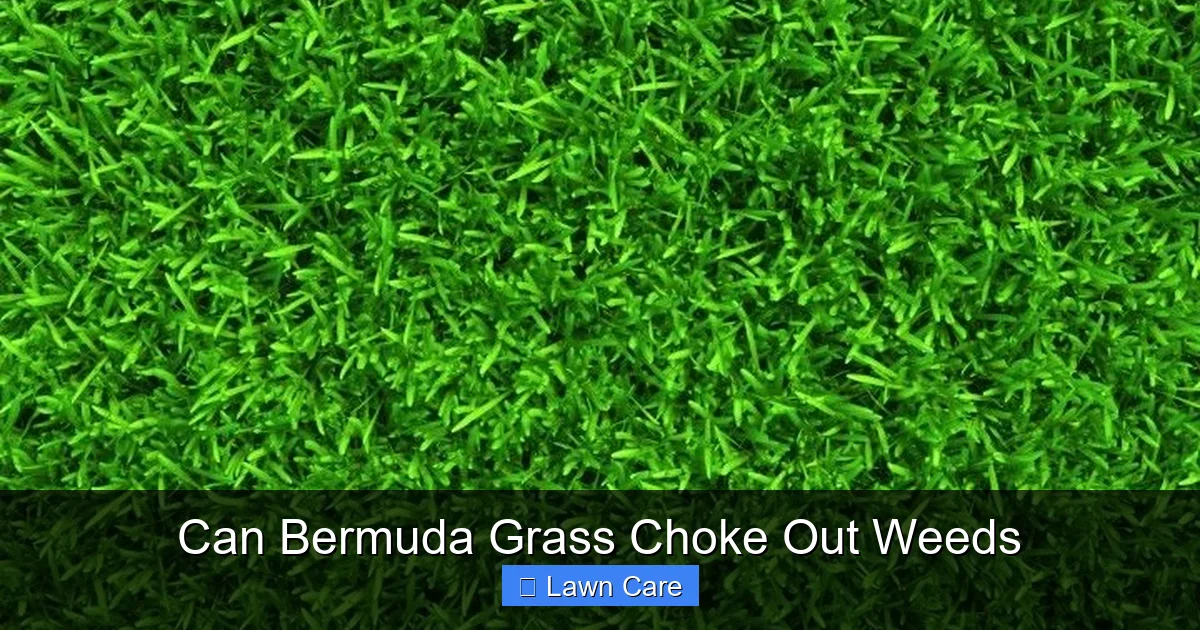
One of the most significant ways Bermuda grass combats weeds is through its dense growth. When Bermuda grass is healthy and growing vigorously, it forms a thick, mat-like turf. This dense canopy effectively shades the soil surface. Why is this important? Most weed seeds need sunlight to germinate. By blocking out the sun, Bermuda grass prevents many weed seeds from even sprouting. Even if some do manage to germinate, the thick turf above them makes it hard for them to reach the sunlight they need to grow and establish themselves.
Aggressive Spreading
Bermuda grass is renowned for its aggressive spreading capabilities. It achieves this through two main mechanisms:
- Rhizomes: These are underground stems that grow horizontally. They are responsible for spreading the grass and creating new shoots and roots, effectively filling in gaps from beneath.
- Stolons: These are above-ground stems that creep along the surface of the soil. Like rhizomes, they can root and produce new plants, allowing the grass to spread outward and cover bare patches quickly.
This dual spreading action means that Bermuda grass can rapidly colonize any open space in your lawn. If you have a bare spot or thin patch, Bermuda grass will work to fill it in. This leaves very little room or opportunity for weeds to establish a foothold. It’s like a green army marching in to reclaim territory from invaders.
Nutrient and Water Competition
A healthy and established Bermuda grass lawn is a thirsty and hungry plant. It actively competes with any other plants in its vicinity for essential resources like water and nutrients. When Bermuda grass is growing vigorously, it develops an extensive root system and dense foliage that can absorb water and nutrients much faster than many weeds can. This intense competition can starve out weaker weeds, preventing them from growing strong or even killing them outright.
Factors That Enhance Bermuda Grass’s Weed-Choking Power
Visual guide about Can Bermuda Grass Choke Out Weeds
Image source: i.pinimg.com
While Bermuda grass has inherent weed-fighting traits, these abilities are significantly amplified when the grass is grown under optimal conditions. Think of it like giving your strongest soldier the best equipment and training; they become far more effective.
Sunlight is Key
Bermuda grass is a sun-worshipper. It absolutely needs at least 6-8 hours of direct sunlight per day to thrive. In shady conditions, Bermuda grass will struggle to grow densely, and its weed-suppressing capabilities will be severely hampered. If your lawn has significant shade, Bermuda grass might not be the best choice, or you’ll find it difficult to maintain its weed-fighting edge. For areas with too much shade, consider alternative grasses like St. Augustine grass, which can tolerate more shade. If you have a lawn with mixed sun and shade, you might find weeds are more prevalent in the shaded areas, even with Bermuda grass.
Proper Watering Regimen
Like all grasses, Bermuda needs water, but overwatering can be detrimental. While it’s drought-tolerant once established, consistent, deep watering during establishment and during dry spells is crucial. The key is to water deeply and less frequently, encouraging the roots to grow deeper. Deep roots help the grass access water during dry periods and create a more resilient turf. However, consistently soggy soil can lead to shallow roots and weaken the grass, making it more vulnerable to weeds. Understanding how much water your lawn needs based on your climate and soil type is vital. You can learn more about how to avoid overwatering Bermuda grass in our article on Can You Over Water Bermuda Grass.
Fertilization for Vigorous Growth
Bermuda grass is a heavy feeder, especially during its active growing season (late spring through early fall). Regular fertilization with a balanced lawn fertilizer is essential to maintain its dense growth and vigor. A nutrient-deficient Bermuda grass lawn will be thin and weak, providing an easy opportunity for weeds to take over. Follow a fertilization schedule appropriate for your region and the specific needs of your lawn. Typically, this involves feeding every 4-6 weeks during the growing season.
Mowing Height Matters
This is a crucial factor that many homeowners overlook. Bermuda grass generally prefers to be mowed relatively low – often between 0.5 to 1.5 inches. However, mowing too low, especially during stressful periods (like extreme heat or drought), can severely weaken the grass. Lower mowing heights encourage denser, finer-bladed turf, which is ideal for weed suppression. But if you cut it too short consistently, you stress the plant, reduce its ability to photosynthesize, and create thin spots where weeds can thrive. The best approach is to use a sharp mower blade and never remove more than one-third of the grass blade length at a time. This ensures the grass stays healthy and dense.
When Bermuda Grass Struggles to Choke Out Weeds
Visual guide about Can Bermuda Grass Choke Out Weeds
Image source: i.pinimg.com
Despite its impressive weed-fighting abilities, Bermuda grass isn’t invincible. There are several scenarios where it might falter, allowing weeds to gain a significant foothold.
New Lawns and Thin Turf
Newly seeded or sodded Bermuda grass lawns take time to establish. During this period, the grass is vulnerable. Bare patches are prime real estate for weed seeds to germinate and grow. It’s during the establishment phase that you’ll need to be particularly diligent about watering, fertilizing, and potentially spot-treating any emerging weeds. Even established lawns can become thin due to disease, pests, or improper care, creating similar opportunities for weeds. Learning Weeds That Grow In Bermuda Grass can help you identify specific threats.
Dormancy and Stress Periods
Bermuda grass goes dormant in the winter, turning brown. During this period, it’s not actively growing, and its weed-suppressing capabilities are significantly reduced. This is why cool-season weeds like annual bluegrass (Poa annua) can thrive and become a problem in dormant Bermuda grass lawns. Furthermore, periods of extreme stress – such as prolonged drought, extreme heat waves, or damage from pests or diseases – can weaken even a well-established Bermuda grass lawn, making it more susceptible to weed invasion.
Specific Weed Types
While Bermuda grass can outcompete many common annual weeds, it might struggle against certain perennial weeds or those that have developed resistance. Weeds with aggressive root systems or those that grow rapidly can still find ways to establish themselves. For instance, some broadleaf weeds might grow tall enough to get sunlight even in a moderately dense Bermuda grass lawn. In these cases, direct control methods might be necessary.
Improper Lawn Management
As mentioned earlier, incorrect mowing, inadequate watering, and poor fertilization practices can all weaken Bermuda grass. If the grass isn’t healthy and vigorous, it simply won’t have the density or the competitive edge to keep weeds at bay. Over-fertilizing can also sometimes lead to overly lush top growth without adequate root development, creating another imbalance that weeds can exploit.
Strategies to Maximize Bermuda Grass’s Weed-Suppression
Visual guide about Can Bermuda Grass Choke Out Weeds
Image source: yardique.com
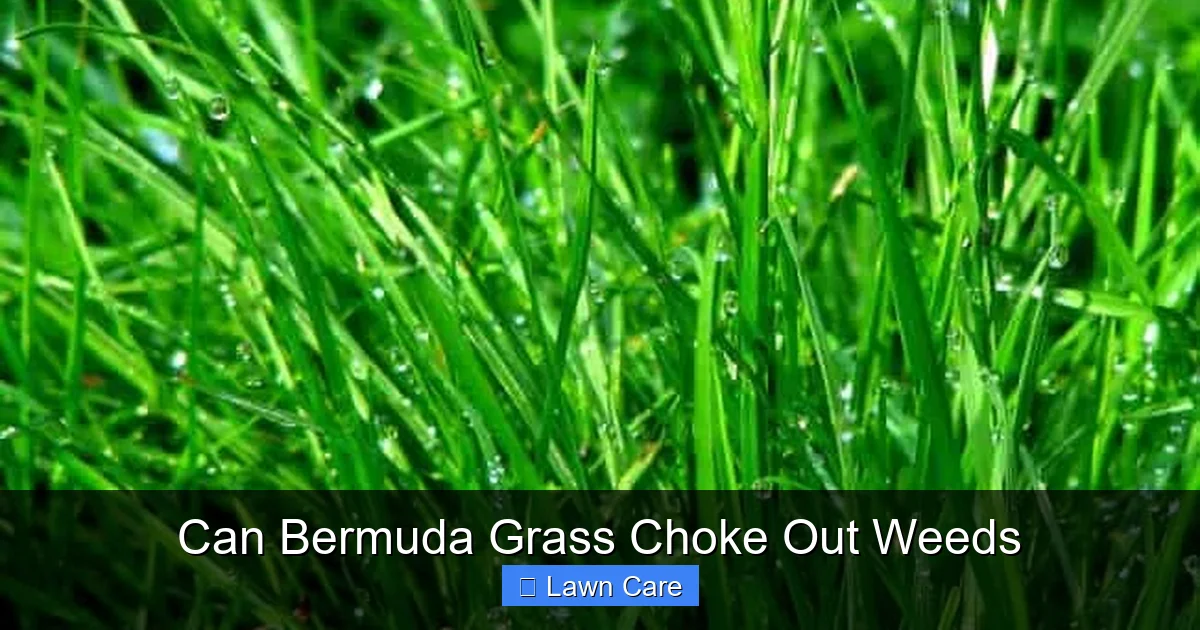
To ensure your Bermuda grass lawn is a weed-choking machine, focus on promoting its health and density through consistent, proper care.
Maintain a Healthy Root System
A strong root system is the foundation of a healthy, weed-resistant lawn. This is achieved through:
- Deep and infrequent watering: Encourage roots to grow down by watering thoroughly only when the grass shows signs of needing it.
- Aeration: Core aeration helps to relieve soil compaction, allowing air, water, and nutrients to penetrate to the root zone. This is especially important for Bermuda grass, which can sometimes form a dense thatch layer. Aerate during the active growing season.
- Avoiding excessive thatch buildup: While some thatch is normal, a layer thicker than half an inch can impede water and nutrient movement and harbor pests. Dethatching may be necessary periodically.
Overseeding for Density
While Bermuda grass spreads on its own, there are times when overseeding can help fill in thin spots and increase density. For Bermuda grass, overseeding is typically done with more Bermuda seed during its active growing season. This helps to quickly establish new grass plants in any areas that have thinned out, reducing the opportunity for weeds. It’s important to ensure proper seed-to-soil contact and adequate moisture for successful germination. You can learn more about [Can You Overseed With Bermuda Grass].
Pre-Emergent and Post-Emergent Weed Control
Even with a healthy Bermuda grass lawn, you might encounter some weeds. Pre-emergent herbicides, applied in early spring before weed seeds germinate, can prevent many common annual weeds from sprouting. Post-emergent herbicides can be used to treat weeds that have already emerged. It’s crucial to choose herbicides that are safe for Bermuda grass. Some herbicides can harm or even kill Bermuda grass if not used correctly. For example, understanding [Can Tenacity Be Used On Bermuda Grass] can be very helpful. Always read and follow label instructions carefully.
Choosing the Right Bermuda Grass Variety
There are many varieties of Bermuda grass, and some are bred to be more aggressive and dense than others. Hybrid varieties like ‘Tifway’ or ‘Celebration’ are known for their exceptional density and resilience, making them excellent choices for lawns where weed control is a priority. When selecting seed or sod, consider a variety known for its superior turf quality and weed-fighting potential.
Can Bermuda Grass Coexist with Other Grasses?
The question of mixing grasses is common. For example, you might wonder [Can You Mix St Augustine and Bermuda Grass]? Generally, Bermuda grass is quite aggressive and can outcompete many other grass types, especially warm-season grasses that prefer similar conditions. It’s often not recommended to mix Bermuda grass with other grasses that have similar growth habits and thrive in the same environment, as Bermuda will likely dominate. However, in cooler climates, overseeding dormant Bermuda grass with cool-season grasses like ryegrass for winter color is a common practice, though the ryegrass will eventually die off as Bermuda greens up in spring.
When considering different grass types, it’s helpful to understand how they compete. For instance, you might be interested in [Will St Augustine Grass Choke Out Bermuda]? Understanding these interactions helps you manage your lawn effectively.
Conclusion
So, can Bermuda grass choke out weeds? Yes, a healthy, well-established, and properly maintained Bermuda grass lawn is an incredibly effective natural weed suppressor. Its dense growth habit, aggressive spreading, and competitive nature make it difficult for most weeds to gain a foothold. However, this weed-choking power isn’t a passive trait; it’s an active outcome of good lawn care practices.
By ensuring your Bermuda grass receives adequate sunlight, is watered correctly, fertilized appropriately, and mowed at the right height, you are maximizing its potential to outcompete unwanted plants. Regular maintenance like aeration and addressing thin spots promptly will further fortify your lawn against weed invasion. While some stubborn weeds might still require targeted treatment, a robust Bermuda grass lawn is your best defense for a naturally weed-resistant turf. Focus on creating the ideal environment for your Bermuda grass, and it will reward you with a beautiful, dense, and largely weed-free lawn.
Frequently Asked Questions
When is Bermuda grass most effective at choking out weeds?
Bermuda grass is most effective during its active growing season in the warm summer months when it is dense, healthy, and growing vigorously. It is less effective when dormant in winter.
What happens if my Bermuda grass lawn has bare spots?
Bare spots in a Bermuda grass lawn are prime areas for weeds to germinate and establish themselves. These spots need to be addressed quickly by reseeding or sodding to prevent weed encroachment.
How does Bermuda grass compete with weeds for water?
A healthy Bermuda grass lawn develops an extensive root system that can absorb water from the soil very efficiently. This aggressive uptake of water deprives surrounding weeds of this essential resource.
Are there specific Bermuda grass varieties that are better at choking out weeds?
Yes, some hybrid Bermuda grass varieties are bred for exceptional density and aggressive spreading, making them naturally better at outcompeting weeds compared to some common varieties.
Can I use weed killer on my Bermuda grass to help it choke out weeds?
While not directly “choking out,” using appropriate pre-emergent and post-emergent herbicides can help manage weeds, allowing your Bermuda grass to thrive and maintain its density more easily.
How does mowing affect Bermuda grass’s ability to choke out weeds?
Proper mowing at the correct height encourages dense turf growth, which shades the soil and suppresses weed germination. Mowing too high or too low can negatively impact its weed-fighting capabilities.