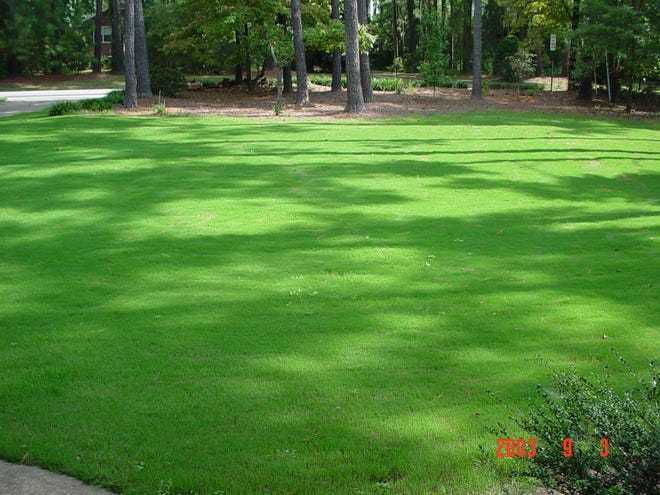
Bermuda grass thrives best with plenty of sunshine, making it a popular choice for lawns in warm climates. To keep it lush and healthy, it needs around 6 to 8 hours of direct sunlight each day. If you’re wondering how much sun Bermuda grass requires, the quick answer is that it loves full sun and struggles in shady areas. Ensuring your lawn gets enough sunlight is the key to vibrant, dense growth.
Bermuda grass is a sun-loving turf that demands a good amount of direct sunlight to flourish. Without enough sun, it can become sparse and prone to weeds. If you’re planning to plant Bermuda grass, make sure your yard has ample sunlight exposure—ideally, at least six hours of direct sun daily—to maintain its bright green, healthy appearance. Knowing this will help you create the perfect environment for a beautiful, resilient lawn.

How Much Sun Does Bermuda Grass Need?
Bermuda grass is a popular choice for lawns because of its lush appearance and durability. However, to keep it healthy and green, understanding its sunlight needs is essential. This section will explain exactly how much sun Bermuda grass requires to thrive and stay vibrant throughout the year.
Optimal Sunlight for Bermuda Grass
Bermuda grass grows best when it receives full sunlight. Ideally, it needs at least six hours of direct sunlight each day. More sunlight generally results in a healthier, more vigorous lawn. If Bermuda grass doesn’t get enough sun, it can become thin, patchy, and less resistant to pests and diseases.
Why Sunlight Is Important for Bermuda Grass
Sunlight helps Bermuda grass produce the energy it needs through photosynthesis. Without sufficient sun, the grass can struggle to grow tall and dense, making it look dull and weak. Good sunlight also promotes stronger root development, which supports overall plant health.
Effects of Too Little Sunlight
When Bermuda grass does not get enough sun, it often becomes:
- Thinner and patchy
- More susceptible to weeds
- Less drought-tolerant
- Slower to recover after damage
Lawn owners should be vigilant about shady spots and try to minimize obstacles like trees or structures that block sunlight.
Effects of Excessive Sunlight
While Bermuda grass loves sun, too much direct, intense sunlight, especially in hot climates, can lead to:
- Sunburn on the grass blades
- Increased evaporation and dehydration
- Higher water needs to stay healthy
Proper watering and shade management can help mitigate these issues.
Sunlight Requirements for Different Bermuda Grass Varieties
Not all Bermuda grass types have the same sunlight needs. For example:
| Variety | Minimum Sunlight Needed | Notes |
|---|---|---|
| Crowned Bermuda | 6 hours | Very tolerant of full sun, performs well in heat |
| Tifway 419 | 6-8 hours | Commonly used in lawns, sports fields |
| Celebration Bermuda | 6 hours | Good drought tolerance, prefers full sun |
Knowing the specific variety helps in selecting the right location and care routine.
How to Maximize Sunlight for Your Bermuda Grass Lawn
If your lawn has shaded areas, consider trimming trees or pruning shrubs to allow more sun to reach the grass. Regularly removing debris that blocks sunlight can also help. Additionally, planting Bermuda grass in areas with minimal shade ensures it gets enough sun for optimal growth.
Choosing the Right Location
Select a site that naturally receives full sunlight during the day. Avoid areas shaded by buildings, tall fences, or large trees. Positioning your Bermuda grass there will make a big difference in its health.
Handling Shaded Areas
For shaded sections, consider:
- Pruning back overhanging branches
- Replacing shade-tolerant grass varieties instead
- Using landscape features to redirect sunlight
Creating a sunny environment helps Bermuda grass flourish.
Seasonal Changes and Sunlight Needs
Sunlight requirements can fluctuate across seasons. During summer months, Bermuda grass benefits from full sun exposure, which encourages rapid growth. In cooler seasons, sunlight is still vital, though growth rates slow down.
Summer
Ensure your lawn gets at least six hours of direct sunlight daily. This period promotes vigorous growth and helps the grass recover from heat stress.
Winter
Although Bermuda grass goes dormant in colder weather, maintaining some sun exposure helps it stay healthy for the next growing season. Avoid over-shading or covering the lawn with snow when possible.
Practical Tips for Maintaining Optimal Sun Exposure
Here are some useful tips to ensure Bermuda grass receives the necessary sunlight:
- Regularly monitor the sunlight pattern in your yard
- Trim trees and bushes that block sunlight
- Limit structures or objects that cast long shadows
- Optimize lawn placement based on sunlight data
- Use reflective surfaces to bounce additional light onto shaded areas
Implementing these practices enhances the overall sunlight access, supporting a lush lawn.
Additional Factors Influencing Bermuda Grass Sunlight Needs
While sunlight is a significant factor, other elements also contribute to Bermuda grass health. Proper soil nutrients, watering, and mowing practices complement sunlight exposure and foster a thriving lawn.
Soil and Drainage
Well-draining soil allows roots to access nutrients efficiently and prevents waterlogging. This environment supports better canopy growth under full sun.
Watering Habits
Bermuda grass in sunny locations often requires more water to compensate for increased evaporation. Consistent watering during dry periods keeps the grass healthy.
Mowing Practices
Regular mowing at the recommended height (around 1 to 2 inches) encourages dense growth and enhances sunlight penetration into the turf canopy.
Maintaining adequate sunlight exposure is vital for Bermuda grass to grow healthily. Ensuring at least six hours of direct sun each day leads to a dense and vibrant lawn. Proper landscape planning, trimming, and seasonal awareness are key strategies for optimizing sunlight. By paying attention to these details, you can create a beautiful, resilient Bermuda grass lawn ready to withstand seasonal changes and growing conditions.
How Much Sun Does Bermuda Grass REALLY Need?
Frequently Asked Questions
How much direct sunlight does Bermuda grass require for healthy growth?
Bermuda grass thrives best when it receives at least 6 to 8 hours of direct sunlight daily. Consistent exposure to ample sunlight helps the grass develop a dense, vibrant, and resilient turf. Reduced sunlight can lead to thin patches and slower growth, so positioning your lawn in an area that gets plenty of sunshine is essential for optimal health.
Can Bermuda grass tolerate partial shade, and how does sunlight affect its maintenance?
Bermuda grass can tolerate some degree of partial shade but performs optimally in full sun. In shaded areas, the grass may become thinner, less vigorous, and more prone to weeds. To maintain a healthy Bermuda lawn, ensure it receives enough sunlight by trimming overhanging trees or selecting a sunnier spot, which helps reduce maintenance needs and promotes vigorous growth.
How does inadequate sunlight impact Bermuda grass over time?
If Bermuda grass does not receive sufficient sunlight, it can become sparse and unhealthy over time. Shaded areas may develop bare patches, and the grass becomes more susceptible to pests and diseases. Consistent sunlight exposure is crucial for maintaining a lush, dense lawn and preventing long-term stress on the grass.
Final Thoughts
Bermuda grass thrives best with ample sunlight. It requires at least 6 hours of direct sun daily to grow strong and healthy. In shaded areas, its growth may slow, and it becomes less dense.
For optimal results, ensure your lawn gets full sun most of the day. Less sunlight can lead to patchy growth and increased vulnerability to pests. Proper light exposure promotes a lush, durable turf.
how much sun does bermuda grass need? It needs a minimum of 6 hours of direct sunlight each day. Providing this amount of sun helps the grass stay vibrant and resilient.