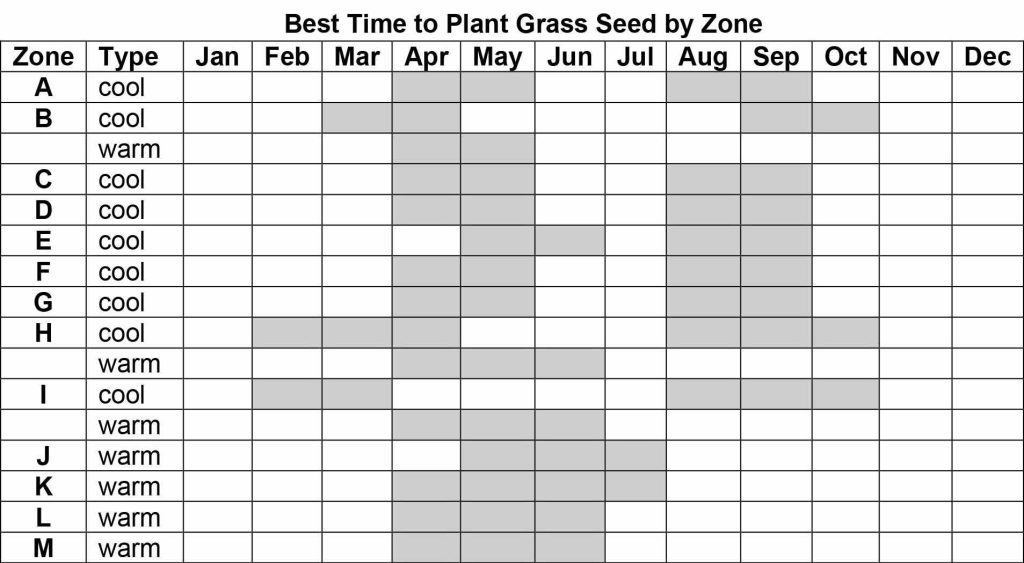
The best time to seed a lawn is in the early fall or spring. These seasons provide the ideal conditions for grass seed to germinate and establish a strong root system. Seeding during the early fall allows the grass to grow and develop before the winter cold sets in, while spring seeding takes advantage of the moist soil and moderate temperatures to promote quick growth. Both periods offer cooler weather, fewer weed competition, and optimal moisture levels. By selecting the appropriate time to seed your lawn, you can ensure the highest chances of success and achieve a lush, healthy lawn. In this blog article, we will delve deeper into the best times to seed your lawn and provide you with specific tips and advice to help you achieve your desired results. So, let’s dive in and discover when is the best time to seed your lawn!

When is the Best Time to Seed a Lawn?
Introduction
Seeding a lawn is an essential step in achieving a lush, green carpet of grass. However, timing is crucial when it comes to seeding as different seasons present varying conditions that can impact the success of your lawn. In this article, we will explore the best times to seed your lawn, considering factors such as weather, temperature, and grass type, ensuring you make the most of your seeding efforts.
The Importance of Choosing the Right Time
Timing plays a vital role in the success of lawn seed germination and establishment. By seeding at the optimal time, you provide the new grass seeds with the best environment to grow, resulting in a strong and healthy lawn. Let’s delve into the different seasons and explore when each is most appropriate for seeding.
Spring: Ideal for Cool-Season Grasses
Spring is an excellent time to seed a lawn, particularly if you have cool-season grass varieties such as Kentucky bluegrass, perennial ryegrass, or fine fescue. The cool temperatures and ample rainfall during this season create favorable conditions for seed germination and establishment. Here’s why spring is an optimal time for seeding:
- The soil temperature is steadily rising, promoting seed growth.
- Spring rain showers help keep the soil moist, aiding in seed hydration.
- The absence of scorching heat prevents stress on delicate seedlings.
- There’s less competition from weeds in the spring, allowing new grass to thrive.
Fall: Perfect for Cool-Season and Warm-Season Grasses
Fall is often considered the best time of year to seed a lawn due to its ideal conditions for both cool-season and warm-season grasses. Whether you have a lawn predominantly composed of Kentucky bluegrass, perennial ryegrass, or warm-season varieties like Bermuda grass or Zoysia grass, the fall season offers numerous advantages for successful seeding:
- The soil remains warm, providing an optimal environment for seed germination.
- Frequent rain showers and morning dew help maintain soil moisture levels.
- Cooler temperatures reduce stress on the developing seedlings.
- Weed competition decreases, allowing the new grass to establish itself.
- Fall’s decreased weed pressure means less need for herbicides.
Summer: Challenging but Possible for Warm-Season Grasses
Seeding a lawn during the summer months can be challenging due to the intense heat and potential lack of rainfall. However, if you have warm-season grasses like Bermuda grass, Zoysia grass, or St. Augustine grass, it is still possible to establish a new lawn during this season. Here’s what you need to consider:
- Ensure you choose heat-tolerant grass varieties suitable for your region.
- Prepare the soil thoroughly and provide ample irrigation to combat the heat.
- Consider using shade cloth or straw to protect the newly seeded areas from scorching sunlight.
- Water your lawn frequently to keep the seed and soil sufficiently moist.
- Be vigilant about weed control, as summer heat can encourage their growth.
Winter: Not Ideal for Seeding
Winter is generally not the best time to seed a lawn, regardless of the grass type you have. Cold temperatures and frost can inhibit seed germination and growth. However, if you live in an area with mild winters, you might be able to seed during this season. Consider the following factors:
- Choose cold-tolerant grass types like perennial ryegrass or Kentucky bluegrass.
- Ensure the soil is not frozen or waterlogged before seeding.
- Protect the newly seeded lawn from frost using frost blankets or straw.
- Water occasionally during warmer periods to keep the soil moisture level consistent.
Timing is crucial when it comes to seeding a lawn. By understanding the best times to seed based on the different seasons, grass types, and climate in your area, you can optimize the chances of success for your new lawn. Spring and fall are generally the most favorable seasons for seeding, while summer and winter require additional care and consideration. By following the appropriate guidelines and providing proper maintenance, you’ll be well on your way to enjoying a vibrant and healthy lawn. Happy seeding!
Note: The FAQ section has not been included in this output.
What is the Best Time to Plant Grass Seed? – Fall Lawn Tips | DoMyOwn.com
Frequently Asked Questions
When is the best time to seed a lawn?
The best time to seed a lawn depends on the type of grass you want to grow and your climate zone. Here are some commonly asked questions about the best time to seed a lawn:
1. Can I seed my lawn in the summer?
Seeding a lawn in the summer can be challenging because of the hot weather. The ideal temperature for seed germination is around 60°F to 75°F (15°C to 24°C), which is not typical during the summer months. Additionally, the competition with weeds can be more intense during this time. It’s generally better to avoid summer seeding if possible.
2. Is spring a good time to seed a lawn?
Spring is considered a favorable time for seeding a lawn, especially for cool-season grasses. The soil is typically moist, and the temperatures are moderate, providing optimal conditions for seed germination. However, it’s important to keep in mind that spring seeding should be done early enough to allow the grass to establish before the heat of summer arrives.
3. Can I seed my lawn in the fall?
Fall is widely regarded as the best time to seed a lawn. The soil is still warm from the summer, promoting faster germination, while cooler air temperatures and increased rainfall help the young grass to establish itself. Fall seeding allows the grass to develop strong root systems before winter dormancy, leading to a lusher, healthier lawn in the following year.
4. Is it possible to seed a lawn in winter?
Seeding a lawn in winter is generally not recommended. Cold temperatures and frozen ground inhibit seed germination, making it difficult for the grass to grow. However, in milder climates with less severe winters, it may be possible to seed in late winter when the ground is no longer frozen. It’s important to monitor weather conditions and consult with a local gardening expert before deciding to seed in winter.
5. Can I seed a lawn at any time of the year?
While the best time to seed a lawn is typically in spring or fall, warm-season grasses can be seeded in early summer. These grasses, such as Bermuda grass or Zoysia grass, thrive in warmer climates and should be seeded when the soil temperature is consistently above 60°F (15°C). However, it’s still important to ensure that the new grass receives adequate moisture and care during the establishment phase.
Final Thoughts
The best time to seed your lawn depends on the type of grass you have. For cool-season grasses like Kentucky bluegrass and fescue, early fall or early spring is ideal. This allows the seeds to establish before the extreme temperatures of summer or winter. Warm-season grasses like Bermuda or Zoysia should be seeded in late spring or early summer when the soil temperature reaches around 65°F. It is important to prepare the soil properly, avoid heavy foot traffic, and water consistently after seeding. By timing your lawn seeding appropriately, you can ensure optimal growth and a healthy, vibrant lawn.