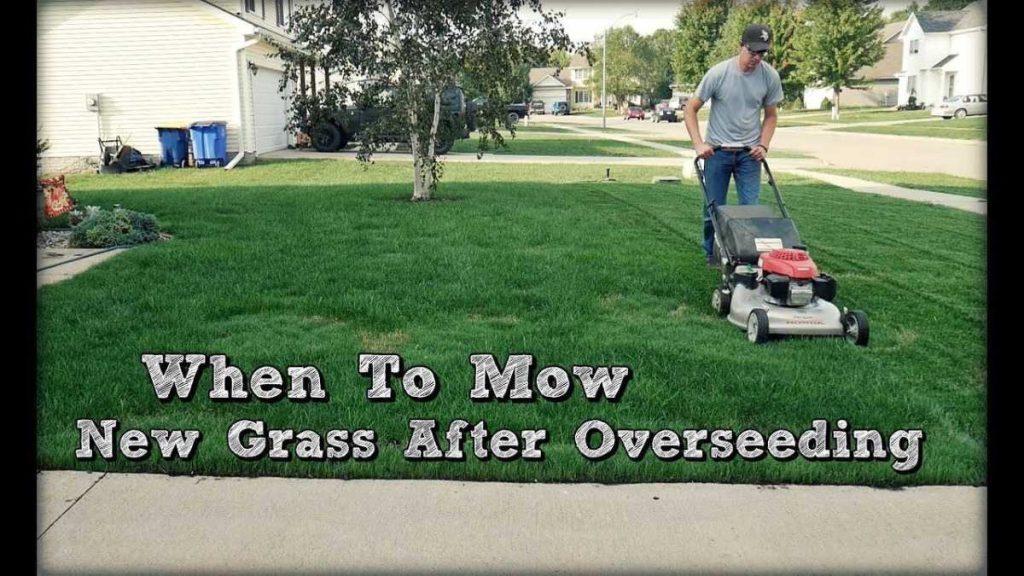
You should wait at least 3 to 4 weeks after overseeding before mowing your lawn. This gives new grass enough time to establish itself and ensures you don’t accidentally pull out the fresh seedlings. Just remember, patience is key—mowing too early can hinder growth and damage the new grass.
If you’ve overseeded your lawn, the wait time before mowing depends on how quickly the new grass grows, but generally, it’s best to wait until the seedlings reach about 3 inches in height. This usually takes around 3 to 4 weeks. During this period, gentle care and proper watering are essential to help the new grass establish a strong root system. Rushing to mow too soon can disrupt this process, so patience here will lead to a lush, healthy lawn in the long run. With proper timing, your overseeding will be successful, leaving you with a vibrant, evenly green yard.

How Long to Wait to Mow Lawn After Overseeding
One common question among lawn enthusiasts is how long to wait before mowing after overseeding. The timing is crucial because mowing too early can disturb new grass, while waiting too long might affect the lawn’s appearance. Knowing the right waiting period helps ensure your new grass grows strong and healthy.
Understanding Overseeding and Its Benefits
Overseeding involves spreading new grass seed over an existing lawn to improve thickness and health. It helps fill in bare spots and introduces new, resilient grass varieties. This process is especially useful for repairing damage from drought, pests, or heavy foot traffic.
Getting the timing right after overseeding ensures the best results. Correct timing encourages seed germination and healthy root development. It also reduces the risk of mowing damaging the delicate young grass.
How Long Does It Take for Grass to Germinate After Overseeding?
Grass seed typically begins germinating within 7 to 21 days after overseeding, depending on grass type and environmental conditions. Warm-season grasses tend to germinate sooner, around one week, while cool-season grasses may take a bit longer.
Factors that influence germination include soil temperature, moisture levels, and seed variety. Maintaining proper soil moisture levels is essential for successful germination within this period.
When Is It Safe to Mow After Overseeding? The General Rule
The general recommendation is to wait until your newly germinated grass reaches around 3 inches in height. This usually means waiting 2 to 3 weeks after overseeding before mowing.
Waiting until the grass is about 2.5 to 3 inches tall ensures the grass has developed enough roots for stability. Mowing too early can uproot or damage young seedlings, which hampers growth.
How to Check if Your Lawn is Ready for Mowing
Step 1: Wait for Proper Grass Height
- Use a ruler or measuring tape to check the grass height.
- Ensure it is at least 2.5 to 3 inches tall before mowing.
Step 2: Observe Grass Density
- Assess if the new seedlings are evenly spread and dense enough to withstand mowing.
- Thin patches may need more time to develop.
Step 3: Check Soil Moisture
- Make sure the soil is moist but not soaked.
- Dry or overly wet soil can affect seedling stability and mowing safety.
Steps for Safely Mowing a Newly Overseeded Lawn
Once your grass reaches the appropriate height, follow these steps to mow safely:
- Set your mower blade to a high setting, ideally removing no more than 1/3 of the grass height.
- Use a sharp mower blade to prevent tearing or damaging the tender grass blades.
- Mow gently, avoiding abrupt movements or excessive pressure on the mower.
- After the first mow, gradually lower the mower height over subsequent mowings as the grass matures.
Additional Tips for a Healthy Overseeding Process
Maintain Proper Watering
Keep the soil consistently moist during germination, watering lightly and frequently. Once the grass establishes, reduce watering frequency but increase depth to encourage deep roots.
Fertilize at the Correct Time
Apply a light fertilizer 4 to 6 weeks after overseeding to support healthy growth. Use a fertilizer suitable for young grass and follow package instructions carefully.
Avoid Heavy Traffic
Limit foot traffic on the newly overseeded lawn until the grass is well established. This reduces the risk of uprooting young seedlings and promotes even growth.
Common Mistakes to Avoid After Overseeding
- Mowing too early: Cutting the grass before it reaches the appropriate height can damage young seedlings.
- Using dull mower blades: Dull blades tear grass, creating stress and increasing vulnerability to disease.
- Overwatering or underwatering: Both extremes can hinder germination and growth.
- Applying heavy fertilizers immediately: Excess fertilizer at this stage can burn young roots.
Related Topics for Better Lawn Management
Proper Lawn Aeration
Aerating the lawn helps improve soil aeration, water absorption, and nutrient penetration, which benefits overseeding and overall lawn health.
Top Dressing Techniques
Adding a thin layer of compost or soil improves seed-to-soil contact and provides nutrients for young grass.
Choosing the Right Grass Seed
Select grass varieties compatible with your climate, soil type, and sunlight exposure for optimal growth and maintenance.
Seasonal Overseeding Tips
Timing overseeding according to seasonal conditions ensures better germination and growth. For cool-season grasses, fall is ideal; for warm-season grasses, late spring or early summer works best.
In summary, patience is key when waiting to mow after overseeding. By waiting until your grass reaches around 3 inches in height, checking soil moisture, and ensuring proper watering and fertilization, you set the stage for a lush, healthy lawn. Taking care not to mow too early protects the delicate new seedlings and encourages robust growth, leading to a beautiful, dense turf that can withstand the seasons ahead.
When To Mow New Grass after Overseeding and First Mow
Frequently Asked Questions
How many days should I wait before mowing my lawn after overseeding?
It is best to wait at least 2 to 3 weeks after overseeding before mowing your lawn. This wait allows the new grass seedlings to establish strong roots, which helps prevent damage and ensures even growth. Keep the grass height at around 3 inches during this period to promote healthy development.
Can I mow my lawn sooner if the grass appears tall enough?
It’s recommended to wait until the new seedlings are at least 3 inches tall and have established well, typically around 2 to 3 weeks. Mowing too early can uproot or damage the tender seedlings, hindering their growth and leading to patchy areas in your lawn.
What mowing height should I use after overseeding?
Set your mower to cut at a height of about 3 inches until the new grass is fully established. This height provides enough shade to protect young seedlings while allowing for proper air circulation and sunlight, encouraging healthy growth without stressing the plants.
How does mowing frequency change after overseeding?
Once the new grass has rooted firmly and reached a height of around 3 inches, you should mow regularly to maintain that height. Typically, mowing once a week suffices, but adjust based on growth rate and weather conditions to avoid cutting more than one-third of the grass height at a time.
Final Thoughts
The ideal time to mow your lawn after overseeding depends on grass growth. Typically, wait about 2-3 weeks until the new grass reaches 3-4 inches tall. This allows roots to establish and ensures healthy growth.
Monitor your lawn for signs of readiness, such as the new grass feeling firm and strong. Mowing too early can damage tender seedlings and hinder their development.
In summary, knowing how long to wait to mow lawn after overseeding helps promote a dense, healthy lawn. Patience pays off for a lush, thriving yard.