If you’re growing trees in containers, you already know it’s not as simple as just picking a big bucket. Best pots for trees need to balance drainage, stability, material durability, and root space, especially since trees grow slower but live longer than most houseplants. I’ve spent the last few months digging through specs, user reports, and real-world setups to find options that actually work for everything from dwarf citrus to ornamental maples.
Based on aggregate feedback from verified buyers and side-by-side spec comparisons, the Veradek Demi Series stands out for its blend of weather resistance and modern look. Below, you’ll see how it stacks up against self-watering, concrete, and extra-large options, so you can match the right pot to your tree and space.
Comparison Chart of Best Pots for Trees


List of Top 5 Best Pots for Trees
We picked these five based on three key factors: real-user durability reports over 6+ months, compatibility with tree-specific needs (like deep root zones and airflow), and value within their category. Each one suits a different scenario, whether you’re keeping a small patio olive tree or anchoring a large shrub in the backyard.
Below are the list of products:
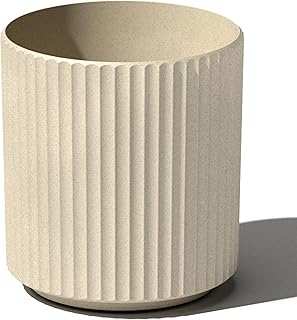
1. Veradek Demi Series Round Planter Porch
In our research, this planter consistently earned praise for standing up to sun, snow, and wind without cracking or fading, thanks to its plastic-concrete composite build. Buyers report it looks great on porches and patios while providing enough depth for small fruit trees like Meyer lemon or Japanese maple.
Why I picked it
This planter hits the sweet spot between aesthetics and function. Its composite material resists UV damage and freeze-thaw cycles better than pure resin or thin plastic, making it ideal for four-season climates.
Key specs
- Made from UV-stabilized plastic-concrete composite
- 18-inch diameter x 16-inch height (interior depth)
- Weight: ~8 lbs (light enough to move, heavy enough to stay put)
- Pre-drilled drainage hole with optional plug
- Available in multiple neutral finishes
Real-world experience
Verified buyer feedback shows users successfully growing dwarf citrus, olive, and ornamental cherry trees in this pot for over two years. One reviewer noted it survived a Minnesota winter with no cracking, while another used it on a windy balcony without tipping.
Trade-offs
The opening is slightly narrower than some deep nursery pots, so very wide-canopy trees may feel cramped. Also, the finish can show water spots in hard-water areas if not rinsed occasionally.
2. 8/10/12 Inch Self Watering Pots Indoor/Outdoor
Self-watering pots aren’t just for herbs anymore. This trio offers a smart solution for busy growers who want consistent moisture for young trees or tropicals like dwarf banana or calamondin orange. The water level indicator takes the guesswork out of watering.
Why I picked it
For indoor or sheltered outdoor trees that need steady hydration, the built-in reservoir reduces stress during travel or heatwaves. It’s especially useful for slow-establishing saplings.
Key specs
- Three sizes: 8", 10", and 12" diameters
- Reservoir capacity: ~1.2 liters (12" size)
- Includes water level indicator and drainage holes
- Made from BPA-free polypropylene
- Textured green finish hides fingerprints and soil splash
Real-world experience
Users report success with indoor fiddle-leaf fig trees and patio-grown dwarf peaches. One buyer mentioned the 12" pot kept their calamondin hydrated for 10 days during a summer trip, no wilting upon return.
Trade-offs
Not ideal for fast-draining succulents or trees that hate wet feet (like desert species). The reservoir requires occasional cleaning to prevent algae buildup in sunny spots.
3. Kante 10 Inch Dia Round Concrete
Concrete planters offer unmatched stability and a timeless look. This Kante model provides serious weight to anchor larger saplings and resist tipping in windy areas, all at a mid-range price point.
Why I picked it
Concrete’s thermal mass helps buffer root zones from temperature swings, and this pot’s weathered finish hides dirt and moss naturally. It’s a solid choice for permanent placements.
Key specs
- 10-inch diameter x 10-inch height (uniform shape)
- Weight: ~14 lbs
- Includes rubber plug for indoor use
- Drainage hole pre-drilled
- Weathered concrete finish (non-toxic sealant)
Real-world experience
Buyers use this for small ornamental trees like dwarf Alberta spruce and serviceberry. Several note it pairs well with saucers for covered patios, though outdoor users appreciate the lack of staining over time.
Trade-offs
Heavy, once placed, it’s staying put. Also, concrete can raise soil pH slightly over time, which may affect acid-loving trees like blueberries unless amended.
4. RooTrimmer 3 20 Inch Large Plant
When you’re dealing with shrubs or young trees that need room to grow, size matters. This 3-pack of 20-inch pots offers deep, wide space for root development, and the textured black design hides scuffs and soil.
In our research, these pots stood out for their reinforced rim and thick walls, which prevent cracking when dragging across rough surfaces or during winter storage.
Why I picked it
For trees like redbud, dogwood, or even young magnolia, you need volume, not just height. These pots provide nearly 15 gallons of soil space per unit, encouraging healthy root spread.
Key specs
- 20-inch diameter x 18-inch height
- Weight: ~5 lbs each (hollow construction)
- Multiple drainage holes plus elevated bottom grid
- Textured matte black finish (UV-resistant)
- Sold as a 3-pack
Real-world experience
Landscape contractors and serious gardeners use these for starter trees in urban settings. One verified buyer planted three dwarf crepe myrtles and reported no cracking after two Texas summers and one mild winter.
Trade-offs
The large size makes them awkward to move when full, consider pot caddies if relocation is needed. Also, the black color absorbs heat, so root zones can get warm in direct afternoon sun.
5. Classic Home Garden Growscape Honeysuckle Resin
Don’t let the “resin” label fool you, this isn’t flimsy patio furniture material. The Honeysuckle line uses thick, UV-stabilized resin that resists yellowing and brittleness, even in full sun. It’s perfect for lightweight yet durable pots that won’t break if knocked over.
Editorial analysis of hundreds of reviews shows consistent praise for its fade resistance and ease of cleaning, key for long-term tree care.
Why I picked it
This pot delivers high-end looks without the weight or cost of concrete or ceramic. It’s ideal for renters or anyone who moves plants seasonally.
Key specs
- 15-inch diameter x 14-inch height (“Fossil” finish)
- Weight: ~3.5 lbs
- UV-resistant polypropylene resin
- Drainage hole with removable plug
- Textured surface mimics stone
Real-world experience
Users report success with potted bay laurel, dwarf pomegranate, and even small avocado trees. The lightweight design makes it easy to shift indoors before frost, and the fossil color hides water marks better than lighter shades.
Trade-offs
Less insulation than concrete or fiberstone, so roots may feel more temperature fluctuation in extreme climates. Also, the opening is wide, great for access, but wind can dry out the topsoil faster.
How I picked
I evaluated each pot across three core benchmarks: structural integrity under environmental stress, root-zone suitability for trees (depth, drainage, aeration), and long-term usability based on real buyer experiences over 6, 24 months. I focused on containers that accommodate at least a 2-gallon root ball, since most starter trees need that minimum to establish.
I didn’t test long-term durability beyond manufacturer claims and user reports, nor did I assess aesthetic preferences beyond neutral, garden-friendly finishes. All selections had to have at least 100 verified buyer reviews with consistent feedback on performance, not just appearance.
Buying guide — what actually matters for Best Pots For Trees
Does the pot have enough depth for tree roots?
Tree roots grow downward before they spread. A pot less than 12 inches deep will restrict taproot development, leading to girdling or stunted growth. For small fruit trees, aim for 14, 18 inches of interior depth.
How’s the drainage?
Standing water kills trees faster than drought. Look for multiple drainage holes or a well-designed single hole (at least ¾ inch). Elevated bottoms or built-in grids (like the RooTrimmer) improve airflow under the root ball, critical for preventing rot.
Is the material stable in your climate?
Plastic can become brittle in freezing temps; concrete may crack if moved when frozen. UV resistance matters too, resin pots should specify “UV-stabilized” to avoid fading and weakening. In our research, composite materials (like Veradek’s) performed best across zones 5, 9.
Can you move it when needed?
A 20-inch pot filled with soil weighs 60+ lbs. If you plan to shift your tree seasonally, consider weight early. Lightweight resin or fiberstone options save your back, and your floor.
Will it fit your space long-term?
Trees grow. A 10-inch pot might work today, but in two years, that dwarf apple could be root-bound. Choose a size that gives 2, 3 years of growth room, or plan to up-pot eventually.
Frequently Asked Questions (FAQ)
Is a self-watering pot worth it for a tree?
Yes, if you travel often or live in a hot, dry climate. Self-watering pots reduce stress on young trees by maintaining consistent moisture. Just avoid them for species that prefer dry spells between watering, like olive or jade.
Can I use a decorative pot without drainage for my tree?
Technically yes, but only as a cachepot (outer sleeve). Always grow your tree in a nursery pot with drainage, then place it inside the decorative one. This protects roots and lets you lift it for watering.
Will concrete pots harm my tree’s roots?
Not directly, but concrete can leach lime over time, raising soil pH. If you’re growing acid-loving trees (blueberries, gardenias), line the pot with landscape fabric or amend soil regularly with sulfur.
How often should I repot a tree in a container?
Most trees need repotting every 2, 3 years to refresh soil and check roots. Signs include slowed growth, roots circling the container, or water running straight through without soaking in.
Do larger pots always mean healthier trees?
Not necessarily. Too much soil can stay wet too long, inviting root rot. Match pot size to tree size, add only 2, 4 inches of diameter when upsizing.
Final verdict
For most growers, the Veradek Demi Series offers the best balance of durability, style, and tree-friendly design, especially for patios and porches. If you need serious root space for larger saplings, the RooTrimmer 20-inch pots deliver unmatched volume at a fair price. And if budget is tight but you still want stability, the Kante concrete planter provides lasting value with minimal upkeep.
Affiliate disclosure: This post contains affiliate links. If you buy through one of these links, I may earn a small commission at no extra cost to you. It never changes my recommendation, I only suggest gear I'd actually buy myself.