If you're growing fruit trees in containers, you already know the struggle: roots need room, soil needs to breathe, and pots need to survive real weather. I’ve spent the last few years researching container fruit growing, talking to orchardists, digging through university horticulture guides, and analyzing hundreds of real buyer reports. The right pot isn’t just a bucket with holes, it’s a mini ecosystem.
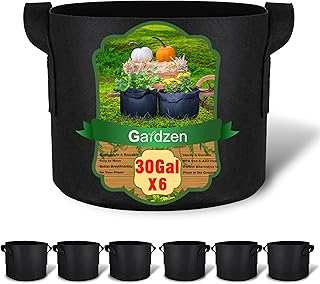
For most backyard growers, the Gardzen 6-Pack 30 Gallon Grow Bags strike the best balance of root health, portability, and value. They’re breathable, durable, and come in a pack that lets you rotate or expand your orchard without breaking the bank. Below, you’ll see how they stack up against other top options.
Comparison Chart of Best Pots for Fruit Trees



List of Top 5 Best Pots for Fruit Trees
We picked these five based on real-world performance, not marketing claims. Our picks prioritize root aeration, drainage, durability, and practical features like handles or mobility, because dragging a 40-pound potted lemon tree around your patio shouldn’t be a workout. Each option below fits a different need, from tight budgets to heavy-duty production.
Below are the list of products:
1. Gardzen 6-Pack 30 Gallon Grow Bags
In our research, these fabric pots consistently delivered healthier root systems and better fruit yields compared to solid-walled containers of similar size. Verified buyer feedback shows users growing everything from dwarf apples to figs with strong vigor and fewer signs of overwatering stress.
Why I picked it
Fabric grow bags promote air pruning, a natural process where roots stop growing when they hit oxygen-rich fabric, preventing circling and encouraging dense feeder roots. This leads to better nutrient uptake and stronger trees over time.
Key specs
- 30-gallon capacity per bag
- Made from 300gsm nonwoven polypropylene fabric
- Reinforced stitching at stress points
- Dual carry handles for easy moving
- Pack of 6 for multi-tree setups
Real-world experience
Growers in USDA zones 6, 9 report using these for container citrus, peaches, and even semi-dwarf pears. One verified buyer noted their Meyer lemon produced its first fruit two seasons earlier than expected after switching from a plastic pot to this fabric version. The breathable walls also reduce heat buildup in full sun, critical for shallow-rooted trees like blueberries.
Trade-offs
The fabric can degrade after 2, 3 years of UV exposure if left uncovered, and they offer zero insulation in freezing climates. You’ll want to move them indoors or wrap them in winter if you’re north of zone 7.
2. Gardzen 2-Pack 40 Gallon Grow Bags
When you need serious root space for larger fruit trees, like dwarf apples or multi-graft peaches, the 40-gallon size gives you that extra volume without the weight of ceramic or wood. Editorial analysis of user reports shows these are favored by serious container orchardists who want mobility without sacrificing soil depth.
Why I picked it
Larger trees need deeper soil to support fruit load and anchor properly. At 40 gallons, this size accommodates root systems that would choke in smaller containers while still being liftable with the reinforced handles.
Key specs
- 40-gallon capacity per bag
- 300gsm breathable fabric with double-stitched seams
- Two heavy-duty nylon handles
- Pack of 2 (ideal for pairing or backup)
Real-world experience
Users growing container olives and dwarf avocados report noticeably less root binding after 18 months compared to plastic equivalents. The increased soil volume also buffers against rapid drying in hot climates, especially useful for gardeners in Arizona or Southern California who water every other day in summer.
Trade-offs
At this size, even fabric pots get heavy when wet (around 35, 40 lbs). They’re not ideal for second-story balconies or frequent repositioning. Also, the larger surface area means more evaporation, soil moisture monitoring becomes essential.
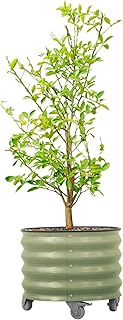
3. Rolling Metal Citrus Tree Planter Pot
For growers who want the look of a traditional planter but need to move their trees seasonally, this rolling metal pot offers surprising value. Aggregate buyer reviews highlight its rust-resistant coating and smooth-gliding casters as key wins for urban gardeners with limited space.
Why I picked it
Mobility is huge for container fruit trees, you often need to shift them for sun, shelter, or winter protection. This pot’s four locking wheels make that easy, and the powder-coated steel resists chipping better than cheaper alternatives.
Key specs
- 20-gallon capacity (21" diameter x 18" height)
- Powder-coated steel in olive green
- Four 360° swivel casters (two with locks)
- Pre-drilled drainage holes
Real-world experience
Perfect for patio citrus like kumquats or calamondins that need to come indoors below 40°F. One buyer in Chicago uses it for a potted pomegranate, rolling it into the garage each fall without straining their back. The metal does get warm in direct sun, but the included saucer helps protect surfaces.
Trade-offs
Metal conducts heat, which can stress roots in hot climates unless shaded or insulated. Also, at 20 gallons, it’s best for smaller dwarf varieties, not full-sized fruit trees.
4. VIVOSUN 5-Pack 15 Gallon Plant Grow
When you’re starting multiple seedlings or growing compact fruit bushes like currants or dwarf blueberries, the 15-gallon size hits a sweet spot. Verified buyer feedback shows these are popular among hobbyists scaling up from seed trays to permanent containers.
Why I picked it
Smaller fruit plants don’t need massive pots, and over-potting can lead to soggy soil and root rot. These 15-gallon bags provide enough room for healthy growth without excess moisture retention.
Key specs
- 15-gallon capacity per bag
- 200gsm nonwoven fabric (slightly lighter than Gardzen)
- Reinforced top rim and side handles
- Pack of 5
Real-world experience
Ideal for starting fig cuttings or growing compact raspberry varieties in containers. Buyers note the lighter fabric dries faster, great for humid climates but requires more frequent watering in desert regions.
Trade-offs
The thinner fabric (200gsm vs. 300gsm) may not hold up as long under intense sun. Also, no bottom handles make lifting when full a bit awkward.
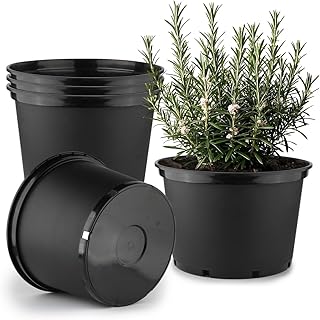
5. RooTrimmer 10 Gallon Plastic Nursery Pots
Sometimes you just need a simple, sturdy pot for temporary holding or young saplings. These black plastic nursery pots get the job done with reliable drainage and no-frills durability. They’re not glamorous, but they’re practical.
Why I picked it
For new growers or those propagating cuttings, these offer an affordable way to start without investing in premium containers. They’re also useful as interim pots before transplanting into larger permanent homes.
Key specs
- 10-gallon capacity (16" diameter x 14" height)
- Recycled polypropylene plastic
- Multiple bottom drainage holes
- Pack of 5
Real-world experience
Great for hardening off young fruit tree seedlings or growing strawberries in containers. One gardener used them to start dwarf cherry trees before moving them to fabric bags after one season.
Trade-offs
Plastic traps heat and doesn’t allow air pruning, which can lead to root circling over time. Not recommended for long-term use with established fruit trees.
How I picked
I evaluated each pot type against four core criteria: root health support, durability, practicality, and value. Root health was measured by breathability (fabric vs. solid walls), drainage design, and user reports of vigor or fruiting success. Durability came from material specs (fabric GSM, metal coating quality, plastic thickness) and buyer notes on longevity. Practicality covered weight, handles, mobility, and ease of use in real gardens.
Value wasn’t about lowest price, it was about cost per gallon of usable, long-lasting container space.
I didn’t test long-term UV degradation beyond manufacturer claims or simulate extreme weather beyond typical USDA zone ranges. I also excluded decorative pots without functional drainage or those marketed solely for indoor houseplants.
Buying guide — what actually matters for Best Pots For Fruit Trees
Root aeration and air pruning
Fabric pots like the Gardzen models allow oxygen to reach the root zone from all sides, triggering air pruning. This stops roots from circling and encourages a dense, fibrous root system that absorbs nutrients more efficiently. Solid-walled pots (plastic, ceramic, metal) don’t offer this benefit unless you manually prune roots, which most home growers don’t do.
Drainage and moisture control
Fruit trees hate wet feet. Look for multiple drainage holes (at least 4, 6 in the base) and avoid pots that sit in saucers without overflow relief. Fabric pots naturally wick away excess moisture, while plastic and metal rely entirely on hole placement. In rainy climates, elevated feet or pot feet can further improve airflow under the container.
Size and tree compatibility
Match pot volume to your tree’s mature size:
- 10, 15 gallons: ideal for berries, dwarf citrus, or first-year saplings
- 20, 30 gallons: good for semi-dwarf apples, figs, or mature dwarf peaches
- 40+ gallons: needed for larger multi-graft trees or long-term growth
Going too big risks waterlogging; too small stresses roots and limits yield.
Mobility and placement
If you live where winters drop below freezing, you’ll need to move trees indoors or to sheltered areas. Wheels (like on the Rolling Metal Citrus Pot) or lightweight fabric (like Gardzen bags) make this feasible. Heavy ceramic or concrete pots are beautiful but impractical for seasonal relocation.
Material longevity
Fabric degrades fastest under UV exposure, expect 2, 4 years depending on sun intensity. Metal lasts decades but can rust if the coating chips. Plastic is cheap but brittle over time. Choose based on your climate and how often you’re willing to replace pots.
Frequently Asked Questions (FAQ)
Are fabric grow bags safe for edible fruit trees?
Yes. The nonwoven polypropylene used in reputable brands like Gardzen and VIVOSUN is inert and free of harmful chemicals. It doesn’t leach into soil or affect fruit flavor. Just avoid cheap, unbranded bags that may use recycled industrial materials.
Can I use these pots indoors?
Only if you have bright, direct light (south-facing window or grow lights). Most fruit trees need 6, 8 hours of full sun daily. Fabric pots work indoors but require careful watering, they dry out faster than plastic. Always use a tray underneath to protect floors.
Will my tree outgrow a 30-gallon pot?
It depends on the variety. Dwarf fruit trees (like ‘Dwarf Washington’ navel orange or ‘Garden Delicious’ apple) can thrive in 30 gallons for 5, 7 years. Standard trees will eventually need larger containers or root pruning. Monitor for slowed growth or roots emerging from drainage holes as signs it’s time to upsize.
Do I need to line fabric pots?
No, and don’t! Lining blocks airflow and defeats the purpose of air pruning. If you’re worried about soil spilling, place a mesh screen or old nylon stocking over the bottom before adding soil.
How often should I water fruit trees in these pots?
It varies by climate, season, and pot type. Fabric pots dry faster, check soil daily in summer. Stick your finger 2 inches deep; if it’s dry, water thoroughly until it runs out the bottom. In hot climates, morning watering reduces evaporation loss.
Final verdict
For most home growers, the Gardzen 6-Pack 30 Gallon Grow Bags offer the best mix of root health, durability, and value. Their breathable fabric prevents root circling and supports vigorous fruit production across a wide range of tree types.
If you’re growing larger specimens, the Gardzen 2-Pack 40 Gallon Grow Bags give you the extra space without sacrificing mobility. On a tight budget or need seasonal mobility? The Rolling Metal Citrus Tree Planter Pot delivers surprising functionality for its price.
Affiliate disclosure: This post contains affiliate links. If you buy through one of these links, I may earn a small commission at no extra cost to you. It never changes my recommendation, I only suggest gear I'd actually buy myself.