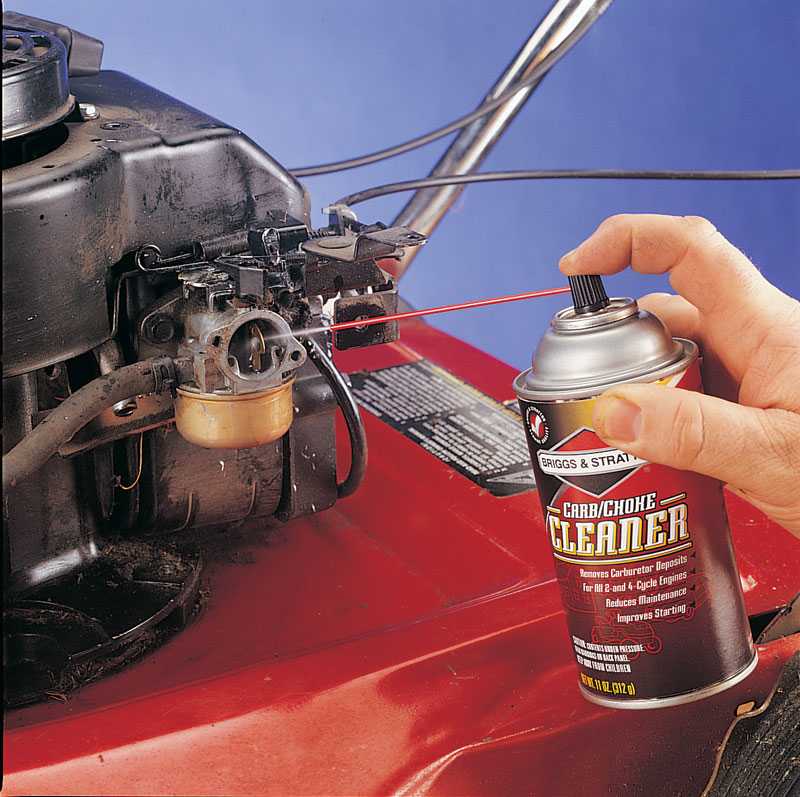
To clean the carburetor on your Briggs and Stratton lawn mower, start by removing the air filter and locating the carburetor. Then, drain any old fuel, disconnect the necessary hoses, and carefully remove the carburetor for cleaning. Use a carburetor cleaner spray to loosen deposits, and gently scrub with a small brush before reassembling. Regular cleaning improves engine performance and prolongs your mower’s life.
A quick and effective way to clean your Briggs and Stratton carburetor is by removing it, spraying it with carburetor cleaner, and scrubbing away any gunk buildup. This simple maintenance task can help restore proper fuel flow and ensure smooth operation of your mower. Keeping your carburetor clean doesn’t have to be complicated—just a few straightforward steps can make all the difference.
If your lawn mower is sputtering, idling roughly, or has trouble starting, these are signs that your carburetor needs attention. Over time, dirt, old fuel, and debris clog the small passages inside the carburetor, causing performance issues. Cleaning it thoroughly is a quick fix that can save you money on repairs and keep your mower running like new. With a little patience and the right tools, you can tackle this DIY maintenance task and enjoy a greener, healthier lawn.

How to Clean Carburetor on Briggs and Stratton Lawn Mower
Cleaning the carburetor is a vital step to keep your Briggs and Stratton lawn mower running smoothly. Over time, dirt, debris, and fuel residue can clog the carburetor, leading to poor engine performance or difficulty starting. Fortunately, cleaning the carburetor isn’t difficult if you follow the right steps.
Understanding the Carburetor’s Role
The carburetor mixes air and fuel for the engine. If it’s clogged, the mixture becomes imbalanced, causing engine problems. Recognizing signs like sputtering, stalling, or hard starting can indicate carburetor issues.
Gathering Essential Tools and Supplies
Before you begin, gather the tools and materials needed for cleaning:
- Screwdrivers (flathead and Phillips)
- Wrenches or socket set
- Carburetor cleaner spray
- New carburetor gasket (if needed)
- Cleaning brush or toothbrush
- Plastic container or small tray
- Protective gloves and safety glasses
Step-by-Step Guide to Cleaning Your Briggs and Stratton Carburetor
1. Prepare the Mower and Safety Measures
Ensure the mower is on a flat surface and the engine is turned off. Disconnect the spark plug wire for safety to prevent accidental starting. Wear gloves and eye protection for safety.
2. Drain the Fuel System
Locate the fuel shutoff valve or remove the fuel line to drain any remaining fuel. This step prevents spills and makes the cleaning process cleaner.
3. Remove the Air Filter and Cover
Unscrew the air filter cover, then remove the air filter. This provides access to the carburetor. Be careful not to damage the filter if you plan to reuse it.
4. Detach the Carburetor
Identify the mounting bolts or nuts holding the carburetor in place. Use the appropriate wrench or screwdriver to remove them. Gently disconnect the fuel line, throttle linkage, and choke linkage if necessary.
5. Disassemble the Carburetor
Place the carburetor on a clean surface. Remove the float bowl by unscrewing it. Be cautious as some fuel may still be inside. Take note of all parts and their placement for reassembly.
6. Clean the Carburetor Components
Spray the carburetor cleaner onto all parts. Use a brush to scrub away dirt, varnish, and fuel residue. Pay special attention to jets, passages, and the float bowl. For stubborn deposits, soak parts in carburetor cleaner for several minutes.
7. Clear Clogged Passages
Use a fine wire or needle to carefully unclog jets and small passages. Do not damage delicate parts. Blowing compressed air through passages can also help dislodge debris.
8. Inspect and Replace Worn Parts
Check the float, needle valve, and gaskets for wear or damage. Replace any parts that appear worn or cracked. Proper sealing is essential for optimal carburetor performance.
9. Reassemble the Carburetor
Reattach the float bowl and tighten all screws securely. Ensure all parts are correctly aligned and seated. Reinstall the carburetor onto the mower, reconnecting the fuel line and linkages.
10. Reinstall Air Filter and Cover
Place the air filter back and secure the cover. If the filter is dirty or damaged, replace it with a new one.
Additional Tips for Maintaining Your Carburetor
Regularly check and replace the air filter to prevent dirt from entering the carburetor. Use fresh fuel and add fuel stabilizer if the mower is stored for long periods. Periodically inspect fuel lines for cracks or leaks.
Troubleshooting Common Carburetor Problems
Engine Won’t Start or Runs Rough
This might be caused by clogged jets or debris blocking fuel flow. Re-clean the carburetor and replace worn parts if needed.
Engine Surges or Stalls
Adjust the carburetor’s mixture screws for proper air-fuel ratio. Cleaning the passages often resolves these issues.
Fuel Leaking or Overflowing
Check the float and needle valve for damage or sticking. Replace if necessary to prevent flooding.
Final Checks and Testing
After reassembling, reconnect the spark plug wire and add fresh fuel. Start the mower and observe its performance. Adjust the carburetor screws if needed to achieve smooth operation.
Properly cleaning the carburetor on your Briggs and Stratton lawn mower ensures reliable starts and efficient cutting. Regular maintenance based on these steps will keep your mower running like new for years to come.
HOW TO CLEAN A CARBURETOR ON A BRIGGS & STRATTON 550EX ENGINE FOR BEGINNERS (Yard Machines Mowers)
Frequently Asked Questions
What are the steps to safely remove the carburetor from a Briggs and Stratton lawn mower?
Begin by turning off the mower and disconnecting the spark plug wire to prevent accidental starting. Drain any fuel from the tank to avoid spills. Remove the side panels or covers that give access to the carburetor. Detach the linkage and fuel lines carefully, noting their positions. Finally, unscrew the mounting bolts to take out the carburetor. Handle all parts gently to prevent damage.
How can I identify if my carburetor needs cleaning or replacement?
Check for signs like the engine stalling frequently, difficulty starting, or irregular idle speeds. If you notice black smoke from the exhaust or poor acceleration, these may also indicate carburetor issues. Inspect the carburetor for visible dirt, varnish buildup, or clogged jets. If cleaning doesn’t resolve the problem or internal damage is evident, consider replacing the carburetor for optimal performance.
What cleaning tools and supplies should I use to clean the carburetor effectively?
Use carburetor cleaner spray designed specifically for small engines to dissolve dirt and varnish. Have a set of small brushes, such as toothbrushes or soft-bristle brushes, to scrub parts gently. A compressed air can or air compressor helps blow out tiny passages and jets. Also, keep a container handy for soaking components if necessary. Wear gloves and eye protection for safety during cleaning.
Is it necessary to replace the gaskets or seals during the cleaning process?
Yes, replacing gaskets and seals during cleaning ensures a proper seal and prevents future leaks. Carefully inspect all gaskets and O-rings for cracks, tears, or signs of wear. If you notice any damage or deterioration, replace them with new parts before reassembling the carburetor. This step helps maintain the mower’s performance and avoids vacuum leaks that can cause engine issues.
How do I reassemble the carburetor and ensure it works properly after cleaning?
Carefully reattach all parts, making sure the gaskets and seals fit correctly. Reconnect the fuel lines and linkages precisely as they were removed, consulting your mower’s manual if needed. Before reinstalling the carburetor onto the mower, check that all jets and passages are clear. Once assembled, refill the fuel tank, reconnect the spark plug, and run the mower to verify it runs smoothly without hesitation or unusual noises.
Final Thoughts
To clean the carburetor on a Briggs and Stratton lawn mower, start by removing the air filter and disconnecting the spark plug. Drain the old fuel and carefully detach the carburetor from the engine. Use carburetor cleaner to spray all passages and jets thoroughly. Reassemble everything once the parts are clean and dry.
Understanding these steps simplifies maintenance and helps extend your mower’s lifespan. Remember, how to clean carburetor on Briggs and Stratton lawn mower is essential knowledge for mower upkeep. Following these instructions ensures your mower runs smoothly and efficiently.