
Lawn aeration results aren’t instant, but you can expect to see noticeable improvements within a few weeks to a couple of months. The exact timeline depends on grass type, soil condition, and ongoing lawn care practices. By understanding these factors, you can better anticipate and maximize the benefits of aeration for a healthier, more vibrant lawn.
So, you’ve taken the plunge and decided to aerate your lawn. That’s fantastic! It’s one of the best things you can do for the health of your grass. But now, the big question on your mind is probably: “How long will it take to see results from lawn aeration?” It’s a fair question, and one that many lawn owners ponder as they look out at their newly “holey” landscape.
Let me tell you, patience is a virtue when it comes to lawn care, and aeration is no exception. You won’t wake up tomorrow to a perfectly manicured carpet of emerald green. Lawn aeration is a process that works with nature, not against it, to improve your soil’s structure and, consequently, your grass’s vitality. Think of it like giving your lawn a deep breath of fresh air, allowing nutrients and water to reach the roots more effectively.
The good news is that while it’s not an overnight transformation, the results are absolutely worth the wait. We’re talking about a lusher, greener, more resilient lawn that can better handle drought, disease, and heavy foot traffic. Let’s break down the timeline and what you can expect.
- Initial Improvement (1-2 weeks): You might see slightly greener grass and better water penetration soon after aeration.
- Visible Greening & Thicker Growth (3-6 weeks): Many homeowners observe a distinct boost in grass color and density within this timeframe.
- Full Benefits Realized (2-4 months): Deeper root development and enhanced resilience to stress become apparent over a few months.
- Grass Type Matters: Cool-season grasses like fescue and ryegrass often respond quicker than warm-season grasses like Bermuda.
- Soil Condition is Key: Compacted soil takes longer to recover and show aeration benefits.
- Ongoing Care is Crucial: Proper watering, fertilization, and mowing will accelerate and sustain results.
- Aeration is a Process: For optimal, long-term health, aeration is typically recommended annually or biennially.
Quick Answers to Common Questions
How soon after aeration can I water my lawn?
You can generally water your lawn the day after aeration. Watering helps to settle the soil plugs back into the ground and encourages grass recovery. Ensure you water deeply to promote deeper root growth.
Can I fertilize my lawn immediately after aeration?
It’s best to wait about 7-14 days after aeration before applying fertilizer. Fertilizing too soon can stress the grass roots, which are already recovering from the aeration process. Applying fertilizer a couple of weeks later provides nutrients for new growth.
My lawn still looks a bit rough after aeration. Is this normal?
Yes, it’s perfectly normal for your lawn to look a bit disturbed immediately after aeration. The soil plugs will break down over the next week or two, and the grass will start to recover and look healthier. Continued care will help speed this up.
How often should I aerate my lawn to see consistent results?
For most lawns, aerating once a year is sufficient to maintain healthy soil and grass. Heavily compacted lawns or those with high traffic might benefit from aerating twice a year (spring and fall for cool-season grasses, or late spring/early summer for warm-season grasses).
Will aerating help my lawn recover from drought stress?
Absolutely. Aeration improves water penetration, allowing roots to access moisture deeper in the soil. This makes your lawn much more drought-tolerant over time, especially when combined with proper watering practices and a developed root system.
📑 Table of Contents
- Understanding What Lawn Aeration Does
- The Immediate Post-Aeration Appearance
- When Do You Start Seeing the First Signs of Improvement?
- Visible Greening and Thicker Growth: The 3-6 Week Mark
- The Full Benefits: 2-4 Months and Beyond
- Factors That Influence the Timeline
- Tips to Maximize Your Aeration Results
- Conclusion
Understanding What Lawn Aeration Does
Before we dive into the timeline, it’s helpful to understand *why* aeration works. Over time, soil can become compacted. This happens from a variety of things, like walking on the lawn, mowing, and even the natural settling of the soil. When soil is compacted, it becomes dense, making it hard for water, air, and nutrients to penetrate. This can stunt grass growth and lead to shallow root systems.
Aeration involves using a machine to pull out small plugs of soil from your lawn. These plugs are typically about 1/2 to 3/4 inch in diameter and 2 to 4 inches deep. This process creates tiny holes throughout your lawn, loosening the soil and allowing for much better air circulation and water infiltration.
The benefits of this process include:
- Improved Air Exchange: More oxygen can reach the grass roots, which is crucial for healthy growth.
- Enhanced Water Penetration: Water can soak deeper into the soil, reaching the root zone instead of just running off the surface. This means less wasted water and more efficient hydration for your grass.
- Better Nutrient Uptake: With improved soil structure, fertilizers and other nutrients can reach the roots more easily, leading to more vibrant growth.
- Reduced Thatch Buildup: Aeration helps break down the layer of dead grass and organic matter that can accumulate on the soil surface (thatch). An excessive thatch layer can suffocate the grass.
- Stronger Root Development: With better access to air, water, and nutrients, grass roots can grow deeper and stronger, making your lawn more drought-tolerant and resilient.
The Immediate Post-Aeration Appearance
Let’s be honest, right after aeration, your lawn might not look its best. It will look like it has thousands of tiny holes or plugs scattered across it. This is completely normal and a sign that the process has been done correctly. The plugs of soil will usually sit on top of the lawn.
What to expect immediately after aeration:

Visual guide about How Long Does It Take to See Results from Lawn Aeration?
Image source: c8.alamy.com
- The “Holed” Look: Your lawn will have visible cores or plugs of soil on the surface.
- Slightly Looser Soil: The soil around the holes will be loosened.
- Potential for Mud: If done in wet conditions, the plugs might be muddy.
Don’t be alarmed by this appearance! It’s a temporary phase. The beauty of aeration is that these plugs will naturally break down and disappear back into your lawn within a week or two, often aided by rain or your mowing. As they break down, they help to return valuable organic matter to your soil.
When Do You Start Seeing the First Signs of Improvement?
This is where patience comes into play. You’re not going to see a dramatic difference the very next day. However, you might notice subtle changes within the first one to two weeks.
Early signs of improvement:
Visual guide about How Long Does It Take to See Results from Lawn Aeration?
Image source: akroncantonlawncare.com
- Better Water Absorption: You might notice that water seems to soak into your lawn more quickly after watering or rain. This is a direct result of the improved soil structure.
- Slight Greening: In some cases, you might observe a slight improvement in grass color, as more oxygen and water are reaching the roots.
- Easier Mowing: Some people find that their mower glides a bit easier over the lawn because the soil is less dense.
These are the initial indicators that the aeration process is starting to work its magic. It’s like giving your lawn a gentle nudge in the right direction.
Visible Greening and Thicker Growth: The 3-6 Week Mark
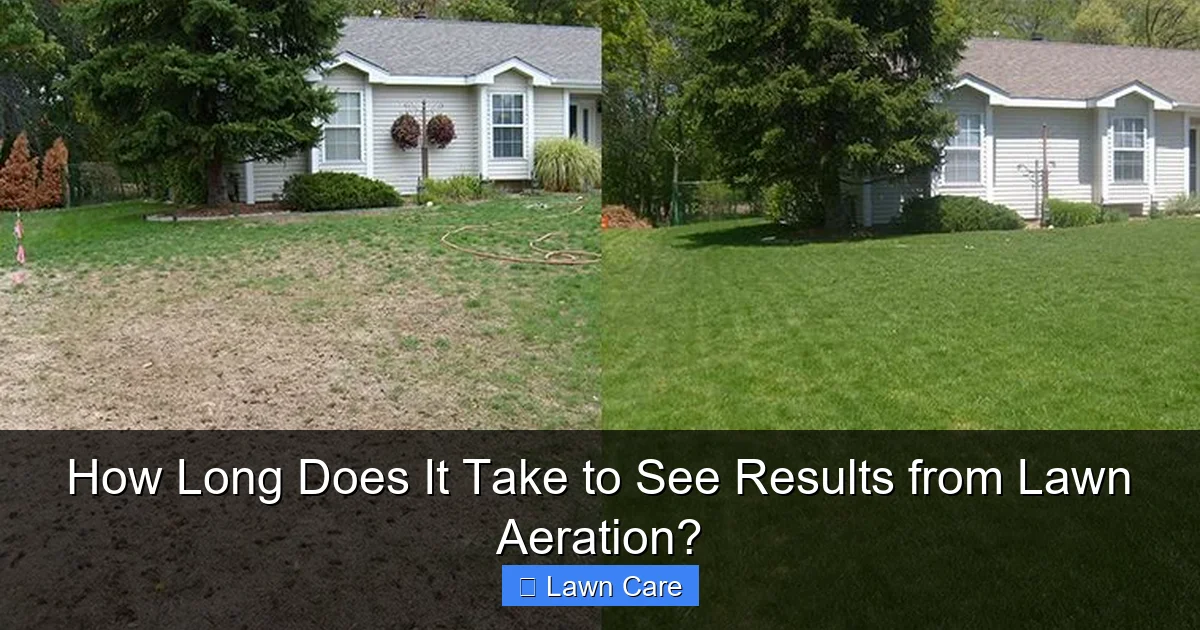
This is often when the most noticeable changes start to become apparent. Within about three to six weeks after aeration, you should start to see a more significant improvement in your lawn’s overall health and appearance.
What to look for between 3-6 weeks:

Visual guide about How Long Does It Take to See Results from Lawn Aeration?
Image source: thegrassoutlet.com
- Enhanced Green Color: The grass blades may appear a richer, more vibrant green. This is because the roots are now getting the resources they need to thrive.
- Increased Density: You might notice that your grass looks thicker and fuller. This is due to improved root development and potentially new grass growth encouraged by the aeration.
- Reduced Bare Spots: If you had any thin or bare patches, you might see them starting to fill in as the grass becomes more vigorous.
- Improved Stress Tolerance: Your lawn might seem to bounce back more quickly from minor stresses like heat or light foot traffic.
This period is exciting because you can visually confirm the positive impact of aeration. It’s the payoff for your efforts and the lawn’s hard work. If you’re also fertilizing after aeration, these results can be even more pronounced. For those growing specific types of grass, this is also a good time to see how they are establishing; for example, if you’re wondering how long does it take for Bermuda grass to grow from seed, the improved soil conditions from aeration can help it along.
The Full Benefits: 2-4 Months and Beyond
While you’ll see impressive changes within the first couple of months, the full, long-term benefits of aeration continue to develop over a longer period, typically two to four months and even longer. This is when the deeper changes in your soil and root system become truly evident.
Long-term benefits to observe:
- Deeper Root System: The most profound benefit is the development of a stronger, deeper root system. This makes your lawn much more resilient to drought, heat, and disease.
- Superior Drought Tolerance: Deeper roots can access moisture further down in the soil, meaning your lawn will need less frequent watering and will survive dry spells better.
- Increased Resistance to Pests and Diseases: A healthy, well-nourished lawn is naturally more resistant to common lawn problems.
- Better Performance Under Traffic: A lawn with a robust root system can withstand foot traffic and play more effectively without becoming bare or damaged.
- Reduced Compaction Over Time: Regular aeration helps prevent soil from becoming re-compacted, maintaining optimal soil conditions year after year.
Think of this stage as your lawn reaching its peak health and maturity thanks to the aeration. It’s not just about looks; it’s about building a truly robust and sustainable lawn. If you’re working with specific grass types, understanding their growth cycles alongside aeration is key. For instance, knowing how long does it take for perennial ryegrass to grow can help you time your aeration for optimal synergy.
Factors That Influence the Timeline
As you can see, there isn’t a single, definitive answer to “how long does it take to see results from lawn aeration.” Several factors can speed up or slow down the process. Understanding these can help you set realistic expectations.
Grass Type
Different grass types have different growth habits and respond to aeration at varying speeds.
Cool-season grasses:
- Examples: Fescue, Kentucky Bluegrass, Perennial Ryegrass.
- These grasses tend to recover and show results from aeration relatively quickly, especially when aerated during their active growing seasons (fall and spring).
Warm-season grasses:
- Examples: Bermuda Grass, Zoysia Grass, St. Augustine Grass.
- These grasses have a slower initial growth rate and often recover more slowly from dormancy. Aeration results might take a bit longer to become visually apparent, especially if done at the wrong time of year. However, aeration is still highly beneficial for them, particularly when preparing for or during their active growing period in summer. If you’re curious about how long does it take to grow Bermuda grass, aeration can contribute to healthier establishment.
Soil Condition
The condition of your soil before aeration plays a significant role.
- Highly Compacted Soil: Lawns with severely compacted soil will take longer to show results. The aeration is doing a lot of work to break down this density.
- Looser Soil: If your soil is already relatively healthy and not overly compacted, you’ll likely see improvements sooner.
- Soil Type: Clay soils can be prone to compaction and may take longer to respond than sandy soils.
Time of Year
Aerating during your grass’s peak growing season is crucial for seeing fast and effective results.
- Active Growing Season: For cool-season grasses, this is typically spring and fall. For warm-season grasses, it’s late spring through summer.
- Dormant Periods: Aerating when the grass is dormant or stressed (e.g., during extreme heat or cold) will yield slower results, as the grass isn’t in a condition to readily take advantage of the improved soil conditions.
Weather Conditions
Consistent, favorable weather after aeration can accelerate results.
- Adequate Moisture: Regular rainfall or consistent watering helps the soil settle and encourages grass growth.
- Moderate Temperatures: Ideal growing temperatures allow the grass to utilize the improved soil conditions effectively. Extreme heat or cold can slow down recovery.
Post-Aeration Care
What you do after aerating makes a big difference!
- Watering: Proper watering is essential. Water deeply and less frequently to encourage deep root growth.
- Fertilizing: Applying a balanced fertilizer after aeration (but not immediately before, as it can burn stressed roots) can provide the nutrients needed for vigorous regrowth.
- Mowing: Continue to mow at the appropriate height for your grass type.
- Avoiding Heavy Traffic: Try to minimize heavy foot traffic on the lawn for a few weeks after aeration to allow the grass to establish.
Tips to Maximize Your Aeration Results
To ensure you see the best and fastest results from your lawn aeration efforts, consider these tips:
- Choose the Right Time: Aerate when your grass is actively growing. This is critical for quick recovery and visible improvements.
- Water Wisely: Water deeply after aeration, and continue with a proper watering schedule. Avoid frequent, shallow watering, which encourages shallow roots.
- Feed Your Lawn: Apply a quality fertilizer a week or two after aeration, following package instructions. This provides the building blocks for stronger growth.
- Overseed (If Necessary): If you have bare patches, consider overseeding with a high-quality grass seed after aeration. The newly created holes provide an ideal environment for seed-to-soil contact. You might want to research how long does it take for grass seed to germinate to gauge your overseeding success.
- Control Weeds: Address any weed problems promptly. Weeds compete with your grass for resources.
- Be Patient and Consistent: Remember that lawn care is a marathon, not a sprint. Consistent, proper care will yield the best long-term results.
Conclusion
So, how long does it take to see results from lawn aeration? While you might observe subtle improvements within a week or two, expect to see noticeable greener and thicker grass within three to six weeks. The most significant, long-term benefits, like enhanced drought tolerance and a robust root system, will develop over two to four months and beyond.
By understanding the factors that influence this timeline – your grass type, soil condition, the time of year, weather, and post-aeration care – you can optimize your strategy. Aeration is a foundational step towards a healthier, more resilient lawn, and with a little patience and consistent care, your efforts will certainly pay off in a beautiful, thriving green space.
Frequently Asked Questions
What is lawn aeration and why is it important?
Lawn aeration is a process that involves removing small plugs of soil from your lawn, creating holes that allow air, water, and nutrients to penetrate the soil more easily. This is important because it combats soil compaction, which can sufficate grass roots and hinder healthy growth.
How long do the soil plugs from aeration last on my lawn?
The soil plugs that are pulled up during aeration are typically left on the lawn to break down naturally. They usually disappear within one to two weeks, especially with the help of rain or by being worked back into the soil during mowing.
Can I see results from aeration if my lawn has bare spots?
Yes, aeration can significantly help lawns with bare spots. The holes created by aeration provide an excellent seed-to-soil contact for overseeding, giving new grass seeds a much better chance to germinate and establish successfully.
Is there a specific type of grass that benefits more from aeration?
All types of grass benefit from aeration, but cool-season grasses like fescue and ryegrass often show a more rapid visible response to aeration compared to warm-season grasses like Bermuda or Zoysia, especially when aerated during their active growing periods.
What are the signs that my lawn needs aeration?
Signs that your lawn needs aeration include compacted soil that feels hard underfoot, water pooling on the surface after rain or watering, thin or sparse grass growth, and a thick layer of thatch. These indicate that air and water are not penetrating the soil effectively.
How does aeration affect my lawn’s ability to withstand foot traffic?
Aeration significantly improves a lawn’s ability to withstand foot traffic. By loosening compacted soil and encouraging deeper root growth, the grass becomes more resilient and less likely to be damaged or worn down by people walking or playing on it.