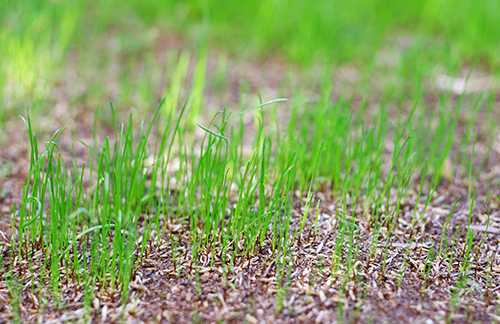
Grass seed typically takes about 7 to 30 days to germinate, depending on various factors like the type of grass, temperature, and moisture levels. If you’re eager to see a lush green lawn, understanding this timeline can help you plan accordingly. The germination process is crucial for establishing a healthy lawn, and while some types of grass may sprout quickly, others require a bit more patience. The key is to provide the right conditions—adequate water, suitable temperature, and appropriate soil. In this article, we’ll delve deeper into the factors that influence grass seed germination, helping you become more informed about what to expect as you nurture your new lawn.

“`html
How Long Does It Take for Grass Seed to Germinate?
Germination is a fascinating process where seeds transform into young plants. For grass, this journey is crucial for a lush lawn. Typically, grass seed germination can take anywhere from 5 to 30 days, depending on several factors. Understanding these factors can help you nurture your grass effectively.
Factors Affecting Germination Time
Several key factors influence how long it takes for grass seed to germinate. These factors include:
- Seed Type: Different grass species have varying germination rates. Some varieties sprout quickly, while others take time.
- Temperature: Soil temperature plays a significant role. Most grass seeds germinate best between 65°F and 75°F.
- Moisture: Seeds require consistent moisture to germinate. Too little or too much water can hinder the process.
- Soil Condition: Well-aerated, nutrient-rich soil encourages germination.
- Light Exposure: Some seeds need light to germinate, while others thrive in darkness.
Understanding these factors can help you achieve a lush, green lawn.
Types of Grass Seeds and Their Germination Periods
Let’s take a closer look at various grass seeds and how long each type typically takes to germinate.
Cool-Season Grasses
These grasses thrive in cooler temperatures. They generally germinate within 7 to 14 days.
- Kentucky Bluegrass: 14 to 30 days
- Perennial Ryegrass: 5 to 10 days
- Tall Fescue: 7 to 12 days
Warm-Season Grasses
Warm-season grasses prefer heat and do their best in warmer climates. Their germination period is typically between 7 and 21 days.
- Bermudagrass: 7 to 12 days
- Zoysiagrass: 14 to 21 days
- Buffalograss: 7 to 10 days
Choosing the right type of grass for your climate can affect your lawn’s success.
Soil Preparation and Its Importance
Preparing your soil is essential for successful germination. Here are some steps to follow:
- Test Your Soil: Understand the pH and nutrient levels.
- Clear the Area: Remove weeds, rocks, and debris.
- Till the Soil: Loosen the soil to promote aeration.
- Add Organic Matter: Mix in compost to enhance nutrients.
Properly prepared soil creates an ideal environment for grass seeds to thrive.
Watering Techniques
Watering is crucial for germinating grass seeds. Here are some best practices:
- Keep Soil Moist: Water lightly but regularly to maintain moisture.
- Avoid Overwatering: Too much water can drown seeds.
- Use a Spray Nozzle: This allows for gentle watering without washing seeds away.
Establishing a consistent watering routine is key to successful germination.
Temperature: The Ideal Range
Temperature impacts germination significantly. Grass seeds typically germinate best within the following ranges:
- Cool-Season Grasses: 60°F to 75°F
- Warm-Season Grasses: 70°F to 95°F
Monitoring soil temperature can help you determine the best time for planting.
Light Requirements for Germination
Grass seeds have different light needs:
- Light-Dependent Seeds: Some require light to germinate, like fine fescues.
- Dark-Dependent Seeds: Others, like tall fescue, can germinate in darkness.
Ensuring seeds receive the right amount of light is crucial for optimal growth.
Signs of Germination
After planting, you might wonder how to tell if your seeds are germinating. Look for these signs:
- Seedling Emergence: Tiny green shoots breaking through the soil.
- Root Growth: Roots growing downward into the soil.
- Soil Disturbance: The soil may shift slightly as seeds push through.
Recognizing these early signs can give you confidence in your lawn care efforts.
Common Mistakes to Avoid
Here are some common mistakes to watch out for:
- Overwatering: Leads to seed rot.
- Planting Too Deep: Grass seeds should only be lightly covered.
- Poor Timing: Planting at the wrong time can delay germination.
Avoiding these pitfalls can help you nurture healthy grass.
Time to Mow
Once your grass seeds have germinated, patience is essential. Allow them to grow to about 3 inches tall before you mow:
- First Mow: Mow at the correct height for the grass type.
- Frequency: Mow regularly to encourage healthy growth.
Maintaining your lawn after germination is essential for its longevity.
Fertilization After Germination
Applying fertilizer after germination can enhance growth:
- Timing: Fertilize a few weeks after the grass emerges.
- Type of Fertilizer: Use one high in phosphorus to promote root growth.
Proper fertilization will create a robust and vibrant lawn.
Overall, understanding how long it takes for grass seed to germinate is important for a healthy, lush lawn. By considering factors such as seed type, soil preparation, watering techniques, and proper timing, you can ensure a successful growing experience. Nurturing your grass from seed to maturity is not just about following steps; it’s about creating an environment where your grass can flourish. Happy gardening!
“`
How Long Does It Take Grass Seed To Germinate In The Spring?
Frequently Asked Questions
What factors influence the germination time of grass seed?
The germination time of grass seed can vary based on several factors, including the type of grass, soil temperature, moisture levels, and the quality of the seed. For instance, cool-season grasses typically germinate faster in cooler temperatures, while warm-season grasses thrive in warmer conditions. Additionally, consistent moisture in the soil significantly aids in quicker germination.
Can I speed up the germination process for grass seed?
You can take several steps to encourage faster germination of grass seed. Ensure the soil is adequately prepared by aerating and removing debris. Water the area consistently to maintain moisture, but avoid overwatering, which can drown the seeds. Using a starter fertilizer can also provide the necessary nutrients to support quicker growth.
What is the ideal temperature range for grass seed germination?
The ideal temperature range for germinating grass seed varies between species. Generally, cool-season grasses germinate best between 50°F and 65°F (10°C to 18°C), while warm-season grasses prefer temperatures between 70°F and 85°F (21°C to 29°C). Monitoring soil temperature can help you determine the best time for planting.
How do soil conditions affect grass seed germination?
Soil conditions play a crucial role in grass seed germination. Well-aerated, loose soil allows seeds to establish roots more easily, while compacted or heavy clay soils can hinder growth. Additionally, soil pH and nutrient levels influence seed development, so testing the soil and amending it as necessary can lead to better results.
Is it necessary to cover grass seed after planting?
Covering grass seed after planting can help retain moisture and protect the seeds from birds and other pests. A light layer of soil, mulch, or straw can provide the necessary protection while helping to maintain consistent moisture levels. However, avoid burying the seeds too deeply, as this can prevent them from reaching the surface.
Final Thoughts
Grass seed typically takes 7 to 14 days to germinate, depending on the type of grass and environmental conditions. Factors such as temperature, moisture, and soil quality significantly influence this timeline.
Cool-season grasses tend to germinate faster in cooler temperatures, while warm-season grasses thrive in warmer conditions. Understanding how long does it take for grass seed to germinate enables you to plan your lawn care effectively and ensure a healthy growth.