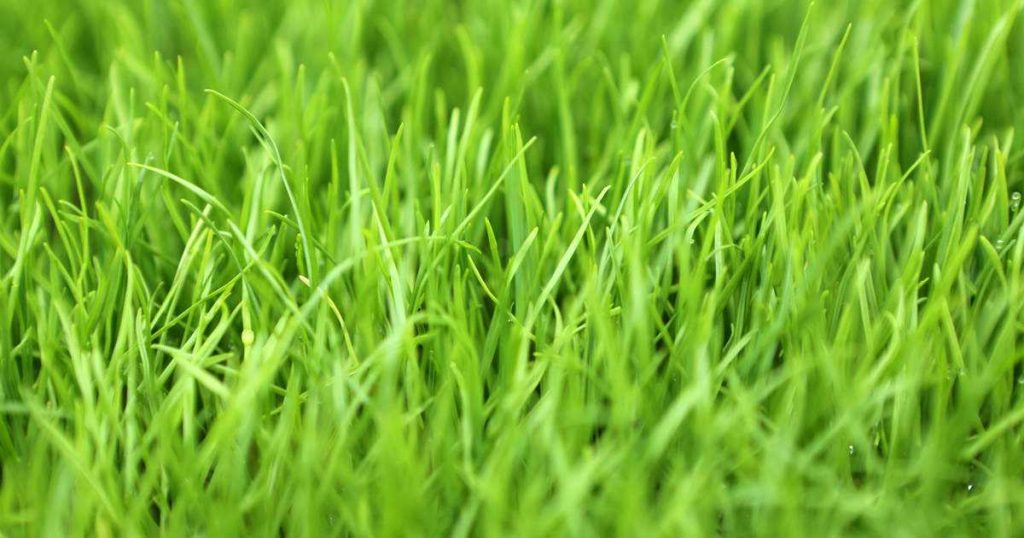
Yes, perennial ryegrass is considered a cool season grass. It thrives in cooler temperatures and is commonly used for lawns, pastures, and sports fields in temperate regions.
Perennial ryegrass is indeed a cool season grass, meaning it flourishes during the cooler months of spring and fall. This grass is popular for its quick germination, lush green appearance, and endurance in temperate climates. If you’re considering it for your lawn or pasture, understanding its growth cycle can help you maintain a healthy, vibrant landscape year-round. This grass is well-suited for cooler weather but may struggle during hot, dry summers, requiring proper care and sometimes overseeding with warm-season grasses for year-round color. Its adaptability and rapid growth make it a favorite among landscapers and farmers alike.

Is Perennial Ryegrass a Cool Season Grass?
Understanding Perennial Ryegrass
Perennial ryegrass is a popular turfgrass known for its quick germination and lush green appearance. It is widely used in lawns, sports fields, and pastures due to its fast establishment and durability. This grass type belongs to the Lolium perenne species and is favored for its fine texture and high-quality forage.
What Are Cool Season Grasses?
Cool season grasses grow best in cooler temperatures typically between 50°F and 75°F. They are active mainly during fall, winter, and spring. These grasses tend to go dormant or slow down during hot summer months, conserving energy until cooler weather returns.
Is Perennial Ryegrass a Cool Season Grass?
Yes, perennial ryegrass is classified as a cool season grass. It thrives in regions where temperatures are mild to cool, making it ideal for planting in fall or early spring. Its growth pattern aligns closely with other cool season grasses like Kentucky bluegrass and fine fescues.
Growth Cycle and Seasonal Performance
Perennial ryegrass germinates rapidly, often within a week of planting, which helps establish a quick green carpet. During cooler months, it maintains vibrant green color and active growth. However, in hot summer conditions, it may struggle and become dormant without proper care.
Optimal Temperature Range
Perennial ryegrass performs best when temperatures are between 55°F and 75°F. It tolerates some frost and can stay green during mild winter conditions. When temperatures drop significantly below freezing, growth slows or stops altogether.
Survivability During Winter
This grass can survive in winter under certain conditions, especially if the winter temperatures are not extreme. Its quick germination and cold tolerance make it a popular choice for overseeding lawns in cooler climates.
Comparison with Other Cool Season Grasses
Knowing how perennial ryegrass stacks up against relatives can aid in choosing the right turfgrass for your needs.
| Grass Type | Cold Tolerance | Growth Rate | Maintenance Needs | Best Use |
|---|---|---|---|---|
| Perennial Ryegrass | Moderate to high | Rapid | Moderate | Lawns, sports fields, overseeding |
| Kentucky Bluegrass | High | Moderate | Moderate to high | Lush lawns, golf courses |
| Fine Fescue | High | Slow to moderate | Low | Shaded lawns, low-maintenance areas |
Advantages of Perennial Ryegrass in Cooler Weather
Perennial ryegrass offers several benefits when grown during cool seasons. Its quick germination allows for rapid turf establishment, making it a top choice for overseeding. Additionally, it provides excellent wear tolerance and helps repair damaged or thin turf areas.
Durability and Wear Tolerance
This grass type can withstand heavy foot traffic, which makes it suitable for sports fields and high-use lawns. Its dense growth habit minimizes soil erosion and reduces weed invasion.
Ease of Establishment
Seeds germinate within a week, reducing the time needed to develop a healthy lawn. This quick growth is especially beneficial for overseeding existing grass or fixing patchy areas.
Limitations of Perennial Ryegrass as a Cool Season Grass
While perennial ryegrass is a cool season grass, it does have limitations. Its tendency to go dormant under long, hot, or drought conditions can cause yellowing or thinning turf. Moreover, it may require more frequent watering and fertilization during active growth periods.
Temperature Sensitivity
Extreme heat can cause perennial ryegrass to become stressed and decline in quality. It is less tolerant of sustained high temperatures compared to other cool season grasses like Kentucky bluegrass or fine fescues.
Susceptibility to Diseases
In cool, damp conditions, perennial ryegrass can be prone to fungal diseases such as brown patch or leaf spot. Proper maintenance and fungicide applications can help prevent outbreaks.
Growing Perennial Ryegrass in Different Climates
The success of perennial ryegrass largely depends on local climate conditions. It adapts well to USDA zones 3 through 7, where summers are not excessively hot and winters are not extremely cold.
Planting in Cooler Regions
In cooler climates, perennial ryegrass thrives as a main lawn grass or overseeding option. It benefits from early fall planting, with ongoing watering to support establishment.
Growing in Mild Winters
In areas with mild winters, perennial ryegrass can be kept active year-round, providing consistent green coverage. Regular fertilization and watering help maintain its vigor.
How to Care for Perennial Ryegrass During Cool Seasons
Proper maintenance practices extend the lifespan and appearance of perennial ryegrass in cool seasons.
Watering
Ensure the soil stays moist but not waterlogged. Deep, infrequent watering encourages strong roots and resilience during dry spells.
Fertilization
Apply a balanced fertilizer tailored for cool season grasses during fall and early spring. This supports healthy growth and vibrant color.
Addressing Disease and Pest Issues
Monitor for fungal diseases and pests regularly. Proper mowing height, good air circulation, and fungicide use help prevent problems.
Mowing
Mow at 2 to 3 inches to avoid stressing the grass. Regular mowing promotes dense growth and prevents thatch buildup.
Related Topics and Additional Uses
Perennial ryegrass is not only used for lawns but also plays a vital role in other applications.
Overseeding for a Green Winter Lawn
Many homeowners overseed with perennial ryegrass in fall to maintain a green lawn through winter months when warm season grasses go dormant.
Pasture and Forage Use
Farmers value perennial ryegrass for pasture mixings, as it provides nutritious forage during cooler seasons.
Sports Field Maintenance
Its durability makes it the grass of choice for sports fields where high wear occurs throughout the year, especially in regions with mild winters.
Perennial ryegrass is indeed a **cool season grass** that performs best in cooler, mild climates. It germinates quickly, stays green during fall and spring, and handles foot traffic well. However, it requires proper care during hot and drought conditions to prevent dormancy or decline. When grown in suitable climates, it offers a lush, resilient, and low-maintenance turf option for lawns, sports fields, and overseeding projects.
Perennial Ryegrass Pros and Cons
Frequently Asked Questions
Does perennial ryegrass thrive mainly during cooler months?
Perennial ryegrass tends to perform best during the cooler months of the year. It is known for its rapid germination and growth when temperatures are moderate to cool, making it an ideal choice for establishment in spring and fall. During warmer summer months, the grass can struggle with heat stress, which may lead to reduced growth or dormancy in some regions.
How does perennial ryegrass respond to temperature fluctuations throughout the year?
Perennial ryegrass actively grows when temperatures range between 50°F and 75°F (10°C and 24°C). When temperatures rise above this range, especially during hot summer days, the grass may enter a state of dormancy or experience stress. Conversely, in colder winter temperatures, especially in regions with harsh climates, its growth rate slows down significantly, although it can survive in a dormant state until conditions improve.
In which types of climates does perennial ryegrass perform best?
Perennial ryegrass performs best in regions with mild, temperate climates that experience cool to moderate temperatures. It adapts well to areas with distinct seasons and avoids extreme heat or cold. In areas with harsh winters or intense summer heat, gardeners often combine it with other grass varieties to ensure year-round coverage and health.
Can perennial ryegrass be used effectively for overseeding in cool seasons?
Yes, perennial ryegrass is an excellent choice for overseeding purposes during cooler seasons. Its rapid germination helps establish a dense turf quickly, which can outcompete weeds and improve the overall appearance of the lawn. This makes it a popular option for overseeding warm-season grasses in fall or early spring to maintain lush green lawns in cooler periods.
What are the main considerations when planting perennial ryegrass in areas with seasonal temperature swings?
When planting perennial ryegrass in areas with significant seasonal temperature variations, ensure you select cultivars suited to your climate. Proper soil preparation, adequate watering, and regular maintenance help the grass withstand temperature changes. Additionally, consider combining perennial ryegrass with other grass types to provide resilience against cold winters or summer heat, ensuring a healthy, enduring lawn year-round.
Final Thoughts
Perennial ryegrass thrives in cooler seasons and prefers moderate temperatures. It germinates quickly and offers dense, lush lawns, making it popular for cool-season grasses.
Its adaptability to changing weather conditions helps it stay healthy through the year.
Is perennial ryegrass a cool season grass? Yes, it primarily grows well during cooler months and remains resilient in such conditions.