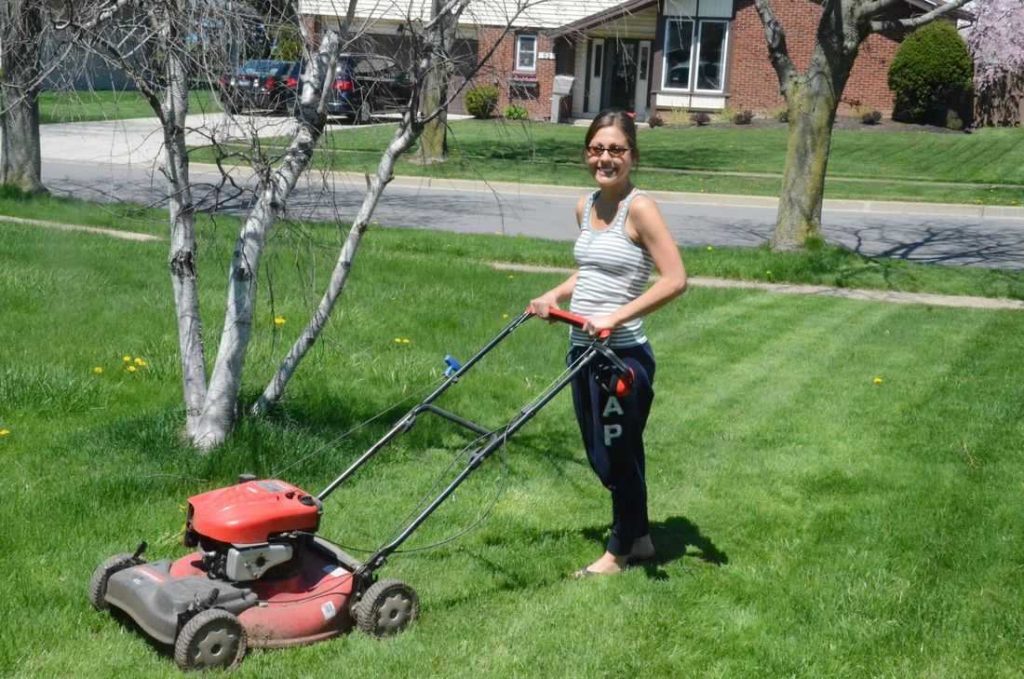
The best time to mow your lawn is when the grass is dry, about 2-3 inches tall, and no earlier than when the grass has fully recovered from any recent rains or frost. Mowing too early can harm the grass and promote disease, so patience is key.
In short, the earliest you should mow is once the grass has grown to a height of around 3 inches and is dry enough for a clean cut. Avoid mowing immediately after rain or early in the morning when dew is still present. Waiting until conditions are optimal ensures a healthier lawn and a cleaner mow.
Jumping the gun on mowing can seem tempting, especially when spring arrives and your yard looks overgrown. However, rushing to cut the grass before it’s ready can damage the grass blades, hinder growth, and invite pests or disease. The key is to give your lawn time to grow enough to withstand the cut and to ensure it’s dry enough for a tidy job. Knowing when to mow not only keeps your yard looking polished but also promotes stronger, healthier grass in the long run.

How Early Is Too Early to Mow the Lawn
Understanding the Growth Cycle of Grass
Grass goes through different growth phases throughout the year, and knowing these phases helps determine the right time to mow. During the spring, grass begins to grow actively after dormancy, which is the ideal time to start mowing. If you cut the grass too early, before it has started growing, you risk damaging the roots and stressing the lawn.
In the summer, grass continues its growth but can become stressed from heat and drought. Mowing during this time should be carefully timed to avoid harming the grass. In autumn, grass growth slows down, and mowing should be adjusted accordingly to prepare for winter dormancy. Understanding these cycles helps homeowners avoid mowing too early, which can weaken the lawn or cause uneven growth.
Signs That Your Lawn Is Ready for Mowing
Before mowing, look for specific signs that show your grass is ready. The grass has usually grown to a height of 3 to 4 inches, making it suitable for trimming. When the grass is slightly taller than your desired cutting height, it’s the right time to mow.
Another indicator is that the grass blades are firm and stand upright. If the lawn looks patchy or has brown patches, it might be too early or too late to mow. Waiting for these signs ensures you are mowing at the right time, promoting healthy and lush grass.
The Risks of Mowing Too Early
Mowing too early in the season can lead to several problems for your lawn. Cutting grass during the initial growth stage can weaken young shoots and stunt overall development. It also leaves the grass vulnerable to weeds and pests since it’s less resilient.
Excessively early mowing can cause scalping, where you cut grass too short and expose the roots. This can lead to soil erosion and make your lawn more susceptible to disease. Additionally, it can disturb the soil temperature, affecting the grass’s ability to recover from winter damage.
Impact on Grass Health
When you mow too early, the grass hasn’t established enough roots to handle regular cutting. This weakens the plant and can lead to brown patches or patchy growth. Healthy grass should be cut at the right height, which varies depending on the type of grass you have.
For most common grass types like Kentucky bluegrass, fescue, and perennial ryegrass, the ideal mowing height is usually between 2.5 and 3.5 inches. Mowing below this height too early can cause stress and make the lawn more prone to diseases.
Effects on Soil and Root Development
Early mowing can disturb the natural development of roots and soil. When grass is cut prematurely, the roots may not have fully developed, leading to weak anchoring in the soil. This makes your lawn less resistant to drought and heat.
Furthermore, cutting the grass too short can compact the soil surface, reducing air circulation and water absorption. Proper timing and mowing height are essential to promote deep root growth and healthy soil conditions.
Ideal Timing for Mowing in Different Climates
Climate plays a significant role in determining when you should start mowing. In colder regions, grass may not start growing until late spring, usually around late April or May. In warmer zones, the growth may begin as early as March.
In humid areas, grass tends to grow faster, so mowing can start sooner. Conversely, in dry or arid regions, you might need to wait longer to prevent stressing the lawn. Consulting local gardening guides or lawn care experts can help you identify the perfect timing based on your climate zone.
Early Spring Mowing Guidelines
In early spring, wait until the grass reaches about 3 inches in height before mowing. This gives the grass enough time to recover from winter dormancy. If the ground is still frozen or muddy, it’s best to wait until the soil thaws and dries.
Start with a higher mowing setting, such as 3.5 inches, to avoid cutting too low initially. Gradually decrease the height over subsequent mowings as the grass grows stronger. This approach helps prevent stress injuries and promotes vigorous growth.
Mowing in Warm vs. Cooler Climates
Warm climate regions may require mowing earlier in the season since grass begins growing sooner. In these areas, mowing may start in late March or early April.
In cooler climates, waiting until late April or early May is better, especially if the lawn still shows signs of winter dormancy. Adjust your mowing schedule based on local temperature patterns and grass growth rates to keep the lawn healthy.
Seasonal Considerations for Mowing
Throughout different seasons, mowing practices should adapt to changing grass conditions. In spring, start with taller cuttings to avoid stressing the lawn. During summer, maintain a consistent mowing height to protect the grass from heat stress.
In late fall, cut the grass slightly shorter to prevent snow mold and prepare the lawn for winter. Regularly monitoring your lawn’s growth and adjusting your mowing timing will ensure it remains healthy year-round.
Early Spring vs. Late Spring Mowing
Early spring mowing should be cautious to avoid damaging tender shoots. Waiting until the grass reaches a certain height helps prevent scalping. Late spring mowing can be more aggressive, but always keep the grass at the recommended height for your grass type.
Timing your first mow properly supports root health and minimizes weed invasion. As the season progresses, regular clipping encourages dense, even growth.
Preparing Your Lawn for Summer and Fall
In summer, mow frequently but never cut more than one-third of the grass height at a time. This prevents over-stressing the lawn during hot, dry periods. In autumn, gradually lower the mowing height to prepare the lawn for winter dormancy.
Proper seasonal mowing schedules contribute to a resilient, lush lawn that withstands seasonal changes and pests.
Related Topics
Understanding when to fertilize your lawn, watering schedules, and aeration techniques can further enhance your mowing routine.
- Best Fertilizer Timing: Applying fertilizer at the right time supports healthy growth and recovery from mowing stresses.
- Watering Tips: Proper watering complements mowing practices, especially during early spring when grass begins to grow.
- Aeration Benefits: Aerating the soil helps air, water, and nutrients reach the roots, promoting a healthy lawn.
Maintaining a lawn involves coordinated care strategies. Knowing the right time to mow, based on grass growth and season, is crucial for a vibrant, healthy yard.
By paying attention to grass health indicators and environmental cues, you can avoid mowing too early and ensure your lawn thrives all season long.
How early is too early to mow your lawn on the weekend?
Frequently Asked Questions
Is it acceptable to mow the lawn early on weekends?
It depends on your neighborhood and local noise regulations. Generally, mowing early on weekends is acceptable if it does not disturb neighbors and complies with community guidelines. To maintain good relations, consider starting no earlier than 8 or 9 a.m., especially during weekends when people might sleep in.
What are the best times of day to mow the lawn during spring?
The ideal times are late morning or early afternoon when the grass is dry and the temperature is comfortable. Avoid early mornings when dew is still on the grass, making the mower slide, or late evenings to prevent noise disturbances. Mowing during these periods helps keep your lawn healthy and your neighborhood peaceful.
How can early mowing affect the health of my grass?
Mowing too early, especially when the grass is wet or under stress from weather conditions, can damage the blades and hinder growth. It may lead to uneven cuts, increased susceptibility to disease, or stress on the grass. Allow the grass to dry completely and avoid mowing during extreme weather to promote a healthy lawn.
Are there any rules for mowing during holidays or special occasions?
Many communities have restrictions about noise during holidays or special events. Check your local regulations or homeowners’ association rules to see if there are specific time limits. Generally, it’s considerate to mow before the festivities start or after they end, avoiding early morning or late evening mowing during these times.
What factors should I consider before deciding to mow early in the morning?
Assess your local noise ordinances, your neighbors’ habits, and the weather conditions. Morning dew can make mowing messy, so it’s better to wait until the grass dries. Consider how early is too early for your community, and ensure your mower operates quietly enough not to disturb others.
Final Thoughts
Knowing when to mow your lawn can make a big difference in its health and appearance. Mowing too early can damage new grass and hinder growth. Wait until the grass reaches about 3 inches before mowing.
How early is too early to mow the lawn? It depends on weather and grass type, but generally, avoid mowing before the grass is well-established. Being patient ensures a lush, healthy yard in the long run.