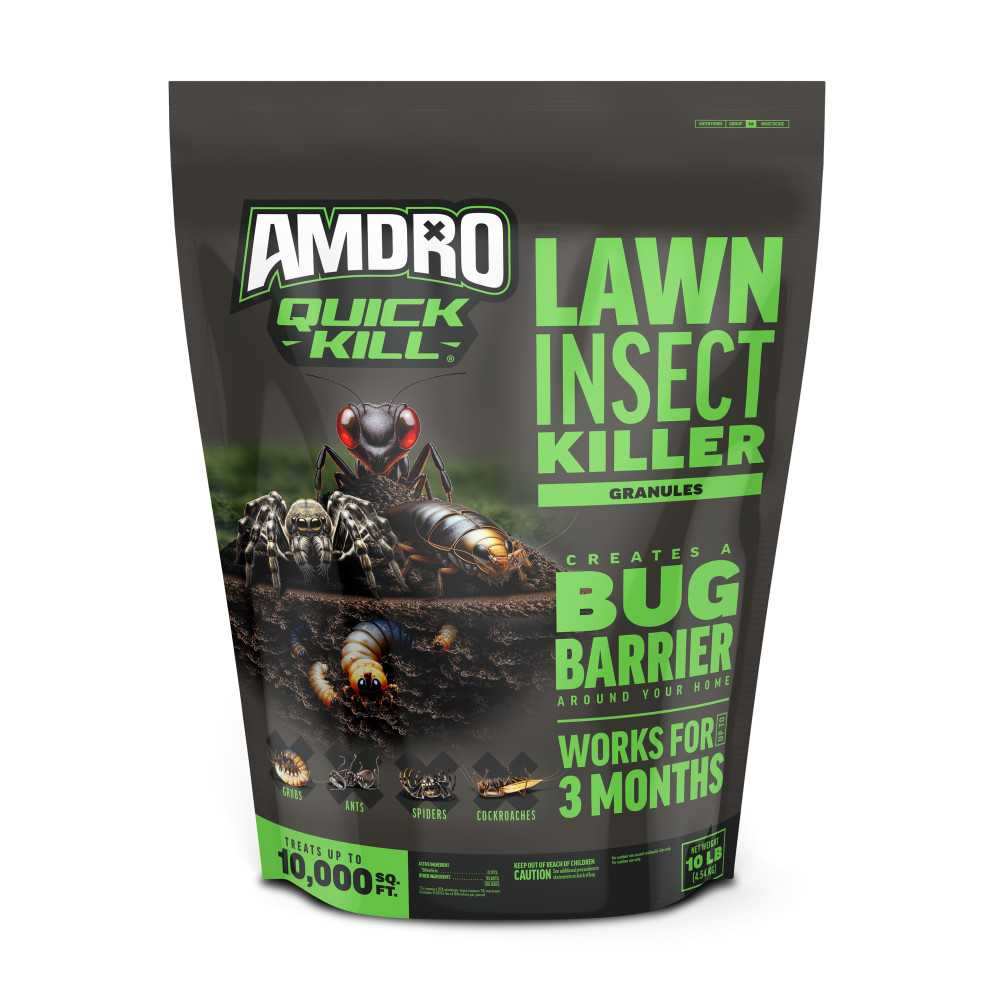
Lawn insect killers work by attracting and eliminating pests such as ants, beetles, and grubs quickly and efficiently. They often use a combination of bait, contact poisons, or residual insecticides to keep your yard pest-free. When insects come into contact with or ingest the product, they are poisoned, which helps reduce their population and protect your lawn.
In short, lawn insect killers attract pests using bait or sprays that either poison insects directly or eliminate them upon contact. These products work by disrupting the pests’ nervous systems or feeding behaviors, ensuring your lawn stays healthy and pest-free.
Maintaining a lush, green lawn requires more than just watering and mowing—controlling pests is key to preventing damage and ensuring your outdoor space remains inviting. Lawn insect killers are essential tools for homeowners looking to combat the tiny invaders that threaten their yard’s beauty. These products come in various forms, including sprays, granules, and bait stations, designed to target specific pests effectively. Understanding how they work can help you choose the right treatment for your yard, providing a safer, pest-free environment so you can enjoy your outdoor space without worries.

How Does Lawn Insect Killer Work
Understanding the Role of Insecticides in Lawn Care
Insecticides are chemicals used to control or eliminate pests on lawns. They work by targeting specific insects that damage grass or plants. These products help keep your lawn healthy and free from annoying or harmful bugs.
Types of Lawn Insect Killers
There are two main types of insect killers: contact insecticides and systemic insecticides.
Contact insecticides work instantly when insects come into direct contact with the chemical.
Systemic insecticides are absorbed by the grass or plants, making the entire area toxic to pests that feed on it.
How Contact Insecticides Work
Contact insecticides act quickly by damaging the nerve tissues of pests.
Once an insect touches the chemical, it experiences paralysis or death within hours.
These are ideal for quick pest control but may require multiple applications if pests return.
How Systemic Insecticides Work
Systemic insecticides are absorbed through the roots of grass or plants.
They circulate through the plant’s tissue, making the entire plant toxic to insects feeding on it.
This method provides long-lasting protection and is especially effective against root-feeding pests.
The Science Behind Insect Killer Active Ingredients
Understanding active ingredients helps clarify how lawn insect killers work.
Common ingredients include pyrethroids, neonicotinoids, and organophosphates.
Pyrethroids interfere with insect nerve signals, causing paralysis.
Neonicotinoids target insects’ nervous systems, leading to death after feeding.
Organophosphates inhibit enzymes essential for insect nerve function, causing paralysis and death.
Application Methods of Lawn Insect Killers
Insect killers are applied using various methods depending on the product.
Sprays are the most popular for quick coverage and easy use.
Granular formulas are spread across the lawn and often require watering to activate.
Liquid concentrates may be diluted and sprayed using specialized equipment.
When and How to Apply Lawn Insect Killer
Applying at the right time enhances effectiveness.
Early morning or late evening are ideal because insects are most active then.
Always follow the manufacturer’s instructions for proper dosage and application techniques.
Safety precautions include wearing protective gear and avoiding application before rain.
Understanding the Targeted Pests
Different insect killers target specific pests like ants, grubs, fleas, or ticks.
Identify the pest before choosing a product for the best results.
Some products are broad-spectrum, dealing with multiple pests, while others are specialized.
How Lawn Insect Killers Affect the Environment
While effective, some insecticides can harm beneficial insects like bees or earthworms.
Choose environmentally friendly or organic options when possible.
Proper application and timing can minimize environmental impact.
Natural Alternatives to Chemical Insect Killers
Certain natural remedies can help control pests without chemicals.
Examples include neem oil, diatomaceous earth, and insecticidal soaps.
These options are safer for pets, children, and the environment but may require more frequent applications.
Adjusting Lawn Care Practices for Pest Prevention
Healthy lawns are less prone to pest problems.
Regular mowing, watering, and fertilizing promote strong grass.
Removing debris and thatch reduces pest hiding spots.
Monitoring pests early prevents infestations from becoming severe.
Integrating Insect Killers into a Lawn Pest Management Plan
Use insecticides as part of an integrated pest management plan.
Combine chemical treatments with cultural practices and natural controls.
This balanced approach ensures effective pest control while protecting the environment.
Precautions and Safety Tips
Always read product labels carefully.
Wear gloves, masks, and protective clothing during application.
Keep children and pets away until the product dries or settles.
Store chemicals securely out of reach of children and animals.
Long-Term Pest Control Strategies
Reducing pest populations involves ongoing lawn maintenance.
Rotate different types of insecticides to prevent resistance.
Encourage natural predators like birds and beneficial insects.
Regularly inspect your lawn and treat problems early.
By understanding how lawn insect killers work, you can choose the most effective product for your needs.
Proper application methods and timing improve results and safety.
Combining chemical treatments with good lawn care practices offers the best protection against pests.
How to Use Spectracide® Triazicide® Insect Killer For Lawns Granules
Frequently Asked Questions
What ingredients are typically found in lawn insect killers, and how do they affect insects?
Lawn insect killers usually contain active ingredients such as pyrethroids, neem oil, or insect growth regulators. These substances target insects by either disrupting their nervous systems, interfering with their growth processes, or acting as repellents. Pyrethroids quickly paralyze insects, leading to their death, while neem oil acts as a natural insecticide that affects their feeding and reproduction. Insect growth regulators prevent immature insects from developing into adults, effectively reducing pest populations over time.
How does the application process of lawn insect killers ensure effectiveness?
Applying lawn insect killers involves evenly distributing the product across the affected areas, typically using a spreader or sprayer. It’s important to follow the recommended dosage and timing to maximize effectiveness. Applying the product during calm weather conditions prevents wind drift, ensuring the insecticide reaches the targeted pests. Consistent application, especially during peak pest activity periods, helps in controlling and preventing infestations efficiently.
In what ways do lawn insect killers target specific pests without harming beneficial insects?
Many lawn insect killers are formulated to target specific pests by exploiting their unique biological vulnerabilities. For example, some products are selective and only affect insects that feed on or inhabit certain grass species or soil types. Additionally, applying these products carefully and avoiding broad-spectrum insecticides minimizes the impact on beneficial insects like bees and ladybugs. Using targeted application methods like spot treatments also reduces unintended harm to non-target insects.
Final Thoughts
Lawn insect killer works by targeting pests directly on your grass. It uses specific chemicals or natural ingredients to eliminate insects efficiently. When applied, it spreads across the lawn, reaching hidden pests beneath the surface.
Most products contain ingredients that disrupt insect nervous systems or inhibit their growth. This provides quick relief and prevents future infestations.
In conclusion, understanding how does lawn insect killer work helps you protect your yard effectively. Proper application ensures a pest-free lawn and a healthier landscape.