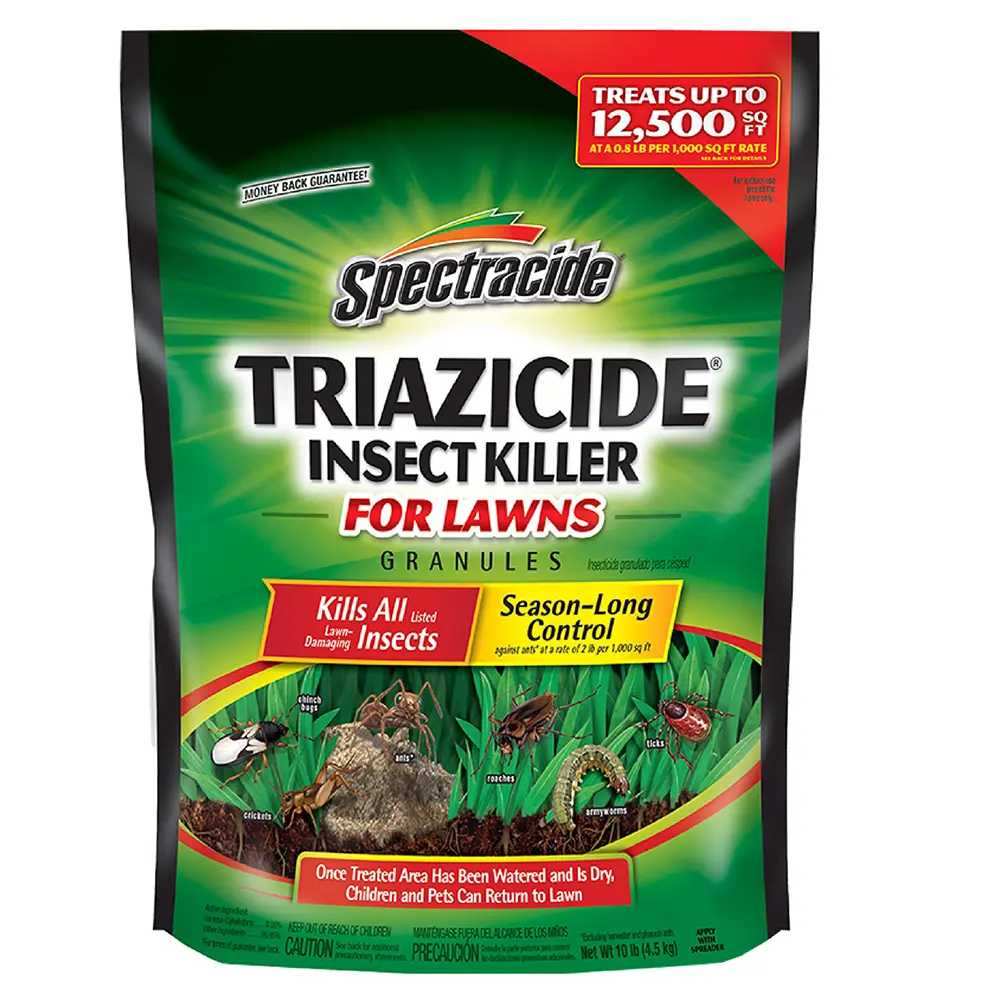
For the healthiest and most pest-free lawn, the best time to apply insect control is early spring or late fall when insects are most active or just beginning to emerge. Applying treatments when pests are most vulnerable ensures better protection and minimizes damage. Timing is everything—using the right product at the right moment can save you time, money, and a lot of frustration.
Applying lawn insect control at the right time is crucial for protecting your grass from pests like grubs, chinch bugs, and beetles. Typically, early spring and late fall are optimal because insects are either emerging or preparing to overwinter. Knowing your pests and their life cycles helps you target them effectively, keeping your lawn lush and healthy all season long. It’s about understanding those key windows when treatments will be most effective, preventing damage before it becomes a big problem.

When to Apply Lawn Insect Control: A Complete Guide
Knowing the right time to apply lawn insect control is crucial for keeping your yard healthy and free from pests. Applying treatments at the wrong time can make them less effective or even unnecessary. This guide will help you understand the best timing for insect control to protect your lawn effectively.
Understanding Lawn Insects and Their Life Cycles
To determine when to apply insect control, it’s important to understand lawn pests and how they develop. Most insects have specific life stages that make them more vulnerable to treatments.
The main stages include eggs, larvae (or nymphs), pupae, and adults. Treatments are often most effective during the larval or nymph stage when pests are actively feeding and growing.
Seasonal Timing for Lawn Insect Control
Spring
Early spring is often the best time to start controlling certain pests like sod webworms and billbugs. These pests become active as the weather warms up. Applying insect control before larvae hatch can prevent significant damage.
Look for signs of early pest activity such as small holes in the grass or patches of dead grass. Early treatment can stop pests from establishing a foothold.
Summer
Summer is the peak time for many lawn insects such as chinch bugs and grub worms. Larvae are most active during these months, feeding on roots and grass blades. Applying insecticide during this period can significantly reduce pest populations.
Monitor your lawn regularly to identify pest infestations early. Timely sprays during summer can save your lawn from extensive damage.
Fall
Fall can be the right time to target pests that lay eggs or prepare to overwinter. For example, grubs often move deeper into the soil during cooler weather but lay eggs in late summer and early fall.
Applying control measures in early fall can prevent these pests from re-emerging in spring. It also helps reduce their populations before winter sets in.
Winter
Winter is generally not the ideal time for insect control because most pests are inactive or underground. However, if you spot pests like ants or overwintering insects indoors, targeted treatments can help.
Understanding pest activity during winter helps you avoid unnecessary treatments and focus on appropriate times in other seasons.
Identifying Pest Activity and Damage
Signs That Indicate Need for Treatment
- Wilting or yellowing grass
- Uneven patches of dead grass
- Small holes or tunnels in the soil
- Presence of insects or larvae on the lawn
- Grass roots being easily pulled out
How to Monitor Your Lawn
Use a screwdriver or trowel to check the soil for grubs or larvae. Check for insects on the grass surface, especially during peak pests seasons.
Regularly inspecting your lawn will help identify pest problems early, allowing for timely intervention.
Timing Based on Pest Species
Chinch Bugs
Chinch bugs are active in hot, dry weather. Applying insect control in late spring or early summer when populations begin to grow can prevent damage. Look for brown patches and check for insects on the grass blades.
Grubs
Grubs are most active in late summer and early fall. Applying treatment during this period targets the larval stage below the surface. Use soil sampling or check for soft, easily pulled-up patches of turf to detect their presence.
Sod Webworms
Sod webworms are active during late spring and early summer. They feed mostly at night, so look for brown patches and webbing in the grass. Early treatment during their larval stage prevents extensive damage.
Billbugs
Billbugs lay eggs in the late spring. The larvae feed on the grass roots during summer, causing thinning and dead patches. Treating in early summer can curb their development.
Best Practices for Applying Lawn Insect Control
Time of Day
The best time to apply insect control is early morning or late evening when temperatures are cooler and wind is minimal. This ensures better coverage and reduces drift to unintended areas.
Weather Conditions
Avoid applying treatments before rainstorms or during high winds, as this can wash away or disperse the insecticide. Calm, dry weather increases the effectiveness of your application.
Frequency of Applications
Follow manufacturer instructions for frequency. Usually, a treatment every 4 to 6 weeks is sufficient during active pest seasons. Over-application can harm beneficial insects and the environment.
Choosing the Right Insecticide at the Right Time
Types of Insecticides
- Contact insecticides: Kill pests on contact; best used during pest outbreaks.
- Systemic insecticides: Absorbed by plants; effective against soil-dwelling pests like grubs.
- Biological controls: Beneficial nematodes or bacteria; eco-friendly options best used in early stages.
Timing for Application
Apply contact insecticides when pests are active and easy to target. Use systemic products preventatively before pests hatch or become problematic. Biological controls are most effective during early infestations.
Safety Tips and Environmental Considerations
- Always follow label instructions for application rates and timing.
- Wear protective gear to prevent exposure.
- Apply treatments during calm weather and avoid windy days.
- Store insecticides safely away from children and pets.
Using the correct timing combined with proper safety measures ensures your lawn remains healthy and pest-free without harming the environment.
Summary of Key Points
| Pest | Best Time to Treat | Signs to Watch For |
|---|---|---|
| Chinch Bugs | Late spring to early summer | Brown patches, bugs on grass blades |
| Grubs | Late summer to early fall | Weak turf, easily pulled grass |
| Sod Webworms | Late spring to early summer | Webbing, brown patches |
| Billbugs | Early summer | Thinning patches, dead turf |
Overall, timing your lawn insect control treatments based on pest life cycles, seasonal activity, and environmental conditions leads to a healthier, pest-free yard. Regular monitoring and understanding pest behavior are key to effective management.
How to Use Spectracide Triazicide for Insect Control
Frequently Asked Questions
What signs indicate it’s the right time to apply lawn insect control?
Look for signs such as irregular patches of chewed or missing grass, the presence of visible insects, or larvae in the soil. Early detection of these symptoms helps you decide when to treat your lawn before the insect population spreads extensively.
When is the best season to apply insect control on your lawn?
Apply insect control during the active growing season, typically in late spring or early summer. During this period, insects are most active and most vulnerable to treatment. Avoid applications during extreme heat or drought, as these conditions can reduce effectiveness.
How do soil conditions influence the timing of insect control application?
Moist soil enhances the effectiveness of soil-inhabiting insect treatments. Apply insect control after rainfall or irrigation, ensuring the soil is moist but not waterlogged. Avoid applying during periods of drought or when the soil is excessively dry.
At what stage of insect life cycle should I treat my lawn?
Applying treatments when insects are in their juvenile or larval stages yields the best results, as these stages are most susceptible to insecticides. Monitor your lawn for the emergence of larvae or nymphs to time your application effectively.
How can weather conditions affect the timing of insect control treatments?
Plan to treat your lawn when the weather is calm, with little to no rain forecasted. Heavy rain can wash away insecticides, reducing their effectiveness. Also, avoid applications on windy days to prevent drift and ensure safety.
Final Thoughts
Knowing when to apply lawn insect control is essential for keeping your yard healthy. Early spring and late summer are the best times to target pests before they cause extensive damage. Regular inspections help identify infestations early, reducing the need for heavy treatments. Acting at the right moments ensures your lawn stays lush and pest-free.