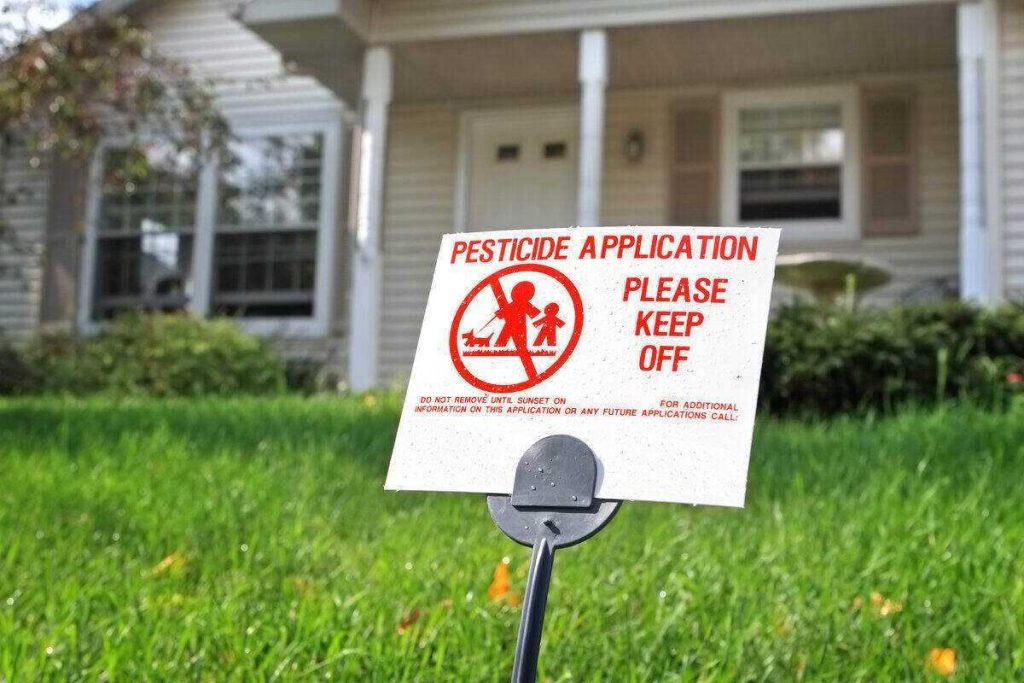
Lawn pesticides typically last between a few weeks to a couple of months, depending on the product and environmental conditions. Knowing how long they remain effective can help you manage your lawn better and avoid unnecessary applications. In most cases, pesticides remain active for about 2 to 8 weeks, but this varies based on factors like weather, soil type, and the specific chemicals used.
If you’re wondering how long lawn pesticides last, the answer depends on the product and circumstances, but generally, they provide protection for a few weeks up to two months. Monitoring your lawn and following label instructions ensures you use these chemicals safely and effectively.
When it comes to maintaining a healthy, pest-free lawn, understanding the longevity of pesticides is crucial. Many homeowners ask how long these products stay active, because applying too often can be unnecessary and harmful, while too little can leave pests unchecked. The duration of pesticide effectiveness hinges on factors like the type of chemical, application method, weather conditions, and the specific pests targeted. Some pesticides offer quick, short-term control, lasting just a few weeks, while others provide longer-lasting protection. Being aware of these timelines helps you plan your lawn care routine wisely—for effective results without overuse.

How Long Do Lawn Pesticides Last?
Understanding the Duration of Lawn Pesticides
Lawn pesticides are designed to protect grass and plants from pests and diseases. The length of time they remain effective depends on several factors. Generally, pesticides can last from a few days to several weeks. Knowing how long they stay active helps homeowners plan their lawn care effectively.
Types of Lawn Pesticides and Their Duration
There are different types of lawn pesticides, each with varying longevity. These include herbicides, insecticides, fungicides, and combined formulations.
Herbicides
Herbicides target weeds and usually last between one and three weeks. Some systemic herbicides stay active longer because they are absorbed into the plant. Others break down quickly when exposed to sunlight or rain.
Insecticides
Insecticides designed for turf pests are effective from a few days up to a month. Contact insecticides tend to last shorter periods, often a few days, while residual insecticides can protect your lawn for several weeks.
Fungicides
Fungicides are used to prevent or treat fungal diseases. Their effectiveness can last from one to four weeks, depending on the product and conditions. Preventive fungicides often have longer-lasting effects than curative ones.
Factors That Influence Pesticide Longevity
Many elements affect how long a pesticide remains active on your lawn.
Weather Conditions
Rain can wash away pesticides quickly, reducing their effectiveness. Sunshine and heat can also break down chemicals faster through sunlight exposure and evaporation.
Application Rate and Method
Applying the right amount of pesticide ensures longer-lasting protection. Over-application can lead to runoff, while under-application may not provide full coverage.
Type of Pesticide
Systemic pesticides are absorbed into the plant and last longer, while contact pesticides act on pests directly and may degrade faster.
Grass and Soil Type
Different grasses and soil compositions can influence pesticide breakdown. For instance, sandy soils drain quickly, causing pesticides to wash away faster.
How to Maximize the Effectiveness of Lawn Pesticides
To get the most from your lawn pesticides, certain practices should be followed.
Proper Timing
Apply pesticides during dry weather, avoiding rain forecasts. Early morning or late evening applications tend to be more effective.
Correct Application Techniques
Use equipment that distributes pesticides evenly. Follow the manufacturer’s instructions carefully regarding rates and methods.
Reapplication Schedule
Reapply pesticides only when necessary and within recommended intervals. Over-reapplication can harm the environment and grass.
Maintain Lawn Health
A healthy lawn resists pests better. Proper mowing, watering, and fertilization can reduce the need for frequent pesticide use.
Safety Considerations
Handling pesticides safely prolongs their effectiveness and protects your family and pets.
Reading Labels Carefully
Always follow label instructions for application, storage, and disposal. This ensures pesticides remain effective and safe.
Keeping Pesticides Away from Children and Pets
Apply pesticides when children and pets are indoors. Wait for the recommended drying time before allowing access to treated areas.
Signs That Pesticides Are No Longer Working
Knowing when a pesticide has lost its effectiveness can help you decide if reapplication is necessary.
- Reappearance of pests or weeds shortly after treatment.
- Weather conditions that may have washed away pesticides.
- Visible signs of pest damage despite recent application.
Environmental Impact and Pesticide Breakdown
Pesticides do not stay on the lawn forever. They break down through natural processes like sunlight, microbes, and rainfall.
Degradation Timeline
Most lawn pesticides degrade within a few weeks to months. Biodegradation is accelerated in warm, moist environments.
Potential for Contamination
Excess or misapplied pesticides can contaminate soil and water, making it essential to use them responsibly.
Summary of Pesticide Longevity
| Pesticide Type | Typical Duration | Influencing Factors |
|—————-|——————–|—————————————————–|
| Herbicides | 1-3 weeks | Weather, application, weed type |
| Insecticides | Few days to 4 weeks| Formulation, pests targeted, weather |
| Fungicides | 1-4 weeks | Disease severity, product strength, weather |
Additional Tips for Extended Protection
Consider combining cultural practices with pesticide use. Regular lawn maintenance can reduce pest problems and decrease pesticide dependence.
Mixing Pesticides with Other Treatments
Be cautious when combining products. Always verify compatibility to avoid reducing effectiveness.
Regular Lawn Monitoring
Inspect your lawn frequently for pests or fungal signs. Early detection can reduce pesticide use and improve results.
Use of Barrier Treatments
Barrier sprays can create a protective coating on grass, prolonging pest control effects.
The length of time lawn pesticides last varies significantly based on type, weather, application methods, and environmental conditions. Proper use, timing, and maintenance can extend the effectiveness of your treatments. Monitoring pest activity and following safety practices help keep your lawn healthy and pest-free.
How long do pesticides last? | Pest Support
Frequently Asked Questions
What factors influence the duration of lawn pesticides’ effectiveness?
The longevity of lawn pesticides depends on several factors, including the type of pesticide used, application method, weather conditions, and the time of year. For instance, rain can wash away pesticides soon after application, reducing their effectiveness. Additionally, the health of your grass and soil can affect how long the pesticide remains active. Choosing the right product and applying it under optimal conditions can help extend its effectiveness.
How does the type of pesticide affect how long it lasts on a lawn?
Different pesticides are formulated to last for varying periods. Some products are quick-acting and break down within days, while others are designed for longer-term control, lasting several weeks or even months. The active ingredients and the formulation determine how long the pesticide remains effective. Always check the product label for specific duration details to ensure proper application timing.
Can weather conditions reduce the lifespan of lawn pesticides?
Yes, weather plays a significant role in determining how long lawn pesticides stay effective. Heavy rain can wash away pesticides soon after they are applied, while intense sunlight can accelerate their breakdown. Wind can also disperse pesticides away from targeted areas. Applying pesticides on calm, dry days and avoiding rain forecasts can maximize their staying power and effectiveness.
How long should I wait before watering my lawn after applying pesticides?
Most pesticides require a waiting period before watering to allow the chemicals to settle and start working effectively. Typically, it’s best to wait at least 24 to 48 hours after application before watering your lawn. Always refer to the product label for specific instructions, as some formulations may have different watering guidelines. Proper timing ensures maximum efficacy and safety.
Are there seasonal considerations that impact how long lawn pesticides last?
Seasonal factors influence pesticide longevity, with warmer months often speeding up chemical breakdown due to increased sunlight and microbial activity. Conversely, in cooler or wetter seasons, pesticides may last longer since decomposition slows down. Adjusting application timing and choosing appropriate products for the season can help improve their duration and effectiveness.
Final Thoughts
Understanding how long lawn pesticides last depends on the product type, application method, and weather conditions. Typically, residues break down within a few weeks, but some may linger longer. Proper application and timing can help reduce environmental impact and ensure safety.
In summary, how long do lawn pesticides last varies, but most break down within a month. Always follow label instructions and consider weather factors for optimal results.