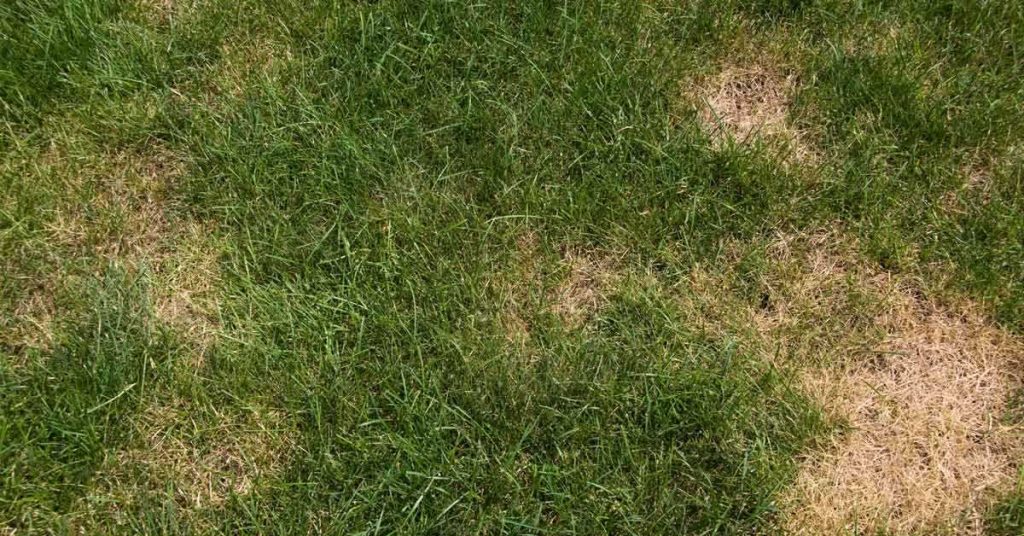
To quickly identify your lawn pests, look for telltale signs like chewed grass, holes, or visible insects on your turf. Start by inspecting affected areas carefully, noting any unusual damage or movement. Recognizing pests early can save your lawn from extensive damage and help you choose the right treatment.
In short, identifying lawn pests involves observing signs of damage such as patches of dead grass or holes, and then inspecting closely for insects or larvae. Knowing what to look for makes it easier to determine which pests are causing trouble and how to address them effectively.
Your lawn is a reflection of your care, but sometimes uninvited guests like pests can turn it into a battlefield. Pests such as grubs, chinch bugs, or armyworms can quickly cause patches of brown, patchy grass or irregular patterns of damage. Learning how to identify these pests involves more than just spotting the damage—it’s about becoming a detective in your own backyard. The good news is, with a keen eye and simple inspection techniques, you can catch these invaders early, preventing major damage and saving you time and money on treatments. Whether you’re a seasoned gardener or just starting out, understanding how to recognize pests is the first step toward maintaining a lush, healthy lawn that’s the envy of your neighborhood.

How Do I Identify My Lawn Pests?
Fixing a lawn problem begins with knowing what pest is causing the damage. Identifying your lawn pests can seem tricky, but with careful observation, you can spot signs and figures to determine the culprit. Understanding your pests helps you choose the right treatment and keep your lawn healthy.
Understanding Lawn Pest Signs
The first step in pest identification is noticing signs of trouble in your yard. Look for areas where the grass looks chewed or bald. Discolored patches, wilting, or thinning grass are common clues. These signs often hint at an underlying pest problem needing attention.
Inspecting Your Lawn
Regular inspections are vital for catching pests early. Use a garden fork or trowel to lift small sections of turf. Examine the soil and roots for bugs, larvae, or eggs. Check for unusual insect activity on the grass blades, such as crawling or flying insects.
Common Signs of Pest Damage
- Chewed grass blades: indicates insect feeding.
- Brown patches: may be caused by root-eating pests.
- Presence of insects or larvae: confirms pest activity.
- Excessive manure or cast skins: suggests certain pests like grubs or caterpillars.
Tools for Pest Identification
Use simple tools like a magnifying glass, flashlight, or small brush. These help you get a closer look at tiny pests and their eggs. Keeping detailed notes on what you see can also help you track pest activity over time.
Learning About Lawn Pests
Get familiar with common lawn pests by understanding their appearance and behavior. Knowing their life cycle helps you identify them at different stages.
Common Lawn Pests to Watch For
| Pest | Description | Damage Signs |
|---|---|---|
| Grubs | White, C-shaped larvae that live in the soil. | Bald patches, roots eaten, grass easily pulled up. |
| Chinch Bugs | Small insects that suck plant juices, causing yellow patches. | Localized yellow or dead grass areas. |
| Armyworms | Large caterpillars that move in groups. | Chewed grass, bare spots, defoliation. |
| billbugs | Beetles whose larvae tunnel into grass stems. | Dead patches, stems chewed at base. |
| Sod Webworms | Small moth larvae that feed at night. | Web-like silk, patches of brown grass. |
Identifying Pests by Physical Characteristics
Knowing what pests look like helps in identification. Below are some tips for recognizing common lawn pests:
Grubs
- White with a soft, C-shaped body.
- About 1 to 2 inches long when mature.
- Often found curled in the soil during soil inspection.
Chinch Bugs
- Small black insects with white wings.
- Usually less than 1/5 inch long.
- Move slowly on grass blades or soil surface.
Armyworms and Webworms
- Greenish or brown caterpillars with distinctive markings.
- Active mostly at night or during cool parts of the day.
- Leave behind silk webs or cast skins.
Distinguishing Pests from Other Lawn Issues
Sometimes, lawn problems mimic pest damage. It helps to differentiate between pests and conditions like drought, disease, or soil problems. For example, pests often cause uneven patches with visible insects or larvae, while drought stress causes wilting and dry soil.
Using Traps and Sticky Pads
Sticky traps attract and catch flying pests like adult beetles or moths. Place traps around the lawn to monitor pest activity. These tools can tell you which pests are present and help time your control measures.
Consulting Lawn Care Professionals
If you’re unsure about what pests you’re dealing with, consider contacting a lawn care expert or extension service. Professionals can perform detailed inspections, identify pests accurately, and recommend effective control strategies.
Recognizing Pest Life Cycles
Understanding how pests grow and multiply helps in timely identification and treatment. Different pests have specific stages where they cause the most damage or are easiest to spot.
Lifecycle of Common Pests
- Grubs: Eggs hatch into larvae in late summer, feeding on roots through fall and winter, then pupate and become adults in spring.
- Chinch Bugs: Adults lay eggs on grass blades; eggs hatch into nymphs that feed and mature quickly.
- Caterpillars (Armyworms, Webworms): Larval stage causes damage; they pupate into moths or flies.
Monitoring and Record Keeping
Keep a garden journal to note pest sightings, damage signs, and control measures. Regularly monitoring your lawn allows you to catch pests early and prevent extensive damage.
Preventive Measures for Easier Identification
Maintaining a healthy, well-irrigated, and fertilized lawn reduces pest problems. Strong grass resists pests better and makes signs of infestation more noticeable.
Summary of Identification Tips
In short, effective pest identification involves observing signs of damage, inspecting the soil and grass, recognizing pest appearance, and understanding their life cycles. Combining these techniques gives you a clearer picture of what’s bugging your lawn.
Related Topics
- Natural lawn pest control methods
- How to prevent lawn pest infestations
- Best practices for lawn maintenance to avoid pests
- When to call in professional pest control services
By paying close attention, using the right tools, and learning about pests, you can identify your lawn invaders early. Proper identification helps you take targeted action to protect your yard and keep it lush and green. Regular inspection and education are key to maintaining a pest-free lawn environment.
How to check lawn for grubs
Frequently Asked Questions
What signs indicate the presence of lawn pests?
Look for patches of grass that turn brown or die back suddenly, uneven patches, and areas where the grass appears chewed or burrowed. Wilting, thinning turf, and increased debris such as shed skins or frass can also signal pest activity. Often, you will notice specific damage patterns, like irregular holes or tunnels, which help identify the pest involved.
How can I tell if insects are damaging my lawn?
Inspect the soil and grass carefully for insects or signs of their activity. Handpick visible pests such as grubs or beetles and observe their movement. Use a small rake to loosen the soil and check for underground pests, like larvae or grubs hiding beneath the surface. Noticing insects on or near damaged grass indicates active pest presence.
What tools or methods can help identify lawn pests accurately?
Use a magnifying glass to examine the grass blades and soil closely for tiny pests or eggs. Conduct a soil test by pulling up a small section of turf to inspect roots and soil for pests like grubs. Additionally, setting up sticky traps or yellow cards around the lawn can attract flying pests, making identification easier. Observing pest behavior and damage patterns also aids in pinpointing specific species.
Final Thoughts
To identify your lawn pests, start by closely inspecting your grass and soil for unusual damage or signs of insects. Examine the plants for chewed leaves, spots, or holes, indicating pest activity. Look for visible pests like grubs, ants, or beetles on the surface or digging into the soil. Knowing what to look for helps you act quickly and effectively.
In conclusion, understanding how do i identify my lawn pests is essential for maintaining a healthy yard. Recognizing signs early allows for targeted treatment, preventing further damage and keeping your lawn vibrant.