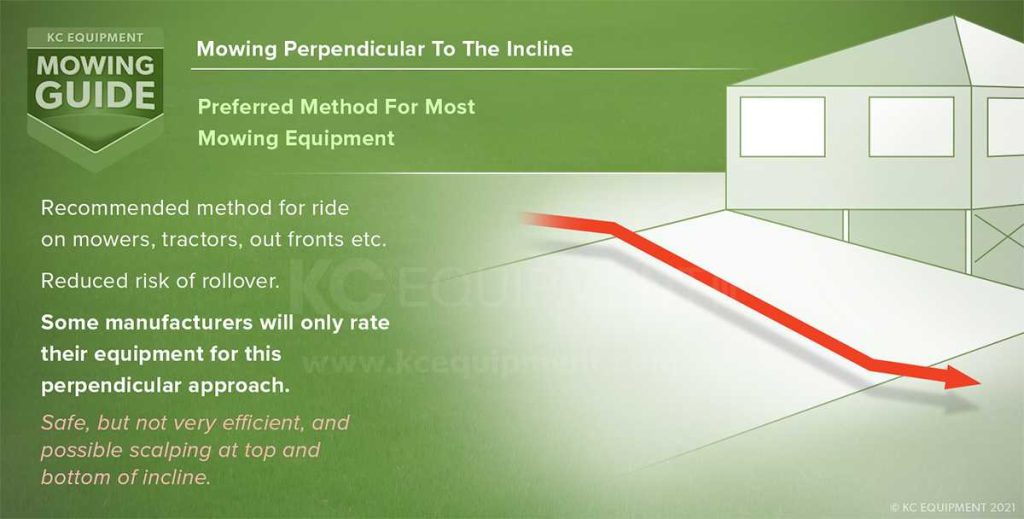
Mowing on a slope or incline can be a tricky task, but with the right techniques, it can be done safely and effectively. To start, always approach the slope with caution and consider using a walk-behind mower or a string trimmer for better control. It’s crucial to mow across the slope rather than up and down to maintain your balance and prevent the mower from tipping over. Additionally, ensure you’re wearing appropriate footwear and take breaks as needed to avoid fatigue. By following these simple tips, you can tackle those challenging grassy areas with confidence, ensuring a well-manicured lawn without compromising your safety. Now, let’s dive deeper into the best practices for mowing on inclines.

How To Mow On A Slope Or Incline
Mowing a lawn on a slope or incline presents unique challenges that can make the task feel daunting. However, with the right approach, techniques, and tools, you can achieve a well-manicured lawn without risking your safety or damaging your equipment. In this section, we will explore various aspects of mowing on a slope, from understanding the risks to selecting the right tools and techniques.
Understanding Slope Risks
Before you start mowing on a slope, it’s crucial to understand the risks involved. Slopes can be unpredictable, and mowing them can lead to accidents if you’re not careful. Here are some common risks:
- Tip-overs: Riding mowers can tip over on steep slopes, causing injury.
- Loss of control: Walking mowers can slip or slide, making them hard to control.
- Equipment damage: Mowers can be damaged by rocks or uneven ground.
Recognizing these risks is the first step toward safe and effective mowing.
Choosing the Right Equipment
The type of mower you use can significantly impact your mowing experience on an incline. It’s important to select equipment suited for the terrain. Here are some options to consider:
Types of Mowers
- Push Mowers: These are suitable for gentle slopes. Choose one with rear-wheel drive for better traction.
- Self-Propelled Mowers: Ideal for moderate slopes, they offer more control and ease of use.
- Riding Mowers: Use these only on less steep slopes and ensure they come with rollover protection.
- Robotic Mowers: Great for maintaining grassy areas on slopes without human effort, given proper programming.
Choosing the right mower helps prevent accidents and makes your task more manageable.
Preparing Your Lawn
Before mowing, preparation is key to a successful mowing session. Here’s what you need to do:
Assess the Area
Take a walk around your lawn to identify any hazards. Look for large rocks, holes, or slippery spots.
Clear Debris
Remove any sticks, leaves, or toys that could interfere with mowing. This ensures a clear path and prevents damage to your mower.
Best Techniques for Mowing on a Slope
Mowing techniques vary based on the steepness of the slope. Here’s a breakdown of effective methods:
For Gentle Slopes
When mowing grassy areas with a mild incline, you can mow in straight lines. The best way to do this safely is as follows:
- Mow up and down the slope for better control.
- Overlap each pass slightly to ensure even cutting.
For Steeper Slopes
For more significant inclines, take extra precautions:
- Always mow across the slope instead of up and down.
- Use a push mower or self-propelled mower for better maneuverability.
- Keep your feet shoulder-width apart for stability.
This technique reduces the risk of slipping or losing control.
Safety First
Mowing on a slope requires a focus on safety. Here are some safety tips to keep in mind:
- Wear Proper Footwear: Choose shoes with good traction and ankle support.
- Stay Hydrated: Take breaks and drink water, especially on hot days.
- Watch Your Surroundings: Be aware of children, pets, and other obstacles while mowing.
Following these tips can prevent accidents and enhance your mowing experience.
When to Mow
Timing plays a crucial role in mowing. Choose your mowing days wisely. Here are some guidelines:
- Dry Days: Mow when the grass is dry to avoid slipping.
- Early Morning or Late Afternoon: Mowing during these times avoids the heat of the day.
- Regular Schedule: Establishing a consistent mowing schedule helps maintain lawn health.
Choosing the right time can make mowing easier and safer.
Maintaining Your Equipment
Regular maintenance of your equipment ensures long-lasting performance. Consider these maintenance tips:
- Sharpen Blades: Keep mower blades sharp for clean cuts.
- Check Tire Pressure: Ensure tires are properly inflated for better traction.
- Clean After Use: Remove grass clippings and debris after mowing to prevent rusting.
Properly maintained equipment is safer and more efficient.
Mulching and Bagging on Slopes
Deciding whether to mulch or bag your grass clippings can also influence your mowing technique:
- Mulching: Leaving clippings can help fertilize your lawn and is generally easier on slopes.
- Bagging: If your area has many leaves or other debris, bagging may be necessary, but it can make the mower heavier.
Choose the method that best suits your lawn and mowing preferences.
Alternatives to Traditional Mowing
For those who find mowing on slopes too challenging, consider alternatives:
- Lawn Edgers: Use these to tidy up edges without needing to mow entirely.
- Weed Eaters: Great for trimming grass in hard-to-reach areas.
- Ground Cover Plants: Consider planting low-maintenance ground cover for a natural look instead of grass.
These alternatives can reduce your workload while still keeping your landscape attractive.
Mowing on a slope or incline may seem challenging, but with the right tools, techniques, and mindset, it can be a manageable task. Always prioritize safety and equipment maintenance while prepping and executing your lawn care. Remember, gentle slopes are easier to navigate than steep ones, so adjust your approach accordingly. By understanding the risks, selecting suitable equipment, and employing proper mowing techniques, you can maintain a lush, green lawn without compromising safety or efficiency. Embrace the process, and you’ll find that mowing becomes a rewarding part of lawn care.
How to Mow A Steep Hill
Frequently Asked Questions
“`html
What type of mower is best for mowing slopes?
For mowing slopes, a self-propelled mower or a riding mower with low center of gravity works best. These mowers provide better stability and control on inclines. If the slope is particularly steep, consider using a walk-behind mower that features a wide wheelbase or specialized designs to prevent tipping.
How can I ensure my safety while mowing on a slope?
To maintain safety while mowing on a slope, wear appropriate footwear with good traction to prevent slipping. Always mow up and down the slope instead of across it to maintain balance. Additionally, avoid mowing in wet conditions, as this increases the risk of losing control or slipping.
Is it advisable to mow steep slopes?
Mowing steep slopes can be risky, so it’s important to assess the degree of the incline. If the slope exceeds a certain limit, it might be best to consider alternative methods like trimming weeds with a string trimmer or hiring a professional service to manage the mowing. Always prioritize safety over the desire for a perfectly mowed lawn.
How do I maintain my mower for optimal performance on slopes?
Regular maintenance is key to ensuring your mower performs well on slopes. Check the blade sharpness often, as dull blades can struggle with tough grass and cause the mower to work harder. Keep the wheels and deck clean from debris, and inspect the mower’s brakes and stability features regularly to ensure it operates safely on inclines.
What should I do if my mower starts to slide on a slope?
If your mower begins to slide on a slope, immediately stop mowing and turn off the engine. Stay calm and assess the situation. If possible, gently maneuver the mower to a flatter area. If it’s stuck or unsafe to move, consider seeking help or using a tow strap to pull it to safety.
“`
Final Thoughts
Mowing on a slope or incline requires careful technique and attention to safety. Always approach the slope head-on to maintain control and avoid slipping. Use equipment designed for hilly terrain, like a self-propelled mower, to make the task easier.
Regularly check your mower’s condition to ensure it performs well on steep areas. To maintain a healthy lawn, mow at the appropriate height and frequency, considering the terrain’s specific needs. Following these guidelines will help you effectively manage your lawn while ensuring safety. For anyone wondering how to mow on a slope or incline, these tips will provide a solid foundation.