To effectively eliminate lawn pests, identify the specific pests attacking your grass, maintain a healthy lawn through proper watering and mowing, and use targeted organic or chemical treatments when necessary. Regular monitoring and natural remedies like beneficial insects can also keep pests in check.
A lush, pest-free lawn is just within your reach if you understand the right strategies to combat intruders. Start by identifying the pests causing trouble, then create a healthy environment for your grass to resist invasions. Using natural methods and maintaining good lawn care habits will help you enjoy a vibrant, pest-free yard all season long. Consistency is key—stay vigilant and treat problems early to prevent minor issues from turning into full-blown infestations. With some patience and the right approach, your lawn will thrive without pesky visitors ruining its beauty.

How to Get Rid of Lawn Pests
Understanding Lawn Pests and Their Damage
Lawn pests are insects and creatures that feed on grass, roots, or other plants in your yard. They can cause brown patches, thinning grass, or even bare spots if not managed. Recognizing the signs of pest damage early helps you act before the problem worsens.
Common Lawn Pests to Watch For
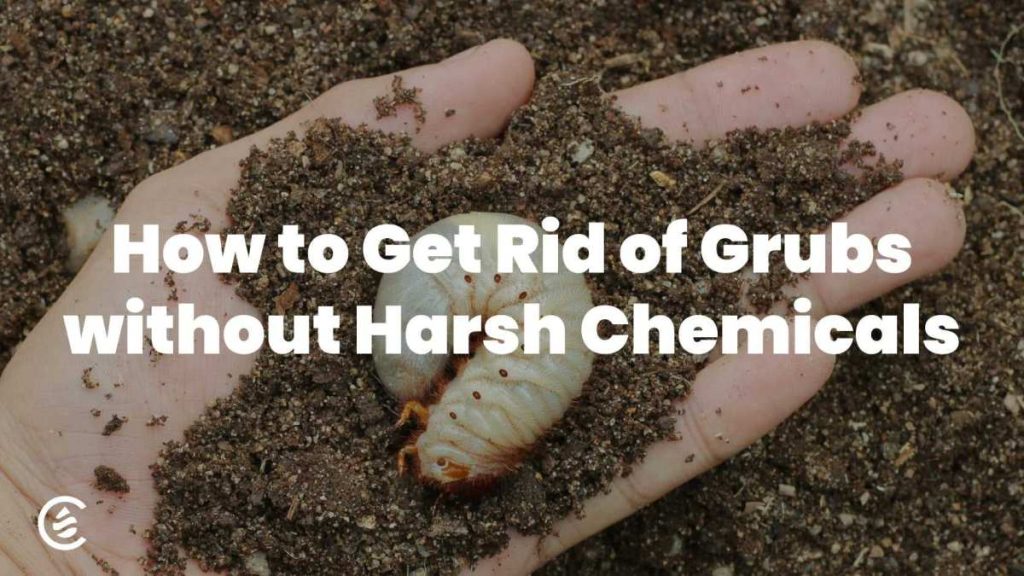
- Grubs: White larvae that munch on grass roots, causing the grass to lift and die.
- Chinch bugs: Small bugs that suck sap from grass blades, leading to yellowing or dead patches.
- Sod webworms: Caterpillars that chew on grass blades, creating irregular brown patches.
- Armyworms: Large caterpillars that can rapidly defoliate large sections of your lawn.
- Billbugs: Beetles whose larvae bore into stems, weakening grass plants.
Preventive Measures to Keep Pests Away
Prevention is key to maintaining a pest-free lawn. Regular lawn care reduces the chances of pests taking over. Follow these steps to prevent infestations:
Proper Lawn Maintenance
- Mow at the correct height: Keeping grass at the recommended height promotes healthy roots and deters pests.
- Water wisely: Deep, infrequent watering encourages strong roots and deters pests that thrive in overly moist areas.
- Fertilize appropriately: Use the right amount of fertilizer to maintain healthy, vigorous grass that resists pests.
Creating an Unfriendly Environment for Pests
- Remove debris: Clear leaf litter, grass clippings, and weeds that can hide pests.
- Practice crop rotation: If you have vegetable gardens nearby, rotate crops to prevent pest buildup.
- Maintain proper thatch levels: Dethatch your lawn if thatch becomes excessive, as pests often hide there.
Natural Methods to Control Lawn Pests
Natural controls are safe for families, pets, and the environment. They often work best when combined with good lawn care practices.
Biological Controls
Biological agents use natural predators or pathogens to control pests naturally.
- Nematodes: Beneficial roundworms can be applied to target grubs and other soil-dwelling pests.
- Bacillus thuringiensis (Bt): A naturally occurring bacteria that kills caterpillars like webworms and armyworms.
Plant-Based Repellents
Certain plants or homemade solutions can repel pests.
- Neem oil: An effective natural pesticide that repels many insects.
- Garlic or chili sprays: Homemade sprays can discourage pests from settling in your yard.
Chemical Treatments for Lawn Pests
Chemical options provide a quick solution for severe infestations but should be used carefully.
Choosing the Right Pesticide
Identify the pest accurately to select an appropriate pesticide. Use products labeled for your specific pest and follow the instructions closely.
Application Tips
- Apply during the right time: Early morning or late evening minimizes drift and exposure.
- Wear protective gear: Use gloves and masks as recommended on the label.
- Water your lawn afterward: Helps pesticides penetrate the soil and reach pests.
Safety and Environmental Considerations
Limit chemical use to necessary situations. Avoid over-application to prevent harm to beneficial insects and the environment.
Introducing Beneficial Insects
Releasing natural predators can help control pest populations naturally.
Examples of Helpful Insects
- Lacewing larvae: Consume aphids, caterpillars, and other soft-bodied pests.
- Ladybugs: Feed on aphids and scale insects.
- Predatory beetles: Target soil-dwelling pests like grubs and billbugs.
How to Introduce Beneficial Insects
Purchase beneficial insects from reputable suppliers and release them during calm, early mornings or evenings. Maintain a healthy, pesticide-free environment to support their survival.
Monitoring and Regular Inspection
Consistent checks help detect pests early before they cause extensive damage.
Inspecting Your Lawn
Look for signs such as chewed grass, small holes, or insect sightings. Check roots and soil for grubs or other pests.
Using Pest Traps
Set sticky traps or pheromone traps to catch specific pests and monitor their levels.
Creating a Pest-Resistant Lawn
Choosing the right grass type and planting conditions can make your lawn less appealing to pests.
Choosing Resistant Grass Varieties
Select grass types like tall fescue or Bermuda grass that naturally resist common pests. Avoid susceptible species like Kentucky bluegrass or fine fescue.
Proper Lawn Design
Ensure good drainage, adequate sunlight, and proper spacing between plants to discourage pest habitats.
When to Seek Professional Help
If pests persist despite your efforts or the infestation is large, consider hiring lawn care professionals. They can assess the situation and recommend targeted treatments.
Summary of Effective Strategies
To sum up, fighting lawn pests involves a mix of good lawn maintenance, natural controls, chemical treatments when necessary, and regular monitoring. Combining these approaches helps maintain a lush, healthy yard free of destructive pests.
Remember, patience and consistency are key. Regularly inspect your lawn, keep it healthy, and act swiftly at the first signs of pests. With the right combination of strategies, your lawn can stay green, vibrant, and pest-free.
How To Get Rid of GRUBS in the Lawn // What To Use For GRUBS
Frequently Asked Questions
What are effective natural methods to control lawn pests?
Implementing natural methods can significantly reduce pest populations without harming your lawn. You can encourage beneficial insects like ladybugs and predatory beetles that feed on pests. Applying organic compost can strengthen grass health, making it more resistant to pests. Additionally, using biological controls such as beneficial nematodes targets soil-dwelling pests effectively while maintaining a safe environment for your lawn and pets.
How can proper lawn maintenance minimize pest issues?
Regular mowing, watering, and aerating keep your lawn healthy and less attractive to pests. Mow at the appropriate height to prevent thatch buildup, and water early in the day to reduce disease and pest occurrence. Removing dead grass, leaves, and debris also cuts down pest hiding spots. Healthy, well-maintained grass creates a challenging environment for pests to thrive.
What chemical treatments are safe for eliminating lawn pests?
Choose targeted chemical treatments specifically designed for the pests affecting your lawn, and follow the instructions carefully. Use environmentally friendly products when possible, and apply them during cooler parts of the day to minimize impact on beneficial insects. Always wear protective gear and avoid over-application to protect your lawn, family, and pets from potential hazards.
Final Thoughts
Pour éliminer efficacement les nuisibles de votre pelouse, identifiez d’abord les insectes ou les parasites causant des dégâts. Utilisez des méthodes naturelles telles que l’introduction de prédateurs ou des traitements biologiques pour minimiser l’usage de produits chimiques. Adoptez des pratiques d’entretien régulières, comme la tonte appropriée et l’aération, pour renforcer la santé du sol. En suivant ces conseils, vous pouvez réduire considérablement la présence de nuisibles.
En conclusion, pour obtenir une pelouse saine, il est crucial de savoir comment se débarrasser des pests. Appliquez des solutions adaptées, surveillez régulièrement votre gazon et maintenez un environnement équilibré pour prévenir leur apparition. Ces actions garantissent une pelouse verdoyante et sans nuisibles.