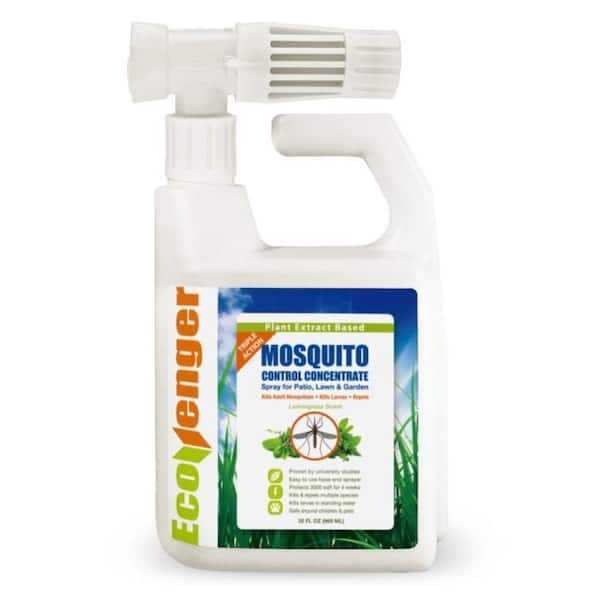
Yes, many lawn insect killers can be safe for dogs when used correctly, but it depends on the specific product and application. It’s crucial to choose formulations that are labeled as pet-safe and to follow all instructions carefully to prevent any accidental poisoning.
In short, the safety of lawn insect killers for dogs varies based on the product and how it’s used. While some are formulated to be dog-friendly after drying and proper application, others can pose health risks if ingested or if dogs come into contact with wet chemicals. To keep your furry friends safe, always opt for treatments marked as safe for pets, apply them when your dog is not in the yard, and wait the recommended time before allowing your dog back outside. Being cautious and well-informed helps ensure your lawn stays pest-free without compromising your dog’s health.
Many dog owners struggle with maintaining a pest-free yard without risking their pet’s health. Lawn insect killers are popular for controlling pests like fleas, ticks, and other bugs, but it’s natural to wonder whether these chemicals are safe for pets. The good news is that some products are designed specifically with safety in mind, but not all are created equal. The key is understanding which ingredients are safe, how to apply them properly, and when it’s best to leave the yard to your furry friend. This article explores whether lawn insect killers are safe for dogs, what precautions to take, and how to choose the right products for a pest-free and pet-safe yard.

Is Lawn Insect Killer Safe for Dogs?
Understanding Lawn Insect Killers and Their Components
Lawn insect killers are chemicals designed to target pests like ants, beetles, fleas, and ticks. These products often contain active ingredients such as bifenthrin, permethrin, or carbaryl. While they effectively reduce pest populations, their chemical composition raises questions about safety for pets, especially dogs who love to play outside.
Common Active Ingredients and Their Risks
- Bifenthrin is a synthetic pyrethroid that can be toxic if ingested in large amounts.
- Permethrin is used in many flea and tick products but can cause symptoms like drooling or vomiting in dogs if ingested.
- Carbaryl is a carbamate pesticide with known toxicity to mammals, including dogs.
Many lawn insect killers also contain inert ingredients that can irritate or harm animals, especially if they come into contact with treated areas shortly after application.
How Do Dogs Come into Contact with Insecticides?
Dogs are naturally curious creatures, often sniffing, digging, or rolling on the lawn. They might walk over or lie down on freshly treated grass, exposing themselves to harmful chemicals. Ingesting grass or soil contaminated with insecticide is another common way dogs can be poisoned.
Immediate Signs of Toxicity in Dogs
If a dog is exposed to lawn insect killer, they might show symptoms such as:
- Vomiting or diarrhea
- Drooling or excessive salivation
- Tremors or seizures
- Lethargy or weakness
- Difficulty breathing
Recognizing these symptoms early is vital for prompt treatment and safety.
Safety Guidelines for Using Lawn Insect Killers Around Dogs
To keep your pet safe, always follow product instructions carefully. Apply lawn insect killers when your dog is not outside, preferably early in the morning or late at night when they are indoors. Wait at least 24 to 48 hours after application before allowing your dog back onto the lawn.
Best Practices for Pet Safety
- Read and follow label instructions meticulously.
- Use products labeled as pet-safe or environmentally friendly.
- Spray or spread insecticides in the early morning or late evening.
- Keep your dog indoors until the product has dried completely.
- Rake or wash the lawn to remove excess chemicals before letting your dog outside again.
Choosing Pet-Friendly Alternatives
Many pet owners seek safer options to control lawn pests without risking their dog’s health. Some alternatives include:
- Biological controls such as beneficial nematodes or Bacillus thuringiensis (BT). These are natural predators of pests and are safe for pets.
- Organic lawn care products that use naturally derived ingredients like neem oil or essential oils.
- Cultural practices such as regular mowing, watering, and removing debris to prevent pest infestations.
Using non-chemical methods helps maintain a healthy lawn while ensuring pet safety.
Understanding Label Warnings and Precautions
Always scrutinize product labels for warnings related to pets. Manufacturers often specify how long to keep pets off treated areas and what to do in case of accidental ingestion or contact. Ignoring these precautions can lead to health problems for your dog.
What to Do in Case of Accidental Exposure
If your dog shows signs of poisoning after exposure to lawn insect killer:
- Contact your veterinarian immediately.
- Try to determine what product was used and how much exposure occurred.
- Follow your veterinarian’s instructions carefully, which may include inducing vomiting or administering activated charcoal.
Prompt action can significantly improve your dog’s prognosis.
Long-term Effects of Lawn Insect Killers on Dogs
Repeated exposure to certain chemicals can lead to chronic health issues in dogs, such as neurological problems, skin irritations, or organ damage. Therefore, minimizing chemical use and opting for safer pest control methods is advisable for long-term pet health.
Research and Safety Testing
Regulatory agencies like the Environmental Protection Agency (EPA) evaluate the safety of lawn chemicals. However, these assessments often focus on environmental impacts rather than direct pet safety, emphasizing the importance of responsible use and alternative approaches.
Consulting Professionals and Veterinarians
Before applying any pest control product, consult with a licensed veterinarian to understand the risks for your specific dog breed or health condition. They can recommend the safest pest management options suitable for your yard.
Professional Pest Control Services
Hiring pest control professionals ensures proper application techniques that reduce pet exposure risks. Professionals often use targeted treatments that localize chemical use, minimizing environmental contamination.
Additional Tips for a Pet-Friendly Lawn
Maintaining a healthy and pest-free yard doesn’t always require chemical treatments. Tips include:
- Planting pest-repellent plants such as marigolds or lavender.
- Applying organic compost and maintaining proper lawn health.
- Encouraging natural predators like birds or beneficial insects.
These strategies contribute to a safer outdoor environment for your dog.
Summary of Safety Factors
What matters most is choosing products labeled specifically as safe for pets and following all application instructions closely. Regularly inspecting your yard and maintaining a healthy lawn also lessen the need for chemical pest control. Always prioritize your dog’s safety and consult experts when unsure.
Using lawn insect killers wisely and responsibly can protect your pets from harmful chemicals. Remember that many effective, pet-friendly alternatives exist that keep your yard safe and pest-free. Prioritizing your dog’s health means making informed choices about lawn care products and practices.
How dangerous is yard lawn spray to pets?
Frequently Asked Questions
What ingredients in lawn insect killers are safe for dogs?
Many lawn insect killers contain active ingredients like neem oil, insecticidal soaps, or biological agents that are generally less toxic to dogs. Always check the product label to see which chemicals are used. Products labeled as pet-safe or specifically designed for use around pets typically contain ingredients that pose minimal risk to dogs when used as directed.
How should I apply lawn insect killer to protect my dogs?
Apply lawn insect killers during times when your dogs are not outside, such as early morning or late evening. Keep your pets off the treated area until the product dries completely and any odor has dissipated. Follow the manufacturer’s instructions carefully for application to minimize any potential risk.
Can accidental ingestion of treated grass harm my dog?
Accidental ingestion of small amounts of treated grass may not cause severe harm, especially if the product is pet-safe. However, ingesting large quantities can lead to gastrointestinal upset or other complications. If you suspect your dog has ingested a significant amount of insecticide, contact your veterinarian immediately for guidance.
Are there natural alternatives for pest control that are safer for dogs?
Yes, options like diatomaceous earth, neem oil, or essential oils (used with caution) can serve as natural pest control methods. These alternatives often carry fewer risks for dogs and reduce chemical exposure. Always research and consult a professional before applying natural remedies in your lawn area.
What precautions should I take after applying insect killers to ensure my dog’s safety?
Wash your dog’s paws and coat if they come into contact with treated grass. Keep your pets off the lawn until the product fully dries and the scent diminishes. Store insecticides in a secure place out of your pet’s reach to prevent accidental ingestion or contact.
Final Thoughts
Lawn insect killers vary in safety levels for dogs. Some products contain chemicals that could harm pets if ingested or come into contact with their skin. Always read labels carefully and opt for pet-safe options when possible.
Consult a veterinarian if you are unsure about a specific product’s safety for your dog. Proper application and storage also reduce risks.
In conclusion, is lawn insect killer safe for dogs? It depends on the product used and how it is applied. Select treatments that are specifically labeled as pet-friendly to ensure your dog’s safety.