To get rid of moss in your lawn, improve drainage, aerate the soil, and reduce shade to create unfavorable conditions for moss growth. Apply moss killers if needed and reseed bald spots to restore your grass. Regular lawn maintenance is key to preventing moss from returning.
Moss in your lawn can be unsightly and challenging to manage, but with the right approach, you can restore your grass to its lush, green glory. Addressing underlying issues like poor drainage, compacted soil, or excessive shade is essential for long-term success. Sometimes, a simple moss killer combined with proper lawn care can do the trick. Keep reading to discover effective methods to eliminate moss and keep your lawn healthy and vibrant all year round.
Having moss invade your lawn can feel frustrating, especially when you want a beautiful, inviting outdoor space. Moss thrives in moist, shady, and compacted soils, which are common problems in many yards. Thankfully, tackling moss is achievable with a few strategic steps—improving drainage, aerating the soil, and choosing the right lawn treatments. Whether you prefer natural remedies or chemical solutions, understanding the root causes of moss growth is key to preventing it from coming back. With patience and consistent care, you’ll be able to enjoy a moss-free lawn that’s the envy of your neighborhood.

How do I get rid of moss in my lawn
Understanding why moss appears in your lawn
Moss often grows in lawns because of specific environmental conditions. It thrives in shady, moist, and compacted areas where grass struggles to grow. Recognizing these conditions helps you take targeted steps to eliminate moss effectively.
Common causes of moss growth
- Poor drainage: Excess water pooling creates a damp environment ideal for moss.
- Shady areas: Limited sunlight prevents grass from thriving, allowing moss to take over.
- Soil compaction: Hard, compacted soil restricts air, water, and nutrient movement to grass roots.
- Acidic soil pH: Soil that is too acidic favors moss over grass.
- Uneven terrain: Areas with uneven surface prevent proper grass growth and promote moss development.
Assessing your lawn’s conditions
Before starting moss removal, evaluate your lawn’s environment. Check for shady spots, soil moisture levels, and soil pH. Use a soil test kit to measure acidity; ideally, soil pH should be between 6.0 and 7.0 for healthy grass growth.
Steps to get rid of moss from your lawn
Begin by removing existing moss and improving the environment to prevent future growth. The process involves physical removal, soil amendments, and lawn care practices.
Physical removal of moss
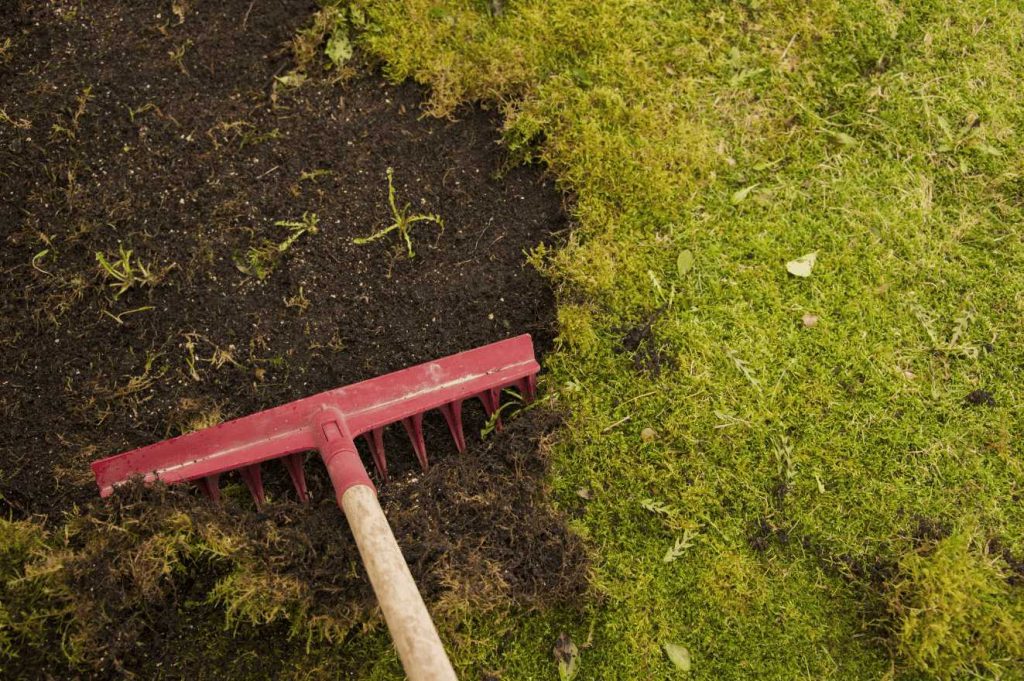
Use a rake or a dethatching rake to uproot moss from your lawn. Be gentle yet thorough to avoid damaging underlying grass. After raking, collect and dispose of the moss to prevent it from spreading.
Improving drainage and aeration
Poor drainage encourages moss. Aerate your lawn to loosen compacted soil. Use a garden fork or aerator to create holes that allow water, air, and nutrients to reach grass roots.
Adjusting soil pH levels
If soil tests show high acidity, add lime to raise pH levels. Follow the recommendations on the lime packaging for proper application. Regularly test soil pH to maintain optimal levels for grass health.
Increasing sunlight exposure
Prune trees and bushes to reduce shade. This allows more sunlight to reach the grass, creating less favorable conditions for moss. Select shade-tolerant grass varieties if full sun isn’t possible.
Applying moss control products
Chemical treatments can help eliminate moss quickly. Use moss killers containing iron sulfate or ferrous ammonium sulfate. Follow product instructions carefully to avoid damaging your grass.
Using moss killers
Apply moss control solutions during dry, calm days. Water the lawn beforehand to ensure even application. After treatment, wait a few days and then rake to remove dead moss.
Post-treatment lawn care
After removing moss, nourish your lawn with a fertilizer suitable for your grass type. This promotes healthy growth and prevents moss from returning by strengthening grass’s ability to compete.
Reseeding and overseeding your lawn
In areas where moss has taken over, reseed or overseed to fill bare patches. Use high-quality grass seed appropriate for your climate and soil conditions. Keep the soil moist until seedlings establish.
Maintaining a healthy lawn to prevent moss recurrence
Regular lawn maintenance reduces moss-friendly environments. Mow at the correct height, water deeply but infrequently, and fertilize appropriately. Consistent care keeps your grass vigorous and resilient.
Proper mowing practices
Set your mower blades to the recommended height for your grass type. Avoid cutting more than one-third of the grass height at a time. Sharp blades provide a cleaner cut, reducing stress on grass.
Watering guidelines
Water early in the morning to reduce surface moisture. Deep, infrequent watering encourages deep roots, which makes grass more competitive against moss.
Fertilization strategies
Apply fertilizer based on soil test recommendations. Balanced nutrients promote lush, healthy grass that naturally suppresses moss growth.
Additional tips for moss control
Consider combining methods for optimal results. Regular lawn aeration, timely fertilization, and consistent watering create an environment less hospitable for moss. Patience is key, as moss removal is often a gradual process.
Dealing with persistent moss
If moss keeps returning, reassess environmental conditions. Address shading, drainage, or soil acidity issues until conditions favor healthy grass growth.
Using mulch or ground cover in problem areas
In areas prone to moss, consider planting ground cover or adding mulch. These options can reduce soil moisture and light, discouraging moss development.
Related topics for better lawn care
Explore topics such as soil aeration techniques, grass seed selection, and lawn soil testing. Proper knowledge helps you maintain a resilient, moss-free landscape.
Summary
Getting rid of moss involves a combination of physical removal, environmental adjustments, and ongoing lawn maintenance. Addressing root causes like shade, poor drainage, and soil acidity creates a healthy environment for grass. Regular upkeep ensures that moss remains a distant memory in your yard, leaving you with a lush, green lawn to enjoy.
How to Remove Moss From a Lawn | Unbelievable 2 Stage Method 😮
Frequently Asked Questions
What steps can I take to improve soil drainage and reduce moss growth?
Enhancing soil drainage helps prevent excess moisture, which promotes moss development. To achieve this, aerate your lawn regularly to loosen compacted soil. Consider adding organic matter such as compost or sand to improve the soil structure. Address any low areas by leveling the ground and ensure proper grading away from foundations or structures. These actions allow water to drain efficiently, making the environment less hospitable to moss.
How does adjusting lawn mowing practices help control moss?
Maintaining a proper mowing height encourages a dense, healthy turf that competes with moss. Set your mower to a height suitable for your grass type, typically around 2.5 to 3 inches. Avoid cutting the grass too short, as this weakens the turf and allows moss to establish itself. Regular mowing also helps remove debris and thatch, which can create shaded, damp areas favorable to moss growth.
What fertilizers can I use to promote grass growth over moss?
Select fertilizers rich in nitrogen to stimulate vigorous grass growth. Apply them according to your lawn’s needs and the manufacturer’s instructions, usually in early spring or fall. Healthy, lush grass shades the ground and outcompetes moss for resources. Avoid over-fertilizing, as excess nutrients can lead to thatch buildup and other issues that encourage moss proliferation.
Are there specific landscaping changes that can help prevent moss from returning?
Implementing landscaping modifications such as reducing shaded areas with tree trimming allows more sunlight to reach your lawn, inhibiting moss growth. Planting grass varieties suited to your climate and soil conditions creates a stronger turf. Incorporate good airflow and avoid excess moisture retention by adjusting your irrigation schedule. These changes create a less favorable environment for moss to thrive.
Can manual removal of moss be effective, and how should I do it?
Manual removal can be effective if combined with other lawn care practices. Use a rake or a dethatching rake to gently lift and remove patches of moss from the surface. After removing moss, consider applying a moss-killing product or an acidic solution like diluted vinegar if needed. Follow up by reseeding or overseeding bare patches to help establish healthy grass that can outcompete future moss growth.
Final Thoughts
To get rid of moss in your lawn, improve drainage and aerate the soil regularly. Reseed sparse areas to encourage grass growth and apply moss killer if necessary. Keep your lawn healthy by watering deeply but infrequently, and mow at the proper height.
Consistent maintenance prevents moss from returning and keeps your lawn vibrant. Remember, understanding how to get rid of moss in your lawn helps you maintain a lush, healthy yard. Proper care ensures moss doesn’t take over again, making your lawn beautiful and resilient.