Quick answer: To control crabgrass effectively, apply pre-emergent herbicides in early spring to prevent seeds from sprouting and use targeted post-emergent treatments during summer to remove existing patches. Regular lawn maintenance and proper watering also play key roles in keeping crabgrass at bay throughout the seasons.
Crabgrass can quickly turn a lush lawn into a patchy mess if not managed properly, especially as seasons change. Controlling it in spring requires catching it early with pre-emergent treatments before the seeds germinate, while summer control involves spot-treating or manually removing already-established patches. Understanding these seasonal differences helps you stay one step ahead of this invasive weed. With the right strategies tailored for each time of year, you can enjoy a healthier, more uniform lawn all year round. Let’s explore how to tackle crabgrass seamlessly through spring and summer for the best results.

How do I control crabgrass in spring vs summer
Understanding Crabgrass Growth Cycles
Crabgrass is a warm-season weed that thrives during the hottest months of the year. It begins germinating when soil temperatures reach around 55°F to 60°F, often in late spring. Once established, crabgrass can quickly spread and take over your lawn if not managed properly.
In spring, crabgrass seed starts to sprout as the soil warms up. This early growth stage is ideal for preventive measures. During summer, existing crabgrass becomes more aggressive, spreading rapidly and producing seeds that can lead to new infestations. Recognizing these growth patterns helps determine the best control strategy for each season.
Spring Crabgrass Control Strategies
Preventing crabgrass in spring is the most effective way to minimize its presence later in the year. Starting early can save time and effort.
Applying Pre-Emergent Herbicides
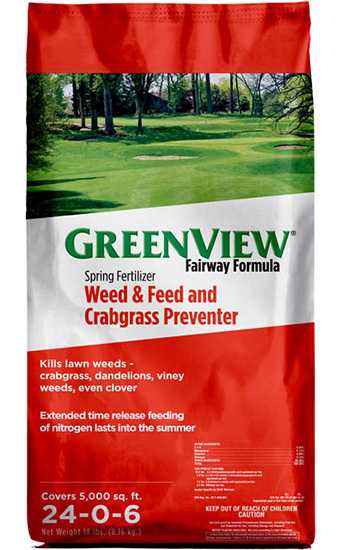
Pre-emergent herbicides are essential in spring to stop crabgrass from sprouting. Apply these products before the soil reaches 55°F to 60°F, typically between late February and early April, depending on your location.
- Follow label instructions carefully for timing and application rates.
- Ensure even coverage over your entire lawn.
- Water the area lightly after application to activate the herbicide.
Early Lawn Care Practices
Healthy, dense grass outcompetes crabgrass by filling in bare spots.
- Rake out any existing crabgrass to remove seedlings that have already emerged.
- Fertilize with a nitrogen-rich fertilizer to promote vigorous grass growth.
- Mow regularly, but avoid cutting the grass too short, which can weaken the turf.
Soil Testing and Preparation
Testing your soil helps determine nutrient levels and pH balance. Proper soil conditions encourage strong turf growth, making it less inviting for weeds.
- Adjust pH if necessary, aiming for neutral to slightly acidic soil.
- Add organic matter or compost to improve soil health.
- Aerate compacted soil to promote better root development.
Summer Crabgrass Control Strategies
Summer control focuses on managing established crabgrass and preventing seed production.
Post-Emergent Herbicides
When crabgrass is actively growing, post-emergent herbicides can help control existing patches. Select products formulated specifically for crabgrass and ensure they are safe for your lawn type.
- Apply when crabgrass has reached about 3 to 6 inches tall.
- Follow the recommended application intervals, usually every 4 to 6 weeks.
- Apply during dry, calm days to avoid drift and maximize effectiveness.
Manual Removal and Maintenance
Hand-pulling crabgrass can be effective if done properly.
- Remove crabgrass before it sets seed, especially in late summer.
- Ensure you pull out the roots to prevent regrowth.
- Regularly inspect your lawn to catch new growth early.
Mowing and Watering Practices
Proper mowing and watering help maintain a healthy lawn resistant to weeds.
- Mow taller, around 3 inches, to shade out crabgrass seeds and prevent germination.
- Water deeply and infrequently to encourage deep root growth of your grass.
- Avoid overwatering, which can promote crabgrass and other weeds.
Long-Term Management and Prevention
Consistent lawn care throughout the year reduces crabgrass infestations over time.
Maintain a Thick Lawn
A dense turf leaves fewer bare spots for crabgrass to invade.
- Apply fertilizer as needed based on soil test results.
- Overseed bare patches to encourage thick grass growth.
- Mow at the optimal height recommended for your grass type.
Adjusting Lawn Care for Seasonal Changes
Tailoring your lawn routine to seasonal needs keeps crabgrass at bay.
- In spring, prioritize pre-emergent applications and fertilization.
- In summer, focus on controlling mature crabgrass and maintaining turf health.
- Fall clean-up helps remove any remaining weeds and prepares your lawn for winter.
Related Topics
Choosing the Right Grass for Crabgrass Prevention
Selecting the right grass species can help reduce crabgrass invasion. Cool-season grasses like fescue or Kentucky bluegrass create dense lawns that weed out crabgrass in spring and fall. Warm-season grasses such as Bermuda or zoysia are more resistant during hot months.
Organic Methods for Crabgrass Control
Organic options include hand-pulling, overseeding with dense grass, and applying natural mulches or corn gluten meal. These methods are safer for families and pets but require consistent effort.
Dealing with Crabgrass in Irrigated Lawns
Proper irrigation practices—deep, infrequent watering—encourage strong turf and hinder crabgrass growth. Avoid shallow or frequent watering, which favors weed development.
Common Mistakes to Avoid
Avoid over-fertilizing, cutting the grass too short, or neglecting early prevention steps, all of which can lead to increased crabgrass problems.
The key to controlling crabgrass in spring versus summer lies in understanding its growth cycle and applying the appropriate methods at the right time. Using a combination of pre-emergent and post-emergent strategies, along with healthy lawn practices, will help keep your yard free of this stubborn weed. Regular monitoring and adjusting your lawn care routine seasonally are essential for long-term success.
How to Get Rid of Crabgrass & Clover in the Lawn – Weed Control Like a Pro
Frequently Asked Questions
What measures can I take to prevent crabgrass from growing during early spring?
To prevent crabgrass in early spring, apply a pre-emergent herbicide before the soil reaches 55°F, typically in early spring. This herbicide creates a barrier that stops crabgrass seeds from germinating. Additionally, keep your lawn healthy by aerating and fertilizing, which helps grasses outcompete crabgrass. Regularly remove debris and avoid overwatering, as moist conditions encourage crabgrass growth.
How should I adjust my lawn care routine in summer to control crabgrass?
In summer, focus on maintaining a dense and healthy turf through proper mowing, watering, and fertilization. Mow your lawn at the recommended height to shade the soil, making it difficult for crabgrass seeds to sprout. Water deeply and infrequently to promote deep root growth, and apply post-emergent herbicides if crabgrass appears. Keep an eye on your lawn’s moisture levels to prevent conditions that favor crabgrass proliferation.
Are there specific fertilizers or soil treatments that help manage crabgrass in different seasons?
Yes, using a balanced fertilizer high in nitrogen during the growing season encourages thick grass growth, which can suppress crabgrass. In spring, applying pre-emergent herbicides with fertilizers can be effective. During summer, consider soil treatments that improve drainage and reduce soil compaction, creating less favorable conditions for crabgrass. Always follow product instructions and choose treatments suitable for your grass type.
What are some common mistakes to avoid when controlling crabgrass across seasons?
Avoid applying herbicides too early or too late, as this reduces their effectiveness. Do not mow your lawn too short, because shorter grass provides less shade and encourages crabgrass germination. Overwatering or underwatering can also promote weed growth, so maintain consistent watering practices. Lastly, neglecting lawn health by skipping fertilization or aeration allows crabgrass to establish more easily.
How can I adapt my crabgrass control strategy as the seasons change?
Adjust your approach by starting with pre-emergent applications in early spring, then transitioning to post-emergent treatments as crabgrass appears in summer. Increase mowing height during peak growing months to shade the soil, and enhance lawn health with appropriate fertilization. Monitor weather patterns, and stay proactive with weed control practices, tailoring your routine to seasonal conditions for the best results.
Final Thoughts
Controlling crabgrass differs between spring and summer. In spring, apply pre-emergent herbicides early before crabgrass seeds germinate. This prevents the weed from establishing roots. During summer, focus on post-emergent treatments to target existing crabgrass.
Maintaining a healthy, dense lawn helps outcompete crabgrass naturally. Regular mowing and proper watering keep your grass vigorous. Understanding how do I control crabgrass in spring vs summer ensures effective management year-round.