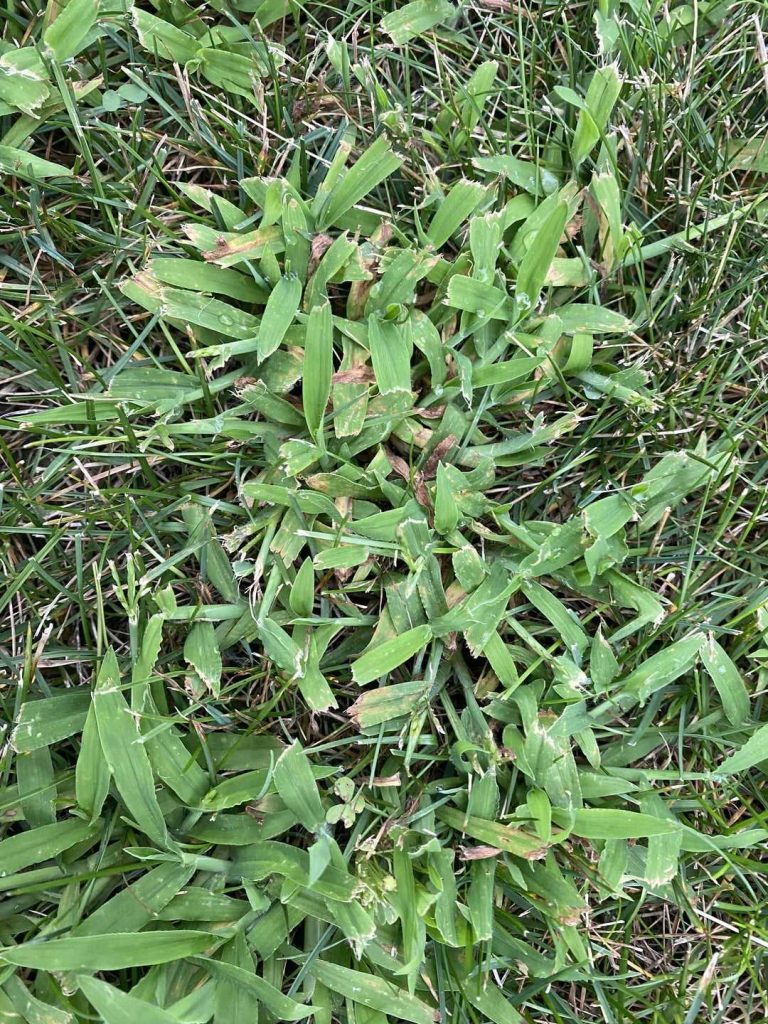
Yes, crabgrass can choke out Kentucky bluegrass if left unmanaged. Crabgrass is aggressive and fast-growing, often overtaking more delicate grasses like Kentucky bluegrass when it invades lawns. Proper lawn maintenance and early weed control are essential to prevent this from happening.
Crabgrass can indeed overshadow Kentucky bluegrass by competing for nutrients, water, and sunlight, especially during the warm months. To keep your lawn healthy and free of crabgrass, regular mowing, proper fertilization, and pre-emergent herbicides can make a significant difference. Addressing crabgrass early is key to maintaining the lushness and beauty of your Kentucky bluegrass turf.
Imagine stepping onto a vibrant, green carpet of Kentucky bluegrass, only to find patches overwhelmed by stubborn crabgrass—it’s a common worry for homeowners who want a pristine lawn. Crabgrass’s rapid growth and invasive nature make it a formidable foe, but with the right strategies, you can keep it at bay. Knowing how crabgrass behaves and acting proactively ensures your lawn remains healthy, dense, and weed-free all season long.

Can crabgrass choke out Kentucky bluegrass?
Understanding Crabgrass and Kentucky Bluegrass
Crabgrass and Kentucky bluegrass are common in many lawns, but they have very different habits. Crabgrass is a warm-season weed that grows quickly in hot weather, while Kentucky bluegrass is a cool-season grass that thrives in cooler temperatures. Knowing how these plants coexist helps us see if crabgrass can push out Kentucky bluegrass.
Crabgrass tends to spread rapidly through its underground stems called stolons. These stolons allow the weed to cover large areas fast. Kentucky bluegrass, on the other hand, spreads mainly through rhizomes and seed. Its growth is slower but steady, creating a lush and dense lawn when healthy.
How Crabgrass Competes with Kentucky Bluegrass
Crabgrass competes with Kentucky bluegrass for resources like sunlight, water, and nutrients. Because crabgrass grows quickly, it can overshadow the bluegrass especially during the warm months. This rapid growth lets crabgrass take up space that Kentucky bluegrass needs.
When crabgrass invades, it often forms dense mats on the lawn’s surface. These mats block sunlight from reaching the Kentucky bluegrass underneath. Sunlight is essential for photosynthesis, so without it, bluegrass struggles to grow and stay healthy. Over time, this can cause patches of your lawn to thin out or die back.
Can Crabgrass Actually Choke Out Kentucky Bluegrass?
Yes, crabgrass can choke out Kentucky bluegrass under certain conditions. Its fast-spreading nature means it can physically crowd out bluegrass by taking over bare patches or thinning areas. When crabgrass dominates, it reduces the bluegrass’s ability to grow new shoots or recover from damage.
However, crabgrass generally does not completely replace Kentucky bluegrass in a healthy lawn. If your lawn is well-maintained and kept dense, it can resist weed invasion. But during hot, dry weather, crabgrass often gains an advantage and can push bluegrass into smaller, weaker patches.
Factors That Influence Crabgrass Growth Over Kentucky Bluegrass
Several factors determine whether crabgrass will choke out bluegrass:
- Soil Temperature: Crabgrass germinates when soil temperatures reach 55°F to 70°F. Cool-season bluegrass may be less active during this period.
- Sunlight Exposure: Full sun favors crabgrass. Shaded areas tend to inhibit its growth, helping bluegrass dominate.
- Water Availability: During dry periods, crabgrass can be more aggressive because it tolerates drought better than bluegrass.
- Nutrient Competition: Crabgrass can outcompete bluegrass for nutrients, especially nitrogen, if not fertilized properly.
This combination of environmental factors causes crabgrass to outgrow and overshadow bluegrass in many situations.
How to Prevent Crabgrass from Choking Out Kentucky Bluegrass
Prevention is key to keeping crabgrass from taking over your bluegrass lawn. Here are effective strategies:
Proper Lawn Maintenance
Regular mowing at the right height helps keep your bluegrass healthy and dense. Aim for a height of about 2.5 to 3 inches for Kentucky bluegrass.
Use of Pre-emergent Herbicides
Pre-emergent herbicides prevent crabgrass seeds from germinating. Apply them early in the spring before soil temperatures reach 55°F.
Post-emergent Weed Control
If crabgrass appears after seeding, spot-treat with selective herbicides that target broadleaf and grassy weeds. Always follow label instructions for safety.
Addressing Existing Crabgrass Infestations
When crabgrass has already invaded, act quickly. Remove dead weed material and thin out heavily infested areas. Consider overseeding with Kentucky bluegrass to fill gaps and reinforce the turf.
Using a combination of hand pulling and chemical control helps reduce crabgrass populations. Always aim for a healthy, dense lawn to make it harder for weeds to settle in.
Optimal Lawn Care to Foster Kentucky Bluegrass Growth
Maintaining a healthy lawn is the best defense against crabgrass. Healthy bluegrass resists weed invasion better than stressed, thin grass.
- Proper mowing height prevents stress and encourages dense growth.
- Consistent fertilization provides necessary nutrients for strong roots.
- Deep watering encourages deep root development, making bluegrass more drought-tolerant.
- Overseeding bare patches helps fill gaps, reducing space for crabgrass to establish.
Related Topics
Differences Between Cool-Season and Warm-Season Grasses
Knowing the differences helps you choose the right lawn type for your climate and reduces weed problems.
Best Lawn Care Practices for Kentucky Bluegrass
Implementing proper mowing, watering, and fertilization techniques keeps your bluegrass healthy and less susceptible to weeds.
Alternative Weed Control Options
Organic methods such as overseeding, aeration, and proper mowing can reduce reliance on herbicides while maintaining a healthy lawn.
Crabgrass can indeed choke out Kentucky bluegrass if it gains a foothold in your lawn. Its rapid growth and ability to compete for resources make it a formidable weed, especially during hot months. Proper lawn maintenance, timely herbicide application, and overseeding help keep crabgrass at bay. Keeping your bluegrass lush and dense is the best way to prevent crabgrass from choking it out and ensure a vibrant, healthy lawn.
How to Kill Crabgrass Without Affecting Your Lawn Fast & Easy
Frequently Asked Questions
How does crabgrass compete with Kentucky bluegrass for nutrients?
Crabgrass aggressively spreads through its deep-rooted runners and fast growth rate, which allows it to absorb a significant amount of nutrients from the soil. As a result, Kentucky bluegrass may struggle to obtain the necessary nutrients, leading to weakened growth and thinning patches in the lawn.
Can the density of crabgrass impact the health of Kentucky bluegrass?
Yes, when crabgrass becomes dense, it creates thick mats that shade the underlying Kentucky bluegrass. This shading reduces sunlight exposure, inhibits photosynthesis, and hampers the bluegrass’s growth, allowing crabgrass to dominate more effectively.
What lawn management practices help prevent crabgrass from choking out Kentucky bluegrass?
To prevent crabgrass from overtaking your lawn, maintain a healthy, dense Kentucky bluegrass by mowing at the correct height, watering adequately, and fertilizing properly. Applying pre-emergent herbicides in early spring also helps stop crabgrass seeds from sprouting, reducing competition.
Does soil compaction influence the growth of crabgrass and Kentucky bluegrass?
Soil compaction limits the root development of Kentucky bluegrass, making it more vulnerable to invasion by aggressive weeds like crabgrass. Loosening the soil improves nutrient uptake and water infiltration, supporting a healthier bluegrass that can better resist crabgrass encroachment.
Are there specific times of year when crabgrass is more likely to threaten Kentucky bluegrass?
Crabgrass tends to germinate in late spring to early summer when soil temperatures rise. During this period, active growth can quickly overshadow Kentucky bluegrass if not managed promptly, emphasizing the importance of early prevention and treatment.
Final Thoughts
Crabgrass can indeed choke out Kentucky bluegrass by competing for nutrients, water, and sunlight. Its aggressive growth spreads rapidly, making it difficult for bluegrass to thrive. Proper lawn care and timely weed control can prevent crabgrass from taking over. Ultimately, understanding how these grasses interact helps homeowners maintain a healthy, lush lawn. Can crabgrass choke out Kentucky bluegrass? Yes, it can if not managed properly, emphasizing the importance of early intervention and regular maintenance.