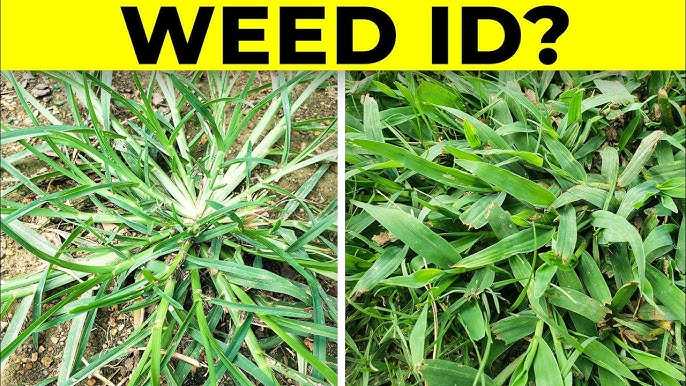
Water grass and crabgrass may look similar at a glance, but they are quite different in terms of appearance, growth habits, and impact on your lawn. Water grass prefers wet, marshy areas and has a more delicate, grassy look, while crabgrass is a tough, invasive weed that spreads aggressively across dry or disturbed soil. Recognizing these differences can help you manage your yard better and prevent invasive species from taking over.
In short, water grass thrives in moist environments and contributes a soft, fine texture to the landscape, whereas crabgrass is a fast-spreading weed that dominates dry, open spaces and requires aggressive removal. Understanding these plants allows you to take targeted actions for a healthier, more attractive lawn.
If you’re wondering how to tell water grass apart from crabgrass, let’s break down their key differences. Water grass tends to grow in wet conditions with thin, clumping blades, while crabgrass has broad, coarse leaves and spreads quickly via underground runners. Water grass often appears in wetlands or along the edges of ponds, whereas crabgrass invades lawns and garden beds, especially during hot summer months. Knowing these traits will help you identify and control these plants more effectively, ensuring your yard stays lush and weed-free.

What is the Difference Between Water Grass and Crabgrass
Introduction to Water Grass and Crabgrass
Water grass and crabgrass are common weeds that appear in lawns and gardens. While they may seem similar at first glance, they have distinct features. Understanding these differences helps gardeners and homeowners manage unwanted plants effectively and prevent their spread.
Understanding Water Grass
Water grass, scientifically known as *Echinochloa* species, thrives in wet environments. It often grows near ponds, marshes, or areas with poor drainage. Water grass has a bunchy growth pattern with dense clusters of plants. Its leaves are typically broad and flat, making it easily recognizable.
Physical Characteristics of Water Grass
- Height: Usually reaches 1 to 3 feet tall
- Leaves: Broad and flat with a slightly glossy surface
- Color: Bright green that sometimes turns reddish during dry seasons
- Growth Pattern: Clusters or bunches, with dense stems emerging from the ground
Habitat and Growing Conditions
Water grass prefers moist or flooded areas, making it common in wetlands. It is tolerant of standing water and can survive in poorly drained soil. This weed often appears during rainy seasons when soil moisture levels are high.
Understanding Crabgrass
Crabgrass, scientifically called *Digitaria* species, is a common annual weed found in lawns and fields. It is called crabgrass because of its sprawling, low-growing habit. Crabgrass can quickly fill in bare patches of soil and is known for its aggressive spreading.
Physical Characteristics of Crabgrass
- Height: Grows between 4 inches to 2 feet tall
- Leaves: Thin, jagged, and wiry with a light green color
- Color: Bright green that may fade in dry conditions
- Growth Pattern: Spreads rapidly through stolons and seed production
Habitat and Growing Conditions
Crabgrass thrives in sunny, open areas with disturbed soil. It prefers hot, dry conditions but can adapt to various soil types. It often appears in lawns with thin or worn grass and can quickly take over bare patches.
Key Visual Differences Between Water Grass and Crabgrass
| Feature | Water Grass | Crabgrass |
|---|---|---|
| Growth Environment | Wet or flooded areas | Dry, sunny, disturbed soil |
| Height | 1 to 3 feet | 4 inches to 2 feet |
| Leaves | Broad, flat, glossy | Thin, jagged, wiry |
| Growth Pattern | Clustered bunches | Spreading via stolons and seeds |
| Color | Bright green, sometimes reddish | Bright green, fades in dry conditions |
Differences in Reproduction and Spread
Water grass reproduces mainly through seed production and sometimes vegetative parts. It tends to stay localized to wet areas. Crabgrass reproduces rapidly through seeds and spreads through stolons, allowing it to cover large areas quickly.
Reproduction Methods of Water Grass
Water grass produces numerous seeds that can remain viable for several years. It can also spread through sprouting from runners in moist conditions. Its growth relies on water availability, limiting its spread to suitable environments.
Reproduction Methods of Crabgrass
Crabgrass produces a high number of seeds that disperse easily by wind. It also spreads through stolons that root at nodes, creating dense mats of grass. This method allows crabgrass to invade lawn areas rapidly.
Impact on Lawns and Gardens
Both weeds can damage lawns if left uncontrolled. Water grass can compete with native plants in wet areas, leading to reduced biodiversity. Crabgrass often outcompetes desirable turf grasses during summer months, causing patchy lawns.
Effects of Water Grass Invasion
Water grass tends to dominate wet zones, making it difficult for native plants to thrive. Its dense growth can clog waterways and reduce water flow. It can also affect the aesthetic appeal of water features or wetland areas.
Effects of Crabgrass Invasion
Crabgrass quickly takes over bare or thin patches of lawn. It can reduce the quality of turf, making grass look uneven and patchy. Its aggressive spread can crowd out desirable grasses, leading to more weed problems.
Controlling and Managing Water Grass and Crabgrass
Effective control depends on understanding each weed’s habits. Water grass control involves managing water levels and using targeted herbicides. Crabgrass control requires proper lawn health practices and pre-emergent herbicides.
How to Manage Water Grass
- Improve drainage in wet areas to discourage growth
- Use herbicides that target grasses in aquatic environments
- Remove infested plants manually in small areas
How to Manage Crabgrass
- Mow lawns regularly to prevent seed production
- Apply pre-emergent herbicides in early spring before crabgrass germinates
- Maintain healthy turf through proper fertilization and watering
- Hand-pull crabgrass in small patches for immediate removal
Prevention Tips for Both Weeds
Prevention is often easier than eradication. For water grass, controlling water levels and drainage is key. For crabgrass, thick and healthy grass can block weed seeds from establishing.
Prevention Strategies for Water Grass
- Ensure proper drainage in wet zones
- Avoid overwatering or creating standing water
- Limit soil disturbance near water bodies
Prevention Strategies for Crabgrass
- Apply a pre-emergent herbicide in early spring
- Overseed lawn areas to promote thick turf
- Use proper mowing height to discourage weed seed germination
Final Thoughts on Differentiating Water Grass and Crabgrass
Knowing the differences between water grass and crabgrass helps in choosing the right management approach. Recognizing their habitats, physical features, and reproduction habits allows for targeted control. Regular lawn maintenance and early intervention are essential to keep these weeds at bay.
By understanding their unique characteristics, homeowners can make better decisions when managing their landscapes. Proper identification leads to more effective weed control strategies and healthier, more attractive lawns and water features.
Crabgrass in my Bermuda | Difference between St Augustine grass and Crabgrass
Frequently Asked Questions
How can you visually distinguish between water grass and crabgrass in a lawn?
Water grass typically appears as narrow, smooth, and dark green blades that grow densely in wet areas. Crabgrass, on the other hand, has broader, coarse leaves with a rough texture and often displays a lighter green color. Its growth pattern is more sprawling, often forming clumps that spread across the soil surface. Recognizing these features helps you identify each weed accurately in your yard.
What are the typical environments where water grass and crabgrass thrive?
Water grass prefers consistently moist or flooded areas such as edges of ponds, marshy spots, or areas with poor drainage. Crabgrass usually grows in dry, sunny locations with compacted soil, like lawns with heavy foot traffic or neglected patches. Knowing their preferred surroundings helps in managing and preventing their spread effectively.
In what ways do the reproductive methods of water grass differ from those of crabgrass?
Water grass spreads primarily through its extensive root system and seed production in moist environments. Crabgrass produces numerous seeds that disperse easily by wind or foot traffic, allowing it to quickly invade open areas. Understanding these reproductive strategies assists in developing targeted control measures for each weed.
How do the growth habits of water grass compare to crabgrass?
Water grass tends to grow upright with dense clusters, often staying in wet or marshy soil. Crabgrass exhibits a more spreading growth habit, with low-growing, sprawling stems that root at nodes, creating a wide patch. Recognizing their distinct growth patterns enables better management of these plants in your landscape.
What are the main differences in the appearance of the seed heads of water grass and crabgrass?
The seed heads of water grass are usually slender, spike-like, and appear in compact clusters, often emerging from the top of the plant in wet conditions. Crabgrass seed heads are broader, with a distinctive “finger-like” appearance that fans out from the center, typically maturing in mid to late summer. Identifying these seed structures helps in distinguishing the weeds during their reproductive phase.
Final Thoughts
Water grass and crabgrass are both common weeds but differ notably in appearance and growth habits. Water grass thrives in moist environments with fine, dense foliage, while crabgrass prefers dry, sunny areas with coarse, spreading stems.
Crabgrass tends to grow quickly and produces seed heads, making it more invasive. Water grass grows more uniformly and does not produce seed heads as aggressively.
In conclusion, what is the difference between water grass and crabgrass lies in their habitat preferences, growth patterns, and overall appearance. Understanding these distinctions helps manage and prevent their spread effectively.