Apply crabgrass preventer once a season, ideally in early spring before the crabgrass begins to germinate, for the best control. Reapplying mid-season isn’t usually necessary unless directed by product instructions. Timing and proper application are key to keeping your lawn crabgrass-free throughout the year.
For effective control of crabgrass, applying preventer just once in early spring is generally sufficient if done correctly. It works by creating a barrier that stops crabgrass seeds from sprouting. However, it’s essential to follow the manufacturer’s instructions and consider your local climate and lawn conditions. Proper timing and application ensure your lawn stays healthy and weed-free without unnecessary reapplications.
Crabgrass preventer is a vital part of maintaining a lush, green lawn during the warmer months. Knowing how often to apply it can make a big difference in how well it protects your grass. Typically, applying once in early spring provides the best results, as it prevents crabgrass seeds from germinating right from the start. Reapplying mid-season is usually not necessary unless the product label recommends it or if you experience heavy seed fall or reseeding conditions. Proper application timing and technique are crucial, so always read the instructions carefully to get the most out of your crabgrass preventer and keep your lawn looking its best all season long.

How Often to Apply Crabgrass Preventer: A Complete Guide for a Healthy Lawn
Understanding Crabgrass Preventer and Its Purpose
Crabgrass preventer is a type of herbicide designed to stop crabgrass from growing in your lawn. It works by creating a barrier in the soil that inhibits crabgrass seeds from sprouting. Applying this product correctly is key to keeping your yard free of unwanted weeds.
Crabgrass is a common problem in lawns, especially during warm months. Preventing its growth early is much easier than removing it once it takes hold. Using crabgrass preventer in the right way can save you time and effort later.
When Is the Best Time to Apply Crabgrass Preventer?
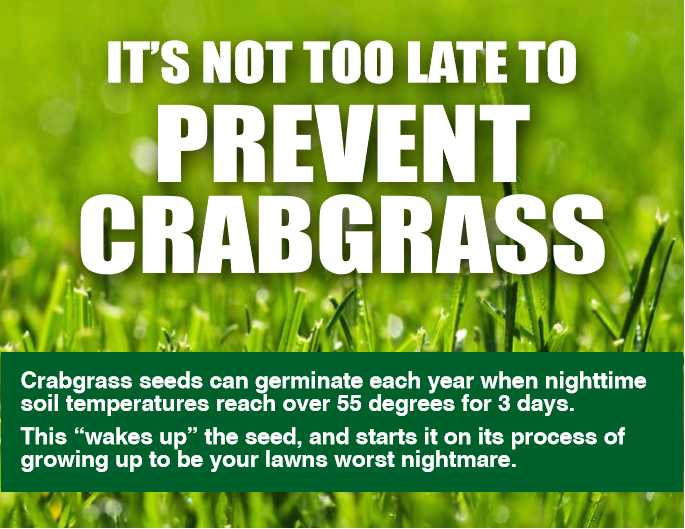
The ideal time to apply crabgrass preventer depends on your local climate. Generally, it should be done before crabgrass germinates, which is when soil temperatures reach about 55°F to 60°F.
For most regions, this means applying the preventer in early spring, approximately two to three weeks before the first expected crabgrass growth. Using a soil temperature monitor can help you determine the best timing.
How Often Should You Reapply Crabgrass Preventer?
The frequency of reapplication depends on several factors, including the product used, weather conditions, and lawn health. Most crabgrass preventers are effective for approximately eight to 12 weeks after initial application.
If you have a long-growing season or if your lawn faces many crabgrass invasions, you might need to reapply more than once. Ideally, reapplication should occur every eight to 12 weeks during the active growing season.
Factors Influencing Reapplication Frequency
Several elements can affect how often you should apply crabgrass preventer:
- Type of product used: Some preventers last longer than others. Always follow the manufacturer’s instructions.
- Weather conditions: Heavy rain can wash away the chemical, reducing its effectiveness. Hot, dry weather may also affect how long the preventer lasts.
- Lawn health: A healthy lawn can resist weed invasion better, possibly reducing the need for frequent reapplications.
- Soil temperature: Consistently warm soil encourages crabgrass growth, signaling the need for timely reapplication.
Best Practices for Applying Crabgrass Preventer
Applying crabgrass preventer correctly ensures maximum effectiveness and safety for your lawn. Here are some tips:
- Always read and follow the label directions carefully.
- Apply when soil temperature is ideal, typically in early spring.
- Use a broadcast spreader for even coverage.
- Avoid applying before heavy rain unless the product is rainproof.
- Water the lawn lightly after application unless rain is expected soon.
Combining Crabgrass Preventer with Other Lawn Care Practices
To keep your lawn healthy and weed-free, combine preventer applications with proper mowing, watering, and fertilization.
Watering deeply once a week helps roots grow strong. Mowing at the right height promotes thick, healthy grass that naturally suppresses weeds. Regular fertilization supports overall lawn vigor and resilience.
Potential Risks of Overapplication
Applying crabgrass preventer too frequently or in excess can damage your lawn. It may also harm other desirable plants and soil microorganisms.
Always stick to the recommended application schedule to avoid chemical buildup. Too much preventer can lead to uneven growth or even lawn discoloration.
Signs You Need to Reapply
Watch for early signs of crabgrass emergence, such as thin patches of grass becoming spotted with new weeds.
Soil temperatures rising and weed seedlings appearing are cues to reapply. Using a soil thermometer and inspecting your lawn regularly can help you time reapplications better.
Seasonal Timing and Reapplication Calendar
Below is a simple guide to help plan your crabgrass preventer reapplications:
| Month | Activity | Reapplication Needed? |
|---|---|---|
| Early March to April | First application before crabgrass germination | Yes, if the season is long or crabgrass pressure is high |
| May to June | Second application if necessary | Yes, if evidence of crabgrass appears or if time elapsed |
| July to August | Third application for extended control in warm climates | Optional, based on crabgrass pressure and lawn health |
Common Mistakes to Avoid
- Applying too early or too late in the season
- Overlapping applications without proper intervals
- Ignoring weather forecasts that can wash away the preventer
- Using the wrong type of product for your lawn
Summary: How Often to Apply Crabgrass Preventer
In essence, most lawns benefit from applying crabgrass preventer once in early spring. Reapplication every eight to twelve weeks during the active growing season is recommended for ongoing weed control. Always base reapplication timing on soil temperature, weather, and the specific product instructions.
Maintaining a regular schedule with careful observation helps keep your lawn weed-free. Proper timing combined with good lawn care practices ensures a lush, healthy yard free of pesky crabgrass.
When to apply crabgrass preventer
Frequently Asked Questions
How frequently should I reapply crabgrass preventer during the growing season?
It is generally recommended to apply crabgrass preventer every 4 to 6 weeks during the active growing season. This schedule helps maintain an effective barrier against crabgrass seeds and ensures your lawn remains protected. Always follow the label instructions for specific timing and application intervals for the product you choose.
Can I apply crabgrass preventer more than once a year?
Yes, applying crabgrass preventer multiple times within a year can offer better control, especially if your lawn faces a long growing season. Typically, most homeowners apply it 2 to 3 times per year, spacing applications about 4 to 6 weeks apart. Avoid over-application to prevent potential damage to your turf.
Should I adjust the application frequency based on weather conditions?
Absolutely. If the weather remains warm and moist for extended periods, you might need to reapply more frequently. Conversely, during cooler or dry spells, you can extend the interval between applications. Monitoring local weather patterns helps ensure you apply preventer at optimal times for the best results.
Is it necessary to reapply crabgrass preventer after rainfall?
In most cases, light rain does not require reapplication since the preventer typically bonds with the soil quickly. However, heavy rainfall can wash away the applied material, reducing its effectiveness. If you experience significant rainfall shortly after applying, consider reapplying to maintain a strong barrier against crabgrass germination.
How do I know when it’s time to reapply crabgrass preventer?
Look for signs of crabgrass germination or when the lawn begins to warm up in the spring. Generally, reapply when soil temperatures reach around 55 to 60°F (13 to 16°C), and new crabgrass seeds are likely to germinate. Regularly checking local planting calendars and soil temperature guides can help determine the right timing for your area.
Final Thoughts
Applying crabgrass preventer correctly is essential for a healthy lawn. Typically, apply it once in early spring before crabgrass begins to germinate. Reapply if necessary in late spring or early summer, especially after heavy rainfall. Follow the product instructions for best results.
How often to apply crabgrass preventer depends on your lawn’s conditions and the product used. Usually, one or two applications per growing season suffice to keep crabgrass at bay. Consistent application helps maintain a lush, weed-free yard.