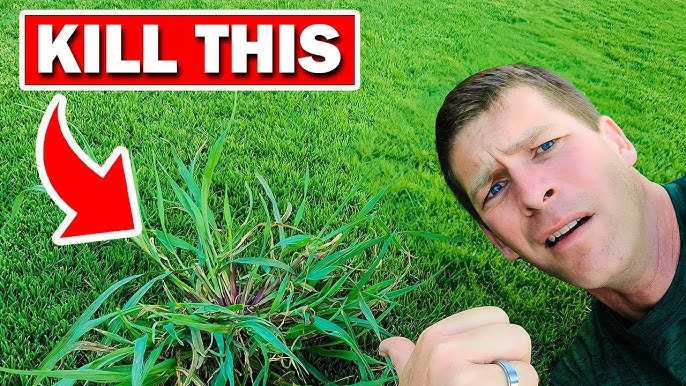
The best way to eliminate crabgrass without damaging your lawn is to use a selective herbicide designed specifically for broadleaf weeds. Applying a pre-emergent herbicide in early spring can prevent crabgrass seeds from germinating, while spot treatments with post-emergent herbicides can target established patches without harming your grass. Regular lawn maintenance, like proper mowing, watering, and fertilizing, also helps keep your lawn healthy and resistant to weeds.
Crabgrass can quickly take over your lawn, but with the right approach, you can eradicate it safely. Using selective herbicides and preventative measures ensures you get rid of crabgrass without harming your healthy grass, maintaining a lush, green yard you’ll love.
If crabgrass is invading your lawn, don’t worry—you can get rid of it effectively without damaging your grass by choosing the right weed control methods and applying them correctly. With some timely treatments and good lawn care habits, your yard can stay vibrant and crabgrass-free.

What kills crabgrass without harming the lawn?
Understanding Crabgrass and Its Growth
Crabgrass is a common weed that pops up in lawns during warm months. It spreads quickly and can take over large areas if not controlled early. Since it looks similar to your grass, many homeowners struggle to eliminate it without damaging their lawn. Knowing how crabgrass grows helps in choosing the best treatment options.
Crabgrass thrives in full sunlight and poor soil conditions. It germinates from seeds and can grow in patches. The key to controlling it is targeting these seeds and seedlings before they develop deep roots. This prevents it from spreading further and crowding out your grass.
Why Harsh Chemicals Are Not the Best Solution
Many products claim to kill crabgrass fast. However, strong herbicides often harm your grass at the same time. They might kill weeds but also damage the health of your lawn over time. Using harsh chemicals can lead to patchy lawns and require more rescue work later.
Instead, safer and more eco-friendly options are available. These methods focus on selective control that targets crabgrass specifically. This way, your grass remains healthy and vibrant.
Pre-Emergent Herbicides
Pre-emergent herbicides are applied before crabgrass seeds start to germinate. They create a barrier that stops seeds from sprouting. The best time to apply pre-emergents is in early spring before soil temperatures reach 55 degrees Fahrenheit.
Common pre-emergents include products with active ingredients like **prodiamine** or **dithiopyr**. These work well in preventing new crabgrass patches from emerging. Remember, applying too late reduces their effectiveness, so timing is crucial.
How to Use Pre-Emergent Herbicides Effectively
To get the best results:
- Apply when soil temperature is consistently rising
- Follow the product’s instructions carefully
- Water the lawn after application to activate the barrier
Using pre-emergents annually can significantly reduce crabgrass problems without harming your existing grass.
Post-Emergent Herbicides: Targeting Existing Crabgrass
When crabgrass appears despite prevention, post-emergent herbicides come into play. These are designed to kill crabgrass actively growing on your lawn. Selective post-emergent herbicides target broadleaf weeds without harming grasses like Kentucky bluegrass or fescue.
Look for products containing **quinclorac** or **fenoxaprop** which are selective for crabgrass. Always read the label to ensure they are safe for your type of lawn grass.
Application Tips for Post-Emergent Herbicides
- Apply during warm, calm days to avoid drift
- Spot treat heavily infested areas for best results
- Avoid applying during drought or extreme heat
Regular applications during the growing season keep crabgrass under control without damaging the lawn.
Natural and Organic Methods
If you prefer eco-friendly solutions, several natural methods can help manage crabgrass. These include manual removal, improving lawn health, and using natural weed killers.
Hand-pulling crabgrass is effective for small patches, especially before it seeds. Maintaining a dense, healthy lawn shades out crabgrass and prevents it from taking hold.
Natural Weed Killers
Some household ingredients work as natural weed killers:
- Vinegar: A mixture of vinegar and water can burn crabgrass. Use carefully to prevent harming your grass.
- Boiling water: Pouring boiling water onto crabgrass destroys it but requires precision.
- Mulching: Applying mulch suppresses weed growth and feeds your soil at the same time.
Remember, natural methods may require ongoing effort but are safe for your family, pets, and the environment.
Improving Lawn Health to Prevent Crabgrass
A healthy lawn naturally resists weeds like crabgrass. Regular fertilization, proper watering, and aeration strengthen grass roots. Reseeding thin patches makes it harder for crabgrass to gain a foothold.
Choose fertilization formulas suited for your grass type and apply during the growing season. Deep watering encourages deep root growth, making grass more competitive against weeds.
Best Practices for Lawn Maintenance
- Maintain mowing height that encourages strong grass growth
- Aerate compacted soil to improve water and nutrient absorption
- Water deeply but less frequently to promote deep roots
- Apply fertilizer according to the soil test results
These practices create a robust lawn that naturally suppresses crabgrass.
Timing Is Everything
Controlling crabgrass hinges on timing your interventions. Applying pre-emergent herbicides early in spring prevents seeds from sprouting. Spot-treat existing patches with post-emergent products when crabgrass is young and actively growing.
Late-season management includes reseeding and fertilizing to help your lawn recover. Staying vigilant and consistent prevents crabgrass from becoming a persistent problem.
Related Topics: Preventing Future Crabgrass Infestations
Preventative care is essential for long-term weed control. Consider:
- Soil testing to understand nutrient needs
- Applying organic compost to improve soil health
- Spacing mowing heights to shade the soil
- Regularly dethatching and aerating to reduce thatch buildup
Implementing these practices creates an environment where crabgrass struggles to survive.
Summary
Managing crabgrass without harming your lawn involves a combination of timing, proper herbicide use, and lawn maintenance. Preventive measures like pre-emergent herbicides stop seeds from germinating. When crabgrass appears, spot treatments with selective post-emergent products are effective.
Maintaining a dense, healthy lawn through proper watering, fertilization, and aeration is the best long-term defense. Organic methods like manual removal, vinegar spot-treatments, and mulching also help control crabgrass naturally.
By applying these strategies consistently, your lawn stays lush, green, and free of unwanted crabgrass. Patience and care are key to preventing this stubborn weed from taking over your yard.
How To Kill Crabgrass Without Killing Your Lawn
Frequently Asked Questions
What natural methods can effectively control crabgrass without damaging my lawn?
Applying thick, healthy turfgrass helps prevent crabgrass from establishing because it limits space and resources. Additionally, mulching around flower beds and garden areas reduces seed spread. Regular aeration improves soil health, making it less favorable for crabgrass growth. Using corn gluten meal as a pre-emergent can also inhibit crabgrass seed germination without harming existing grass.
Are there selective herbicides safe for lawn use that target crabgrass?
Yes, specific pre-emergent and post-emergent herbicides designed for crabgrass control can be safe for your lawn when applied correctly. Look for products containing pendimethalin or quinclorac, and always follow the manufacturer’s instructions to avoid damaging desirable grass species. Applying herbicides at the right time—before crabgrass seeds sprout—is crucial for effectiveness and safety.
How can watering practices influence crabgrass growth and control?
Proper watering encourages a dense, healthy lawn that naturally outcompetes crabgrass. Water deeply and infrequently to promote strong root development, and avoid excessive watering that creates moist conditions favorable for crabgrass. Maintaining consistent moisture levels helps your grass stay vigorous and resistant to invasive weeds.
What lawn care practices help prevent crabgrass infestation?
Regular fertilization with appropriate nutrients strengthens your grass and makes it more resistant to weeds. Mowing at the correct height, typically around 2.5 to 3 inches, promotes thick turf that crowds out crabgrass. Consistent overseeding repairs thin areas of your lawn, reducing open spaces where crabgrass can establish.
Can manual Removal be effective against crabgrass without harming my lawn?
Yes, pulling crabgrass by hand is effective, especially when the weed is young and easily grasped. Make sure to remove the entire root system to prevent regrowth. This method is environmentally friendly and safe for your lawn, but it works best on small infestations or when combined with other cultural practices for larger areas.
Final Thoughts
Controlling crabgrass effectively requires targeted strategies. Applying pre-emergent herbicides in early spring prevents seeds from sprouting. For existing crabgrass, spot-treat with post-emergent herbicides designed to kill weeds without damaging the lawn.
Regular mowing helps prevent crabgrass from spreading. Keeping your lawn healthy through proper fertilization and watering naturally thwarts weed growth.
What kills crabgrass without harming the lawn? Using selective herbicides and maintaining a vigorous, healthy turf are key. These methods combat crabgrass effectively while preserving your lawn’s beauty.