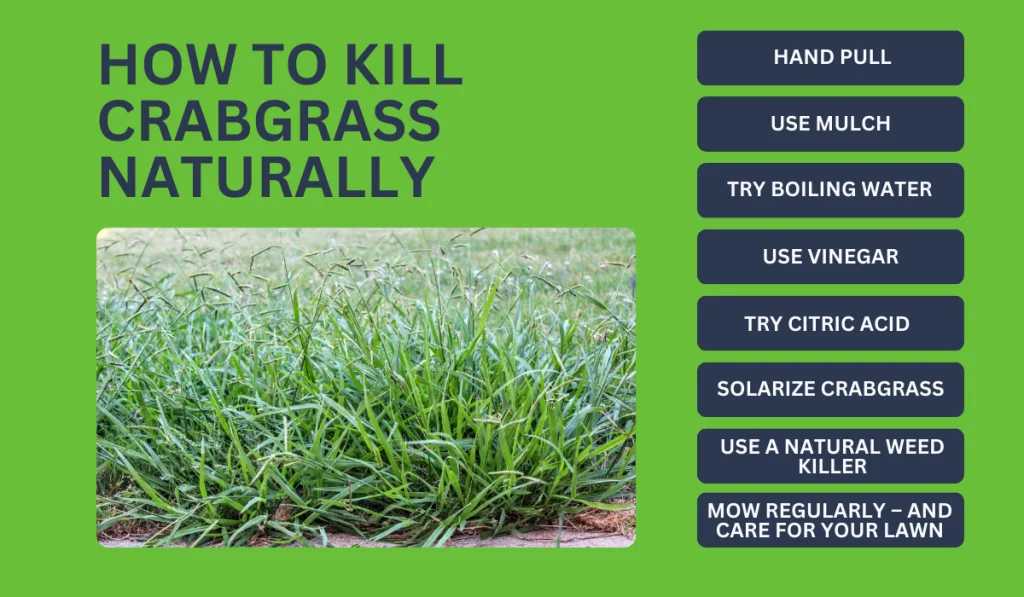
To prevent crabgrass naturally, focus on maintaining a healthy, dense lawn through proper mowing, watering, and fertilization, which crowds out weeds. Additionally, applying natural Mulches and pre-emergent organic treatments can effectively stop crabgrass from taking hold. Regular lawn care and proactive strategies are your best defenses against this stubborn weed.
A lush, healthy lawn is your best weapon against crabgrass, and with some simple, natural techniques, you can keep your grass thick and weed-free without relying on harsh chemicals. Starting with good lawn practices like mowing at the right height, watering deeply but infrequently, and fertilizing appropriately creates an environment where crabgrass struggles to thrive. Organic pre-emergent solutions, such as corn gluten meal, can also help prevent seeds from germinating. By combining these natural methods, you’ll enjoy a beautiful, crabgrass-free yard while nurturing the environment around you.

How can I prevent crabgrass naturally?
Crabgrass is a common weed that quickly takes over lawns if not controlled early. Preventing crabgrass naturally means using eco-friendly and chemical-free methods to keep your lawn healthy and weed-free. With the right strategies, you can stop crabgrass from invading your yard without harming the environment.
Understanding Crabgrass and Its Growth
Crabgrass is a warm-season annual grass that germinates in late spring and thrives during hot weather. It spreads rapidly through seeds and can quickly overshadow your desired grass. To prevent it effectively, you need to understand its life cycle and growth habits.
Crabgrass typically appears in areas where the soil is compacted or thinly covered. It favors poor drainage and bare patches. Knowing these conditions allows you to focus your prevention efforts on vulnerable spots.
Improve Lawn Health to Thwart Crabgrass
A strong, healthy lawn naturally resists weeds like crabgrass. Ensuring your grass is dense and vigorous makes it harder for crabgrass to establish itself. Focus on proper lawn care routines such as mowing, watering, and fertilizing.
Mow at the Correct Height
Set your mower blade to a height suitable for your grass type, usually between 2.5 to 3.5 inches. Taller grass shades soil, reducing the temperature and preventing crabgrass seeds from germinating. Regular mowing also encourages thicker turf growth.
Water Deeply but Less Frequently
Deep watering encourages deep root growth, making your lawn more resilient. Avoid frequent shallow watering, which can weaken grass and create conditions favorable for weeds. Water early in the morning for better absorption.
Fertilize Wisely
Apply an appropriate fertilizer based on your grass type. Proper nutrition promotes vigorous grass growth, leaving less room for weeds. Use organic fertilizers when possible to maintain an eco-friendly approach.
Use Mulching and Soil Management Techniques
Mulching can suppress weed seed germination while maintaining soil moisture. Organic mulches like wood chips or straw can be spread in bare patches or flower beds to prevent crabgrass growth.
Aerate Your Lawn
Soil compaction favors crabgrass development. Aeration loosens soil, improves drainage, and allows roots to access nutrients better. Performing aeration annually can keep your soil healthy and less inviting to weeds.
Improve Soil Quality
Adding organic matter such as compost improves soil fertility and structure. Healthy soil supports dense grass that crowds out weeds naturally. Test your soil regularly to maintain balanced pH and nutrient levels.
Pre-Emergent Strategies for Natural Crabgrass Prevention
Pre-emergent barriers prevent crabgrass seeds from sprouting. You can apply natural, organic pre-emergent options to stop crabgrass before it starts, saving time and effort.
Timing Is Key
Apply pre-emergent products early in spring before crabgrass seeds begin to germinate. Monitor local weather patterns and soil temperature for optimal timing, typically when soil reaches about 55°F to 60°F.
Use Organic Pre-Emergents
Organic options like corn gluten meal act as natural pre-emergents. They form a barrier that prevents weed seed germination but do not harm established grass. Apply according to package instructions for best results.
Natural Weed Removal and Control Tactics
If crabgrass appears despite preventative measures, removal needs to be careful to avoid damaging your lawn. Manual removal is effective for small patches and eco-friendly.
Pulling Out Crabgrass
Use hand tools or your fingers to pull out crabgrass, ensuring you remove the entire root system. Do this when the soil is moist for easier extraction. Regular removal prevents seed production.
Use Boiling Water or Vinegar
Pour boiling water directly on crabgrass to kill it naturally. Alternatively, vinegar solutions can be sprayed onto weeds, but caution is necessary to avoid harming surrounding plants.
Plant Cover Crops and Ground Covers
Cover crops and ground covers can fill bare patches and shade the soil, reducing the chances for crabgrass seeds to sprout. Choose dense, fast-growing plants suited to your climate.
Examples of Ground Covers
- Clover
- Ajuga
- Vinca
- Creeping thyme
Benefits of Cover Crops
Cover crops such as clover or winter rye improve soil health, prevent erosion, and compete with weeds for nutrients and space. They are a natural barrier against crabgrass establishment.
Maintain Proper Lawn Edging and Space Management
Crabgrass often invades through gaps at the edges of your lawn. Regularly edging and sealing borders prevent weed seeds from entering your yard. Repair any bare spots quickly to prevent weed invasion.
Mulch and Border Barriers
Adding mulch around flower beds and pathways creates a physical barrier that discourages crabgrass spread. Use natural materials that decompose slowly and renew as needed.
Encourage Native and Resilient Grass Species
Choosing grass varieties that are well-adapted to your climate and soil conditions promotes a dense turf. Native grasses tend to be more resistant to pests, disease, and weeds like crabgrass.
Popular Native Grass Types
- Buffalo grass
- Fescues
- Bermuda grass (in warm climates)
Monitoring and Regular Lawn Maintenance
Consistent observation allows you to spot crabgrass early before it spreads. Regular mowing, watering, and fertilizing keep your lawn healthy and less attractive to weeds.
Early Detection
Check your lawn frequently for small crabgrass patches or seedlings. Removing them early makes weed control easier and prevents extensive invasion.
Seasonal Lawn Care Routines
Adopt a seasonal schedule for aeration, fertilizing, and overseeding. Proper maintenance creates a resilient lawn that naturally resists crabgrass growth.
By applying these natural methods consistently, you can create a lush, healthy lawn that minimizes crabgrass growth without the need for harsh chemicals. Proper lawn care, soil management, and early intervention are your best defenses against this invasive weed.
DIY Organic crabgrass control. How to kill crabgrass without using chemicals.
Frequently Asked Questions
What soil conditions help prevent crabgrass from taking hold?
Maintaining healthy, dense grass can naturally prevent crabgrass from establishing itself. Ensure your soil is well-drained and rich in nutrients. Regularly aerate your lawn to improve soil aeration and promote strong grass growth. Applying organic compost can enhance soil health, making it harder for crabgrass to compete with established grass species.
How does proper mowing contribute to crabgrass prevention?
Mowing your lawn at the correct height discourages crabgrass growth. Keep your grass a bit taller, around 2.5 to 3 inches, which shades the soil and prevents crabgrass seeds from germinating. Regularly mowing your lawn prevents weeds from setting seed and helps maintain a thick, healthy turf that crowds out unwanted plants.
Can overseeding help in keeping crabgrass at bay naturally?
Yes, overseeding areas with desirable grass varieties fills in bare patches and creates a dense turf. A thick lawn reduces space and resources available for crabgrass to invade. Choose resistant grass types suited for your climate, and overseed during the optimal season to promote vigorous growth and natural weed suppression.
What role does watering play in preventing crabgrass naturally?
Water your lawn deeply and infrequently to promote deep root growth of your grass. This practice helps establish a strong turf that competes effectively with weeds. Overwatering or uneven watering can create favorable conditions for crabgrass seeds to germinate, so maintain a consistent watering schedule.
Are organic mulches effective in controlling crabgrass without chemicals?
Applying a layer of organic mulch around your garden beds and borders can suppress crabgrass by blocking sunlight and preventing weed seed germination. Use materials like wood chips, straw, or grass clippings to cover bare soil areas. This natural barrier encourages healthier soil and reduces the likelihood of crabgrass spread.
Final Thoughts
Pour prévenir le crabgrass naturellement, commencez par maintenir une pelouse saine en l’arrosant régulièrement et en la fertilisant au bon moment. Aerate votre sol pour améliorer la circulation de l’air et de l’eau, ce qui limite la croissance du crabgrass. Effectuez des tontes fréquentes pour garder la pelouse dense et moins vulnérable à la compétition.
Utilisez également des couvre-sols ou des plantes couvre-sol pour réduire l’espace disponible pour le crabgrass. En adoptant ces méthodes, comment puis-je prévenir crabgrass naturellement ? Vous pouvez éviter son apparition et préserver une pelouse dense et saine.