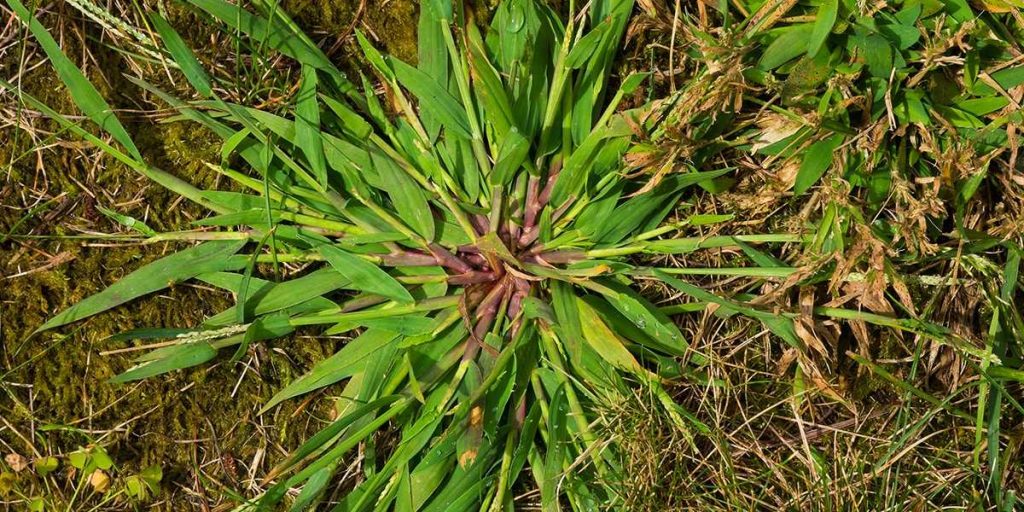
Crabgrass is one of those stubborn weeds that can turn a beautiful lawn into a patchy mess if not managed properly. Wondering whether it’s an annual or perennial weed? Here’s the quick answer: crabgrass is an annual weed, meaning it completes its life cycle in one season and then disappears, but it’s notorious for spreading rapidly and regrowing from seeds each year. To keep your lawn healthy and weed-free, understanding its behavior is key. Knowing that crabgrass is an annual helps you plan the best strategies for control, whether through pre-emergent herbicides or proper lawn maintenance. This weed’s ability to invade your yard quickly makes it a challenge, but with the right approach, you can keep it in check and enjoy a lush, vibrant lawn all season long.

Is crabgrass an annual or perennial weed?
Understanding the Basic Nature of Crabgrass
Crabgrass is a common weed that many homeowners and gardeners encounter. It often invades lawns and gardens, making it important to know whether it is an annual or perennial plant. Recognizing its type helps in choosing the right control methods and timing for weed management.
What Does It Mean for a Weed to Be Annual or Perennial?
An *annual weed* completes its life cycle in one year. It sprouts, grows, produces seeds, and dies all within a single season. In contrast, a *perennial weed* lives for multiple years, regrowing each season from root systems or seed banks. Knowing whether crabgrass is annual or perennial influences how you handle its removal and prevention.
Crabgrass as an Annual Plant
Most types of crabgrass are classified as **annual weeds**. They typically start growing in spring when temperatures warm up. During summer, they grow rapidly, produce seeds, and die off with the first frost in fall or winter.
Life Cycle of Annual Crabgrass
Annual crabgrass begins as seeds that lie dormant during winter. When spring arrives, they sprout quickly in moist, warm soil conditions. These young plants take about six to twelve weeks to reach maturity. Once mature, they produce a large number of seeds, which then drop to the ground. The cycle then repeats the following year.
Implications for Lawn Care
Since crabgrass is an annual, preventing its seeds from germinating is an effective control method. Applying pre-emergent herbicides in early spring can stop crabgrass seeds from sprouting. Regularly mowing your lawn at the correct height can also make it less inviting for crabgrass to invade.
Perennial Crabgrass – Is It Possible?
Although most crabgrass is annual, some sources mention a *perennial* variety called *Digitaria sanguinalis* that may survive in milder climates. However, its perennial nature is less common and less significant compared to the typical annual crabgrass.
Perennial Crabgrass Characteristics
Perennial crabgrass would have an extensive root system that allows it to survive winter and regrow each year. It would also produce seeds similarly to annual types but maintain its presence through underground stems or rhizomes.
How to Identify Perennial Crabgrass
Perennial forms are rare and usually only found in warmer climates. They tend to be more aggressive and harder to control because they can regrow from roots. They usually have a deeper, more established root system compared to annuals.
Key Differences Between Annual and Perennial Crabgrass
| Feature | Annual Crabgrass | Perennial Crabgrass (Rare) |
|---|---|---|
| Life Cycle | Completes in one year | Survives multiple years, regrows from roots |
| Root System | Shallow roots | Deep, extensive roots or rhizomes |
| Seed Production | Produces many seeds annually | Produces seeds and regrows from roots |
| Control Difficulty | Manageable with pre-emergent and proper mowing | More difficult due to persistent roots |
Control Strategies for Crabgrass Based on Its Type
Managing Annual Crabgrass
As an annual, crabgrass can be effectively controlled through timely interventions. Applying a pre-emergent herbicide before germination starts in spring can prevent seedlings. Post-emergent herbicides also work if the weed has already sprouted.
Controlling Perennial Crabgrass
Perennial crabgrass requires more aggressive treatment, such as deep root removal or repeated herbicide applications. Cultivation and aeration can also help disrupt root systems and reduce regrowth.
Environmental Factors That Influence Crabgrass Growth
Crabgrass thrives in warm, moist conditions, making it more likely to invade during hot summers and wet springs. It prefers compacted, poorly maintained lawns with thin grass cover, which provides space for seedlings to establish.
Soil Conditions Favoring Crabgrass
Loose, well-drained soil with a pH range of 6.0 to 7.5 is ideal for crabgrass growth. Compact soil with low fertility can also encourage crabgrass since it often outcompetes weak grass varieties.
Sunlight and Temperature
Crabgrass requires full sun exposure to grow successfully, prospering when daytime temperatures reach 80°F or higher. It does not tolerate shade well, which can be a natural defense against its spread.
Prevention Tips to Reduce Crabgrass Growth
Preventing crabgrass begins with healthy lawn maintenance. Regular fertilization, aeration, and proper mowing height can make your grass thicker and more resistant to weeds.
Using Pre-emergent Herbicides
Applying pre-emergent herbicides in early spring before crabgrass seeds germinate is crucial. Be sure to follow product instructions carefully for maximum effectiveness.
Maintaining a Healthy Lawn
A dense, vigorous lawn leaves little room for crabgrass seeds to sprout. Mowing your lawn to the recommended height (usually 2.5 to 3 inches) and watering deeply but infrequently encourages strong grass growth.
Related Topics for Further Reading
- Best Lawn Care Practices to Prevent Weeds
- Effective Herbicides for Crabgrass Control
- Grass Types That Thwart Crabgrass
- Differences Between Crabgrass and Other Common Lawn Weeds
- Natural Methods to Keep Crabgrass at Bay
Summary
Most crabgrass is an *annual weed*, completing its life cycle within a year. It germinates in spring, thrives in summer, and dies with the first frost. While a rare perennial form exists, it’s not common enough to change standard control strategies. Proper lawn care combined with timely herbicide use can effectively manage and prevent this weed from taking over your yard. Understanding whether crabgrass is annual or perennial helps you plan better and maintain a healthy, lush lawn.
09 12 Annual vs Perennial Weed grasses
Frequently Asked Questions
Does crabgrass complete its life cycle within a year?
Yes, crabgrass completes its entire life cycle within a single growing season. It germinates, grows, flowers, produces seeds, and then dies before winter sets in, classifying it as an annual weed.
Can crabgrass come back year after year?
No, crabgrass does not regrow from its roots since it doesn’t develop a persistent underground system. Instead, it relies on seeds to re-establish each year, so controlling seed production is key to preventing its return.
Why is crabgrass considered an annual, and how does that affect management strategies?
Crabgrass is considered an annual because it completes its life cycle in one season and relies on seed production to propagate. This means controlling seed dispersal and preventing new germination can effectively reduce its presence over successive years.
Is there any possibility for crabgrass to become perennial under certain conditions?
Under typical conditions, crabgrass remains an annual. However, in warmer climates or if the growing season extends unusually, some morphological variations might behave like a perennial, although this is uncommon and not typical in most regions.
How does the annual nature of crabgrass influence the timing of control measures?
Since crabgrass completes its life cycle annually, applying pre-emergent herbicides early in the growing season before seed germination can prevent its establishment. Regular mowing and removing existing plants before seed set also help limit its spread from year to year.
Final Thoughts
Crabgrass is classified as an annual weed. It completes its life cycle within a single growing season, germinating, flowering, and dying all in one year. This means it typically needs to be reseeded each year to persist in your lawn.
Understanding its growth pattern helps in effective management. Regular removal and proper lawn care can prevent its spread and reduce its presence.
In conclusion, is crabgrass an annual or perennial weed? It is an annual weed, which simplifies its control. Addressing crabgrass early ensures your lawn remains healthy and weed-free.