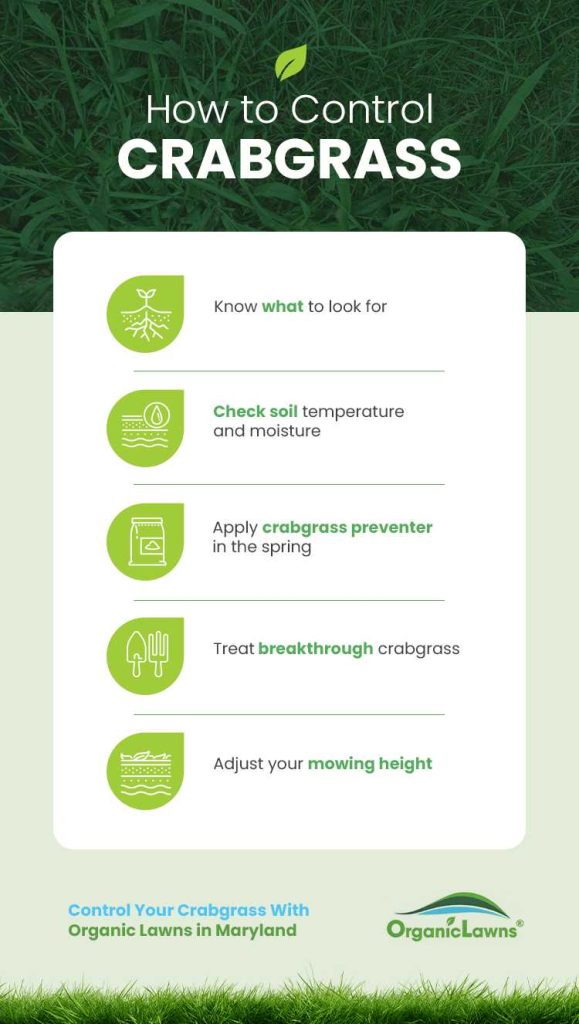
Yes, mowing height can significantly influence crabgrass growth. Raising your mower blade can help prevent early crabgrass invasion, while cutting too low may encourage it to spread. A proper mowing height creates an unfavorable environment for crabgrass to thrive, giving your turf a healthier, more resilient appearance.
Short answer: Mowing at a higher setting slows crabgrass development by shading its seeds and roots, whereas mowing too short can promote its spread. Adjusting your mowing habits is key to managing crabgrass effectively.
Crabgrass is one of the most common and stubborn weeds that invade lawns, especially during warm months. Its aggressive growth can quickly turn a lush, green yard into a patchy, weed-filled mess. For homeowners and garden enthusiasts, understanding how mowing height impacts crabgrass growth offers a simple yet effective strategy to control its spread. Many people assume that mowing is just about maintaining a neat appearance, but the right height can actually serve as a powerful weed management tool. When you cut your grass too short, you expose the soil, giving crabgrass seeds the perfect opportunity to sprout and establish themselves. Conversely, keeping your grass a bit taller shades the soil, making it harder for crabgrass to take hold. This insight underscores the importance of proper mowing practices in maintaining a healthy, weed-resistant lawn.

Does Mowing Height Affect Crabgrass Growth?
Understanding Crabgrass and Its Growth Habits
Crabgrass is a common weed that invades lawns during the warm months. It spreads rapidly and can quickly take over a grassy area if not managed properly. Crabgrass thrives in disturbed soil and sunny spots, making the way you mow your lawn a key factor in controlling its growth. Knowing how crabgrass responds to mowing height helps homeowners keep their lawns healthy and free of this pesky weed.
How Mowing Height Influences Crabgrass Development
Mowing height plays a significant role in determining how well crabgrass can grow and spread. When the grass is cut too short, it weakens the turf, creating open spots that crabgrass can easily invade. Conversely, cutting the grass higher can help shade the soil, making it harder for crabgrass seeds to germinate and establish roots.
Effect of Short Mowing on Crabgrass Growth
Cutting your grass very short—such as below two inches—removes the shade that grass provides to the soil. This exposes the soil to sunlight, encouraging crabgrass seeds to sprout. Short mowing also stresses the turf, reducing its ability to outcompete weeds. As a result, crabgrass can quickly fill in areas where the grass is weakened.
Benefits of Taller Mowing Heights
Mowing at a height of three to four inches allows the grass to grow thicker and more resilient. Taller grass shades the soil more effectively, preventing sunlight from reaching crabgrass seeds. This shade reduces seed germination and limits the weed’s ability to establish itself. Additionally, taller turf helps retain soil moisture and improves overall lawn health, making it harder for crabgrass to take hold.
Optimal Mowing Height for Preventing Crabgrass
Choosing the right mowing height is essential in crabgrass control. Most lawn experts recommend maintaining a mowing height of at least three inches for cool-season grasses and three and a half to four inches for warm-season grasses. This height strikes a balance between promoting healthy turf and discouraging crabgrass growth.
How to Set Your Mower for the Best Results
Adjust the mower blades so that the cutting height falls within the recommended range for your grass type. Never remove more than one-third of the grass height at a time to prevent stressing the turf. Regularly sharpening mower blades ensures clean cuts, which support healthy grass growth and enhance weed resistance.
Other Factors Addressing Crabgrass and Mowing Practices
While mowing height is crucial, it works best when combined with other lawn care practices. Proper fertilization, watering, and weed control methods all contribute to a thick, healthy lawn that naturally resists crabgrass.
Proper Watering for Healthy Turf
Deep, infrequent watering encourages deep grass roots, making the turf more competitive against weeds. Shallow watering can leave the soil surface dry and inviting for crabgrass seeds to germinate. Aim to water early in the morning and ensure uniform coverage.
Fertilization to Strengthen Your Lawn
Applying the right fertilizer at appropriate times promotes dense, lush grass growth. Healthy turf minimizes spaces where weeds like crabgrass can establish. Use a soil test to determine the specific nutrients needed in your lawn.
Weed Control Strategies
Pre-emergent herbicides prevent crabgrass seeds from sprouting and are most effective when applied early in the season. Post-emergent herbicides can be used for existing crabgrass but should be applied carefully to avoid damaging desirable grass.
Common Mowing Mistakes That Promote Crabgrass
Certain mowing habits inadvertently encourage crabgrass growth. Cutting the grass too short, mowing unevenly, or neglecting mower maintenance can weaken your lawn’s natural defenses.
Issues with Machining Too Short
Mowing below two inches strips away too much leaf tissue, stressing the grass and exposing soil. This stress weakens the turf, making it vulnerable to crabgrass invasion.
Problems Caused by Uneven Mowing
Mowing unevenly creates patches of stressed grass that are less competitive. Consistent mowing height is key to maintaining a strong, uniform lawn that resists weeds.
Importance of Regular Lawn Maintenance
Regularly sharpening mower blades ensures clean cuts that promote healthy growth. Additionally, mowing at appropriate intervals prevents excessive grass height, supporting a dense and weed-resistant turf.
Understanding the Role of Soil Health in Crabgrass Prevention
Healthy soil provides the foundation for a vigorous lawn. Soil testing can reveal deficiencies that, if corrected, improve grass health and reduce weed susceptibility.
Amending the Soil
Adding organic matter, adjusting pH levels, and ensuring proper drainage promote strong root systems. Well-maintained soil supports dense grass growth that crowds out crabgrass.
Aeration and Overseeding
Aerating the lawn reduces soil compaction, facilitating nutrient absorption. Overseeding introduces new, healthy grass to fill in bare spots, leaving less room for crabgrass to grow.
Related Topics and Additional Tips
Addressing crabgrass also involves understanding different grass types and their mowing requirements. For example, cool-season grasses like Kentucky bluegrass benefit from higher mowing heights, while warm-season grasses like Bermuda thrive at slightly lower heights.
Timing Your Mowing Practices
Adjust mowing height based on the season. During peak growth, higher mowing helps prevent crabgrass, whereas in cooler months, slightly lower mowing may be acceptable.
Dealing with Existing Crabgrass
For crabgrass already present, hand-pulling or spot-treating with selective herbicides can be effective. Combine these with practices that strengthen your turf to prevent future outbreaks.
Using Mulch and Lawn Covers
Applying mulch or laying lawn covers can suppress crabgrass seeds’ germination, especially in garden beds and lawn edges.
Summary of Best Practices for Mowing and Crabgrass Control
- Maintain a mowing height of at least three inches for most lawns.
- Avoid removing more than one-third of grass height at a time.
- Regularly sharpen mower blades for clean cuts.
- Water deeply and infrequently to promote deep roots.
- Fertilize appropriately to support dense turf growth.
- Apply pre-emergent herbicides early in the season.
- Address soil health through aeration and amendments.
- Keep mowing consistent and avoid uneven cuts.
Seeking to control crabgrass involves a combination of proper mowing, lawn care, and soil management. By adjusting mowing heights and adopting the right practices, you can foster a thick, healthy lawn that naturally keeps crabgrass at bay.
How Mowing Height Prevents Weeds – Turf Tips with Dr. Brad
Frequently Asked Questions
How does mowing height influence the spread of crabgrass in a lawn?
Maintaining a proper mowing height can significantly impact crabgrass growth. When lawn grass is cut too short, it weakens the turf and creates open spaces that crabgrass seeds can easily invade. Raising the mower height helps preserve taller grass blades, which shade the soil, reduce soil temperature, and inhibit crabgrass seed germination. Keeping the grass at an optimal height fosters a healthier lawn that naturally resists crabgrass establishment.
What mowing practices can help prevent crabgrass infestation?
To minimize crabgrass, set your mower to a height that leaves the grass around 2.5 to 3 inches tall. This height promotes dense turf, which leaves less space for crabgrass seeds to settle and grow. Additionally, avoid cutting more than one-third of the grass height at a time, as this stresses the grass and weakens its ability to compete with weeds. Regular mowing at the correct height supports a thick, healthy lawn that discourages crabgrass proliferation.
Does mowing frequency affect crabgrass growth and control?
Yes, mowing frequency plays a vital role in controlling crabgrass. Mow your lawn regularly to maintain the recommended height, which prevents the grass from becoming too tall or too short. Frequent mowing at the appropriate height ensures that the grass remains dense and vigorous, making it harder for crabgrass to establish. Proper mowing frequency helps sustain a competitive turf that naturally suppresses weed growth.
Can adjusting mowing height during different seasons reduce crabgrass issues?
Adjusting mowing height seasonally can help control crabgrass. In early spring, raise the mower height to promote vigorous grass growth that can outcompete crabgrass seedlings. As the weather warms, lower the height slightly to encourage dense coverage. In fall, increase the height again to protect the soil and roots from temperature fluctuations. These adjustments create an environment less favorable to crabgrass and support overall lawn health.
Final Thoughts
Mowing height significantly impacts crabgrass growth. Cutting your grass too short weakens the turf, making it easier for crabgrass to invade. Taller mowing heights provide shade and competition, suppressing crabgrass development.
Maintaining the right mowing height helps keep crabgrass at bay and promotes a healthy lawn. Does mowing height affect crabgrass growth? Yes, it plays a crucial role in controlling its spread and ensuring a lush, resilient yard.