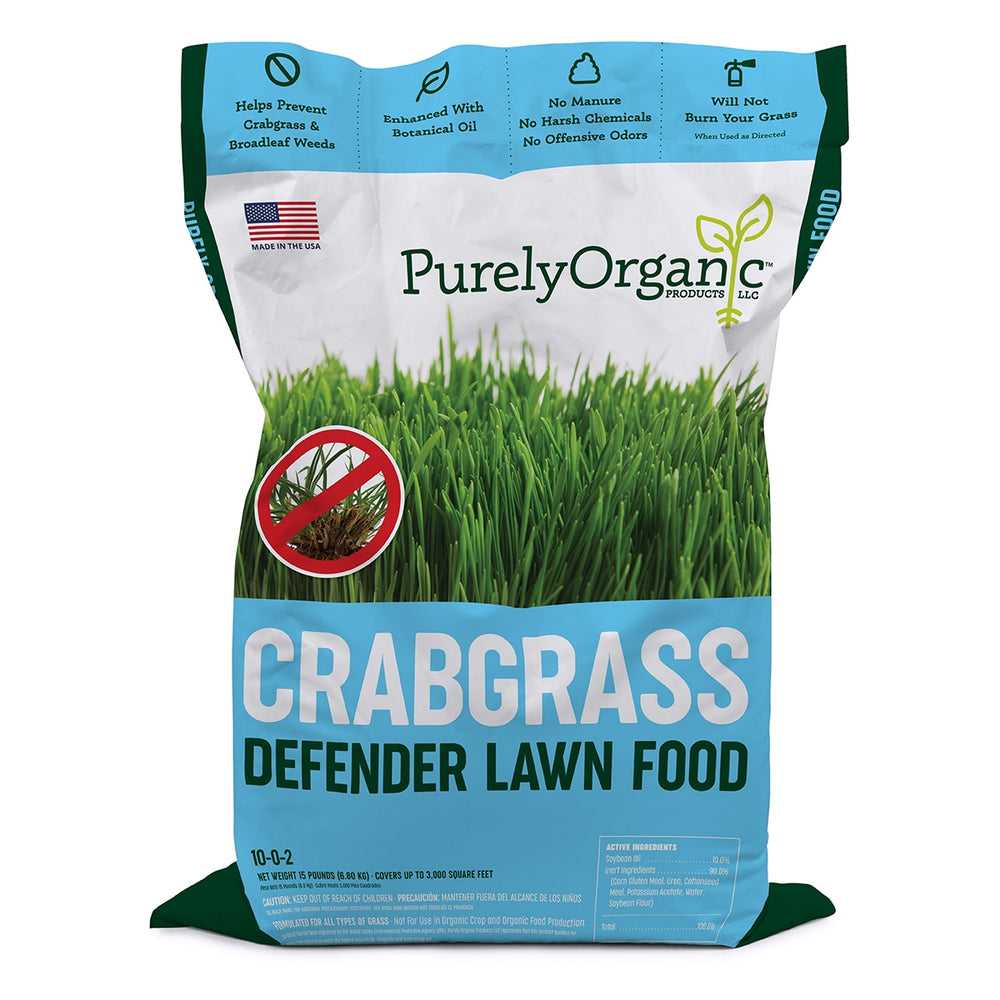
Quick Answer: Enhancing recreational areas with effective crabgrass control involves implementing proper maintenance techniques and utilizing herbicides specifically designed to target and eliminate crabgrass. Regular mowing, watering, and fertilization, along with the application of pre-emergent herbicides, can help prevent the growth and spread of crabgrass. Additionally, post-emergent herbicides can be used to eliminate any existing crabgrass. By taking these proactive steps, recreational areas can maintain a lush and healthy appearance, providing a more enjoyable experience for visitors.
Crabgrass is a persistent and invasive weed that can quickly take over recreational areas and diminish their aesthetic appeal. Whether it’s a community park, sports field, or golf course, the presence of crabgrass can be detrimental to the overall beauty and functionality of these spaces. In order to enhance recreational areas and keep them free of unwanted crabgrass, it’s crucial to implement effective control measures.
One of the key aspects of crabgrass control is regular maintenance. This includes routine mowing to keep the grass at an optimal height, which prevents crabgrass from receiving the necessary sunlight to thrive. Additionally, proper watering and fertilization can help promote healthy turf that is more resistant to crabgrass invasion.
In conjunction with maintenance practices, the strategic use of herbicides is essential for effective crabgrass control. Pre-emergent herbicides are specifically designed to prevent the germination and establishment of crabgrass seeds. These should be applied in early spring before the soil temperature reaches the optimal range for crabgrass growth. It’s important to follow the instructions and guidelines provided by the herbicide manufacturer when applying these products.
In cases where crabgrass has already emerged, post-emergent herbicides can be utilized for targeted control. These herbicides directly target and eliminate existing crabgrass plants. However, it’s important to carefully select a herbicide that is safe for use on your specific turfgrass type. Consulting with a professional or local horticulture extension office can help ensure the appropriate product is chosen.
By taking a proactive approach and implementing effective crabgrass control measures, recreational areas can maintain a lush and healthy appearance. This not only enhances the overall aesthetics, but also provides a more enjoyable experience for visitors. So, whether you’re responsible for maintaining a neighborhood park or a sports field, incorporating the right maintenance techniques and utilizing proper herbicides can make a world of difference in your efforts to control crabgrass and enhance recreational areas.

Enhancing Recreational Areas with Effective Crabgrass Control
Recreational areas, such as parks, sports fields, and backyard gardens, provide valuable spaces for relaxation, play, and community gatherings. However, one common nuisance that threatens the beauty and functionality of these spaces is crabgrass. Crabgrass, a rapidly spreading and invasive weed, can quickly take over recreational areas if not properly controlled. In this article, we will explore the importance of effective crabgrass control in enhancing recreational areas, discussing various techniques, preventive measures, and maintenance tips to keep these spaces thriving and weed-free.
The Impact of Crabgrass on Recreational Areas
Crabgrass, scientifically known as Digitaria, is a warm-season annual grass that thrives in areas with full sun and well-drained soil. It is notorious for its ability to rapidly spread and outcompete desirable grass species, leading to a patchy, unsightly appearance in recreational areas. Its growth habit, shallow root system, and prolific seed production make crabgrass a formidable opponent for maintaining lush and healthy turf.
1. Rapid Spread: Crabgrass spreads through seeds and stems that root at nodes, allowing it to expand rapidly in all directions. This aggressive growth pattern makes it difficult to control once it becomes established.
2. Weakening of Desirable Grass: As crabgrass grows, it competes with desirable grass species for sunlight, water, and nutrients, ultimately weakening the overall turf density and health. This can negatively impact the functionality and aesthetics of recreational areas.
3. Seasonal Persistence: Crabgrass is especially troublesome during the summer months when it thrives in warm temperatures. It can easily outcompete cool-season grasses, leading to a decline in turf quality and coverage.
Techniques for Effective Crabgrass Control
To maintain a weed-free and lush recreational area, implementing effective crabgrass control techniques is crucial. Here, we discuss various strategies that can help in managing crabgrass infestations:
1. Pre-Emergent Herbicides
Preventing crabgrass before it germinates is key to controlling its spread. Pre-emergent herbicides act as a barrier in the soil, inhibiting crabgrass seed germination. Timing is critical when using pre-emergent herbicides, as they should be applied before crabgrass starts to grow. Consult with a professional landscaper or follow product instructions for proper application timing and rates.
2. Proper Mowing Practices
Maintaining the correct mowing height is important for suppressing crabgrass growth. Set your mower blade to a height that encourages desirable grass species but restricts crabgrass. Cutting the turf too short can create ideal conditions for crabgrass to establish and thrive. Regular mowing also helps prevent seed-head formation, reducing the spread of crabgrass seeds.
3. Adequate Fertilization and Irrigation
Promoting the growth of desirable grass species is essential in minimizing crabgrass invasion. Providing sufficient nutrients through regular fertilization helps to strengthen the turf, creating a denser stand that is more resistant to crabgrass infestation. Similarly, proper irrigation practices, such as deep and infrequent watering, help maintain healthy grass and discourage crabgrass growth.
4. Overseeding and Reseeding
Overseeding or reseeding thin and bare areas in recreational areas can help fill in gaps, preventing crabgrass from taking hold. Choose high-quality grass seed that is suitable for your region’s climate and growing conditions. Overseeding introduces desirable grass species that can outcompete crabgrass, resulting in a thicker and more resilient turf.
5. Manual Removal
Hand-pulling or manually removing crabgrass is an effective option for small infestations or isolated patches. Ensure that you remove the entire plant, including the roots, to prevent regrowth. It is advisable to hand-pull crabgrass when the soil is moist, as it makes extraction easier.
Preventive Measures for Long-Term Control
While effectively managing existing crabgrass is important, taking preventive measures is crucial for long-term control and enhancing recreational areas. Consider the following preventive practices:
1. Regular Inspections
Regularly inspecting your recreational areas for early signs of crabgrass infestation is essential. Identifying and addressing the problem in its early stages allows for easier control and prevents further spread. Keep an eye out for crabgrass seedlings, which are pale green and have a distinct appearance compared to desirable grasses.
2. Aerate and Dethatch
Proper aeration and dethatching practices can help create an environment where desirable grass species can thrive, reducing the chances of crabgrass invasion. Aeration helps improve soil drainage, while dethatching removes excess thatch that can harbor crabgrass seeds.
3. Encourage Healthy Turf
Promoting overall turf health through regular maintenance practices is essential for preventing crabgrass. This includes proper fertilization, irrigation, and mowing practices, as mentioned earlier. Healthy, dense turf provides less opportunity for crabgrass to establish and spread.
4. Avoid Overwatering
Overwatering not only wastes water but also creates favorable conditions for crabgrass growth. Excessive moisture can weaken desirable grasses and make them more susceptible to crabgrass invasion. Water your recreational areas deeply but infrequently to encourage deep root growth in desirable grass species.
5. Mulching and Landscape Fabric
Using mulch or landscape fabric in non-turf areas around recreational spaces can help prevent crabgrass growth. These materials act as a physical barrier, blocking sunlight and preventing crabgrass seeds from germinating. Mulching also helps retain soil moisture and reduce weed competition.
By implementing these effective crabgrass control techniques and preventive measures, you can enhance recreational areas and ensure they remain vibrant, weed-free, and inviting for everyone to enjoy. Regular maintenance, early intervention, and a proactive approach to weed management are key in creating thriving recreational spaces for all to appreciate.
Best Summer Weed Control For Lawns, Cracks and Beds, Yipee!
Frequently Asked Questions
Q: What is crabgrass and why is it a concern in recreational areas?
Crabgrass is a common weed that tends to thrive in open and bare areas. It spreads quickly, forming dense patches that can hinder the growth of desirable grasses and plants. In recreational areas such as parks, sports fields, and golf courses, crabgrass can undermine the aesthetics and functionality of the space, making it essential to address this issue.
Q: How does crabgrass control enhance recreational areas?
By effectively controlling crabgrass, recreational areas can maintain a lush and healthy appearance. This not only improves the aesthetic appeal but also provides a safer and more enjoyable experience for visitors. Furthermore, effective crabgrass control allows for the growth of desired grass and plants, enhancing the overall quality and resilience of the recreational area.
Q: What are some common methods for crabgrass control in recreational areas?
There are several methods for crabgrass control in recreational areas. These include manual removal by hand, regular mowing to prevent seed formation, pre-emergent herbicide application to hinder seed germination, and post-emergent herbicide application to eliminate existing crabgrass plants. Integrated approaches that combine these methods tend to yield the best results.
Q: Are there any environmentally friendly options for crabgrass control in recreational areas?
Absolutely! Environmentally friendly crabgrass control options are available for recreational areas. Some examples include using organic herbicides derived from natural ingredients, employing organic mulches to smother crabgrass growth, and promoting a healthy lawn through proper irrigation, fertilization, and aeration practices. These approaches minimize the use of synthetic chemicals and support sustainable management of recreational areas.
Q: How often should crabgrass control measures be implemented in recreational areas?
The frequency of implementing crabgrass control measures depends on various factors such as the climate, soil conditions, and the level of crabgrass infestation. Generally, a proactive approach is recommended with regular monitoring and control efforts throughout the year. It is advisable to develop a management plan specific to each recreational area, ensuring timely and effective crabgrass control.
Q: Can professional assistance be sought for crabgrass control in recreational areas?
Yes, seeking professional assistance for crabgrass control in recreational areas is a wise choice. Professional landscapers and experts can assess the unique needs of the recreational space, develop a tailored crabgrass control plan, and utilize their expertise to implement effective strategies. Their knowledge and experience can save time, effort, and ensure optimal results in enhancing the recreational area.
Final Thoughts
Enhancing recreational areas with effective crabgrass control is crucial for maintaining beautiful and safe spaces for everyone to enjoy. By implementing proper management techniques, such as regular mowing and appropriate herbicide applications, we can significantly reduce the presence of crabgrass. This will not only enhance the aesthetic appeal of recreational areas but also promote healthy growth of desired grass species. With a focus on proactive maintenance and continuous monitoring, we can create enjoyable environments that are free from the invasive and unsightly effects of crabgrass. Enhancing recreational areas with effective crabgrass control is a key priority in ensuring the longevity and quality of these spaces.