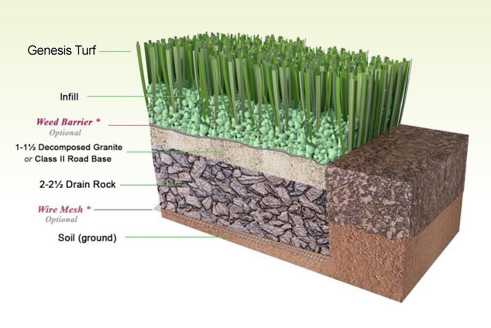
Installing turf grass is a straightforward process that can transform your lawn into a lush, green oasis. To start, ensure your soil is well-prepared by removing any debris, rocks, and weeds, and then level it out. Lay down a layer of topsoil if necessary to improve drainage and provide a healthy base for the turf. Once your soil is prepped, measure and cut the turf to fit your space, making sure to stagger the seams for a natural look. Finally, roll out the turf, ensuring it lays flat and secure, and water it thoroughly to help establish roots. With a little effort, you can enjoy a beautiful, low-maintenance lawn in no time!
Creating a vibrant lawn with turf grass is a fulfilling project that enhances your outdoor space. Whether you’re looking to host gatherings, play with your kids, or simply enjoy the beauty of nature, a well-installed turf lawn provides a soft, inviting landscape. The benefits of turf grass extend beyond aesthetics; it also helps prevent soil erosion, improves air quality, and can even reduce noise pollution. Even if you’re unfamiliar with landscaping, installing turf grass is manageable with the right preparation and care. In this guide, we’ll walk you through the essential steps to successfully install turf grass, ensuring your new lawn thrives for years to come.

How to Install Turf Grass
Installing turf grass is a fantastic way to enhance the beauty of your outdoor space. With its lush greenery and soft texture, it provides a perfect setting for relaxation, playing, or hosting gatherings. The process may seem daunting, but with proper steps and guidelines, you can have a beautiful lawn in no time. Let’s break down the process of how to install turf grass effectively.
Understanding Turf Grass
Before diving into the installation, it is essential to understand what turf grass is. It refers to a type of grass grown specifically for lawns and sports fields. There are various types of turf grass available, such as cool-season and warm-season grasses.
– **Cool-Season Grasses:** Thrive in the northern regions with colder climates. Examples include Kentucky Bluegrass and Fescue.
– **Warm-Season Grasses:** Prefer southern climates with warmer temperatures. Common options are Bermuda grass and Zoysia grass.
Selecting the right type for your area is vital for successful growth.
Tools and Materials Required
To install turf grass, you’ll need several tools and materials. Here’s a checklist to make sure you have everything handy:
- Turf grass rolls or slabs
- Shovel
- Rake
- Garden hoe
- Leveling tool
- Sprinkler or hose
- Soil amendments (if necessary)
Having the right tools facilitates a smoother installation process.
Preparing the Site
The preparation of the site is critical to the success of your turf grass installation.
1. **Clear the Area:** Remove any existing grass, weeds, or debris using a shovel or a hoe. Ensure the area is free of large rocks or roots.
2. **Test the Soil:** Conduct a soil test to determine its pH and nutrient levels. This testing will help you decide if you need to add any soil amendments.
3. **Amend the Soil:** Based on the results, add organic matter or fertilizers to enrich the soil, promoting healthy grass growth.
Proper site preparation sets the foundation for a thriving lawn.
Leveling the Soil
Once the area is cleared and amended, leveling the soil is the next step.
– Use a rake to spread the soil evenly across the area.
– Ensure that the soil is roughly 2 to 3 inches deep, which provides ample space for the turf roots to grow.
A level area helps with water drainage, minimizing the risk of puddles and dry spots.
Choosing the Right Time
Timing your turf grass installation is crucial for optimal results.
– **Spring and Fall:** These seasons are typically the best times for planting, as temperatures are more moderate.
– **Avoid Extreme Weather:** Try not to install during hot, dry conditions or during heavy rain, which can affect the establishment of the grass.
Waiting for the right time can significantly enhance the likelihood of a healthy lawn.
Installing the Turf Grass
Now that the ground is prepared, it’s time to install the turf grass.
1. **Lay the Turf Rolls:** Start at the edge of the area and unroll the turf grass.
2. **Stagger the Seams:** When laying out the next roll, stagger the seams to avoid a grid-like pattern, which can be unsightly.
3. **Trim as Necessary:** Use a sharp knife to trim any excess turf at the edges to ensure a neat look.
Following these steps helps create an appealing and seamless lawn.
Watering the New Turf
Proper watering is critical immediately after installation.
– Water the grass right after laying it down, ensuring the soil beneath is moist, not soggy.
– For the first few weeks, water the turf daily until the roots establish themselves.
Maintaining adequate moisture supports healthy growth.
Fertilizing the Turf Grass
Applying fertilizer can help promote strong root growth and vibrant color.
– Use a starter fertilizer designed for new lawns.
– Spread the fertilizer evenly over the turf according to the package instructions.
Fertilizing provides essential nutrients that support overall grass health.
Mowing the New Turf
Once the turf grass reaches a height of about 3 inches, it’s time to mow.
– Set your mower blades high to avoid stressing the new grass.
– Mow regularly to promote thick growth and prevent weeds.
Proper mowing practices contribute to a lush and healthy lawn.
Establishing the Lawn
After installation, the lawn needs time to establish itself.
– Limit heavy foot traffic for the first few weeks to allow the grass to root well.
– Monitor for any signs of pests or diseases and address them promptly.
Patience is key for a thriving lawn.
Ongoing Maintenance
Once your turf grass is established, ongoing maintenance ensures it remains healthy and attractive.
– **Regular Watering:** Adjust your watering schedule based on the weather. Aim for about 1 inch of water per week.
– **Fertilizing:** Reapply fertilizer every few months to replenish the nutrients in the soil.
– **Weeding:** Regularly check for weeds. Hand-pull or use appropriate herbicides to eliminate them.
Consistent care will keep your turf grass looking its best.
Common Issues and Solutions
Even with the best care, you may encounter some common issues with your turf grass.
– **Brown Patches:** This may indicate drought stress or disease. Ensure proper watering and consider consulting a lawn care professional if the issue persists.
– **Weeds:** Regular mowing and proper fertilization help prevent weeds. If they do appear, hand-pull or use a selective herbicide.
– **Pest Problems:** Keep an eye out for pests like grubs or chinch bugs. Use appropriate control measures if you notice any infestations.
Addressing these issues promptly helps maintain a healthy lawn.
Installing turf grass requires careful planning and dedication, but the results can be incredibly rewarding. By following each of these steps, you can create a lush, green lawn that enhances your outdoor space and provides a perfect backdrop for any activity. Enjoy your new turf grass, and remember that regular care and maintenance will help keep it thriving for years to come!
How to Install Artificial Turf for Beginners DIY
Frequently Asked Questions
What preparation steps are necessary before laying turf grass?
Before laying turf grass, you need to prepare the soil adequately. Start by clearing the area of existing grass, weeds, and debris. Then, till the soil to a depth of about 4 inches to aerate it. After tilling, level the soil and ensure proper drainage by creating a gentle slope away from buildings. It’s beneficial to test the soil pH and amend it with necessary nutrients such as compost or fertilizer to enhance growth.
How can I ensure the turf grass establishes well after installation?
To ensure proper establishment of your turf grass, water it thoroughly right after installation. Aim to keep the soil consistently moist for the first few weeks, watering lightly but frequently. Avoid heavy foot traffic during this period to allow the roots to establish. After 2-3 weeks, gradually reduce watering frequency while increasing the amount to encourage deep root growth.
What type of turf grass is suitable for my climate?
The suitability of turf grass depends on your climate zone. For cooler regions, consider cool-season grasses like Kentucky bluegrass or fescue, which thrive in lower temperatures. In warmer climates, warm-season grasses like Bermuda or zoysia perform better. Consulting a local garden center or extension service can help you choose the best type for your specific conditions.
What maintenance practices should I follow after installing turf grass?
Regular maintenance is crucial for the health of your new turf grass. Mow the lawn once it reaches about 3 inches in height, cutting no more than one-third of the grass blade at a time. Water deeply but less frequently to encourage strong roots. Additionally, apply a balanced fertilizer periodically and address any pest or weed issues promptly to maintain a healthy lawn.
How long does it take for turf grass to fully establish?
Turf grass typically takes about 2 to 3 weeks to establish roots, but full establishment may take several months. During this time, the grass will need regular watering and care. You can monitor its growth by checking for signs of new shoots and ensuring the grass holds firm when tugged lightly. Patience is key, as well-established turf provides better resilience against stress and wear.
Final Thoughts
Installing turf grass involves several key steps to ensure a healthy lawn. Begin by preparing the soil, removing weeds and debris, and leveling the area. Next, lay down the sod pieces tightly, staggering the seams for a seamless look.
Water the newly installed turf thoroughly to help it establish roots, and continue to water regularly, especially in the initial weeks. Following these guidelines will help you achieve a vibrant lawn. Ultimately, knowing how to install turf grass sets the foundation for a beautiful landscape.