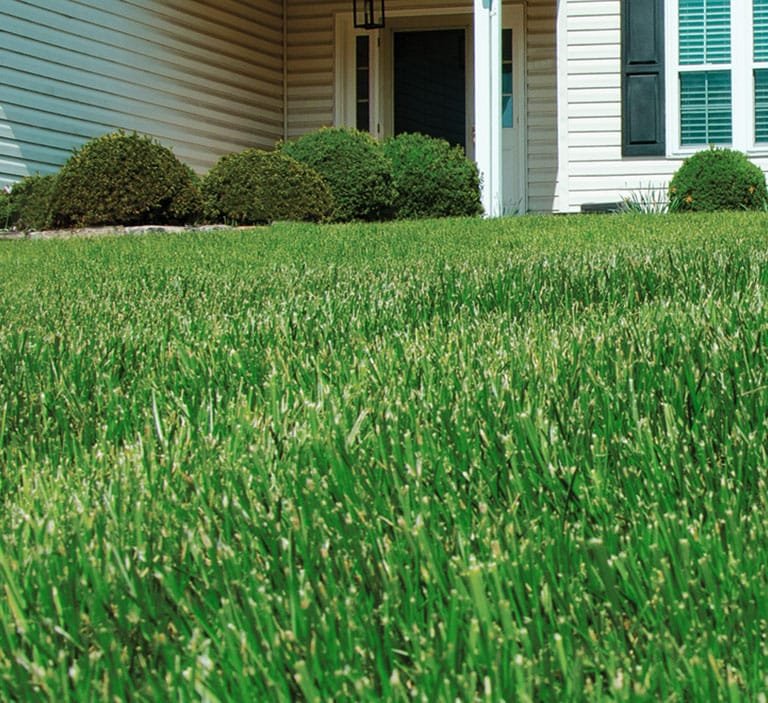
Feeding your lawn at the right time is crucial for its health and vibrancy. **The best time to feed your lawn is during the growing season, typically in spring and fall.** This is when your grass can absorb nutrients most effectively, ensuring a lush, green appearance.
Timing your fertilization can make the difference between a thriving yard and a lackluster one. Understanding what is the best time to feed your lawn can help you achieve the lawn of your dreams. With some care and attention, your lawn will flourish all year round.

What is the Best Time to Feed Your Lawn
Feeding your lawn is an essential part of lawn care that ensures it remains healthy, vibrant, and resilient. But what is the best time to feed your lawn? This question can be complex, as it largely depends on several factors, including your region, the type of grass you have, and the specific goals for your lawn.
Let’s delve deep into understanding the best times to feed your lawn, the different types of fertilizers available, and tips on application to achieve a lush green yard.
Understanding Grass Types
Before determining the best time to feed your lawn, it is crucial to identify the type of grass you have. Generally, grass types fall into two categories: cool-season grasses and warm-season grasses.
Cool-Season Grasses
Cool-season grasses, such as Kentucky bluegrass and fescue, grow best during the cooler months of spring and fall. They thrive when temperatures are between 60°F and 75°F. Therefore, the best times to feed them are:
– Early spring (March to April): This is when cool-season grasses begin to wake up from winter dormancy.
– Early fall (September to October): This is the ideal time to promote strong root growth and prepare the lawn for winter.
Warm-Season Grasses
Warm-season grasses, like Bermuda and zoysia, grow optimally in warmer temperatures, typically between 80°F and 95°F. For these types, the best times to feed them are:
– Late spring (May to June): This is when warm-season grasses begin to grow rapidly.
– Late summer (August to September): Fertilizing at this time can help them store nutrients for the coming cooler months.
Types of Fertilizers
Another important aspect to consider is the type of fertilizer you will use. Different fertilizers have varying nutrient compositions and release rates that affect when and how you should apply them.
Granular Fertilizers
Granular fertilizers are solid forms of nutrients that you can spread evenly over your lawn. They come in fast-release and slow-release formulas.
– **Fast-release fertilizers**: These provide a quick nutrient boost but can leach away quickly, often requiring multiple applications throughout the growing season.
– **Slow-release fertilizers**: These gradually release nutrients over time, providing a steady supply of food and requiring fewer applications. This type is ideal for long-term lawn health.
Liquid Fertilizers
Liquid fertilizers are another option that can offer immediate nourishment to your lawn. They are often used for spot treatments or feeding during periods of high demand, such as during the peak growing season.
– **Quick absorption**: Liquid fertilizers are absorbed quickly by grass blades and roots, leading to rapid greening.
– **Easy application**: Many homeowners find liquid fertilizers easier to apply, especially with sprayers.
Best Feeding Practices
Once you know when to feed your lawn and what type of fertilizer to use, it’s important to understand some best practices to get the most out of your fertilization.
Soil Testing
Before applying any fertilizer, conduct a soil test. This will tell you the existing nutrient levels in your soil, helping you determine what type of fertilizer will best benefit your lawn.
– **Identify nutrient deficiencies**: A soil test can reveal whether your lawn lacks nitrogen, phosphorus, potassium, or other nutrients.
– **Adjust based on results**: Tailor your fertilizer choice to address these deficiencies effectively.
Timing of Application
Timing is everything. Be sure to apply fertilizer when the grass is actively growing.
– **Water in the fertilizer**: Always water your lawn a day or two after applying granular fertilizers. This helps the nutrients seep into the soil.
– **Avoid feeding during dormancy**: Do not fertilize when the grass is dormant (like in winter for cool-season grasses or extremely hot summer for warm-season grasses).
Application Techniques
To achieve an even application and avoid burning your lawn, use the following techniques:
– **Broadcast spreader**: A broadcast spreader can help ensure even distribution across the lawn.
– **Liquid sprayer**: If using a liquid fertilizer, make sure to follow label instructions to prevent over-concentration in one area.
Seasonal Lawn Care Strategies
Understanding how to integrate fertilization into your overall lawn care plan is essential for long-term health.
Spring Care
In spring, when grass begins to awaken from winter dormancy, it’s the perfect time to provide a nutrient boost.
– Apply a granular slow-release fertilizer that contains nitrogen to stimulate growth.
– Monitor for weeds and treat them promptly, as they can compete with grass for nutrients.
Summer Care
During summer, your focus shifts to maintaining the health of your lawn during high temperatures.
– Avoid heavy fertilization during extremely hot weather; a light feeding can suffice.
– If you opt for liquid fertilizer, consider applying it during the cooler parts of the day.
Fall Care
Fall is one of the most important times to feed your lawn.
– Apply a slow-release fertilizer to help strengthen roots and prepare the lawn for winter.
– Rake up leaves regularly to allow sunlight to reach the grass and prevent mold or disease.
Signs Your Lawn Needs Feeding
Sometimes, it can be unclear if your lawn needs feeding. Look for these signs:
– **Yellowing grass**: If your grass is losing its vibrant green color, it may need additional nutrients.
– **Thin patches**: If you notice thinning areas, feeding can help thicken the grass.
– **Weed growth**: An increase in weeds may indicate that your grass is not getting enough nutrients and can allow weeds to thrive.
Potential Pitfalls to Avoid
It’s essential to be aware of common mistakes people make when feeding their lawns.
Over-Fertilization
Applying too much fertilizer can lead to “burning” of the grass, where it turns brown instead of green.
– Always follow the recommended application rates on the fertilizer package.
– Use a spreader to help with even application to avoid patches of concentrated fertilizer.
Ignoring Weather Conditions
Feeding just before heavy rain can wash nutrients away.
– Check the weather report before applying fertilizers.
– Fertilize when no rain is expected for at least 24-48 hours.
Feeding During Dormancy
Don’t fertilize your lawn when it’s dormant.
– For cool-season grasses, avoid feeding during winter.
– For warm-season grasses, wait until temperatures rise in late spring.
Proper timing, understanding your grass type, and following best practices can lead to a beautiful lawn over time. Keeping these guidelines in mind will help ensure that your lawn stays healthy and green, making your outdoor space enjoyable all year round.
WHEN ARE THE BEST TIMES TO FERTILIZE YOUR LAWN?
Frequently Asked Questions
How often should I feed my lawn throughout the year?
The frequency of lawn feeding depends on the type of grass and the specific growing conditions in your area. Generally, it’s best to fertilize your lawn every 6-8 weeks during the growing season, which is typically from spring to early fall. For cool-season grasses, focus on feeding in early spring and again in the fall. Warm-season grasses benefit from fertilization in late spring and summer when they are actively growing.
What weather conditions should I consider when feeding my lawn?
Optimal weather conditions for lawn feeding include mild temperatures and some moisture in the soil. Avoid fertilizing during extremely hot or dry conditions, as this can stress the grass and reduce the effectiveness of the fertilizer. Additionally, feeding just before rain can help the nutrients penetrate the soil more effectively.
Is there a difference in feeding established lawns versus newly sown grass?
Yes, established lawns and newly sown grass have different nutritional needs. Newly seeded lawns typically require a starter fertilizer that is high in phosphorus to promote root development, applied at the time of sowing. Established lawns benefit from a balanced fertilizer that focuses on nitrogen for growth during the active growing season.
Can I feed my lawn during dormancy?
Feeding your lawn during dormancy is generally not beneficial. Grass typically goes dormant in periods of extreme heat or cold, and it doesn’t actively grow during these times. Instead, focus on fertilizing when the grass is actively growing to ensure it can properly utilize the nutrients.
What signs indicate it’s time to fertilize my lawn?
Look for signs such as dull or yellowing grass, thin patches, and slow growth. If your grass isn’t recovering well from foot traffic or drought, it may also indicate a need for fertilizer. A soil test can provide precise information about nutrient deficiencies in your lawn, helping you decide when to feed.
Final Thoughts
Feeding your lawn at the right time significantly impacts its health and appearance. For most lawns, the best time to feed your lawn is during the spring and fall. This schedule aligns with the grass’s growth cycles, promoting lush growth and resilience.
In spring, your lawn needs nutrients to recover from winter and thrive in warmer temperatures. In the fall, feeding helps strengthen roots and prepares the grass for winter dormancy. Following this timing ensures a vibrant and healthy lawn throughout the year.