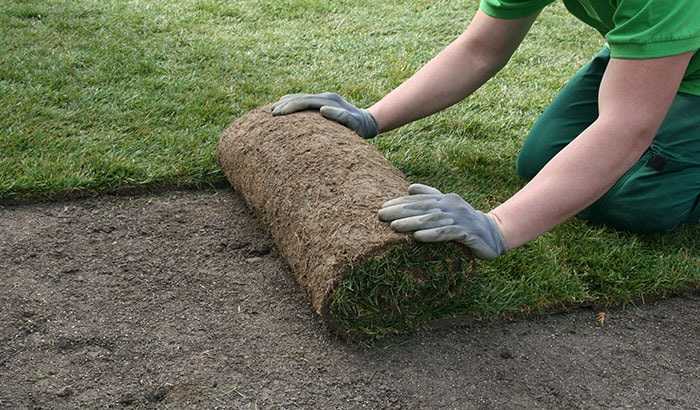
The best time to roll your lawn is during the early spring or late fall. Rolling your lawn can help to create a smoother and more even surface, improving the overall appearance of your yard. However, it’s important to choose the right time of year to roll your lawn to ensure that you don’t cause any damage.
During the early spring, rolling your lawn can help to eliminate any heaving or unevenness caused by frost or freezing temperatures during the winter months. This is especially important if you live in an area with a cold climate.
Similarly, rolling your lawn in the late fall can help to prepare your yard for the winter season. By rolling your lawn before the ground freezes, you can help to prevent any potential damage that can occur when the ground shifts due to freezing and thawing.
In both cases, it’s best to wait until the soil is slightly moist but not overly saturated. This will allow for better results and help to avoid compacting the soil too much, which can have negative effects on the health of your grass.
So, whether you’re preparing your lawn for the upcoming winter or looking for a fresh start in the spring, choosing the optimal time to roll your lawn will help you achieve the best results.

When is the Best Time to Roll Your Lawn?
Maintaining a pristine and healthy lawn requires regular care and attention. From mowing and watering to fertilizing and aerating, every task plays a crucial role in keeping your lawn in top condition. One often overlooked aspect of lawn care is rolling. Rolling your lawn can help level out uneven surfaces, improve soil compaction, and enhance the overall appearance of your lawn. But when is the best time to roll your lawn? In this article, we will explore the different factors to consider and guide you in determining the optimal time to roll your lawn.
The Importance of Timing in Lawn Rolling
Rolling a lawn at the right time is essential to achieve the desired results without causing harm to the grass or soil. Timing is dependent on various factors, including the weather, soil conditions, grass type, and the purpose behind rolling. Let’s delve into each of these factors to gain a comprehensive understanding.
1. Weather Conditions
The weather plays a crucial role in determining when to roll your lawn. It’s best to avoid rolling during periods of extreme heat or drought. Rolling during such conditions can result in compacting already stressed grass and soil, leading to potential damage. Instead, opt for mild temperatures, preferably in the spring or fall when the weather is moderate. The cooler temperatures during these seasons promote healthy grass growth and quick recovery from any minor disturbance caused by rolling.
Spring Rolling
Spring is an ideal time to roll a lawn, especially in regions where winters are harsh. Rolling the lawn in early spring helps smooth out any damage caused by winter freeze and thaw cycles. Additionally, it allows for the even distribution of snow mold or debris, providing a clean and level surface for new grass growth. However, ensure the soil is not overly saturated or muddy from spring rains before rolling.
Fall Rolling
Rolling your lawn in the fall helps address any unevenness that may have developed during the summer months. It allows for better water absorption and promotes healthy root growth before winter arrives. Rolling in the fall also aids in the overseeding process by creating a level surface, ensuring the seeds make proper contact with the soil for optimal germination. However, avoid rolling when the ground is overly dry or frozen.
2. Soil Conditions
Assessing the soil conditions is crucial in determining the best time to roll your lawn. Soil moisture levels and compactness significantly impact the outcome of rolling. Here are some considerations related to soil conditions:
Moisture Content
The right level of soil moisture is vital when rolling your lawn. Ensure that the soil is slightly moist, neither too dry nor too wet. Rolling on dry soil can cause excessive compaction, while rolling on wet soil can lead to soil displacement, damage to grass roots, and compaction on the surface.
Soil Compaction
If your lawn already suffers from compacted soil, rolling is generally not recommended as it can further exacerbate the problem. In such cases, it is advisable to first address the compaction issue through core aeration or other suitable methods. Once the soil is properly aerated, rolling can be considered to level the surface.
3. Grass Type
The type of grass you have in your lawn also influences the best time to roll. Warm-season grasses and cool-season grasses have different growth patterns and tolerate rolling at different times. Let’s examine the optimal rolling timings for each grass type:
Warm-Season Grasses
Warm-season grasses, such as Bermuda grass, Zoysia grass, and St. Augustine grass, thrive in warm climates and have peak growth during the summer. These grasses should be rolled during late spring or early summer, after they have emerged from dormancy and are actively growing. Avoid rolling warm-season grasses during their dormancy period, as it may cause damage to the grass and impede growth.
Cool-Season Grasses
Cool-season grasses, like Kentucky bluegrass, fescue, and ryegrass, exhibit active growth during spring and fall. The optimal time to roll cool-season grasses is in the early spring before the peak growth period or in the fall before winter dormancy sets in. Rolling cool-season grasses during periods of rapid growth ensures minimal disruption to the grass and allows for quick recovery.
4. Purpose Behind Rolling
Understanding the purpose behind rolling your lawn helps determine the most suitable time for the task. The primary reasons for lawn rolling include:
Leveling and Smoothing
If your lawn has uneven surfaces, rolling can help level and smooth them out. Whether it’s due to settling, animal activity, or other factors, rolling in the spring or fall helps restore a uniform appearance to your lawn.
Seed Germination
Rolling is often performed in conjunction with overseeding to ensure good seed-to-soil contact. Rolling after overseeding helps press the seeds into the soil, promoting germination and enhancing the chances of successful establishment.
Addressing Soil Compaction
In some cases, rolling is necessary to address soil compaction issues. However, it’s important to note that rolling alone should not be relied upon to solve severe compaction problems. Core aeration or other methods may be required before rolling to improve soil health.
Rolling your lawn at the right time is crucial for achieving a visually appealing and healthy turf. The best time for rolling depends on various factors, including weather conditions, soil moisture, grass type, and the purpose behind rolling. By considering these factors, you can make an informed decision on when to roll your lawn to maximize its potential. Remember to always assess the specific needs of your lawn and consult with a professional if needed. Happy rolling!
Should I Really Roll My Lawn In The Spring? #diylawncare
Frequently Asked Questions
When is the best time to roll your lawn?
The best time to roll your lawn depends on various factors such as the type of grass, soil conditions, and weather. Here are some frequently asked questions related to the optimal timing for rolling your lawn:
1. What is the purpose of rolling a lawn?
Rolling a lawn helps to level out any unevenness, compact the soil, and promote better seed-to-soil contact during lawn renovation or establishment. It can also help to remove air pockets and improve the overall appearance of the lawn.
2. Should I roll my lawn in the spring?
Spring is generally not the ideal time to roll your lawn unless there are significant soil or leveling issues. Rolling when the soil is too wet can cause compaction and damage the grass roots. It is best to wait until the soil has dried out a bit and is workable.
3. Is it better to roll the lawn in the fall?
Fall is often considered the best time to roll your lawn. In cooler climates, the soil is usually more compact and stable, making it easier to achieve desired results. It is recommended to roll the lawn after the peak growth period to avoid damaging actively growing grass.
4. Can I roll my lawn in the summer?
Rolling the lawn during the hot summer months is generally not recommended. The stress caused by rolling combined with high temperatures can harm the grass. It is advisable to wait until the weather cools down or consider other lawn maintenance practices suitable for the summer season.
5. How often should I roll my lawn?
Rolling your lawn should only be done when necessary. Over-rolling can lead to soil compaction, which inhibits root growth and restricts water and nutrient absorption. Depending on the condition of your lawn, rolling may be needed every few years or even less frequently.
6. Are there any alternatives to rolling a lawn?
If you want to level out your lawn without using a roller, there are alternative methods such as topdressing with soil, overseeding, or aerating. These practices can help improve the evenness of the lawn surface while promoting healthier grass growth.
Final Thoughts
The best time to roll your lawn is during the early spring or fall seasons when the soil is slightly moist but not overly wet. Rolling the lawn during these times helps to improve soil compaction and removes any unevenness caused by freeze-thaw cycles or heavy foot traffic. This process promotes a healthier and more even lawn growth, enhancing its aesthetic appeal. It is important to avoid rolling the lawn when the soil is too wet or frozen, as this can lead to soil compaction and damage the turf. By considering the right timing, you can achieve a beautifully maintained lawn throughout the year.