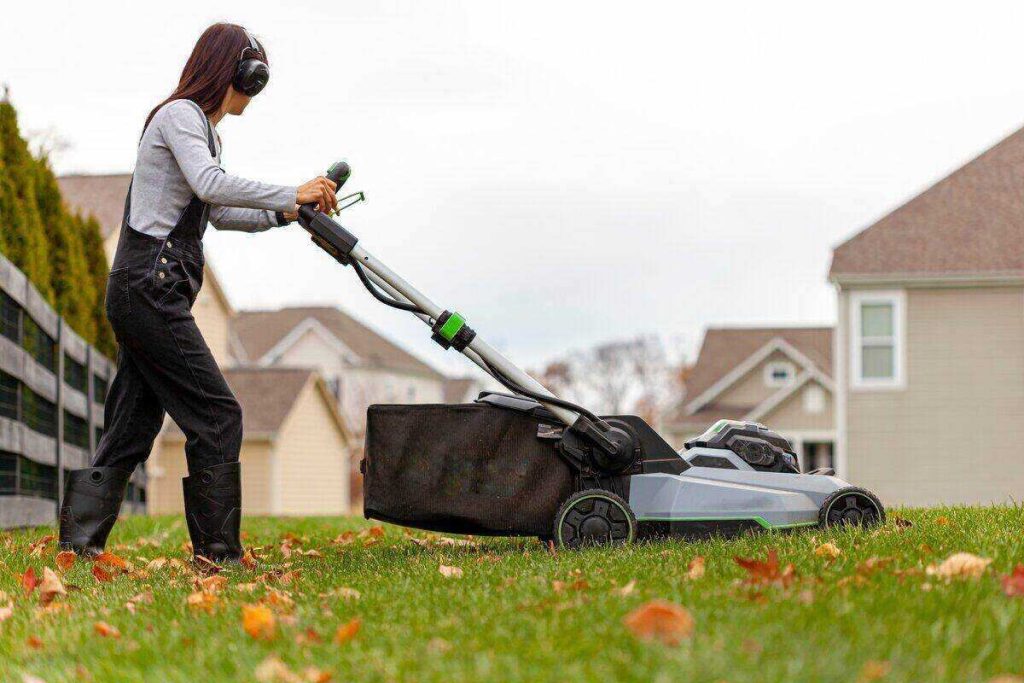
No, lawns generally don’t need mowing in winter. During the colder months, grass growth slows significantly or stops altogether, so maintaining a slightly shorter lawn is usually enough. Regular mowing is not necessary unless your grass continues to grow unusually late into the season. Ultimately, winter lawn care focuses more on preparation and protection rather than active mowing.
In most cases, you can skip mowing your lawn during winter, especially in regions with cold climates, as grass enters a period of dormancy. However, if your grass remains green and continues to grow, a light trim might be beneficial. Proper winter lawn care helps promote healthy growth when spring arrives and prevents damage caused by snow and freezing temperatures.
When winter arrives, many homeowners wonder if they should still be mowing their lawns. The truth is, as temperatures drop, grass growth slows down significantly or stops altogether, meaning frequent mowing becomes unnecessary. Instead, winter is a period for protecting your lawn and preparing it for the upcoming growing season. Mowing infrequently and at the right height can help avoid stress on the grass while keeping your yard looking tidy. So, understanding when and if to mow in winter can save you time, effort, and improve your lawn’s health in the long run.

Does Lawn Need Mowing in Winter? Understanding Winter Lawn Care
Many homeowners wonder if mowing their lawn during the winter months is necessary. The answer depends on several factors, including grass type, climate, and the state of your yard. In this section, we will explore when and if your lawn needs mowing during winter to help you make the right decision.
Grass Growth During Winter
Most grasses grow much slower in winter due to lower temperatures and shorter days. As a result, lawns usually require less frequent mowing or sometimes none at all. However, some grass types remain active even in cold weather, requiring special attention.
When Is Mowing Necessary in Winter?
If your lawn shows signs of ongoing growth, such as tall or uneven grass, you may need to mow. For lawns with slow or no growth, skipping mowing helps prevent damage and maintains healthy grass.
- Active growth: Occurs in milder winter climates or on warm-season grasses.
- Dormant lawns: Common in cold climates or with cool-season grasses, where mowing is unnecessary.
Signs That Your Lawn Needs Mowing
Inspect your yard regularly for these indicators:
- Grass taller than 2 to 3 inches
- Uneven or patchy appearance
- Presence of weeds or debris hiding in the grass
If these signs are visible, a light mow may be beneficial to keep the lawn tidy and healthy. Otherwise, avoid mowing to protect the grass.
Factors That Influence Winter Mowing Needs
Type of Grass
Different grass species react differently to winter conditions. Cool-season grasses such as Kentucky bluegrass, fescue, and ryegrass grow actively in fall and early winter but become dormant in colder months. Warm-season grasses like Bermuda or zoysia tend to go dormant earlier in cool climates.
Climate Conditions
Temperature, snow cover, and rainfall play significant roles in determining if mowing is necessary. Mild climates may see continued growth, requiring occasional mowing, while colder areas typically do not.
| Climate Condition | Effect on Grass Growth | Mowing Recommendation |
|---|---|---|
| Mild, with temperatures above freezing | Possible growth | Light mowing if needed |
| Cold, below freezing | Dormant or slow growth | No mowing needed |
| Snow cover | Grass is protected and inactive | Avoid mowing |
Health of the Lawn
A well-maintained, healthy lawn is less likely to require mowing in winter. Regular fertilization and proper watering in the growing season promote strong grass that withstands winter dormancy better.
How to Properly Mow Lawn in Winter
When to Mow
Only mow during dry, mild days to prevent snow or ice from interfering. If you see fresh growth, mow carefully, ensuring not to cut too short.
Ideal Mowing Height
Keep grass at a height of about 2 to 3 inches during winter. This height helps insulate the roots and preserves the health of the turf.
Tools and Techniques
Use a sharp mower blade to make clean cuts and avoid tearing the grass. Do not mow wet grass, which can cause clumping and damage.
- Set mower to the correct height
- Remove any debris before mowing
- mow in different directions for even cutting
Post-Mowing Care
After mowing, rake away any leftover clippings to prevent disease. Check for uneven patches and repair if necessary during the growing season.
Additional Winter Lawn Care Tips
Preventing Lawn Damage
Avoid walking on snow-covered grass to prevent compaction and damage. Keep foot traffic to a minimum, especially during freezing conditions.
Managing Mulch and Debris
Clear leaves, sticks, and other debris regularly. Cleanliness helps prevent pests and diseases from wintering in your yard.
Applying Winter Fertilizer
Consider a late fall fertilization to strengthen the grass before dormancy. Use a slow-release fertilizer to provide nutrients gradually over winter.
Snow Removal and Its Effects
Use a plastic shovel to remove heavy snow buildup without damaging the grass. Avoid treading on icy patches, which can cause turf compaction.
Situations Where You Should Skip Mowing
- If the grass is dormant and no new growth appears
- After a snowstorm or during icy conditions
- If the grass is damp or wet from melting snow
- When the weather forecast predicts freezing temperatures or storms
Skipping mowing in these situations helps prevent stress and damage to the lawn.
Summary of Key Points for Winter Lawn Mowing
- Most lawns do not need regular mowing in winter unless growth persists.
- The type of grass and local climate are primary factors determining mowing needs.
- Maintaining a mowing height of 2 to 3 inches helps protect roots and promotes healthy grass.
- Always mow during dry days and avoid damaging wet or frozen grass.
- Proper lawn care in winter, including cleaning debris and fertilizing, supports overall health.
By understanding your lawn’s specific needs, you can decide when mowing is beneficial and when to let nature take its course. Proper winter lawn care ensures your yard remains healthy and ready for vigorous growth in the spring.
When To Stop Mowing Grass | Winter Tips
Frequently Asked Questions
How does winter affect the growth rate of lawn grass?
During winter, the growth rate of grass slows significantly due to lower temperatures and reduced sunlight. Many grass types enter dormancy, which means they grow very slowly or stop growing altogether. As a result, mowing becomes less necessary because the grass doesn’t need frequent trimming or maintenance during this period.
Should I mow my lawn if the grass is still green in winter?
If the grass remains green and actively growing, occasional mowing may be beneficial to prevent overgrowth or thatch buildup. However, avoid cutting the grass too short, as this can stress the plants and make them susceptible to cold damage. Typically, trimming to a slightly higher height helps maintain lawn health during winter.
What precautions should I take if I decide to mow my lawn in winter?
Before mowing, check if the grass is dry and free of frost. Mowing wet or icy grass can result in uneven cuts and damage to the mower blades. Additionally, set your mower to a higher setting to avoid cutting too close to the ground, which can harm the grass during colder months. Always clean your equipment afterward to prevent rusting.
Does mowing in winter help prevent disease or pest issues?
While mowing can help remove dead or diseased grass, doing so in winter offers limited benefits since most pests and diseases are less active during this time. Proper mowing during the growing season remains more effective for disease prevention, but minimal mowing in winter can keep the lawn tidy.
Can mowing in winter cause stress to dormant grass?
Yes, mowing dormant grass can cause unnecessary stress, especially if you cut it too short. It’s best to postpone mowing until warmer weather when the grass resumes active growth. During dormancy, the main focus should be on keeping the lawn healthy and avoiding damage from harsh winter conditions.
Final Thoughts
In summary, the question of whether lawn needs mowing in winter depends on your grass type and climate. Typically, it’s best to keep the grass slightly trimmed to prevent disease and promote healthy growth.
During colder months, mowing less often is sufficient, and cutting too short can harm the lawn.
Ultimately, maintaining a gentle mowing routine helps your lawn stay healthy through winter. This ensures that when spring arrives, your grass will be ready to flourish.