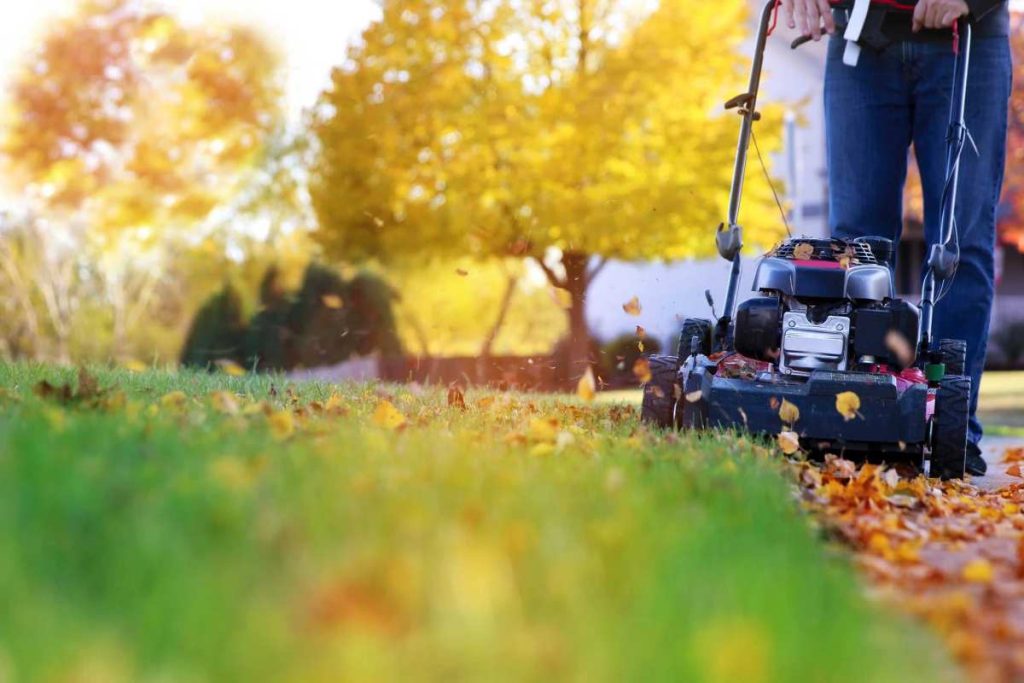
Prepare your lawn now to keep it lush and healthy through the cooler months! The key to successful fall and winter lawn care is adjusting your routine to protect grass from cold stress, reduce weeds, and encourage healthy growth for spring. A few simple steps—like aerating, fertilizing, and proper mowing—can make all the difference in maintaining a vibrant, green yard year-round.
In essence, you should focus on cleaning up debris, aerating the soil, and applying the right nutrients before the coldest weather hits to ensure your lawn survives winter’s chill and bounces back stronger in spring. Proper preparation now saves time and effort later, plus it boosts your curb appeal even during the off-season.
As temperatures drop, many homeowners wonder how to give their lawns the best care during fall and winter. While it may seem like lawn maintenance slows down during these months, proper fall and winter lawn care is essential for keeping your grass healthy and ready to thrive again in the warmer seasons. Falling leaves, cold temperatures, and less sunlight can pose challenges, but with the right approach, you can protect your lawn from winter damage, prevent weed growth, and set the stage for a beautiful, vigorous yard when spring arrives. From raking and aerating to winterizing your grass and lawns, this guide covers everything you need to keep your outdoor space in top shape all year round.

Lawn Care in Fall and Winter: Essential Tips for a Beautiful Yard Year-Round
Understanding the Importance of Fall and Winter Lawn Care
Taking care of your lawn during fall and winter helps ensure it remains healthy and lush. These seasons are critical because they prepare your grass for spring growth. Proper maintenance can prevent issues like disease, pests, and winter damage.
Preparing Your Lawn for the Cold Months
Before temperatures drop, get your lawn ready with some simple steps. Raking leaves prevents suffocation of grass and reduces mold risk. Aerating the soil improves air, water, and nutrient flow to grassroots.
Raking and Removing Debris
Leaves and fallen branches can smother grass if left unattended. Raking twice during fall helps keep your lawn clean. Remove all debris to reduce pests and prevent fungal infections.
Aeration and Overseeding
Aeration pokes small holes into the soil to loosen compacted ground. This process allows water and nutrients to reach roots more efficiently. Overseeding fills in bare patches and strengthens your lawn against winter stress.
Fertilizing Your Lawn in Fall
Applying fertilizer in fall provides essential nutrients that support root growth. Use a high-potassium fertilizer to boost grass resilience. Avoid over-fertilizing to prevent excessive growth that could be damaged by frost.
Choosing the Right Fertilizer
Select a fertilizer specifically designed for fall application. Look for products with balanced nutrients and high potassium content. Follow manufacturer instructions carefully to avoid overfeeding.
Timing and Application Tips
Apply fertilizer when the grass is dry to prevent runoff and wastage. The best time is late fall, about six weeks before the first frost. Use a broadcast spreader for even coverage and water your lawn afterward.
Watering Strategies During Fall and Winter
As temperatures decrease, watering needs change. Consistent moisture helps grass survive winter without becoming dormant or stressed. However, overwatering can lead to problems like fungal growth.
Adjusting Watering Schedules
Water less frequently but deeply, ensuring that the soil remains moist to a depth of several inches. Check your lawn regularly for signs of dryness or excess moisture. Early morning is the best time for watering during cooler months.
Preventing Water-Related Damage
Avoid watering before frost or freezing temperatures. Excess water in the soil can freeze and damage roots. Installing a rain gauge helps monitor natural precipitation and avoid unnecessary watering.
Managing Lawn Pests and Diseases
Fall and winter can be hard on your lawn, but pests and diseases can worsen these issues. Regular inspections help catch problems early.
Common Pest and Disease Problems in Cold Seasons
Snow mold and brown patch are common fungal diseases common in winter. Pests like grubs and winter moths can also damage grass roots. Proper identification leads to effective treatment.
Preventative Measures and Treatments
Maintain proper lawn hygiene by removing dead grass and debris. Use fungicides if fungal diseases are present and consider organic treatments for pests. Aeration also reduces disease severity.
Using Proper Mowing Techniques in Fall and Winter
Mowing needs change as grass growth slows. Proper mowing helps prevent damage and supports healthy grass.
Adjusting Mowing Height
Raise mower blades to cut grass taller, around 2.5 to 3 inches. Taller grass provides insulation and protects roots during winter. Avoid scalping the lawn, which weakens grass health.
Frequency of Mowing
Mow less often as grass growth slows, typically once every two weeks. Always ensure mower blades are sharp to get clean cuts that heal quickly.
Protecting Your Lawn from Winter Damage
Severe winter weather can harm your lawn if you’re not prepared. Invest in protective practices to minimize damage.
Applying Lawn Coverings and Mulches
Use straw or mulch to insulate vulnerable areas and prevent soil erosion. These coverings also reduce the risk of frost heave—where ice pushes up grass and soil.
Creating Pathways and Barriers
Avoid heavy foot traffic on frozen or muddy lawns. Set up pathways to reduce compaction and damage. Temporary barriers can protect delicate areas from snow plows or animals.
Additional Tips for Fall and Winter Lawn Success
Other practices contribute to a healthy winter lawn. Keep an eye on weather forecasts to time your activities properly.
Removing Snow Carefully
Light snow can act as insulation, but heavy snow should be gently brushed to prevent matting. Avoid walking on snow-covered grass to prevent damage.
Seasonal Lawn Equipment Maintenance
Sharpen and store lawn tools properly during colder months. Clean equipment to prevent rust and prepare for spring maintenance.
Related Topics and Further Tips
Maintaining a healthy lawn in all seasons requires ongoing effort. Consider soil testing to adjust your fertilization plan. Aerating and dethatching in fall can improve soil health. Selecting cold-hardy grass varieties enhances winter resilience.
Choosing the Right Grass for Winter Resistance
Opt for cool-season grasses like Kentucky bluegrass, fescue, or perennial ryegrass. These varieties tolerate cold and recover quickly in spring.
Creating a Sustainable Lawn Care Routine
Using organic fertilizers and compost reduces chemical use. Proper watering and mowing habits support eco-friendly lawn maintenance.
Monitoring and Adjusting Your Lawn Care Plan
Track your lawn’s condition through the fall and winter to identify areas needing attention. Adjust your practices based on weather patterns and your lawn’s specific needs.
Regular Lawn Inspections
Inspect for disease signs or pest activity at least once a month. Early detection saves you time and money on treatments.
Adapting to Weather Changes
Be flexible with your schedule depending on frost dates and snowfall. Prolonged snow cover might delay certain activities until spring.
This thorough approach to lawn care in fall and winter ensures your yard stays healthy, vibrant, and ready to thrive when spring arrives. Consistent maintenance and mindful practices during these colder months protect your investment and keep your outdoor space inviting all year long.
How When and Why To Winterize Your Lawn
Frequently Asked Questions
How can I prepare my lawn for winter to prevent damage?
Properly preparing your lawn for winter involves removing debris such as leaves and sticks, which can suffocate grass and encourage disease. Aerate the soil to improve airflow and drainage, and apply a winter-specific fertilizer to strengthen grass roots. Additionally, reduce watering to prevent excess moisture, and consider overseeding thin areas to promote healthy growth next spring.
What is the best way to handle mowing during late fall and winter?
As temperatures drop and grass growth slows, gradually lower your mower’s cutting height to avoid stressing the grass. Avoid mowing when the lawn is wet or frosty, as this can cause uneven cuts and damage the grass. In winter, mowing is often unnecessary unless you experience unseasonably warm weather, in which case, keep the grass short to prevent disease and pests.
Should I continue fertilizing my lawn during winter?
Fertilizing in late fall can help grass build energy reserves to survive winter. Use a slow-release, low-nitrogen fertilizer to avoid encouraging new growth that could be damaged by cold. In most cases, avoid fertilizing during the coldest months unless your area’s climate allows for year-round lawn maintenance, and always follow manufacturer guidelines for winter treatments.
How can I manage lawn pests and diseases as temperatures drop?
Start inspecting your lawn for signs of pests or fungal diseases before winter sets in. Apply appropriate treatments, such as fungicides or insecticides, in the fall to prevent major issues in spring. Keep your lawn healthy by avoiding overwatering and removing thatch buildup, which can harbor pests and pathogens during colder months.
Is it necessary to water my lawn during winter?
Winter watering depends on your climate and soil conditions. If the season is dry, occasional deep watering can help prevent dehydration of the grass. However, avoid overwatering, as excess moisture can lead to disease and root rot. Generally, watering once every few weeks during winter suffices unless rain naturally provides sufficient moisture.
Final Thoughts
Lawn care in fall and winter requires adjusting your routine to prepare your yard for the colder months. Raking leaves and removing debris keeps the grass healthy and prevents disease. Fertilizing fall allows your lawn to store nutrients for the winter.
Additionally, mowing should be slightly lower to avoid matting and encourage healthy growth in spring. Proper watering remains essential, but avoid overwatering during dormancy.
In conclusion, effective lawn care in fall and winter helps protect your yard and promotes vibrant growth when spring arrives. Consistent effort ensures a lush, healthy lawn year-round.