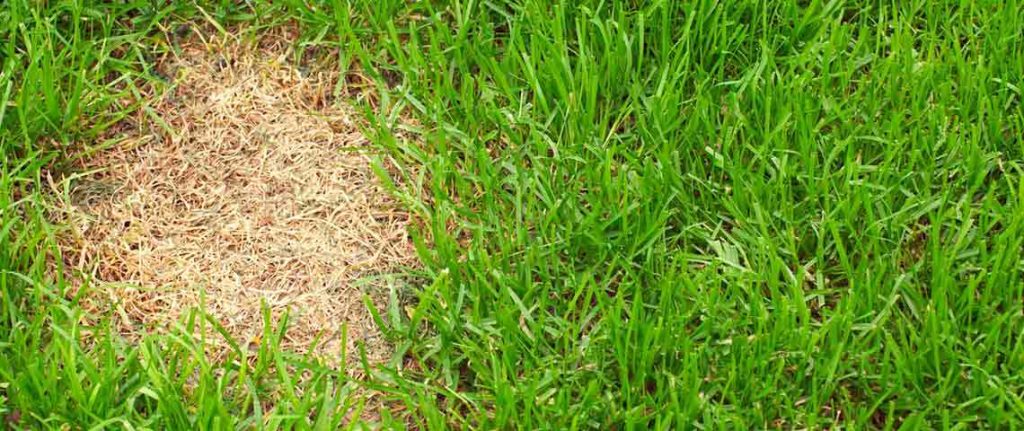
Quick answer: For quick repairs, reseed the bare patches with fresh grass seed, water regularly, and keep foot traffic off the area until it’s restored. For larger or severely damaged spots, consider patching with sod or soil amendments to promote healthy growth.
If your lawn is showing patches of dead grass or bare spots, don’t worry—repairing them is simpler than it seems. Whether caused by heavy traffic, pests, or weather, damaged lawn spots can be restored with a bit of effort. The key is to identify the cause and choose the right repair method, such as reseeding, patching with sod, or improving soil health. A lush, green yard is within reach, and with some quick steps, you’ll have your lawn looking vibrant again in no time. Let’s explore how to bring those patches back to life and keep your lawn healthy and beautiful all year round.

How to repair damaged lawn spots
Damaged lawn spots can make your yard look uneven and unkempt. Fixing these areas is simple if you follow the right steps. Whether caused by pets, pests, or heavy foot traffic, understanding how to repair damaged spots helps keep your lawn healthy and lush.
Identify the cause of the damage
First, look closely at the damaged area to understand what caused it. Common reasons include pet urine, insect activity, disease, drought stress, or foot traffic. Knowing the cause helps you choose the best repair method. For example, pet damage may need specific lawn treatments, while drought-damaged spots might require watering and re-seeding.
Assess the extent of the damage
Next, examine how large the damaged area is. Small patches less than a square foot can often be fixed with simple overseeding. Larger damaged spots might need more comprehensive repair, like soil leveling or complete re-sodding. Measuring the area helps you determine how much seed, soil, or sod you will need.
Remove dead or damaged grass
Start by clearing away any dead grass, weeds, or debris from the damaged spot. Use a rake or garden hoe to loosen the soil and remove debris. This creates a clean space that allows new grass to grow without obstruction.
Improve soil condition before reseeding
Test the soil pH and nutrients
Conduct a soil test to check pH levels and nutrient content. Correcting soil imbalance boosts grass growth. Use lime to raise pH or sulfur to lower it, depending on test results. Fertilizer can help nourish the soil for healthier grass.
Loosen compacted soil
If the soil is compacted, aerate the area with a garden fork or an aerator tool. Loosening the soil improves water, air, and nutrient penetration. This step is especially important for heavily trafficked or muddy spots.
Amend the soil if necessary
Depending on your soil test results, you may need to add organic matter like compost or topsoil. Mix these amendments into the soil to enhance its structure and fertility. Better soil quality will support strong grass roots.
Choose the right repair method
Seeding damaged spots
For patches less than a foot wide, overseeding is effective. Spread grass seed evenly over the area, ensuring good seed-to-soil contact. Cover lightly with soil or compost to protect the seeds from birds and wind.
Using sod to repair large areas
For larger patches, laying new sod can provide instant results. Cut sod pieces to match the size of the damaged area. Press the edges firmly into the soil to ensure proper contact and minimize gaps. Water thoroughly after installation.
Resodding or patching with existing grass
If the damage is small or in a visible spot, you can cut out a piece of healthy grass from another part of your yard and transplant it into the damaged area. Ensure the grass is similar in type and condition for a seamless look.
Properly plant grass seed or sod
Seeding technique
Spread the seed uniformly, then lightly rake the area to mix the seed with the soil. Water gently but thoroughly to help the seed settle and germinate. Keep the soil consistently moist until new grass is established.
Sod installation tips
Lay sod in a brick-like pattern, staggering seams for a natural look. Press each piece down firmly and water immediately. Maintain moisture and avoid heavy foot traffic until the roots take hold.
Watering and maintaining the repaired area
- Water the area daily initially, ensuring moist soil but not waterlogged.
- Reduce watering frequency after the grass starts to grow, but keep the soil moist.
- Apply a starter fertilizer to promote healthy root development.
Regular lawn care for prevention
Mowing tips
Keep your mower blades sharp and mow at the right height. Cutting too low stresses grass, making it prone to damage. Typically, mowing at 2.5 to 3 inches encourages deep roots and thick growth.
Nutrient management
Feed your lawn with a balanced fertilizer according to the season. Proper nutrition helps grass recover from damage and resist diseases or pests.
Watering practices
Water deeply and infrequently to promote deep root growth. Early morning watering minimizes evaporation and fungal issues.
Dealing with specific issues that damage lawns
Pest control
Identify pests like grubs or chinch bugs that damage roots and foliage. Use appropriate organic or chemical treatments as needed. Regular monitoring prevents large infestations.
Controlling diseases
Keep an eye out for fungal infections like dollar spot or brown patch. Ensure good drainage, avoid overwatering, and apply fungicides if necessary. Proper lawn aeration reduces disease prevalence.
Additional tips for a healthy lawn
- Rotate mowing areas to prevent soil compaction.
- Rake and remove fallen leaves and debris regularly.
- Manage foot traffic in heavily used areas.
By understanding causes, preparing the soil properly, and choosing suitable repair techniques, you can restore your lawn to its full glory. Regular maintenance and care help prevent future damage, ensuring a lush, inviting yard year-round.
Frequently Asked Questions
What are the best methods to prepare soil before reseeding damaged lawn areas?
Start by removing any dead grass, debris, and weeds from the damaged spots. Loosen the soil using a garden fork or rake to improve aeration and help roots establish. If the soil is compacted or poor quality, mix in compost or topsoil to enrich nutrients. Level the area smoothly to create an even surface, which encourages uniform grass growth when you reseed.
How can I choose the right grass seed for repairing damaged lawn sections?
Select grass seed that matches your existing lawn’s type, such as cool-season or warm-season grasses. Consider the local climate and sunlight exposure to pick a seed variety that thrives in your area. Check the seed package for disease resistance and quick germination features to ensure the new grass establishes quickly and blends well with the existing turf.
What steps should I follow to ensure new grass establishes successfully in damaged areas?
After reseeding, lightly water the area consistently to keep the soil moist but not waterlogged. Cover the seeded area with a thin layer of soil or mulch to retain moisture and prevent erosion. Avoid heavy foot traffic until the grass develops a strong root system. Fertilize lightly after germination to support healthy growth and monitor regularly to address any issues promptly.
How can I prevent further damage to recently repaired sections of my lawn?
Limit foot traffic over the newly repaired spots until the grass matures. Apply a slow-release fertilizer to strengthen the new turf. Regularly water the area to maintain consistent moisture levels. Keep an eye out for pests or diseases and address problems early. Mulching or placing temporary barriers can help protect the new growth from accidental damage.
Final Thoughts
To repair damaged lawn spots, start by removing dead grass and debris. Loosen the soil slightly to promote root growth. Spread new grass seed or lay down sod, then water thoroughly.
Ensure the area stays moist until new grass establishes firmly. Apply fertilizer to support healthy growth. Regular watering and care will help the patch blend seamlessly with the rest of your lawn.
In conclusion, how to repair damaged lawn spots involves proper preparation, planting, and consistent maintenance. Taking these steps ensures a lush, even lawn that looks great.