
Does killing grubs get rid of moles? It's one of the most common questions I hear from frustrated homeowners, and the honest answer is almost never. The logic sounds perfect on the surface. Moles eat grubs, so kill the grubs and the moles leave.
But the reality underground is a lot more complicated than that simple chain of events suggests.
Research from university extension programs consistently shows that earthworms make up roughly 80% or more of a typical mole's diet. Grubs are on the menu, sure, but they're more of a side dish than the main course. That distinction matters a lot when you're deciding where to spend your time and money.
Let me walk you through what's really happening beneath your lawn and what actually works.
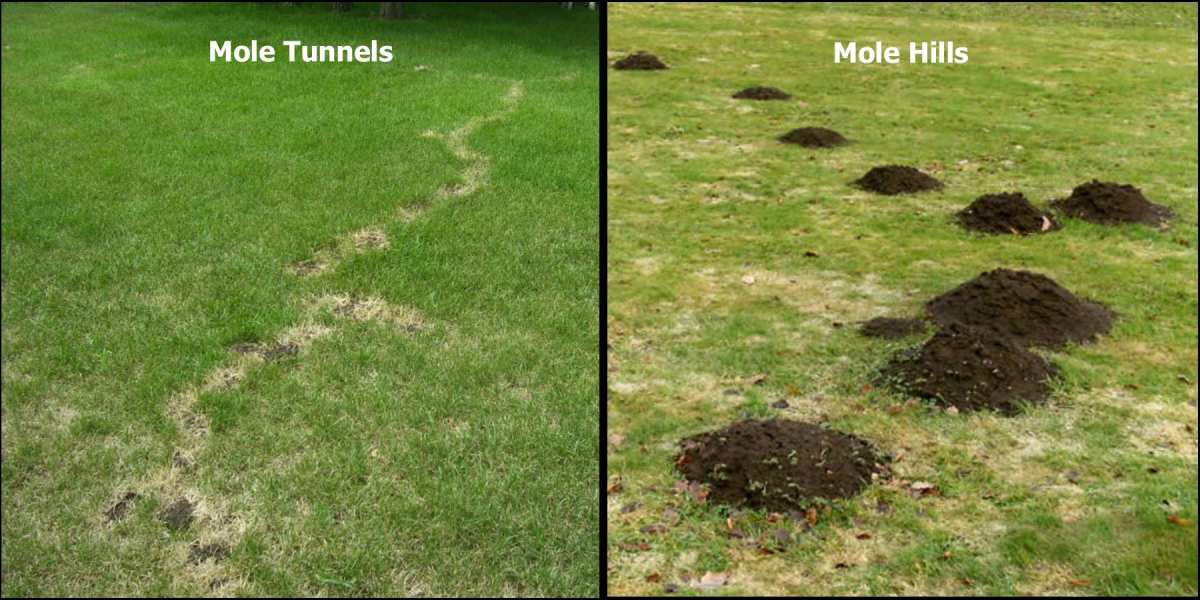
Image source: Bing (Web (fair-use with source credit))
Quick Answer
Does killing grubs get rid of moles? No, it usually doesn't. Earthworms are the primary food source for moles, not grubs. Removing grubs leaves the main attraction intact.
Moles will continue tunneling through grub-free lawns as long as earthworms are present. Effective mole control requires targeting moles directly through trapping or professional removal.
What Moles Actually Eat (And Why Grubs Aren't the Main Attraction)
Let's get the biology straight first, because everything else flows from this. Moles in the family Talpidae are insectivores, meaning they eat insects and other small invertebrates found in soil. The two species you're most likely dealing with in a North American lawn are the eastern mole (Scalopus aquaticus) and the star-nosed mole (Condylura cristata).
Both have enormous appetites relative to their body weight.
A mole eats somewhere between 40% and 100% of its body weight every single day. That's a staggering amount of food for an animal that weighs just 3 to 5 ounces. To fuel that metabolism, moles need a reliable, abundant food source.
And that source is earthworms.
Multiple studies from university wildlife biology departments have analyzed mole stomach contents and feeding patterns. The results are remarkably consistent. Earthworms dominate the diet, often accounting for 80% to 90% of what a mole consumes.
Grubs, beetle larvae, and other soil insects make up the remainder. So when you eliminate grubs from your lawn, you're removing maybe 10% to 20% of the mole's food supply. The other 80% is still wriggling around in the soil.

Image source: Wikimedia Commons / Сарапулов (CC BY)
Think of it this way. If someone visits your neighborhood primarily because of the pizza place on Main Street, closing the taco truck two blocks over isn't going to change their behavior much. The main draw is still there.
That's exactly what happens when you kill grubs but leave earthworms untouched.
Moles are also opportunistic feeders. They'll eat whatever soil-dwelling insects they encounter while tunneling. Grubs are convenient and calorie-dense, so moles will absolutely consume them.
But grubs aren't the reason the mole chose your yard in the first place. The earthworm population is.
Why Grub Control Fails as a Mole Strategy
Now that you understand the dietary breakdown, let's look at why grub control falls short in practice. There are several layers to this problem, and they compound on each other.
Earthworms remain abundant. Even after a successful grub treatment, your soil still contains plenty of earthworms. Unless you're willing to sterilize your entire yard (which would kill your grass and create a whole new set of problems), the mole's primary food source stays intact.
Moles cover large territory. A single mole's home range typically spans 1 to 2 acres. That means the mole tunneling through your lawn is also foraging in your neighbor's yard, the park down the street, and anywhere else within that radius. Treating your property alone doesn't eliminate the food supply across the mole's entire range.
New moles move in. Even if you somehow made your lawn completely unappealing to moles, surrounding areas still harbor them. Moles are territorial, but when one leaves or is removed, another often moves into the vacant space. You'd need to treat an entire neighborhood to create a lasting barrier.
Grub treatments have timing limitations. Most grub control products work best when applied at specific points in the grub life cycle. Preventative treatments containing chlorantraniliprole or imidacloprid need to be applied in June or July, before grubs hatch. Curative treatments with trichlorfon work in late summer when grubs are small and actively feeding.
Miss that window and the product is far less effective.
The cost adds up fast. A typical DIY grub treatment runs $20 to $50 per application, and many homeowners apply it multiple times per year hoping for mole results. Over a few seasons, that's easily hundreds of dollars spent on a strategy that was never going to solve the mole problem in the first place.
I've seen this pattern play out over and over. A homeowner notices mole tunnels, hears that moles eat grubs, buys a grub killer, applies it carefully, and waits. Weeks pass.
The tunnels keep coming. They reapply. More tunnels.
Eventually they're frustrated, out of money, and still dealing with the same mole problem they started with.
When Killing Grubs Might Help a Little
I want to be fair here, because there are narrow situations where grub control could play a small supporting role. It's not a mole solution on its own, but it can be part of a broader approach.
Heavy grub infestations attract attention. If your lawn has an unusually dense grub population, say 20 or more grubs per square foot, that concentration of easy food might draw in moles from a wider area. Reducing that population could make your yard slightly less of a hotspot.
You're already treating grubs for lawn health. Grubs damage grass by feeding on roots. If you have a legitimate grub problem that's harming your turf, treating it makes sense regardless of moles. You just shouldn't expect the mole problem to disappear as a side benefit.
Combined with direct mole control. If you're trapping moles or using repellents, reducing the overall insect population in your soil might encourage relocated moles to settle elsewhere rather than returning to your yard. It's a minor factor, but every little bit helps.
The key takeaway is that grub control should be done for grub reasons, not mole reasons. If your lawn needs it, do it. Just don't count on it to solve a mole problem, because it almost never does on its own.
What Actually Works: Proven Mole Control Methods
If grub control isn't the answer, what is? Let me walk you through the methods that actually deliver results, starting with the most effective.
Trapping is the gold standard. When done correctly, trapping removes the specific mole causing your damage. It's permanent for that individual, and it doesn't rely on changing the food supply or hoping the mole decides to leave on its own. The two most common trap types are scissor-jaw traps and harpoon traps, both of which are placed inside active tunnels.
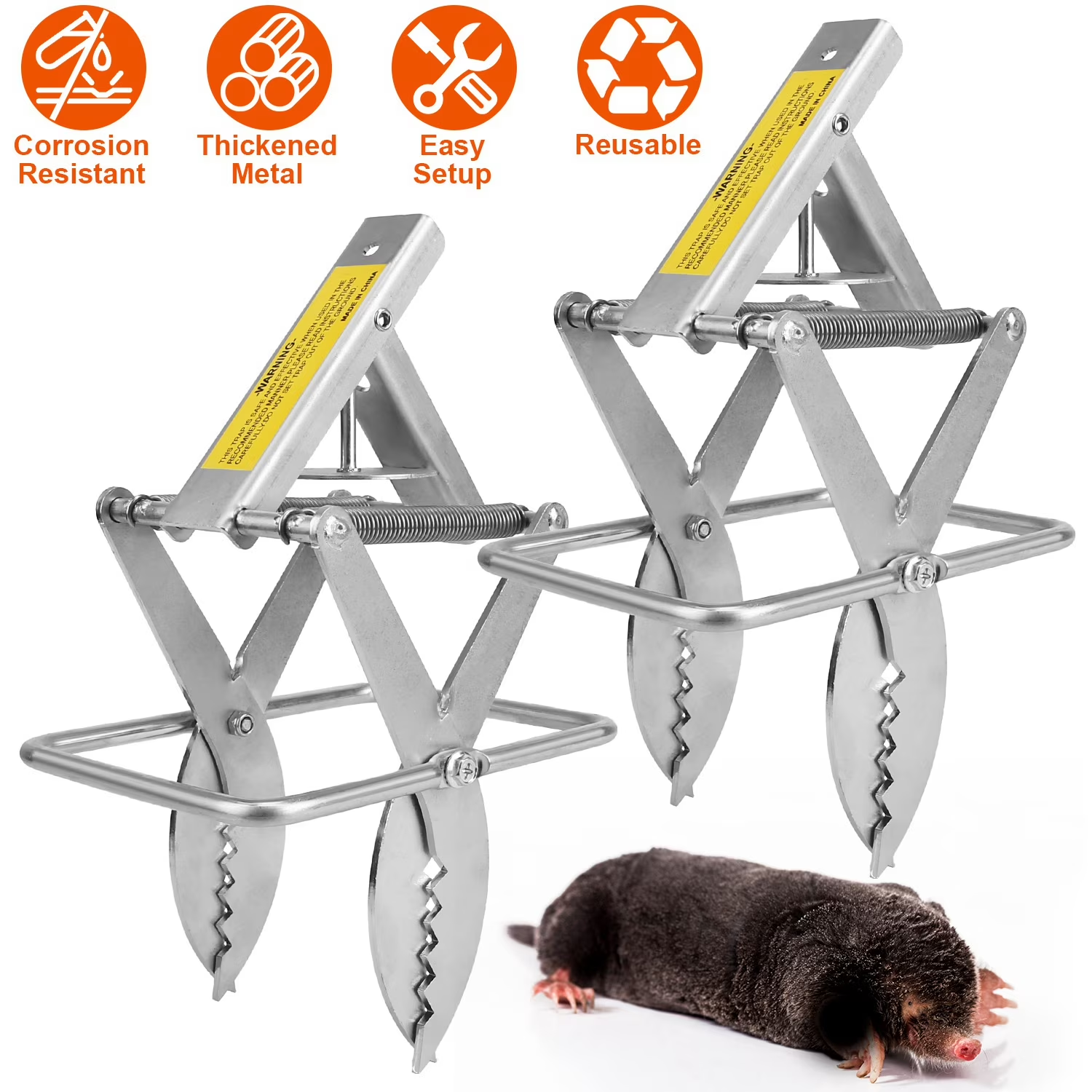
Image source: Bing (Web (fair-use with source credit))
The trick is identifying active tunnels. Moles use some tunnels daily and others only occasionally. To find the active ones, stomp down a section of tunnel and check it 24 to 48 hours later.
If the tunnel has been raised again, it's active and a good spot for a trap. Place your trap there according to the manufacturer instructions, and check it daily. Most catches happen within the first 48 to 72 hours if the trap is set correctly.
Castor oil repellents offer partial results. Products containing castor oil as the active ingredient can make your lawn less appealing to moles. They don't eliminate moles, but they can encourage them to move to a neighboring property. Results vary widely depending on soil type, moisture, and how consistently you apply the product.
They're worth trying as a first step before moving to trapping.
Reduce soil moisture. Moles prefer moist soil because that's where earthworms thrive. If you're overwatering your lawn, you're essentially creating ideal conditions for both worms and moles. Cut back to deep, infrequent watering rather than light, daily sprinkles.
This won't eliminate moles, but it can reduce the attractiveness of your yard.
Professional mole control saves time and frustration. If you're dealing with multiple moles or a large property, hiring a professional who specializes in mole trapping is often the most cost-effective approach. They know how to read tunnel patterns, place traps efficiently, and follow up until the problem is resolved. Expect to pay $150 to $500 or more depending on the severity and your location.
Here's a quick comparison of the main approaches:
| Method | Effectiveness | Cost | Timeframe | Best For |
|---|---|---|---|---|
| Grub control | Very low for moles | $20-50/application | Weeks | Lawn health, not moles |
| Mole trapping | High | $15-40 per trap | 1-7 days | Targeted removal |
| Castor oil repellent | Low to moderate | $15-30/bottle | 1-2 weeks | Mild problems, prevention |
| Professional removal | Very high | $150-500+ | 1-3 visits | Severe or widespread issues |
| Soil moisture reduction | Low alone | Free | Ongoing | Supporting other methods |
The pattern is clear. Methods that target moles directly work. Methods that try to change the environment or food supply rarely do.
How to Tell If You Have a Real Grub Problem
Before you spend a dime on grub control, you should confirm you actually have grubs. A lot of lawn damage gets blamed on grubs when the real culprit is something else entirely, like drought stress, fungal disease, or poor soil compaction. Here's how to check.
Cut a 1-foot square section of sod in the damaged area and peel it back. Count the white grubs you see in the exposed soil. University extension guidelines generally consider 5 to 10 grubs per square foot as the threshold where treatment becomes necessary for lawn health.
Below that number, your grass can usually outgrow the damage. Above it, you're looking at brown patches that peel up easily because the roots have been chewed away.
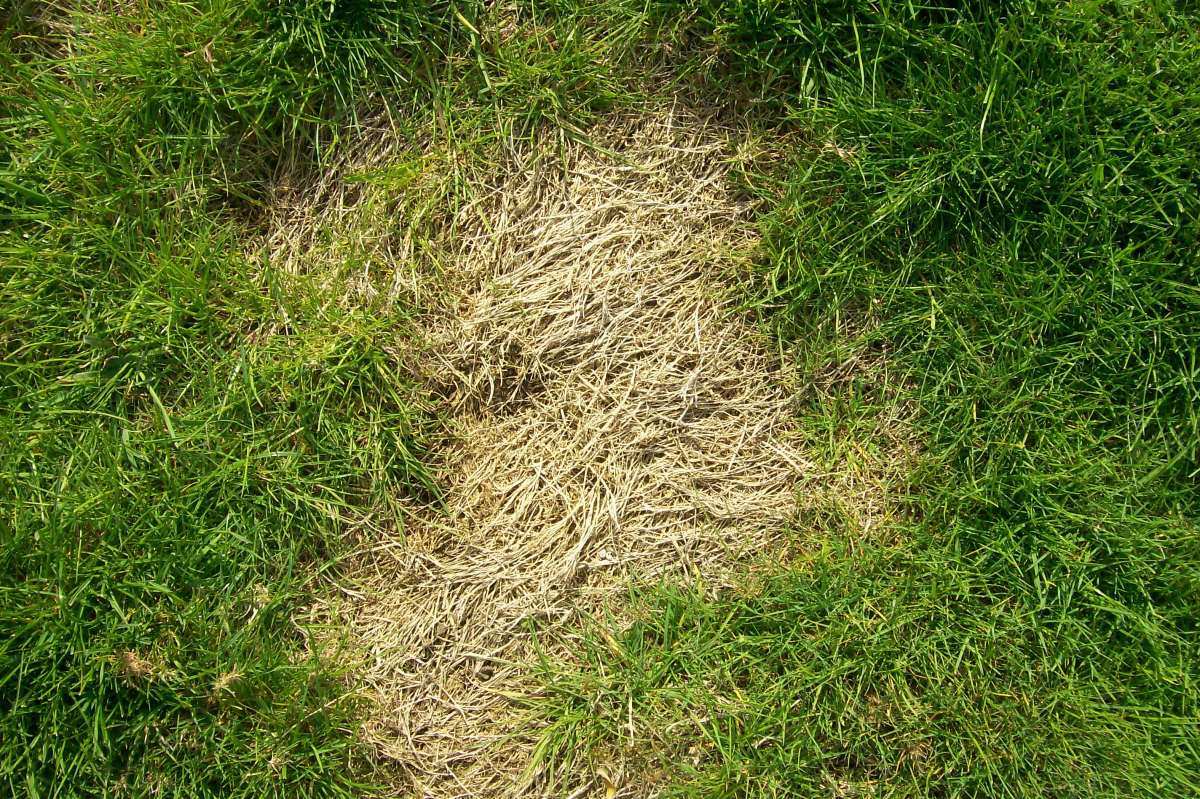
Image source: Bing (Web (fair-use with source credit))
Timing matters for this inspection. Grubs are closest to the soil surface in late August through October, when they're actively feeding on roots. That's your window for an accurate count.
In spring, grubs have moved deeper into the soil to pupate, making them harder to find even if populations are high.
Also pay attention to other wildlife activity. Raccoons, skunks, and birds tearing up your lawn at night are often after grubs, not earthworms. If you see that kind of digging, it's a strong indicator of a significant grub population worth addressing on its own merits.
The Real Cost of Chasing the Wrong Solution
Let's talk numbers, because this is where the grub-control-as-mole-control myth gets expensive. A homeowner who buys into this approach typically spends $20 to $50 per application on grub insecticide. Many apply it twice a year, once as a preventative in early summer and again as a curative in late summer.
That's $40 to $100 annually on products alone.
Over three to five years of repeated applications, you're looking at $120 to $500 spent on grub control. And at the end of that investment, you still have moles. Now you need to spend additional money on actual mole control, whether that's $15 to $40 for traps or $150 to $500 for professional removal.
Compare that to just starting with mole trapping from the beginning. A quality scissor-jaw trap costs $15 to $25 and can be reused for years. Most homeowners resolve their mole problem with one or two traps placed correctly.
The total investment is a fraction of what years of unnecessary grub treatments would cost.
There's also the environmental cost to consider. Insecticides don't discriminate between grubs and beneficial soil organisms. Every application affects the broader soil ecosystem, including the earthworms that actually benefit your lawn by aerating soil and breaking down organic matter.
You're spending money to kill something that wasn't your real problem while potentially harming organisms that were helping.
Step-by-Step: A Smarter Approach to Moles and Grubs
Here's a practical sequence that addresses both issues without wasting effort on strategies that don't work.
Step 1: Confirm what you're actually dealing with. Inspect your lawn for grub density using the cut-and-peel method described above. At the same time, identify whether the tunneling is from moles or voles. Moles create raised ridges and volcano-shaped mounds.
Voles create shallow, narrow runways on the surface without mounds. The control methods are completely different, so getting this right matters.
Step 2: Treat grubs only if the threshold is met. If you count more than 5 to 10 grubs per square foot, apply a curative insecticide in late August or September when grubs are small and vulnerable. Products containing trichlorfon work as curatives. For preventative treatment the following year, apply a product with chlorantraniliprole or imidacloprid in June or July before eggs hatch.
If your grub count is below the threshold, skip this step entirely.
Step 3: Address moles directly through trapping. Identify active tunnels by stomping them down and checking for repair after 24 to 48 hours. Set scissor-jaw or harpoon traps in the active tunnels following the manufacturer instructions. Check traps daily.
Move traps to new active tunnels if you haven't caught anything within three days.
Step 4: Reduce conditions that attract moles. Cut back on watering frequency. Aerate compacted soil to improve drainage. These steps won't eliminate moles on their own, but they make your lawn less hospitable over time.
Step 5: Monitor and follow up. Mole activity often peaks in spring and fall. Check for new tunneling during these periods and set traps as needed. One or two moles can be removed quickly, but ignoring new activity lets the problem rebuild.
Common Mistakes Homeowners Make With Mole Control
Even when people skip the grub control trap, they often stumble elsewhere. Here are the mistakes I see most often.
Setting traps in inactive tunnels. This is the number one reason trapping fails. Moles use some tunnels regularly and others only once. If you set a trap in a tunnel the mole hasn't used in days, you'll wait forever for a catch.
Always do the stomp test first.
Using ineffective home remedies. Gum, glass shards, human hair, mothballs, ultrasonic devices, and vibrating stakes all show up on lists of mole deterrents. Research from university wildlife programs consistently finds these methods don't work. You're better off saving your money and going straight to trapping.
Confusing moles with voles. These are different animals with different habits and different control needs. Moles create raised ridges and deep tunnels. Voles create surface runways and shallow channels.
If you're using mole traps for a vole problem, you'll never catch anything because voles don't use the same tunnel systems.
Expecting one treatment to be permanent. Even after you remove the mole currently in your yard, another can move in. Mole control is often ongoing, especially if your neighborhood has suitable habitat. Stay vigilant during peak activity seasons and address new tunneling quickly before it becomes widespread.
Applying grub treatments at the wrong time. Preventative grub products need to be in the soil before grubs hatch in mid-summer. Curative products work best when grubs are small in late summer. Applying either product in spring, when grubs are large and preparing to pupate, wastes money and delivers poor results.
When to Call a Professional
Sometimes DIY isn't the right call, and recognizing that early saves you time and frustration. Here's when to pick up the phone.
Multiple moles are active. If you're seeing fresh tunneling in several areas of your yard simultaneously, you might be dealing with more than one mole. Trapping multiple animals across a large property takes experience and patience.
You've tried trapping without success. If you've set traps correctly in active tunnels and haven't caught anything after a week or two, something about your technique or placement needs adjustment. A professional can diagnose the issue and get results faster.
The property is large or difficult to access. Big yards, steep slopes, and areas near water features all complicate mole control. Professionals have the equipment and experience to handle challenging terrain.
You need guaranteed results. Many professional mole control services offer guarantees. If the mole comes back within a specified period, they return at no extra cost. That peace of mind is worth the investment for homeowners who've already spent months battling the problem themselves.
Expect to pay $150 to $500 for professional mole removal as of 2026, depending on your location, property size, and severity of the infestation. Some companies charge per visit while others charge per mole removed. Ask about their guarantee policy before hiring.
Frequently Asked Questions
Will grub killer make moles leave my yard?
No. Grub killer removes only a small portion of the mole's food supply. Earthworms remain abundant in treated soil, and moles will keep tunneling through your lawn as long as worms are available.
How long does it take for mole traps to work?
Most catches happen within 48 to 72 hours if the trap is set correctly in an active tunnel. Check daily and relocate if nothing happens after three days.
Can I use grub control and mole trapping at the same time?
Yes. Treat grubs if your lawn needs it for health reasons. Set traps to address the moles directly.
Just don't expect the grub treatment to do the mole work for you.
What is the most effective mole trap for homeowners?
Scissor-jaw traps and harpoon traps both work well when placed in active tunnels. The key is correct placement, not the specific trap brand.
Do moles come back after you get rid of them?
They can. New moles may move into vacant territory. Monitor during spring and fall peak activity and address new tunneling quickly.
Is it legal to trap moles myself?
In most states yes, but regulations vary. Some states require a wildlife permit. Check with your state wildlife agency before setting traps.
The Bottom Line: Where to Focus Your Time and Money
Killing grubs to get rid of moles is one of the most persistent myths in lawn care, and it costs homeowners real money every year. The biology is straightforward. Earthworms are the primary food source, grubs are secondary, and removing the side dish doesn't send the diner elsewhere.
If you have a genuine grub problem damaging your turf, treat it. That's a separate issue worth addressing for your lawn's health. But don't expect it to solve your mole problem, because it won't.
For moles, go straight to the methods that actually work. Trapping delivers results. Professional removal handles severe cases.
Reducing soil moisture and staying vigilant during peak activity seasons help prevent recurrence. Skip the home remedies, skip the grub control detour, and put your effort where it counts. Your lawn will thank you, and so will your wallet.