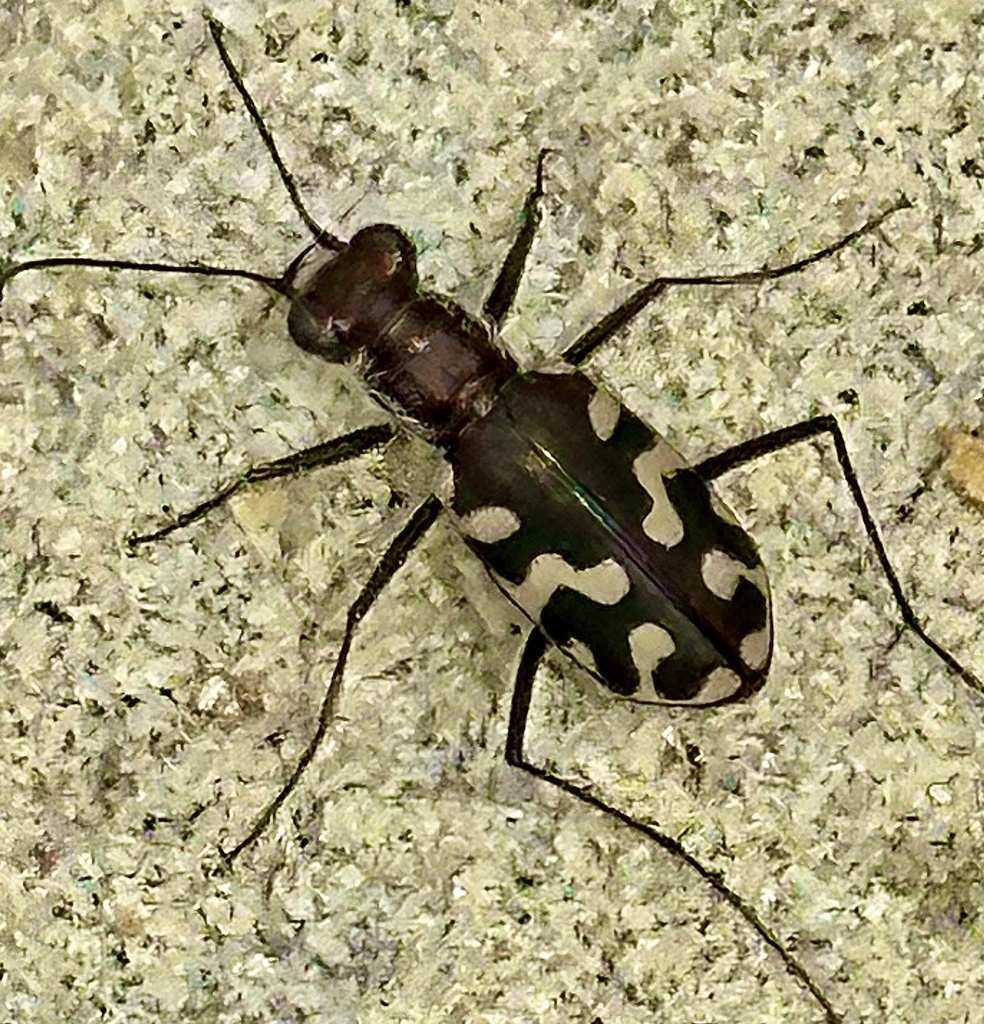
Image source: iNaturalist / Irene
If you've ever spotted a large, dark beetle prowling your garden at night and wondered whether it's helping or hurting your lawn, you're not alone. The question "does the grubfather eat the grubs" comes up constantly among homeowners dealing with mysterious brown patches and chewed-up roots. The short answer is yes, but the full picture matters more than you'd think.
Getting this wrong can lead to unnecessary pesticide use, killed-off beneficial insects, and a lawn that still looks terrible by midsummer. Research from university extension programs shows that misidentifying soil-dwelling beetles is one of the most common mistakes in home pest management. Let's break down what's actually happening under your feet.
Quick Answer
Yes, grubfather beetles eat grubs. These predatory ground beetles actively hunt and consume white grub larvae in soil. They're beneficial insects that naturally suppress pest populations.
However, not all large dark beetles are grubfathers, and correct identification matters before you take any action in your yard.
Why Getting This Wrong Can Cost You Your Lawn
Here's the thing most people miss. When you see a big beetle in your garden, your first instinct might be to kill it or spray around it. That's exactly backwards if it's a predatory ground beetle doing free pest control for you.
The real cost of misidentification shows up in three ways. First, you lose natural grub suppression that was already working. Second, you might apply chemical insecticides that kill beneficial species along with pests.
Third, you spend money on treatments you never needed in the first place.
University extension data suggests that a healthy population of predatory beetles can reduce grub numbers below the economic threshold of 10 grubs per square foot. That's the point where damage becomes visible and treatment makes sense. Kill those beetles and you're starting from zero.
What Exactly Is a Grubfather Beetle?
The term "grubfather" isn't a formal scientific name. It's a common nickname that gets tossed around for several large, predatory ground beetles in the Carabidae family. People use it for different species depending on where they live, which is part of why confusion runs so deep.

Image source: Wikimedia Commons / Сарапулов (CC BY)
In North America, the beetles most often called grubfathers belong to genera like Calosoma and Scaphinotus. These are large, dark, fast-moving beetles with prominent mandibles built for crushing prey. They're nocturnal hunters that spend days hiding under mulch, logs, or loose soil.
The grubs they eat are the larval stage of scarab beetles. Japanese beetle grubs, European chafer grubs, and June bug grubs all fall into this category. These larvae are C-shaped, white or cream-colored, with brown heads and six visible legs near the head end.
They feed on grass roots underground, which is what causes those dead, patchy areas in your lawn.
Here's a quick breakdown of what you're looking at:
| Feature | Grubfather Beetle | White Grub Larva |
|---|---|---|
| Appearance | Large, dark, hard-shelled, fast-moving | C-shaped, soft-bodied, white/cream |
| Legs | 6 long legs for running | 6 short legs near head |
| Habitat | Surface and shallow soil, nocturnal | 1-4 inches deep in soil |
| Role | Predator (beneficial) | Pest (damages roots) |
| Season | Active spring through fall | Present late summer through spring |
How Grubfathers Hunt and Eat Grubs
Grubfather beetles are active predators, not scavengers. They hunt live prey using a combination of speed, strong mandibles, and sensory antennae that detect movement and chemical cues in the soil.
Most hunting happens at night. The beetles patrol the soil surface and probe into thatch and loose topsoil where young grubs feed. When they locate prey, they use their mandibles to crush the larva's body and consume it.
Larger grubfather species can handle grubs nearly their own size.
The feeding pattern is opportunistic rather than systematic. A single predatory beetle won't eliminate every grub in your yard. But a stable population of these beetles, combined with other natural controls like parasitic nematodes and birds, can keep grub numbers manageable without any intervention from you.
Research on ground beetle feeding habits indicates that Calosoma species in particular are specialist predators of caterpillars and beetle larvae. They've been studied as biological control agents in forestry and agriculture for this reason. Their appetite for scarab grubs is well-documented in entomological literature.
The Real Risk: Misidentification and Ecosystem Damage
This is where things go sideways for most homeowners. Not every large beetle in your garden is a grubfather. And not every grub-like larva is a pest.
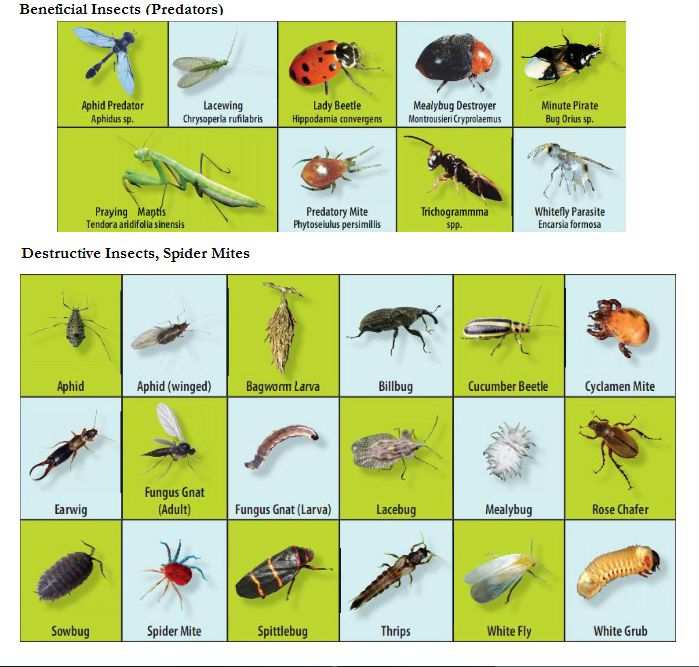
Image source: Bing (Web (fair-use with source credit))
Japanese beetle adults, for example, are large metallic beetles that people sometimes confuse with predatory species. But Japanese beetles are pests themselves, feeding on leaves, flowers, and fruit. Killing a grubfather thinking it's a Japanese beetle removes a beneficial predator while leaving the actual problem untouched.
Then there's the grub side of the equation. Some scarab larvae are neutral or even beneficial in garden ecosystems. Certain species break down organic matter without damaging living plant roots.
Blanket-treating for "grubs" without identifying which species you have can disrupt soil ecology for no good reason.
The biggest risk is broad-spectrum insecticide application. Products containing carbaryl, trichlorfon, or imidacloprid don't distinguish between pest larvae and beneficial beetles. They kill everything in the treated area.
You might knock back your grub problem temporarily, but you've also eliminated the predators that would have provided long-term control.
Signs You Actually Have a Grub Problem
Before you worry about whether grubfathers are doing their job, you need to confirm you actually have a grub problem worth addressing. Not every brown patch in a lawn is caused by grubs.
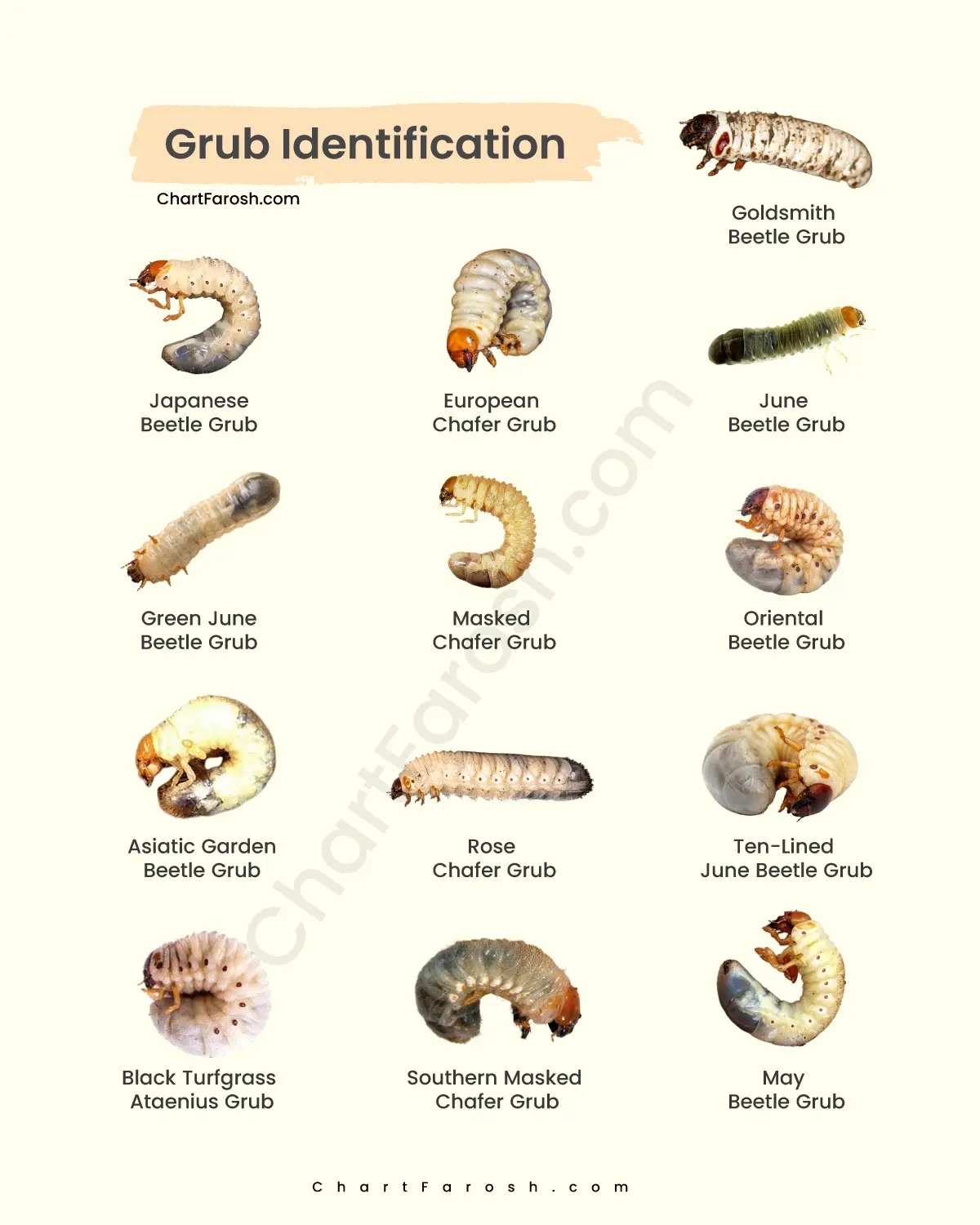
Image source: Bing (Web (fair-use with source credit))
Here's what to look for:
- Spongy turf that feels loose underfoot, like the grass isn't anchored properly
- Irregular brown patches that expand over weeks, starting in late summer
- Animal digging from skunks, raccoons, or birds tearing up the lawn to eat grubs
- Peeling back sod easily, revealing larvae underneath
The confirmation test is straightforward. Cut a 1-square-foot section of turf about 2 inches deep at the edge of a damaged area. Peel it back and count the grubs you find.
Repeat this in several spots across the lawn.
If you're finding fewer than 10 grubs per square foot, treatment usually isn't necessary. Your lawn can tolerate that level of feeding without visible damage. Above that threshold, or if you're seeing active animal digging, it's time to consider your options.
Safe Practices for Managing Grub Populations
If you've confirmed a real grub problem, start with the least disruptive methods first. This preserves any grubfather beetles and other beneficial insects already working in your soil.
Biological controls are your best first line of defense. Beneficial nematodes, specifically Heterorhabditis bacteriophora, are microscopic worms that parasitize grubs in the soil. You apply them with a watering can or hose-end sprayer in late summer when grubs are small and actively feeding near the surface.
Milky spore disease, caused by the bacterium Paenibacillus popilliae, targets Japanese beetle grubs specifically. It takes a few years to build up in the soil but provides long-term suppression once established.
Cultural practices matter more than most people realize. Grubs thrive in heavily watered, thatch-heavy lawns. Reducing irrigation in late summer when eggs are laid, mowing at the proper height, and dethatching when buildup exceeds half an inch all make your lawn less hospitable to pest species.
Chemical treatments should be a last resort and timed correctly. If you go this route, use products specifically labeled for the grub species you've identified. Apply in late July or early August when grubs are young and close to the surface.
Avoid broad-spectrum products that kill indiscriminately.
When to Call in a Professional
There's no shame in bringing in an expert, especially if you're dealing with a large property or recurring problems year after year.
A certified pest management professional can identify the exact grub species you're dealing with. They can assess whether your grubfather beetle population is healthy or if something's suppressing it. They also have access to commercial-grade biological controls and targeted treatments that aren't available to homeowners.
Look for companies that practice integrated pest management. These professionals prioritize biological and cultural controls before reaching for chemicals. They'll also help you understand whether the beetles you're seeing are friends or foes.
Common Mistakes That Make Things Worse
Even well-meaning homeowners can accidentally make grub problems worse. Here are the patterns that show up again and again.
Treating too early or too late. Grub treatments only work when larvae are small and actively feeding. Spraying in spring when grubs are large and nearly ready to pupate is mostly wasted effort. The window is late July through August in most regions.
Killing beneficial beetles. If you're seeing large, fast-moving dark beetles in your garden at night, leave them alone. They're almost certainly helping, not hurting.
Overwatering the lawn. Grub eggs need moist soil to survive. Cutting back irrigation in midsummer when adult beetles are laying eggs can reduce next year's population significantly.
Assuming all grubs are pests. Without proper identification, you might be treating a problem that doesn't exist or that your soil ecosystem is already handling.
Regional Variations You Should Know About
The grubfather beetles and pest grubs you encounter depend heavily on where you live. Species composition varies across climate zones and regions.
In the northeastern United States, European chafer grubs are the dominant pest species. Japanese beetle grubs are widespread across the eastern half of the country. In the Midwest, May and June beetle grubs cause significant damage to turf and crop roots.
The predatory beetles that prey on these grubs vary by region too. Calosoma scrutator, the fiery searcher, is common in eastern forests and gardens. Calosoma calidum appears across northern states. Western regions have their own suite of predatory ground beetle species.
Local university extension services are your best resource for region-specific identification and treatment timing. They track pest pressure and can tell you exactly when to scout for grubs in your area.
Verified Summary: What the Research Actually Says
The scientific consensus is clear on this one. Predatory ground beetles, including species commonly called grubfathers, are effective natural enemies of white grub larvae. Their role in suppressing pest populations is well-documented in agricultural and forestry research.
Studies on ground beetle feeding ecology show that Calosoma species consume significant numbers of scarab larvae when present in sufficient numbers. They're not a silver bullet that eliminates grubs entirely, but they're a valuable component of natural pest suppression.
The key takeaway from the research is that preserving beneficial beetle populations through reduced pesticide use and proper identification leads to better long-term grub management than chemical treatments alone. Your grubfather beetles are working for you. The smart move is to let them.
Frequently Asked Questions
How can I tell if a beetle is a grubfather or a pest?
Look at the body shape and behavior. Grubfather beetles are large, dark, fast-moving, and have visible mandibles. They're active at night and found on the soil surface.
Pest beetles like Japanese beetles are often metallic green and copper, slower, and found feeding on plant leaves during the day.
Should I buy and release grubfather beetles in my garden?
It's not necessary and usually not effective. Predatory ground beetles are mobile and will move away if the habitat doesn't suit them. Focus on attracting them naturally by reducing pesticide use, maintaining mulch layers, and providing ground cover where they can shelter during the day.
What time of year are grubfathers most active?
They're active from spring through fall, with peak hunting activity in summer when grub larvae are small and abundant. They overwinter as adults in protected spots under bark, mulch, or loose soil, then emerge again in spring.
Can grubfather beetles completely eliminate grubs from my lawn?
No single predator can eliminate an entire grub population. Grubfathers are one part of a natural control system that includes birds, parasitic nematodes, and other beneficial organisms. They suppress grub numbers but won't eradicate them entirely.
Are grubfather beetles dangerous to people or pets?
They're not dangerous. They don't bite unless handled roughly, and they don't carry diseases that affect humans or pets. They're completely harmless to have in your garden and yard.
What should I do if I find grubs but no grubfather beetles?
Start with beneficial nematode applications in late summer. Reduce irrigation to make the soil less hospitable for egg-laying adult beetles. Avoid broad-spectrum insecticides that might prevent predatory beetles from recolonizing the area naturally.
Verified Summary: What the Research Already Covered
At this point, the core facts are on the table. Grubfather beetles do eat grubs. Predatory ground beetles are active hunters of scarab larvae.
Misidentification leads to unnecessary pesticide use and ecosystem disruption. Regional timing determines when grubs are vulnerable to both natural predators and treatments.
The research-backed path forward is confirmation before action. Check your grub count before treating. Use biological controls first.
Preserve beneficial beetles in your soil.
From this foundation, let's explore how these facts translate into year-round management decisions for your specific situation.
Why Seasonal Timing Changes Everything
The effectiveness of grubfather beetles and any treatment you might apply depends entirely on where the grubs are in their life cycle. Grubs aren't equally vulnerable all year.
Late summer is the critical window. Adult scarab beetles lay eggs in July and August across most regions. Those eggs hatch within two weeks.
The tiny larvae feed aggressively near the surface through early fall. This is when grubfather beetles have the easiest access to prey. This is also when beneficial nematodes are most effective.
By late fall, grubs burrow deeper into the soil to overwinter below the frost line. They're harder for predators to reach. Surface-applied treatments won't touch them either.
They return to the root zone in spring, but by then they're large, nearly ready to pupate, and have already done most of the damage they'll do that year.
Treating in spring is the most common mistake. Those big grubs you find in April and May are wrapping up their feeding stage. You're spending money and effort on larvae that have already eaten your grass roots.
The damage you're seeing now happened last fall.
How to Build a Beetle-Friendly Yard
If you want grubfather beetles sticking around, your yard needs to meet their basic requirements. These aren't complicated changes.
Shelter is the priority. Ground beetles need daytime hiding spots. Leave some mulch layers in garden beds. Don't rake every leaf into a bag.
A small log pile, stone border, or patch of dense ground cover gives them somewhere to retreat during daylight hours.
Minimize broad-spectrum insecticides. Every application of a non-selective pesticide reduces your predator population. Spot-treat specific pest outbreaks instead of broadcasting chemicals over the entire property. Read product labels carefully.
Active ingredients like carbaryl and chlorantraniliprole are particularly disruptive to ground beetle populations.
Maintain consistent moisture without overwatering. Grubfather beetles need some soil moisture to move through their territory effectively. But saturated soil drives grubs closer to the surface where more eggs survive. Strike a balance by watering deeply but infrequently rather than keeping the lawn constantly damp.
What to Do When Grub Numbers Are High
Sometimes biological control and cultural practices aren't enough. Severe infestations, especially in newly established lawns or properties with a history of grub damage, may need intervention.
If your soil survey consistently shows more than 15 grubs per square foot, consider a targeted approach. Chlorantraniliprole-based products, commonly sold under the brand name GrubEx, work at lower application rates and have less impact on beneficial beetles than older chemistry. Apply in late July when grubs are feeding actively.
Water the product into the soil immediately after application to move it into the root zone.
For smaller infestations between 10 and 15 grubs per square foot, beneficial nematodes are worth trying first. Apply Heterorhabditis bacteriophora in the evening since UV light kills nematodes. Soil temperatures should be between 60 and 90 degrees Fahrenheit.
Water the area before and after application to keep the soil moist.
Frequently Asked Questions
Can I have too many grubs for grubfathers to handle?
Yes. When infestation levels exceed roughly 20 grubs per square foot, even a healthy predator population can't keep up. At that point, supplemental treatments become necessary to prevent visible turf damage.
Do grubfather beetles stay in one area?
They're mobile hunters that patrol a territory rather than maintaining a fixed burrow. A beetle may patrol several square yards over the course of a week. This mobility is part of what makes them effective predators across larger garden areas.
Will grubfather beetles harm my plants?
No. Predatory ground beetles are strictly carnivorous. They only feed on insects, larvae, and other small invertebrates.
They won't damage roots, leaves, or flowers in your garden.
What else eats grubs besides grubfather beetles?
Birds like starlings and robins are major grub predators. Skunks and raccoons dig up grubs at night. Parasitic wasps and flies target adult scarab beetles to reduce future egg-laying.
Parasitic nematodes attack grubs underground. Grubfathers are one part of a larger suppression system.
How long do grubfather beetles live?
Most ground beetle species live one to three years as adults. They can overwinter multiple times, giving them several seasons to suppress grub populations in the same area.
Safe Practices for Managing Grub Populations
The key principle is to intervene only when necessary and with the least disruptive option. Start with a soil survey in late summer. Count grubs across multiple spots.
If numbers stay below 10 per square foot, your existing predatory beetles and natural controls are handling the problem.
If treatment becomes necessary, apply beneficial nematodes in early evening during August. Keep the soil consistently moist for two weeks after application. Avoid mowing for a few days before and after to reduce stress on the turf.
When to Call in a Professional
Persistent grub problems year after year warrant expert assessment. Certified pest management professionals can identify species accurately and pinpoint why natural controls are failing. Look for companies practicing integrated pest management, which prioritize targeted solutions over blanket chemical applications.
Common Mistakes That Make Things Worse
Spring treatments waste money on grubs that have already done their damage. Broad-spectrum insecticides kill beneficial beetles along with pests. Overwatering creates ideal conditions for grub egg survival.
Treating without confirming grub species leads to unnecessary disruption of your soil ecosystem.
Regional Variations You Should Know About
Your location determines which grub species dominates and when treatments should be applied. Japanese beetles predominate across the eastern states. European chafers dominate the Northeast.
Contact your local university extension service for region-specific identification guides and treatment timing calibrated to your climate zone.
Verified Summary: What the Research Says
The evidence is consistent: predatory ground beetles effectively suppress grub populations when allowed to thrive. Natural controls work best as part of an integrated approach. Chemical interventions should be targeted, timed correctly, and used only after confirmation.