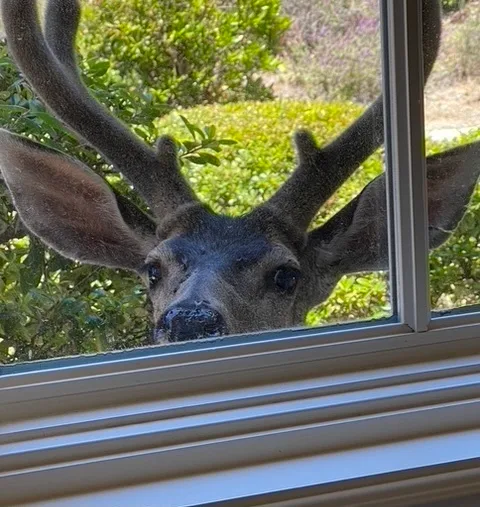
Image source: iNaturalist / Irene
You've probably heard the old-timer trick: bag up hair from your local barbershop, hang it around your garden, and the deer will stay away. It sounds almost too simple to work, and you're right to be skeptical. The real answer to does human hair deter deer is more nuanced than a straight yes or no.
It can help in some situations, fail completely in others, and the difference comes down to factors most people don't think about.
Research from university extension services suggests scent-based deterrents like human hair have limited and inconsistent effectiveness. A single white-tailed deer can consume 4 to 8 pounds of vegetation per day during peak browse season, so even a small gap in protection adds up fast. Let's break down what actually works, what doesn't, and how to make an informed decision for your specific situation.
Quick Answer
Human hair may deter deer temporarily in low-pressure areas. It is not a reliable standalone solution. Effectiveness drops significantly in high-deer-density regions.
Results vary based on weather, deployment method, and deer habituation. Most extension services recommend combining it with other deterrents.
Why Human Hair Seems Like It Should Work
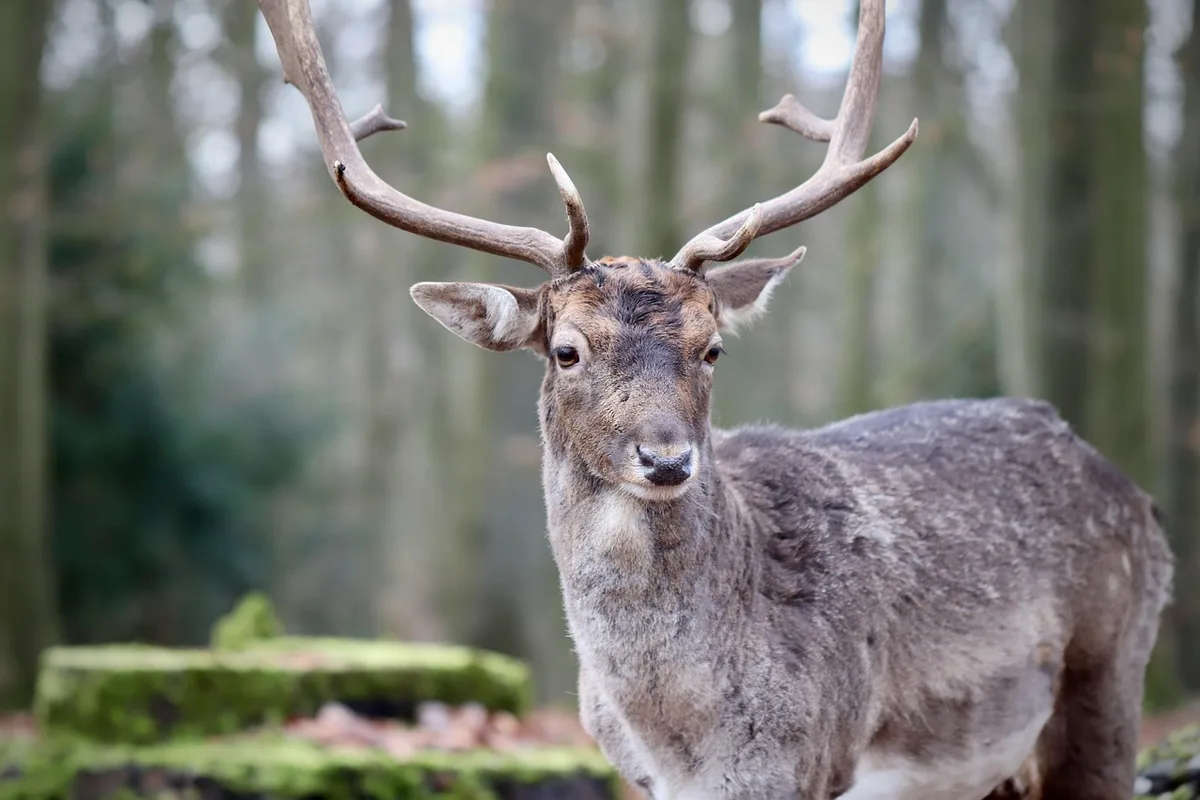
Image source: Pixabay / Nennieinszweidrei (Pixabay Content License)
The logic behind this method is straightforward. Deer rely heavily on their sense of smell to detect predators and assess danger. Human scent, including the oils and compounds found in hair, signals the presence of a predator.
In theory, a deer catching a strong whiff of human hair should trigger a flight response and send it browsing elsewhere.
There's some science backing the general principle. Studies published in the Journal of Wildlife Management have shown that novel scent cues can alter deer foraging behavior, at least initially. Deer are neophobic, meaning they're naturally wary of unfamiliar smells in their environment.
Human scent qualifies as novel in most suburban and rural settings where deer have limited direct contact with people.
The appeal is obvious. Human hair is free, non-toxic, and readily available. Barbershops and salons produce pounds of it daily and are usually happy to give it away.
For gardeners looking to avoid chemical repellents or expensive fencing, it feels like a zero-cost win.
But here's where the theory meets reality. The scent from human hair dissipates quickly outdoors. Rain, humidity, and UV exposure break down the volatile compounds that carry the human odor.
What smells strongly of barbershop in a bag loses its punch within days once it's hanging on your fence post.
The Science Behind Deer Scent and Habituation
Deer have approximately 297 million olfactory receptors in their noses, compared to about 5 million in humans. They can detect scent concentrations at parts per billion. This extraordinary sensitivity is both the strength and the weakness of any scent-based deterrent.
When deer encounter a new smell, their first response is avoidance. This is the window where human hair might work. But deer are also highly adaptable.
If they encounter the same scent repeatedly without any negative consequence, a process called habituation kicks in. The deer learns that the smell doesn't actually signal danger, and it resumes feeding in the area.
Habituation is the single biggest reason scent-based deterrents fail over time. Research from Penn State Extension notes that most olfactory deer repellents lose effectiveness within 2 to 4 weeks as deer acclimate. Human hair is no exception.
In areas with high deer populations and established feeding patterns, habituation can happen even faster.
There's another factor at play. Urban and suburban deer, the ones most likely to be munching on your hydrangeas, have already habituated to a wide range of human scents. They walk past garbage cans, cars, and houses daily.
The smell of human hair may not register as a meaningful threat signal to deer that already live in close proximity to people.
The type of hair matters too. Hair that's been heavily treated with scented shampoos, conditioners, and styling products has a different scent profile than unwashed hair. Some experts suggest that strongly fragranced hair may actually mask the human scent compounds that trigger the avoidance response.
Others argue the added scents might increase novelty. The honest answer is that no controlled studies have isolated this variable definitively.
When Human Hair Might Help (And When It Won't)
This is where we need to get specific. The effectiveness of human hair as a deer deterrent isn't random. It depends on a handful of identifiable conditions.
Think of this as a decision framework rather than a guarantee.
Deer Pressure Is the Deciding Factor
If you live in an area with low deer density, say fewer than 10 deer per square mile, human hair has a better chance of providing noticeable relief. The combination of limited deer numbers and a novel scent cue can be enough to push feeding activity to neighboring properties.
In high-pressure zones, particularly suburban corridors in the eastern U.S. where densities can exceed 30 to 50 deer per square mile, hair alone almost never works for long. The sheer number of deer and competition for food overrides the mild deterrent effect. When deer are hungry enough, they'll tolerate a lot of unfamiliar smells to eat.
Your Local Deer Population Matters
White-tailed deer and mule deer respond differently to scent deterrents. White-tailed deer in the eastern U.S. tend to be more habituated to human presence due to decades of suburban encroachment. Mule deer in western ranges may be more skittish around novel scents, but they also tend to roam across much larger territories, making consistent deterrence harder to maintain.
The individual personality of local deer also plays a role. Some deer populations are bolder. Others are more cautious.
There's no way to predict this without observing your specific deer population over time.
Climate and Weather Conditions
Human hair loses its scent potency fastest in humid, rainy climates. If you're in the Southeast or Pacific Northwest, expect to replace hair bags every 10 to 14 days. In arid western climates, the scent may persist for 3 to 4 weeks.
Heavy rain essentially resets the clock each time.
Temperature matters too. Warm conditions volatilize scent compounds faster, which can actually increase short-term effectiveness but also accelerates the depletion rate. Cold winter air preserves scent but also means deer are more desperate and willing to tolerate discomfort for food.
How You Deploy the Hair Changes Everything
Loose hair scattered on the ground loses its scent almost immediately and can blow away or clump into an unsightly mess. Hair packed into breathable mesh bags or nylon stockings, hung at deer-nose height (roughly 2 to 3 feet off the ground), performs significantly better. The breathable container protects the hair from rapid moisture damage while allowing scent to disperse gradually.
Placement near known deer travel corridors and at entry points to your garden matters more than simply hanging bags randomly. If the hair isn't in the deer's path, they'll never encounter the scent.
How to Use Human Hair as a Deer Deterrent
If you've weighed the conditions above and decided it's worth trying, proper deployment makes the difference between a waste of effort and a modest layer of protection. Here's the most effective approach based on extension service recommendations and field reports.
Step 1: Source the Right Hair
Call local barbershops and salons. Most will save hair for you if you ask. Aim for hair that hasn't been heavily treated with fragranced products, though any human hair is better than none.
Collect enough to fill several mesh bags. For a typical home garden, you'll want at least 2 to 3 pounds total.
Step 2: Prepare the Hair Properly
Spread the collected hair out and let it dry completely if it's damp. Wet hair clumps, molds, and creates an unpleasant mess. Once dry, fluff it apart to maximize surface area.
This is where the scent compounds do their work, so the more exposed surface, the better.
Step 3: Choose Your Deployment Method
The most common and effective method is filling breathable mesh bags, nylon stockings, or cheesecloth sachets with hair. Avoid sealed containers. The scent needs to escape into the air.
Organza bags from craft stores work well. So do the legs of old pantyhose. The key is breathability combined with enough structure to hold the hair in place.
Step 4: Place Strategically
Hang bags at 2 to 3 feet high, roughly deer-nose height. Space them every 3 to 6 feet along the perimeter of the area you're protecting. Focus on entry points and known travel paths.
If you've noticed deer coming through a specific gap in your fence, that's where the first bag should go.

Image source: Pixabay / BRRT (Pixabay Content License)
Step 5: Replace on Schedule
Plan to replace the hair every 2 to 4 weeks. In rainy or humid conditions, check bags every 10 days. Once the scent has faded, deer will treat the bags as part of the landscape.
Fresh hair restarts the novelty clock, at least temporarily.
Rotate placement locations slightly with each replacement. This helps slow habituation by presenting the scent in a slightly different spatial context each time.
What the Research and Extension Services Actually Say
University extension programs are the best source of unbiased, research-backed guidance on deer deterrents. Their recommendations carry more weight than anecdotal forum posts or gardening blogs.
Penn State Extension notes that human hair bags may provide short-term protection in low-pressure situations. They also emphasize that no scent-based repellent should be relied upon as a sole deterrent in areas with significant deer populations.
Cornell Cooperative Extension recommends scent deterrents as one component of an integrated approach. Their guidelines suggest rotating methods frequently to slow habituation. They do not list human hair as a top-tier option.
University of Georgia Extension research highlights that commercial repellents with putrescent egg solids consistently outperform home remedies in controlled trials. Human hair was not among the methods showing reliable results in their studies.
The consistent message across extension services is clear. Human hair might supplement a broader strategy. It should never be your only line of defense.
Better Alternatives and Complementary Methods
If you're serious about protecting your garden, you need options that deliver more consistent results. Here's what actually works, based on research and field performance.
Commercial Scent Repellents
Products containing putrescent egg solids, garlic oil, or capsaicin show the most reliable results in university trials. Brands like Deer Scram and Plantskydd have documented efficacy data. These repellents typically last 3 to 6 weeks per application and need reapplication after heavy rain.
They work by creating both an unpleasant smell and taste. Deer take one bite and move on. This contact-based action is more effective than scent alone.
Physical Barriers
Image source: Pixabay / diegartenprofis (Pixabay Content License)
Deer fencing is the gold standard for reliable protection. An 8-foot-tall barrier is sufficient for most areas. In zones with heavy jumping deer, consider 10 feet.
Electric fence strands at 30 and 54 inches are also effective and less visually intrusive.
Individual plant cages made of wire mesh work well for protecting specific high-value plants. This approach is practical for small gardens where full fencing isn't feasible.
Motion-Activated Deterrents
Motion-activated sprinklers like the Orbit Yard Enforcer startle deer with a burst of water. They work well along established deer trails. Ultrasonic devices have mixed reviews, with most extension services rating them as minimally effective.
The key advantage of motion-activated methods is that they prevent habituation. The stimulus is unpredictable, so deer can't learn to ignore it.
Deer-Resistant Planting
Incorporating deer-resistant species into your landscape reduces overall vulnerability. Lavender, rosemary, daffodils, and foxgloves are naturally unpalatable to deer. These plants won't guarantee zero damage, but they lower the attractiveness of your garden as a food source.
This strategy works best as a preventive measure. It takes time for plantings to establish and fill in.
Layered Approach: The Real Secret
The most effective deer management strategy combines multiple methods. Use physical barriers for high-value areas. Add scent repellents for supplemental coverage.
Incorporate deer-resistant plants throughout the landscape. Rotate deterrent types every few weeks.
This integrated approach, sometimes called Integrated Pest Management for deer, prevents habituation and provides redundant protection. If one method fails, others are still working.
Common Mistakes People Make With the Hair Method
Even when human hair is worth trying, people tend to make the same avoidable errors. Here are the most frequent ones.
Using sealed containers. Hair in a ziplock bag does nothing. The scent can't escape. Always use breathable mesh or fabric.
Hanging bags too high. Deer noses operate at 2 to 3 feet off the ground. Bags at 6 feet are above the scent detection zone. Keep them low.
Never replacing the hair. Scent fades fast. If you hang bags in April and forget about them until July, you're providing zero protection for most of the season.
Relying on hair alone in high-pressure areas. If your neighbors are also feeding deer or your area has dense populations, hair won't compete with the motivation to eat. Be realistic about your deer pressure.
Scattering hair loosely on the ground. Wind, rain, and decomposition make this method ineffective within days. It also looks terrible and can attract dogs or rodents.
Using heavily fragranced hair without considering the scent profile. Strongly perfumed shampoos may mask the human scent compounds that trigger avoidance. Unscressed or minimally treated hair is preferable.
Cost Breakdown: Hair Method vs. Other Deterrents
Here's a practical comparison of what you're actually spending per season for a typical home garden of roughly 200 square feet.
| Method | Estimated Season Cost | Effectiveness | Effort Level |
|---|---|---|---|
| Human hair bags | $0 to $5 (bags/supplies) | Low, inconsistent | High (frequent replacement) |
| Commercial scent repellent | $20 to $50 | Moderate to high | Moderate |
| Deer fence (8 ft) | $150 to $400 (one-time) | Very high | Low after install |
| Motion-activated sprinkler | $40 to $80 (one-time) | Moderate | Low |
| Deer-resistant plants | $30 to $100 (one-time) | Low to moderate | Low after establishment |
The hair method wins on cost alone. But the labor cost of frequent replacement and the risk of gaps in protection make it less practical than it first appears. For most gardeners, a modest investment in fencing or commercial repellent delivers better results per dollar and per hour of effort.
When the Hair Method Is Worth Trying
Human hair makes sense in specific scenarios. It's worth trying if you have low deer pressure and want a zero-cost experiment. It works as a supplemental layer alongside other methods.
It's a reasonable option for organic gardeners who want to avoid all synthetic chemicals.
It's also a decent short-term solution while you plan and install a more permanent barrier. If you've just moved into a new property and deer damage is immediate, hair bags can buy you a few weeks while you research better options.
The method fails as a primary strategy in high-density areas. It also fails if you're not willing to maintain a strict replacement schedule. If that sounds like your situation, skip straight to fencing or commercial repellents.
Frequently Asked Questions
Does human hair work better than commercial deer repellent?
No. Commercial repellents with putrescent egg solids or capsaicin consistently outperform human hair in university trials. Hair may supplement other methods but shouldn't replace them in areas with meaningful deer pressure.
How often should I replace human hair in my garden?
Replace hair bags every 2 to 4 weeks under normal conditions. In rainy or humid climates, check every 10 to 14 days. Once the scent fades, the bags are essentially decorative.
Will human hair attract other pests to my garden?
It can. Dogs, raccoons, and rodents may investigate hair bags. Some gardeners report rats nesting in scattered hair.
Using sealed mesh bags rather than loose hair reduces this risk significantly.
Is human hair safe to use around pets and children?
Yes, human hair is non-toxic. However, ensure bags are hung where pets can't chew and swallow the hair, which can cause intestinal blockages. Keep the setup out of reach of small children who might pull bags down.
Can I use dog hair or cat hair instead of human hair?
Some gardeners report success with pet hair, particularly from dogs. The principle is the same: predator scent signals danger. However, pet hair tends to be less effective because domestic animals don't carry the same predator-cue scent profile as humans.
Does the type of shampoo on the hair matter?
It might. Heavily fragranced hair products could mask the natural human scent compounds that trigger deer avoidance. Unscented or minimally treated hair is likely more effective, though no controlled studies have confirmed this definitively.
Final Verdict: Should You Bother?
Human hair is worth trying if you have low deer pressure, a tight budget, and the willingness to maintain a strict replacement schedule. It's a reasonable supplemental layer in a broader integrated strategy. It is not a reliable primary deterrent in areas with meaningful deer density.
If you're dealing with heavy browse damage and need consistent results, invest in physical barriers first. Add commercial repellents as a second layer. Use human hair as a bonus if you want to experiment, but don't stake your garden on it.
The best deer management plan is always a multi-method approach. Rotate deterrents, monitor results, and adjust based on what your specific deer population does. That's the strategy extension services recommend, and it's the one that actually works season after season.