Image source: Pixabay / jameertamboli786 (Pixabay Content License)
Can You Actually Grow a Guava Tree in Texas?
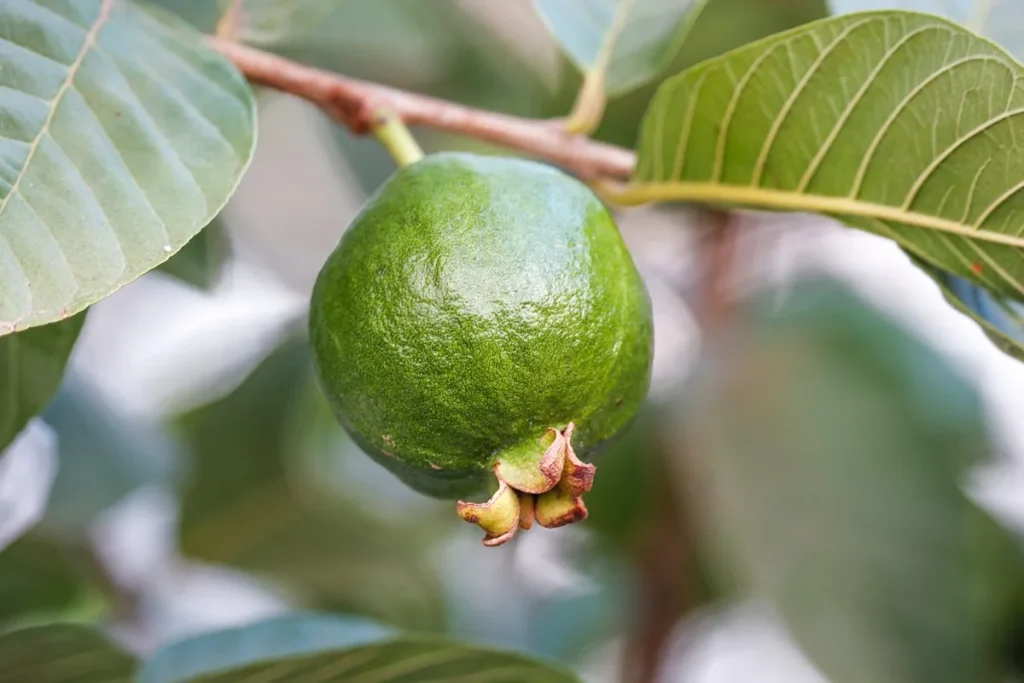
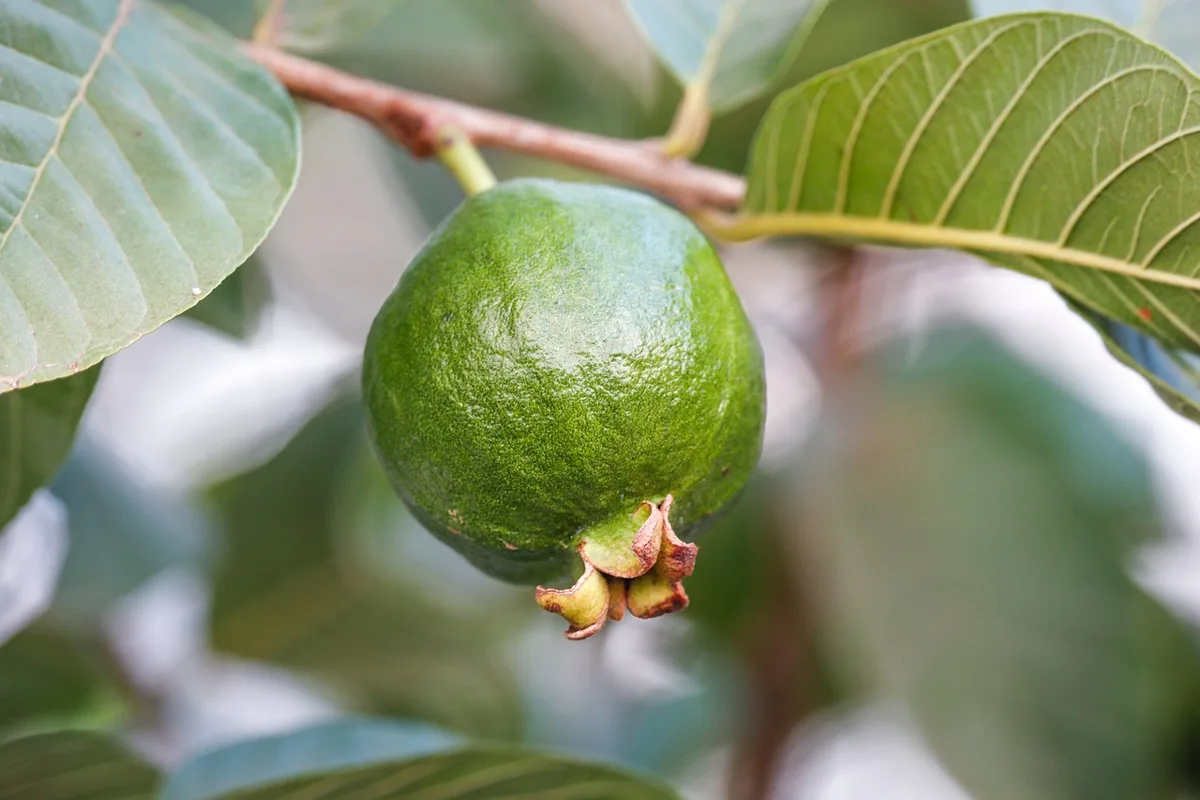
If you've been eyeing a guava tree in Texas, you're probably wondering whether it's even possible. The short answer is yes, but it depends entirely on where you live and how you approach it. Texas spans a huge range of climates, and guavas are tropical trees that don't handle cold well.
Here's the reality. Most guava trees suffer damage when temperatures drop below 25°F. That rules out in-ground planting across a big chunk of the state.
But in South Texas and along the Gulf Coast, where winters stay mild, you can grow guavas outdoors year-round. The key is matching your planting strategy to your specific zone.
Quick Answer: It Depends on Where You Live and How You Plant It
You can grow a guava tree in Texas if you're in USDA Zones 9b through 10a. That covers the Rio Grande Valley, Corpus Christi, Houston, and the southern Gulf Coast. In Zones 8b to 9a, you'll need winter protection or a container you can move indoors.
North of that, container growing with indoor winter storage is your only realistic option. Choose a cold-tolerant variety like Mexican Cream or Ruby Supreme for the best odds.
Why Guava Trees Struggle in Most of Texas — and Where They Thrive
Guava trees (Psidium guajava) are native to tropical Central America and the Caribbean. They evolved in warm, humid conditions with no frost. That's the opposite of what most of Texas delivers in January.
Texas stretches from USDA Zone 7b in the Panhandle all the way to Zone 10a in the Lower Rio Grande Valley. A guava tree that thrives in Brownsville might not survive a single winter night in Amarillo.
The Gulf Coast and South Texas offer the best shot at in-ground growing. Houston sits in Zone 9a. Average winter lows hover around 40°F.
That's warm enough for most guava varieties, though a hard freeze can still cause damage.
Central Texas, including Austin and San Antonio, falls in Zones 8b to 9a. You can grow guavas here, but you'll need a sheltered spot and protection during cold snaps. North of the I-20 corridor, winter temperatures regularly dip into the teens.
In-ground guavas won't survive there without serious intervention.
The good news? Guavas adapt well to containers. If you're in Dallas, Lubbock, or anywhere with harsh winters, you can grow a guava in a pot and bring it inside when temperatures drop.
The Cold Hardiness Problem: What Temperature Kills a Guava Tree?
This is the single most important factor in deciding whether a guava tree will survive in your part of Texas. Get this wrong, and you'll lose the tree.
Most common guava varieties suffer leaf damage at 28°F. Sustained temperatures at or below 25°F will kill branches and can kill the entire tree to the ground. Some cold-hardier cultivars, like Mexican Cream, can tolerate brief dips to around 20°F, but that's pushing it.
Here's what happens at different temperatures:
| Temperature | Effect on Guava Tree |
|---|---|
| 32°F (light frost) | Minor leaf burn on sensitive varieties |
| 28°F | Noticeable leaf and tip damage |
| 25°F | Branch dieback, possible trunk damage |
| 20°F | Severe damage or death of above-ground growth |
| Below 15°F | Fatal to nearly all guava varieties |
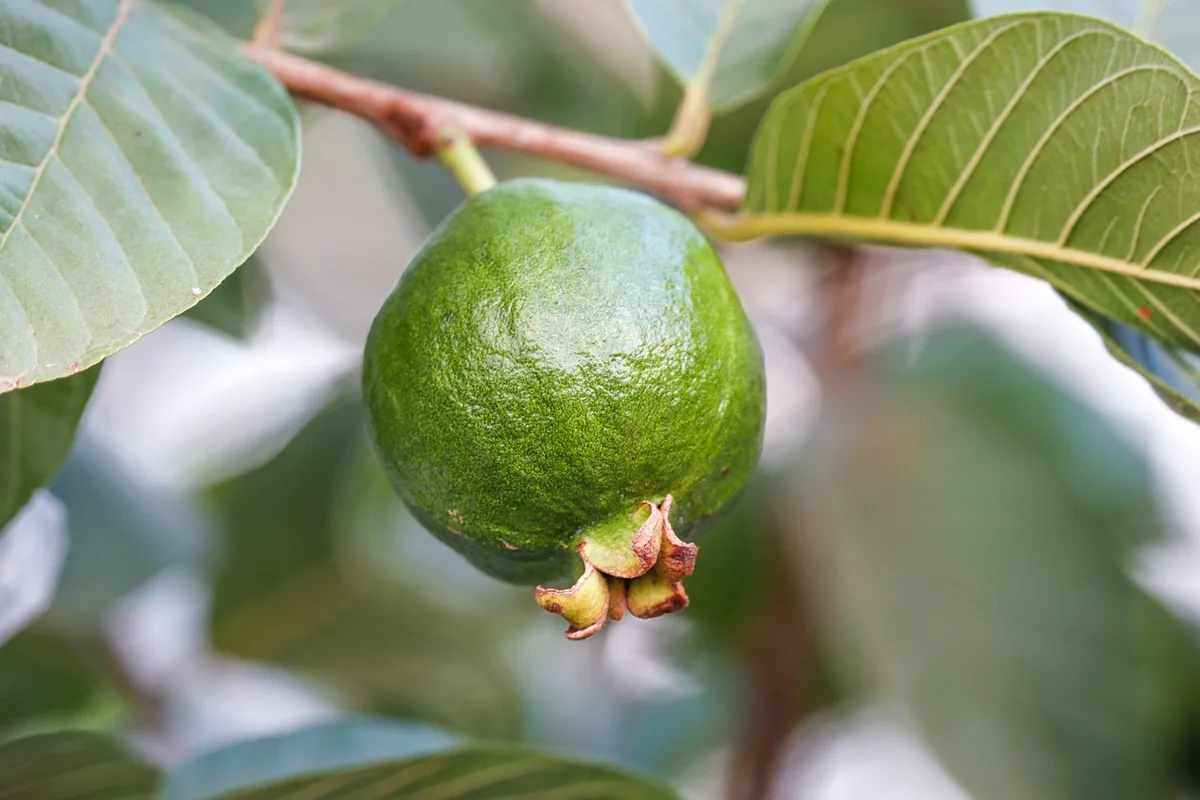
Image source: Pixabay / jameertamboli786 (Pixabay Content License)
Texas A&M AgriLife Extension data shows that parts of the Hill Country and North Texas see temperatures below 20°F several times per decade. Even Houston recorded single-digit lows during the February 2021 winter storm that devastated tropical plants across the region.
If you're planting in-ground, know your area's average minimum winter temperature. Check the USDA Plant Hardiness Zone Map for your exact location. Don't rely on zone averages alone.
Microclimates matter. A south-facing wall, proximity to a building, or a low-lying frost pocket can shift your effective zone by a full step.
Best Guava Varieties for Texas Gardeners
Not all guavas are created equal. Some handle cold better. Some produce fruit faster.
Some are just better suited to Texas conditions.
Here are the top varieties worth considering:
Mexican Cream: Cold-hardier than most, tolerates brief dips near 20°F. Produces medium-sized fruit with creamy white flesh and a sweet, rich flavor. A solid choice for Central and South Texas.
Ruby Supreme: Pink-fleshed fruit with excellent flavor. Moderate cold tolerance, best suited for Zones 9b and warmer. Performs well in the Houston area and along the Gulf Coast.
White Indian: White flesh, mild sweetness. Handles heat well and produces reliably in South Texas. Cold tolerance is average, so protect it below 28°F.
Tropic Pink: Bred for tropical conditions. Best for the Rio Grande Valley and Zone 10a. Not a good pick for anywhere that sees regular freezes.
Lucknow 49 (Sardar): A larger-fruited Indian variety. Moderate cold tolerance, good production in warm Texas zones. The fruit can weigh over a pound each.
If you're in a borderline zone, stick with Mexican Cream. It's the most forgiving option for Texas gardeners who want to push the climate envelope. For container growing, any of these varieties will work since you can control the environment.
Grafted trees are worth the extra cost. They fruit in 2 to 3 years, compared to 4 to 6 years for seedlings. They also produce true-to-type fruit, which matters if you care about flavor and size.
In-Ground vs. Container: Which Approach Works for Your Zone?
Your USDA zone determines which path makes sense.
In-ground planting works if you're in Zones 9b to 10a. That's the southern third of Texas. Plant in spring after the last frost date.
Choose a spot with full sun, good drainage, and some wind protection. A south-facing wall or fence line is ideal. It absorbs heat during the day and radiates it at night.
Container growing is the move for Zones 7b to 9a. Use a pot that's at least 15 to 20 gallons for a mature tree. Make sure it has drainage holes.
A well-draining potting mix with perlite or coarse sand works best. You'll need to move the container indoors or into a garage when temperatures drop below 30°F.
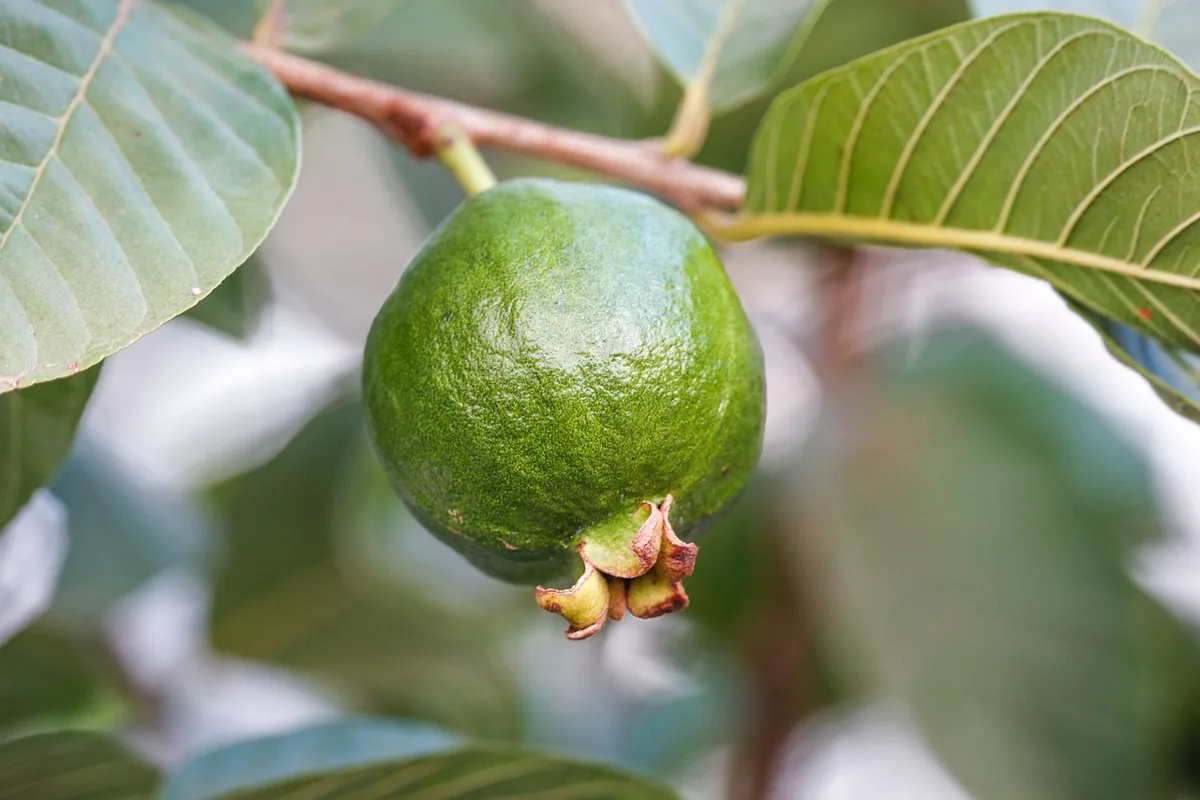
Image source: Pixabay / jameertamboli786 (Pixabay Content License)
Here's a quick zone-by-zone guide:
| Texas Region | USDA Zone | Recommended Approach |
|---|---|---|
| Lower Rio Grande Valley | 10a | In-ground, any variety |
| Corpus Christi, Laredo | 9b to 10a | In-ground, cold-tolerant varieties |
| Houston, Gulf Coast | 9a to 9b | In-ground with frost protection, or container |
| San Antonio, Austin | 8b to 9a | Container preferred, in-ground with heavy protection |
| Dallas, Fort Worth | 8a to 8b | Container only, move indoors in winter |
| Panhandle, North Texas | 7b to 8a | Container only, indoor winter storage required |
Container trees need more frequent watering and feeding. The soil dries out faster in a pot. But the tradeoff is control.
You can move the tree to shelter before a freeze, which is a huge advantage in unpredictable Texas winters.
If you go the container route, invest in a plant caddy with wheels. A 20-gallon pot with soil and a tree can weigh over 100 pounds. You don't want to be dragging it across your patio every time a cold front rolls through.
How to Plant a Guava Tree in Texas — Step by Step
Planting a guava tree in Texas isn't complicated, but timing and preparation matter more here than in tropical climates.
Step 1: Pick the right time. Spring is ideal. Wait until after your area's last frost date. In South Texas, that's usually mid-February to early March.
In Central or North Texas, aim for mid-April. Planting too early risks frost damage to new growth.
Step 2: Choose your location. Full sun is non-negotiable. Guava trees need at least 6 to 8 hours of direct sunlight daily. Pick a spot with good air circulation but some wind protection.
A south-facing wall is perfect.
Step 3: Test and amend your soil. Guavas prefer a pH between 4.5 and 7.0. Most Texas soils tend toward the alkaline side, especially in the Hill Country. Grab a soil test kit from your local county extension office.
If your pH is above 7.0, work in elemental sulfur or acidic compost to bring it down.
Step 4: Dig the hole. Make it twice as wide as the root ball but no deeper. Guava roots are shallow and spread laterally. Planting too deep invites root rot.
If your soil is heavy clay, consider mounding the planting area or adding coarse sand for drainage.
Step 5: Plant and water thoroughly. Set the tree so the root flare sits at or slightly above soil level. Backfill with native soil mixed with compost. Water deeply right after planting.
Then apply 3 to 4 inches of mulch around the base, keeping it a few inches away from the trunk.
For container trees, use a high-quality potting mix with added perlite. Make sure the pot has drainage holes. Water until it runs out the bottom.
Soil, Sun, and Water: Getting the Basics Right
Once your tree is in the ground, three things determine whether it thrives. Soil quality, sun exposure, and watering habits.
Guava trees aren't picky about soil type, but drainage is critical. They won't tolerate standing water. If you've got heavy clay, amend it with compost and sand before planting.
Raised beds work well in poorly drained areas.
Sunlight is straightforward. More is better. A guava tree in full sun will produce more flowers and fruit than one in partial shade.
If you're growing in a container, move the pot to follow the sun during the growing season.
Watering is where most beginners go wrong. Guavas like consistent moisture but hate wet feet. Water deeply once or twice a week during the growing season, depending on rainfall.
In containers, you may need to water every day during Texas summers. Reduce watering in winter when the tree goes semi-dormant.
Here's a quick reference for watering needs:
| Season | In-Ground Frequency | Container Frequency |
|---|---|---|
| Spring | Once per week | Every 2 to 3 days |
| Summer | Twice per week | Daily to every other day |
| Fall | Once per week | Every 2 to 3 days |
| Winter | Every 2 to 3 weeks | Weekly, light watering |
Fertilize with a balanced formula during the growing season. A 10-10-10 applied every 6 to 8 weeks works well. Avoid fertilizing after August.
Late-season nitrogen pushes soft new growth that's vulnerable to frost damage.
Protecting Your Guava Tree During a Texas Winter
This section matters most if you're growing in-ground in Zones 8b to 9a, or if an unusual cold snap hits your area. Even South Texas can surprise you, like it did in February 2021.
The first line of defense is mulch. Apply a thick layer, 4 to 6 inches, around the base of the tree in late fall. This insulates the root zone.
Guava roots are more sensitive to cold than the trunk.
When a freeze is forecast, cover the tree with frost cloth or an old bedsheet. Drape it all the way to the ground and secure it. The goal is to trap radiant heat from the soil.
Don't use plastic sheeting directly on the foliage. It transfers cold and burns leaves.
For young trees, wrap the trunk with burlap or insulation wrap. Trees under 3 years old have thinner bark and are more susceptible to freeze damage.
If you're growing in containers, move the tree indoors or into an unheated garage when temperatures are expected to drop below 32°F. Don't bring it into a heated living space. Guavas need winter dormancy.
A garage or covered porch works fine. Keep the soil just barely moist while it's inside.
After a freeze, resist the urge to prune immediately. Wait until spring when new growth appears. That's when you can see what's truly dead.
Guava trees are surprisingly resilient. Even if the top dies back, they often regrow from the roots.
Common Pests and Diseases in Texas — and How to Handle Them
Guava trees are relatively low-maintenance, but Texas presents a few specific pest and disease pressures.
Guava fruit fly and Caribbean fruit fly are the biggest concerns. These insects lay eggs inside developing fruit. The larvae feed on the flesh, making it inedible.
Bagging individual fruit with paper bags or mesh sleeves is an effective organic control. Remove fallen fruit promptly to break the breeding cycle.
Scale insects show up as small, waxy bumps on stems and leaves. They suck sap and weaken the tree over time. Horticultural oil applied during the dormant season controls them well.
Neem oil works for lighter infestations during the growing season.
Anthracnose is a fungal disease common in humid Gulf Coast areas. It causes dark spots on leaves and fruit, especially during wet spring weather. Good air circulation helps prevent it.
Prune the canopy to open it up. Copper-based fungicide sprays offer additional protection if the problem persists.
Root rot happens when guavas sit in poorly drained soil. The leaves yellow and wilt even when the soil is wet. The fix is better drainage.
If you suspect root rot, reduce watering and improve soil structure with amendments.
Healthy, well-fed trees resist pests and diseases better than stressed ones. Keep up with fertilization, watering, and pruning.
When Will You Actually Get Fruit? Realistic Timelines
Patience is part of growing guavas. You won't harvest fruit the first year, and that's normal.
Grafted guava trees typically produce their first meaningful crop within 2 to 3 years after planting. Seedling trees take longer, usually 4 to 6 years. If you're buying from a nursery, look for grafted stock.
In South Texas and the Gulf Coast, fruit ripens from mid-summer through early fall. Some varieties, especially in Zone 10a, can produce a second, lighter crop in late fall or even winter.
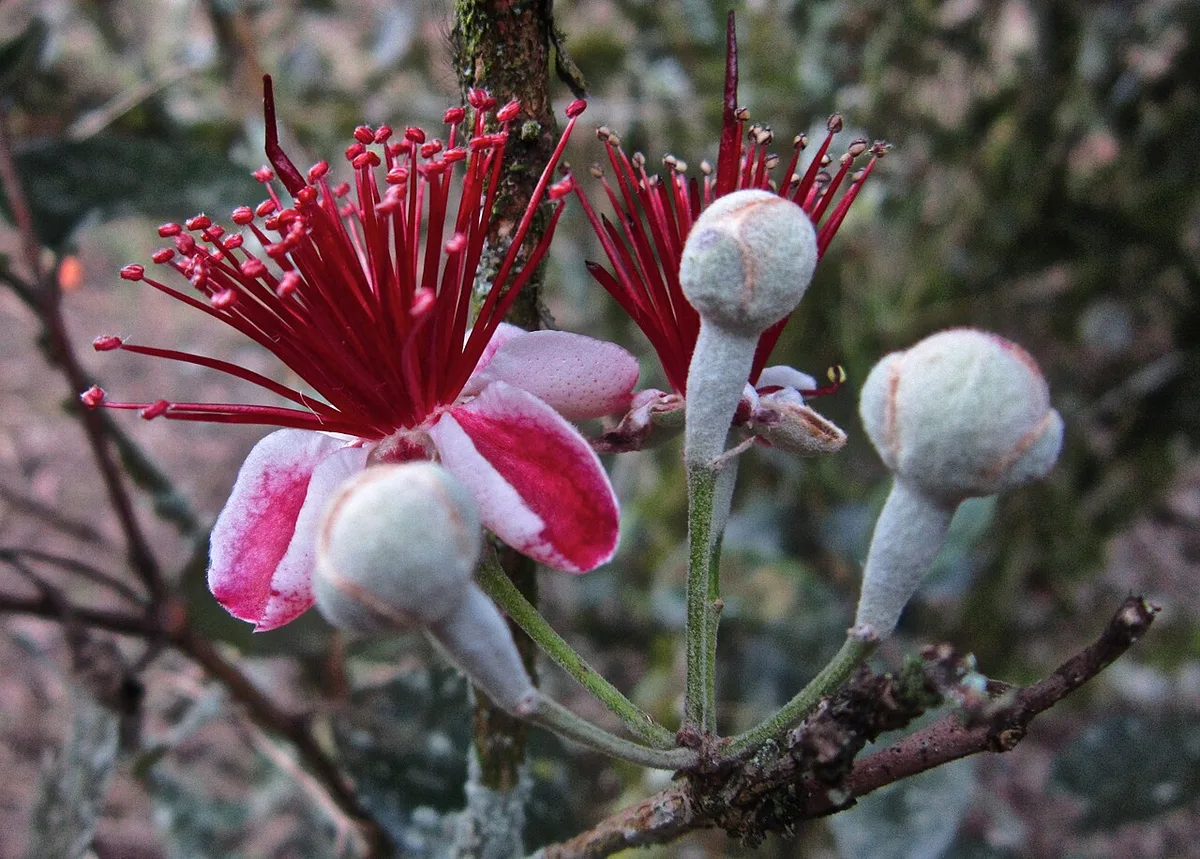
Image source: Wikimedia Commons / pamsai, 200K views, thank you (CC BY-SA)
Here's what to expect by year:
| Year After Planting | Grafted Tree | Seedling Tree |
|---|---|---|
| Year 1 | Establish roots, minimal growth | Establish roots, vegetative growth |
| Year 2 | Light flowering possible, small fruit set | Vegetative growth only |
| Year 3 | First real harvest, 20 to 40 lbs | May flower lightly |
| Year 4 | Full production, 40 to 80+ lbs | Small fruit set possible |
| Year 5 | Peak production, 60 to 100+ lbs | Moderate harvest, 20 to 40 lbs |
The fruit is ready to pick when it changes color slightly and gives off a sweet, musky aroma. It will feel slightly soft when squeezed. Guavas don't ripen well off the tree.
Pick them ripe for the best flavor.
In container production, expect slightly lower yields. A healthy potted guava might give you 15 to 30 pounds per season once mature.
Mistakes That Kill Guava Trees in Texas (and How to Avoid Them)
The most common mistake is planting in-ground in a zone that's too cold. People in Dallas or Amarillo see a pretty guava at a nursery and assume it'll survive outside. It won't.
Know your zone before you buy.
Overwatering is another big one. Guava roots rot fast in soggy soil. If your yard has heavy clay and poor drainage, fix that first.
Or go with a container. Either way, don't let the tree sit in water.
Planting too deep kills more guava trees than freezes do. The root flare needs to stay at or above soil level. Bury it and the trunk stays wet.
That invites disease and rot.
Skipping frost protection is a gamble that usually loses. Even in Houston, a surprise freeze can wipe out an unprotected tree overnight. Keep frost cloth on hand from November through March.
Expert Tips for Growing Guava in Challenging Texas Climates
Start with a grafted tree from a reputable nursery. Seedling guavas are unpredictable. You might wait six years and get mediocre fruit.
Grafted stock gives you known variety traits and faster production.
Prune lightly and strategically. Guavas fruit on new growth, so heavy pruning reduces your harvest. Remove dead or crossing branches in late winter.
Open up the canopy for airflow.
If you're in a borderline zone, plant near a thermal mass. A brick wall, a concrete patio, or a large rock. These absorb heat during the day and release it at night.
That few degrees of warmth can be the difference between a damaged tree and a fine one.
Feed consistently but stop by late summer. Nitrogen after August pushes tender growth that freezes easily. Switch to a low-nitrogen, higher-potassium fertilizer in early fall if you want to feed at all.
Talk to your county extension office. Texas A&M AgriLife Extension agents know local conditions better than any online guide. They can advise on soil amendments, variety selection, and pest management specific to your area.
Frequently Asked Questions About Guava Trees in Texas
Can guava trees survive winter in Texas?
Guava trees survive winter in-ground only in Zones 9b to 10a. That's South Texas and the southern Gulf Coast. Everywhere else requires container growing with indoor winter protection or heavy frost covering.
What is the best guava variety for Texas?
Mexican Cream is the best all-around choice for Texas. It handles cold better than most varieties and produces excellent fruit. Ruby Supreme and White Indian are good options for warmer zones.
How long does it take for a guava tree to bear fruit?
Grafted guava trees produce fruit within 2 to 3 years. Seedling trees take 4 to 6 years. Buy grafted stock for the fastest results.
Do guava trees need a pollinator?
Most guava varieties are self-pollinating. You only need one tree to get fruit. Having two trees can increase yield through cross-pollination, but it's not required.
How big does a guava tree get in Texas?
Standard guava trees reach 10 to 15 feet tall. Dwarf varieties stay around 6 to 8 feet. Container trees tend to stay smaller due to root restriction.
Can I grow a guava tree indoors in Texas?
You can overwinter a guava tree indoors in a garage or covered porch. A heated living room is too warm. Guavas need a cool dormancy period to fruit properly the following season.
Final Verdict: Should You Plant a Guava Tree in Texas?
If you're in South Texas or the Gulf Coast, go for it. Plant in-ground, pick a cold-tolerant variety, and you'll be harvesting fruit within a few years. It's one of the easier tropical fruits to grow in those zones.
If you're in Central Texas, container growing is your best bet. You'll need to move the tree during freezes, but the tradeoff is fresh guava that you can't find at most grocery stores.
North of the I-20 corridor, it's an uphill battle. You can do it in containers with dedicated winter care, but it's not low-maintenance. Consider whether a fig or pomegranate might give you a better return on effort in those zones.
Match your approach to your zone, protect the tree during cold snaps, and be patient. A well-placed guava tree in Texas can produce fruit for 30 years or more.