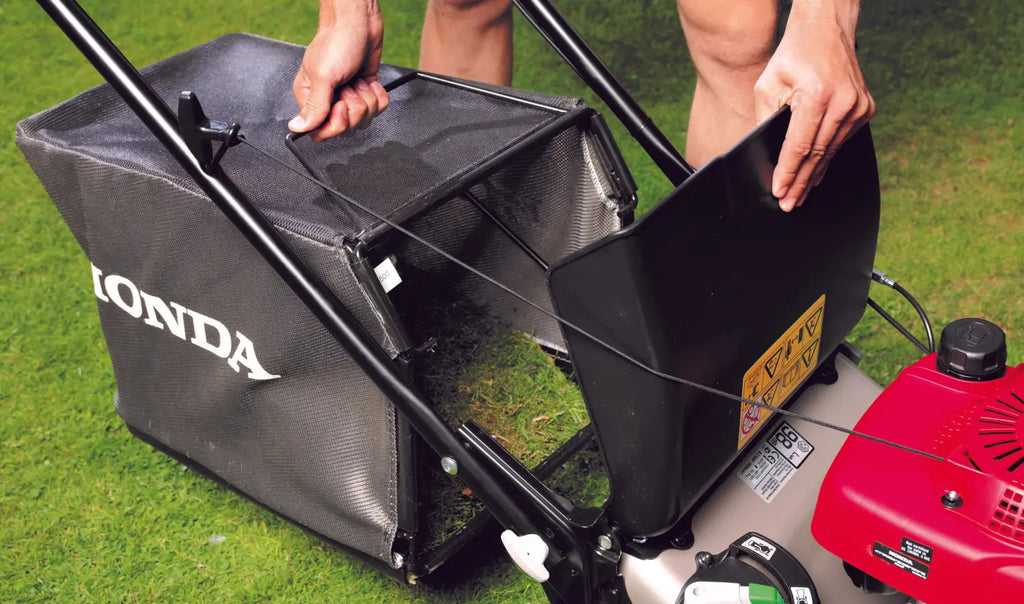
To prevent your lawnmower from clogging while collecting grass, always mow when the grass is dry, avoid overfilling the collection bag, and regularly clean the mower deck. These simple steps help ensure smooth operation and a tidy yard.
In a nutshell, to avoid clogging while collecting grass, keep the grass dry, don’t overload the collection bag, and maintain your mower well. These quick tips will save you time and frustration during your lawn care routine.
Clogging can turn mowing into a frustrating chore, especially when you’re trying to clear your lawn quickly. Luckily, a few easy adjustments can make a big difference. By paying attention to the weather — mowing when the grass is dry — and practicing regular maintenance, you can keep your mower running smoothly. Additionally, avoiding overfilling the collection bag prevents backups that can halt your work. Staying proactive with mower upkeep like cleaning the deck and blades ensures optimal airflow and prevents debris buildup. Implementing these tips not only speeds up your mowing sessions but also extends the life of your equipment. Let’s explore some practical strategies to keep your grass collecting process hassle-free!

Tips to Avoid Clogging While Collecting Grass
Understanding Why Clogging Occurs
Clogging happens when grass clippings get stuck in the mower or collection system. This often occurs during cutting when grass is wet or long. Recognizing the main causes helps in choosing the right strategies to prevent it.
Keep Grass Dry Before Mowing
Wet grass is the number one reason for clogging. Always aim to mow after a period of dry weather. If grass is wet, wait until it has dried for cleaner cuts and fewer blockages.
Check Weather Conditions
Monitor weather forecasts before mowing. Avoid cutting grass right after rain or heavy dew. Dry grass flows smoothly into the collection system, reducing the risk of clogging.
Use a Grass Catcher Designed for Wet Conditions
Some collection systems are better suited for moist grass. Select a grass catcher or mulching attachment that handles damp clippings with ease. This minimizes buildup and blockages.
Cut Grass at the Appropriate Height
Long grass increases the chances of clogging. Mow regularly to keep grass at an optimal height. The ideal cutting height varies with grass type but generally ranges from 2.5 to 4 inches.
Adjust Mower Settings
Set the mower deck to a height that leaves grass only slightly taller than the recommended length. Shorter grass blades help prevent clippings from jamming the system.
Follow the One-Third Rule
Never cut more than one-third of the grass height at a time. This keeps grass manageable, ensuring it doesn’t clog the collection system during mowing.
Use the Correct Mower and Blades
The right equipment ensures efficient grass collection. Choose a mower with sufficient power and sharp blades for smooth cutting.
Select a Mower with Adequate Power
A mower with enough horsepower can handle thicker, wetter grass better. Proper power reduces strain on the system, lowering clogging risks.
Maintain Sharp Blades
Dull blades tear grass instead of cutting cleanly. This creates ragged edges that can clump and clog the system. Regularly sharpen blades for optimal performance.
Adjust Collection System Settings
Proper adjustment of the collection system prevents buildup. Make sure the grass catcher is properly attached and fitted snugly.
Ensure Proper Attachment
Loose fittings allow grass to escape and cause blockages. Double-check that the grass catcher is securely attached before mowing.
Regulate Airflow and Suction
Most collection systems rely on airflow to move grass into the catcher. Adjust the airflow if available, or clear any obstructions that hinder suction.
Practice Proper Mowing Techniques
How you mow influences the amount of grass that can clog the system. Use consistent, steady movements to reduce clumping.
Overlap Passes
Overlap each pass slightly to ensure even cutting and pickup. This prevents missed areas that could cause grass buildup.
Avoid Rapid Mowing
Moving too fast may cause grass to pile up. Maintain a steady pace, allowing the system to handle clippings efficiently.
Empty the Collection System Regularly
A full grass catcher can’t effectively handle more clippings. Empty it frequently to keep airflow and collection efficiency high.
Stop and Clear Jams
If you notice a slowdown, stop and inspect the collection system. Remove any accumulated grass to prevent further clogging.
Create a Maintenance Schedule
Regularly check and clean the grass collector, blades, and airflow paths. Scheduled maintenance keeps the system running smoothly and prevents unexpected blockages.
Additional Tips for Clog Prevention
In addition to the main strategies, consider some extra tips to prevent clogging during grass collection.
- Use a wider cut width: A mower with a wider deck can gather more grass efficiently, reducing the chance of clogs.
- Choose the right collection system: Some are better for wet or thick grass than others. Research options suited for your grass conditions.
- Reduce the mowing load in one go: Mow smaller sections if your yard has dense or long grass to prevent overloads.
- Clear debris before mowing: Remove twigs, rocks, and other debris that can block the collection system.
Handling Clogs When They Happen
Even with careful planning, clogs may occur. Know how to quickly clear blockages to minimize disruption.
Turn Off the Mower
Always turn off the mower before attempting to clear a clog. This prevents accidents and ensures safety.
Use a Tool to Remove Grass
Avoid using your hands directly; instead, use a stick or a tool designed for clearing clogs. Wear gloves if possible for protection.
Inspect and Clean Regularly
After clearing, check for any damage to blades or the collection system. Regular cleaning maintains efficiency and reduces future clogs.
Summary of Key Strategies
To sum up, prevent clogging by mowing dry grass, adjusting mower settings to grass height, using sharp blades, and ensuring the collection system is properly attached and maintained. Keep grass length manageable, empty the collector often, and mow at a steady pace.
Optimizing Your Collection System for Best Results
Choosing the right equipment and maintaining it properly play crucial roles. Invest in a powerful mower with suitable blades and ensure regular cleaning. The right setup accommodates different grass conditions and minimizes clogging.
Related Topics
Consider exploring topics like choosing the best grass catcher, using mulching mowers, or upgrading your mower for better collection. All these can help improve your grass collection experience and reduce clogging issues.
This detailed guide provides everything you need to prevent grass collection clogging effectively. Implementing these tips ensures smoother mowing sessions and a more manicured yard.
STOP Grass Catcher Clogging!
Frequently Asked Questions
What strategies can be used to prevent grass from clogging the collection chute?
To prevent clogging, use a sharp blade to cut grass cleanly, reducing the likelihood of buildup. Adjust the cutting height to prevent long or thick grass from overwhelming the collection system. Regularly clean the chute and collection bag to remove debris that could cause blockages. Additionally, avoiding wet or damp grass can significantly decrease the chances of clogging, as moist grass tends to stick and cause buildup.
How does proper maintenance of the mower help in avoiding clogs?
Routine maintenance ensures that the mower operates efficiently. Check and sharpen blades regularly so they cut grass smoothly without tearing, which can lead to clogs. Clean the blades, chute, and collection bag frequently to remove grass residues. Lubricate moving parts as recommended, and replace worn parts promptly to maintain optimal airflow and grass flow, minimizing the risk of blockage.
Are there specific grass types or conditions that increase clogging risks, and how can I manage them?
Thick, wet, or tall grass increases the chances of clogging because it is harder for the mower to process and eject. To manage these conditions, mow grass when it is dry, and consider cutting in smaller sections to reduce load. Raising the cutting height can also help handle tougher grass. For particularly dense or damp grass, manually clear the chute more frequently during mowing to prevent buildup.
What techniques can help ensure smoother grass collection during operation?
Start mowing at a steady pace to maintain consistent airflow and avoid forcing grass through the system. Use a mulch adjustment or bagging attachment suitable for the grass conditions. Ensure that the collection system is properly attached and fitted to prevent gaps that could cause leaks or blockages. Additionally, mowing in the right weather conditions—preferably on dry days—helps maintain smooth operation.
Should I consider equipment modifications to reduce the chance of clogging?
Yes, some modifications can improve grass flow. Installing wider chutes or enhancing the airflow with additional fans can help transport grass more effectively. Upgrading to high-capacity collection bags reduces the frequency of emptying, preventing blockages. Ensure any modifications comply with your mower’s specifications to maintain safety and performance.
Final Thoughts
Tips to avoid clogging while collecting grass are essential for smooth operation. Regularly clear the cutting deck to prevent buildup. Adjust the height of the mower to ensure better airflow and reduce clogging risk. Avoid overloading the collection bag by emptying it frequently. Staying attentive to these practices helps maintain efficiency and prolongs equipment life.