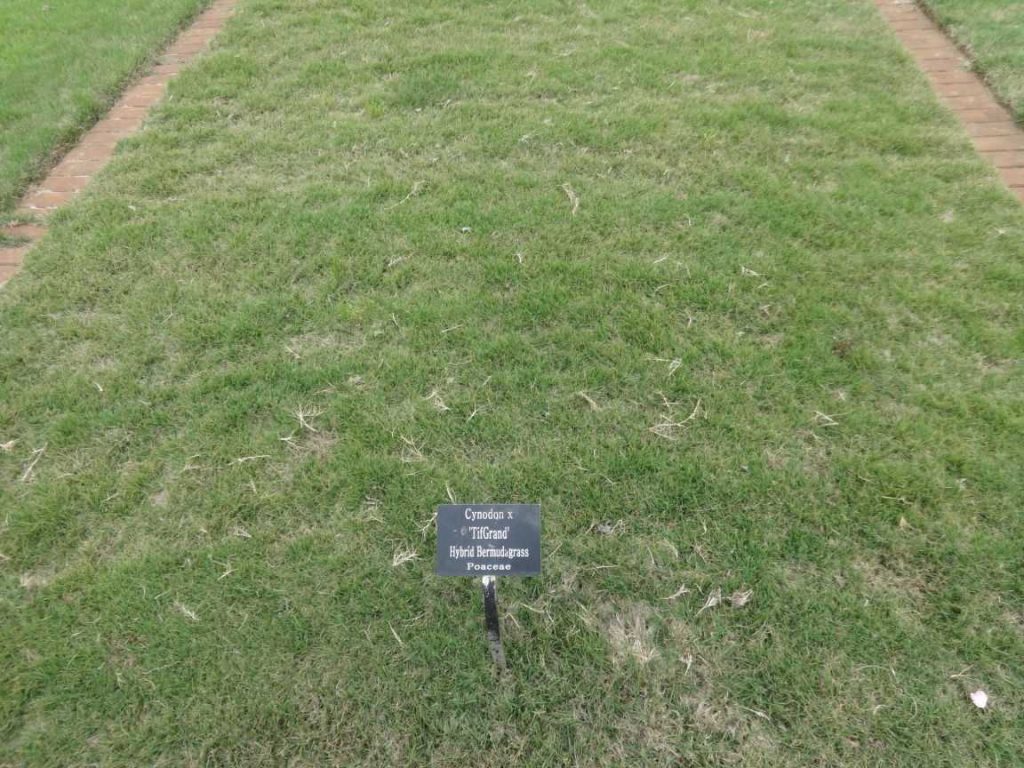
Yes, Bermuda grass does require regular watering to stay healthy and lush, but it doesn’t need excessive amounts. Proper watering helps it thrive, especially during hot summer months, but overwatering can lead to problems like weeds or root rot. Generally, Bermuda grass needs about 1 to 1.5 inches of water per week, including rainfall, to stay green and strong. Finding the right balance is key to keeping your lawn vibrant without wasting water or encouraging disease.
Bermuda grass is a popular warm-season turf, known for its durability and vibrant color. To keep it looking its best, understanding its watering needs is essential. While it enjoys regular hydration, too much water can harm the grass and waste resources. This guide will help you determine the right watering routine, ensuring your Bermuda lawn remains healthy, green, and resilient throughout the year. Whether you’re a homeowner or a landscape enthusiast, mastering the watering habits for Bermuda grass can make all the difference in maintaining a beautiful yard.

Does Bermuda Grass Need a Lot of Water? A Complete Guide
Understanding Bermuda Grass and Its Water Needs
Bermuda grass is a popular choice for lawns in warm climates because it stays green and dense. But many homeowners ask if it needs a lot of water to stay healthy. The answer depends on several factors such as climate, soil type, and watering practices. Overall, Bermuda grass does require regular watering, but it doesn’t need excessive amounts to thrive.
How Much Water Does Bermuda Grass Usually Need?
Typically, Bermuda grass needs about **1 to 1.5 inches of water weekly**. This amount can vary depending on your area’s weather and soil conditions. During hot and dry periods, you may need to increase watering slightly. Conversely, during cooler or humid seasons, less water is usually sufficient.
Factors Affecting Bermuda Grass Water Requirements
Climate and Temperature
Hotter climates mean Bermuda grass may need more frequent watering. Temperatures above 85°F can dry out the soil quickly, prompting more frequent watering. In cooler seasons, watering needs decrease naturally.
Soil Type and Drainage
Well-draining sandy soils require more frequent watering because they don’t retain moisture well. Loamy soils hold water longer, reducing the need for frequent watering. Poorly drained soils may cause root rot if overwatered, so it’s important to balance watering carefully.
Sunlight Exposure
Lawn areas exposed to full sun tend to dry out faster and need more watering. Shaded areas often require less water because the soil stays cooler and retains moisture longer.
Signs That Your Bermuda Grass Needs Water
Knowing when Bermuda grass needs watering helps avoid both underwatering and overwatering. Keep an eye on these signs:
- Blue-gray tint: The grass looks dull or bluish when it’s thirsty.
- Footprints remain: Footprints stay visible longer after walking on the lawn.
- Grass blades lift easily: The blades seem limp and can be pulled up easily.
- Soil feels dry: Check the soil moisture about 1 inch below the surface.
Best Practices for Watering Bermuda Grass
Timing and Frequency
The ideal time to water Bermuda grass is early morning. Watering early helps prevent disease and allows the grass to dry before evening. During peak summer months, watering two to three times a week is usually enough.
Deep Watering Technique
Water deeply to encourage strong root growth. Shallow watering promotes shallow roots, making the grass more vulnerable to drought stress. Use enough water to moisten the soil to a depth of 6 to 8 inches.
Watering Methods
Sprinklers are most common for Bermuda lawns. Aim for even coverage to avoid dry patches. For large yards, consider automated irrigation systems to maintain consistent watering schedules.
Impact of Overwatering and Underwatering
Overwatering can lead to shallow roots, disease, and fungal problems. It can also wash away nutrients, leaving the lawn weak and unhealthy. On the other hand, underwatering causes stress, brown patches, and potentially dead grass.
Signs of Overwatering
- Sticky or muddy soil
- Fungus growth on grass blades or soil surface
- Poor drainage leading to pooling water
Signs of Underwatering
- Dry, brown patches
- Grass feels crispy or brittle
- Heavy foot traffic causes damage easily
Watering Tips to Keep Bermuda Grass Healthy
- Use a **rain gauge** to measure weekly rainfall, adjusting your watering schedule accordingly.
- Avoid watering in the hottest part of the day to reduce evaporation.
- Check soil moisture regularly with a soil probe or finger test.
- Adjust watering based on seasonal changes and weather forecasts.
Related Topics: Pest Control and Lawn Maintenance
Maintaining Bermuda grass involves more than just watering. Regular mowing, fertilization, and pest control ensure a lush and resilient lawn. Proper watering complements these activities and helps prevent common issues like pests and diseases.
Fertilization and Watering
Applying fertilizers at the right times enhances growth and color. Watering after fertilizing helps nutrients penetrate the soil. Use slow-release fertilizers and follow recommended schedules for best results.
Pest and Disease Prevention
Overwatering can increase fungal problems such as brown patch or dollar spot. Ensuring proper drainage and watering deeply but infrequently reduces disease risk. Monitor your lawn regularly for signs of pests and disease.
Seasonal Adjustments for Bermuda Grass Watering
During spring and fall, Bermuda grass needs less water as temperatures cool. Spring rains may suffice, reducing manual watering needs. In winter, water even less unless experiencing drought conditions.
Preparing for Extreme Weather Events
During droughts, increase watering slightly or consider drought-resistant Bermuda grass varieties. After heavy rains, reduce watering to prevent overwatering and runoff. Always adapt your schedule to seasonal weather patterns.
Summary: Does Bermuda Grass Need a Lot of Water?
Bermuda grass needs **regular but not excessive watering** to stay healthy. About **1 to 1.5 inches weekly** is generally enough, but this can fluctuate based on weather and soil conditions. Proper watering practices foster deep roots, resilience, and a beautiful lawn.
Maintaining a balanced watering schedule is key to avoiding problems caused by both over and underwatering. Regularly monitoring your lawn and adjusting your watering routine ensures Bermuda grass remains lush, green, and strong through the seasons.
Watering Bermuda Grass Lawn
Frequently Asked Questions
How often should bermuda grass be watered during the peak growing season?
During peak growing seasons, bermuda grass typically requires watering 2 to 3 times a week. This frequency ensures the soil stays moist enough to promote healthy root development and vigorous growth. Adjust your watering schedule based on weather conditions, such as increased watering during hot, dry periods and reducing it during cooler or rainy weather.
What signs indicate that bermuda grass needs more water?
If bermuda grass begins to turn dull or bluish, shows signs of wilting, or develops brown patches, it likely needs more water. Soil that feels dry a few inches below the surface also suggests the grass is under-watered. Regularly checking soil moisture helps you determine when to increase watering to keep the grass healthy.
Can overwatering bermuda grass harm its growth?
Yes, overwatering can harm bermuda grass by causing root rot, promoting fungal diseases, and reducing oxygen availability in the soil. Consistent excess moisture can lead to shallow roots, making grass more vulnerable to drought stress later. It is essential to find a balanced watering schedule that keeps the soil moist but not waterlogged.
How does soil type affect bermuda grass watering needs?
Clay-rich soils retain more water, so bermuda grass in these areas needs less frequent watering to avoid accumulation of excess moisture. Conversely, sandy soils drain quickly, requiring more frequent watering to maintain adequate moisture levels. Understanding your soil type helps you tailor your watering practices for healthier grass growth.
What are some strategies to optimize water use for bermuda grass?
Implementing deep, infrequent watering encourages deep root growth and drought resistance. Water early in the morning to reduce evaporation and prevent disease. Using a rain gauge or soil moisture meter helps monitor moisture levels accurately, enabling you to adjust watering schedules efficiently while conserving water.
Final Thoughts
Bermuda grass generally requires moderate watering to stay healthy. It thrives with about 1 to 1.5 inches of water weekly, especially during hot weather.
Overwatering can lead to shallow roots and disease, so adjusting irrigation based on rainfall is essential.
In summary, does bermuda grass need a lot of water? Not necessarily; it needs consistent but not excessive moisture to maintain its lush appearance.