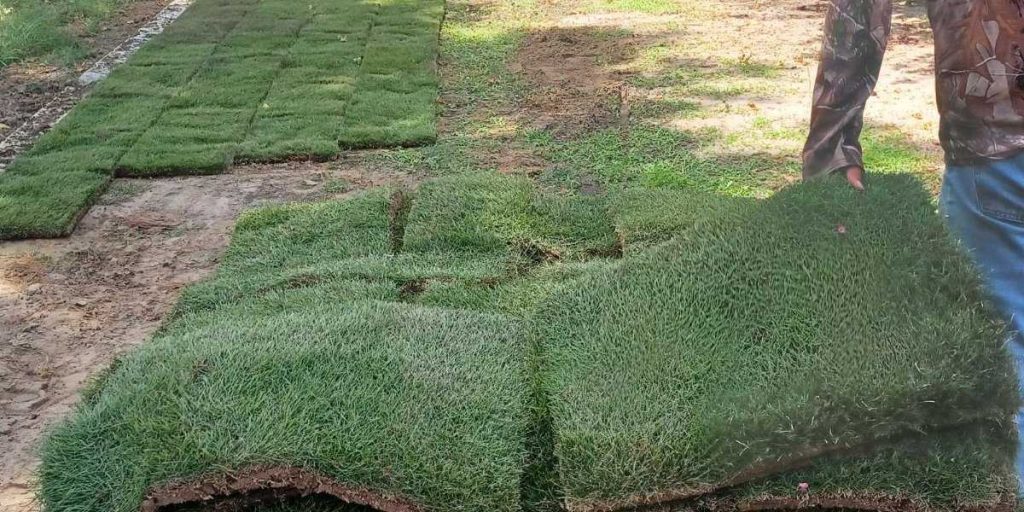
The best Bermuda grass for shade in Texas is the TifTuf Bermuda, known for its excellent tolerance to shaded areas and drought resistance. For homeowners seeking a lush, green lawn under trees or in less sunny spots, choosing the right grass is essential to achieve a vibrant yard.
In brief, TifTuf Bermuda grass is highly recommended for shaded areas in Texas due to its durability and shade tolerance. It offers a dense, attractive appearance even in less sun, making it an ideal choice for homeowners looking to enhance shady zones on their property.
If you’re battling limited sunlight in your Texas yard but still want a beautiful, resilient lawn, selecting the right Bermuda grass can make all the difference. While Bermuda grass generally prefers full sun, certain varieties like TifTuf have been developed to thrive in partial shade, giving your lawn a healthy, green look without demanding extensive sunlight. This grass not only adapts well to Texas’ climate but also provides strong drought resistance, making it an excellent option for the region’s hot, dry summers. Understanding which Bermuda varieties perform best in shady conditions can help you achieve a lush, durable lawn that enhances your outdoor space even in less-than-ideal lighting.

Best Bermuda Grass for Shade in Texas
Finding the right bermuda grass for shady areas in Texas can be challenging. Many bermuda grass types thrive in full sun but struggle in shaded spots. Fortunately, some varieties perform better with limited sunlight and can still create a lush, green lawn.
Understanding Bermuda Grass and Its Shade Tolerance
Bermuda grass is known for its durability and fine texture. It is a warm-season grass that grows best in hot, sunny environments typical of Texas.
However, traditional bermuda grass requires at least six hours of direct sunlight daily for optimal growth. In shaded areas, it may thin out or turn brown, making choosing the right variety essential.
Some bermuda grass types have been cultivated to tolerate more shade while maintaining the qualities homeowners desire, such as density and color.
Factors That Affect Bermuda Grass Performance in Shaded Areas
- Shade Duration: The amount of shade throughout the day impacts grass health.
- Soil Quality: Well-drained, nutrient-rich soil supports better growth, especially in tricky shady spots.
- Watering Practices: Proper watering helps compensate for less sunlight but overwatering can cause disease.
- Competition: Trees and shrubs competing for water and nutrients can stress the grass.
Best Bermuda Grass Varieties for Shade in Texas
1. Tifton 44
Tifton 44 is a popular bermuda grass variety known for its fine texture and tolerance to shade. It thrives in areas with some sunlight but can adapt reasonably well to shaded spots.
This variety has a dense growth habit, making it great for lawns where a thick, lush appearance is desired despite limited sun exposure.
2. TifGrand
TifGrand offers excellent shade tolerance and heat resistance, making it suitable for Texas lawns with shaded areas. It also has a darker color and finer leaf texture compared to traditional bermuda.
Its robust root system helps it withstand drought and cold, which are common challenges in certain parts of Texas.
3. Celebration Bermudagrass
Celebration bermuda is less shade-tolerant but performs reasonably well in areas with partial shade. It is known for its dark green color and fine texture.
Proper maintenance, such as fertilization and aeration, can improve its performance in less sunny spots.
4. Palmetto Bermudagrass
Palmetto is often called a shade-tolerant bermuda grass, making it suitable for lawns with tree coverage. It maintains a dark green color and dense growth in shaded areas.
This variety also adapts well to low temperatures, providing versatility for different Texas climates.
Growing and Maintaining Bermuda Grass in Shaded Areas
Site Preparation
Prepare your lawn by removing weeds and dethatching to improve airflow and sunlight penetration. Improving soil quality with organic matter helps support healthier grass growth.
If possible, prune nearby trees to allow more sunlight to reach the turf.
Planting Tips
- Seed or Sod: Use certified bermuda grass seed or sod for fastest results.
- Spacing: Maintain proper spacing to promote even coverage and dense growth.
- Timing: Plant in late spring to early summer when temperatures are warm enough.
Watering and Fertilization
Water deeply but infrequently to encourage deep root growth. During shaded periods, monitor soil moisture to prevent disease caused by excess water.
Fertilize regularly with a nitrogen-rich fertilizer to promote dense, healthy turf. Avoid over-fertilizing, which can make the grass more susceptible to disease.
Pest and Disease Management
Shaded areas are more prone to fungal diseases. Use fungicides as needed and ensure proper air circulation.
Inspect grass regularly for pests like armyworms and chinch bugs, which can stress shade-tolerant bermuda grass.
Additional Tips for a Lush Bermuda Grass Lawn in Shade
- Regular Mowing: Keep your lawn at the recommended height, usually around 1.5 to 2 inches, to promote healthy growth.
- Overseeding: Consider overseeding patchy areas with bermuda grass to maintain a uniform look.
- Reduce Foot Traffic: Minimize heavy foot traffic in shaded zones to prevent soil compaction and damage.
Alternative Grass Options for Heavily Shaded Areas
If your lawn has extensive shade, bermuda grass may not be the best choice. Consider alternative grasses like St. Augustine or Zoysia, which are more tolerant of shade and perform well in Texas climates.
Mixing bermuda with shade-tolerant grasses can also create a balanced, attractive lawn in mixed-light environments.
Summary Table of Shade-Tolerant Bermuda Grass Varieties
| Variety | Shade Tolerance | Color | Texture | Additional Benefits |
|---|---|---|---|---|
| Tifton 44 | Moderate | Light Green | Fine | Good drought resistance |
| TifGrand | Good | Dark Green | Finer | Heat and drought tolerant |
| Celebration | Moderate | Dark Green | Finer | Resistant to common diseases |
| Palmetto | High | Dark Green | Medium | Cold tolerant, good shade performance |
Choosing the best bermuda grass for shade in Texas involves balancing shade tolerance with local climate conditions and soil health. Varieties like TifGrand and Palmetto stand out for their ability to thrive with limited sunlight.
Proper preparation, maintenance, and occasional pruning can help your bermuda grass succeed in shaded spots, creating a lush and inviting lawn throughout the year.
Grow Grass in the SHADE // Shade Savant Grass Seed
Frequently Asked Questions
What factors should I consider when choosing Bermuda grass for shaded areas in Texas?
When selecting Bermuda grass for shaded regions in Texas, consider the amount of shade your yard receives and the type of shade (full or partial). Opt for varieties that tolerate lower sunlight levels and maintain vibrant color and density in shaded conditions. Soil quality, watering needs, and your lawn’s foot traffic also influence the best choice. Choose a Bermuda variety known for shade tolerance to ensure healthy growth despite reduced sunlight.
Are there specific Bermuda grass types that perform better in partial shade in Texas?
Yes, some Bermuda grass types are more suited for partial shade. For example, ‘TifTuf’ and ‘Celebration’ are known to handle shaded conditions better than traditional types. These varieties retain color and density with less sunlight and adapt well to Texas’ climate. Selecting these types can help you achieve a lush lawn even under trees or in areas with limited sun exposure.
How can I improve Bermuda grass growth in shaded parts of my yard?
To support Bermuda grass in shaded areas, improve soil drainage and ensure proper fertilization. Mow at recommended heights to reduce stress, and avoid heavy foot traffic that can damage the grass. You can also remove some trees or prune branches to increase sunlight. Regular watering and overseeding with shade-tolerant Bermuda varieties help maintain a healthy, green lawn.
Final Thoughts
The best bermuda grass for shade in Texas is known for its tolerance to limited sunlight while maintaining a healthy appearance.
Choosing the right variety ensures a lush lawn even in areas with less direct sunlight.
By selecting a shade-tolerant bermuda grass, homeowners can enjoy a beautiful yard without requiring full sun exposure.
In summary, the best bermuda grass for shade in Texas provides an ideal balance of resilience and appearance, making it a smart choice for shaded lawns.