Bermuda grass and St. Augustine grass are two popular choices for Texas lawns, each with unique pros and cons that suit different needs. If you’re trying to decide between the two, consider your climate, maintenance level, and how you use your yard. Bermuda grass thrives in hot weather, offers excellent drought tolerance, and is perfect for sports fields, while St. Augustine provides a lush, dense, shade-tolerant turf ideal for shaded areas and softer aesthetics. In short, Bermuda is better for high-traffic, sunny lawns that require minimal water, whereas St. Augustine excels in shaded, humid environments with its plush, thick texture. Choosing the right grass depends on your specific yard conditions and your lawn care preferences.
When comparing Bermuda grass to St. Augustine in Texas, it’s essential to understand their adaptability to local weather, maintenance needs, and aesthetic appeal. Bermuda grass is highly heat and drought-resistant, making it excellent for the arid parts of Texas, but it prefers full sun and requires regular mowing. St. Augustine, on the other hand, offers a softer, more inviting lawn, especially in shaded areas, but it needs more frequent watering and is less tolerant to cold. Both grasses can transform your yard, but selecting the right one hinges on your climate, usage, and how much effort you’re willing to invest in lawn care.

Bermuda Grass vs St Augustine Texas: Which Grass is Best for Your Lawn?
Introduction to Bermuda Grass and St Augustine Texas
Bermuda grass and St Augustine Texas are two of the most popular choices for lawn owners in Texas. Both grasses have unique features that make them suitable for different needs and climates. Understanding their differences can help you decide which grass will thrive best in your yard.
Climate Compatibility of Bermuda Grass and St Augustine Texas
Bermuda grass is well-known for its ability to handle hot, sunny weather. It thrives in areas with high temperatures and full sun exposure. On the other hand, St Augustine Texas prefers warmer climates but can tolerate some shade better than Bermuda grass.
In Texas, where summers are long and hot, Bermuda grass performs excellently in southern regions. St Augustine Texas is often found in coastal and southeastern parts because of its comfort in humid weather.
Growth Patterns and Appearance
Bermuda Grass Growth Style
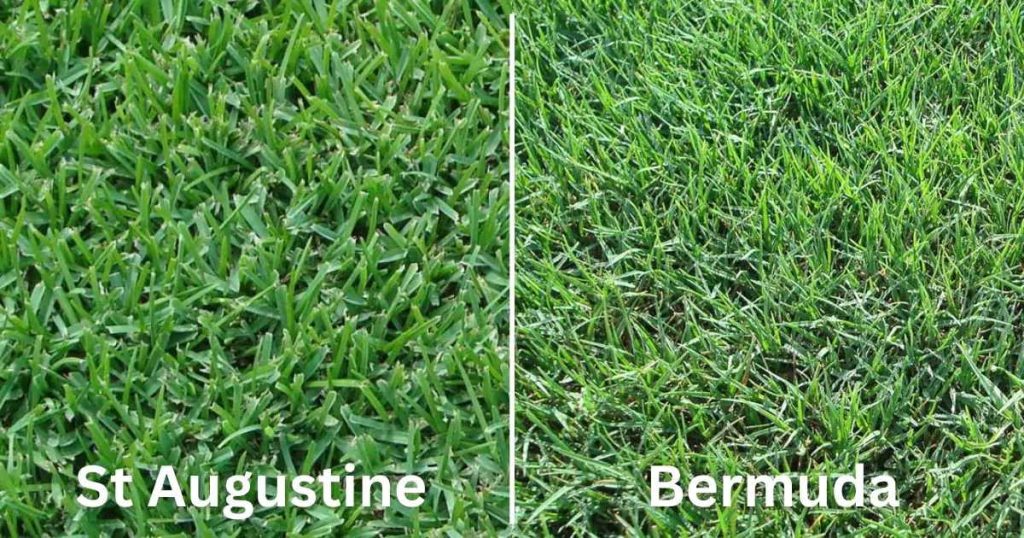
Bermuda grass is a vigorous, spreading grass with fine-textured leaves. It spreads quickly through runners called stolons and rhizomes, creating a dense, lush lawn. Its vibrant green color provides a classic lawn look.
St Augustine Texas Growth Style
St Augustine Texas has broader, coarser blades and grows in thick, dense patches. It spreads through runners as well but grows more slowly compared to Bermuda. Its appearance is plush and inviting, perfect for a relaxed yard setting.
Maintenance and Care Requirements
Bermuda Grass Maintenance
- Requires regular mowing at heights between 1 to 2 inches.
- Needs consistent watering, especially in dry seasons, to prevent dormancy.
- Benefits from fertilization during spring and summer for lush growth.
- Prone to thatch buildup if overfertilized or mowed too short.
St Augustine Texas Maintenance
- Prefers mowing heights of 2.5 to 4 inches, which helps retain moisture and health.
- Requires more frequent watering during hot months but is relatively drought-tolerant once established.
- Needs regular fertilization but less frequently than Bermuda.
- Prone to thatch if overfertilized or mowed too low.
Shade Tolerance and Sunlight Needs
Bermuda grass demands full sun for optimal growth. It can struggle in shaded areas, leading to uneven lawns.
St Augustine Texas is more adaptable to shady spots, thriving even with 30-50% shade. This makes it a good choice for yards with trees or structures blocking sunlight.
Durability and Traffic Tolerance
Bermuda Grass Durability
High traffic areas do not bother Bermuda grass. Its tough, resilient nature makes it suitable for sports fields and busy yards.
St Augustine Texas Durability
While fairly durable, St Augustine Texas can be damaged by heavy foot traffic. It is better suited for ornamental lawns and low-traffic areas.
Disease and Pest Resistance
Bermuda Grass Challenges
- Susceptible to dollar spot, brown patch, and leaf spot diseases.
- Vulnerable to pests like grubs and insects, which can weaken the lawn.
St Augustine Texas Challenges
- Prone to fungal infections such as gray leaf spot and large patch.
- Often affected by pests like chinch bugs and thatch-related issues.
Watering Needs and Drought Tolerance
Bermuda grass demands more frequent watering in dry periods but recovers quickly once established. Proper watering encourages dense growth, which suppresses weeds.
St Augustine Texas is more drought-tolerant after mature, reducing watering needs. It maintains a lush appearance with less frequent watering and is better suited for water-restricted areas.
Soil Preferences and Adaptability
Bermuda Grass Soil Preferences
Prefers well-drained, sandy or loamy soils with a pH between 5.5 and 7.0. It adapts well to a variety of soil conditions but performs best in fertile, well-drained ground.
St Augustine Texas Soil Preferences
Thrives in slightly acidic to neutral soils with good drainage and higher organic matter. It prefers moist, fertile soils but can tolerate some clay or sandy textures.
Cost of Establishment and Maintenance
- Bermuda grass seed or sod can be more affordable initially, but maintenance costs vary based on watering, fertilization, and pest control.
- St Augustine Texas sod tends to be more expensive to install but may require less intensive care once established.
Both grasses require consistent care to maintain a healthy, attractive lawn. Budget and effort levels can influence your choice between the two.
Environmental Impact and Sustainability
Both Bermuda and St Augustine Texas are drought-tolerant, reducing water consumption when properly maintained. Choosing native or well-adapted grasses like these helps conserve water and reduces chemical use.
Proper fertilization and pest management are essential to reduce environmental impact and promote sustainable lawn care.
Choosing Between Bermuda Grass and St Augustine Texas
Consider your local climate, shade availability, foot traffic, and maintenance preferences when selecting your grass.
- If your yard gets full sun and experiences high traffic, Bermuda grass is a solid choice.
- For shaded areas, less watering, or a softer look, St Augustine Texas may be better suited.
Each grass type offers benefits tailored to specific conditions, so understanding these factors will help you make an informed decision.
Summary of Key Differences
| Feature | Bermuda Grass | St Augustine Texas |
|---|---|---|
| Sunlight Need | Full sun required | Partial shade tolerated |
| Growth Rate | Fast | Moderate |
| Resistance to Traffic | High | Moderate |
| Maintenance | High, especially mowing and fertilizing | Moderate, with emphasis on watering and fertilization |
| Soil Preference | Sandy, loamy, well-drained | Fertile, well-drained, slightly acidic |
| Climate Suitability | Hot, sunny areas | Warm, humid, possibly shaded areas |
Choosing between Bermuda grass and St Augustine Texas depends on your lawn’s specific needs. Both grasses have their pros and cons, making them suitable for different environments. Carefully assess your yard’s conditions and your maintenance willingness to pick the best grass for your outdoor space.
Bermuda Grass vs St. Augustine Grass | Warm Season Turf Types in Texas
Frequently Asked Questions
How does the maintenance requirement differ between Bermuda grass and St. Augustine in Texas?
Bermuda grass generally requires more frequent mowing due to its fast growth rate, especially during the warmer months. It also needs regular fertilization and overseeding to stay healthy. St. Augustine, on the other hand, grows more slowly and has a denser root system, which can reduce mowing frequency and help it maintain its lush appearance with moderate fertilization. Overall, Bermuda grass demands more active upkeep compared to St. Augustine in Texas climates.
Which grass type tolerates drought conditions better in Texas?
Bermuda grass is better suited for drought conditions because of its deep root system and excellent heat tolerance. It can withstand periods of limited water supply better than St. Augustine. St. Augustine prefers consistent moisture and can struggle during prolonged dry spells, requiring regular watering to stay green and healthy in Texas heat.
How do shade tolerance levels differ for Bermuda grass and St. Augustine in Texas landscapes?
St. Augustine grass performs well in shaded areas and can tolerate moderate shade, making it suitable for yards with large trees or structures casting shadows. Bermuda grass prefers full sun and tends to thin out in shaded spots, which can lead to uneven growth. If your yard has significant shade, St. Augustine offers a better option for maintaining a uniform lawn.
What are the differences in soil requirements for Bermuda grass and St. Augustine in Texas?
Bermuda grass thrives in well-drained soils with a neutral to slightly acidic pH and benefits from areas with good airflow. It adapts well to various soil types but prefers sandy or loamy soils. St. Augustine prefers more consistently moist, fertile soils with good drainage and responds well to soil amendments that improve nutrient content and moisture retention. Proper soil preparation ensures healthy growth for both grass types.
Which grass type offers better resistance to pests in Texas?
Bermuda grass generally has better resistance to common pests found in Texas, such as chinch bugs. It is also more tolerant of certain diseases. St. Augustine is susceptible to pests like grey leaf spot and chinch bugs, which can cause significant damage if not managed properly. Regular pest control and maintenance help both grasses stay healthy, but Bermuda often requires less chemical intervention.
Final Thoughts
Bermuda grass and St. Augustine in Texas each have unique qualities suited to different needs. Bermuda thrives in full sun and handles drought conditions well, making it ideal for active lawns. St. Augustine offers a lush, dense texture perfect for shaded areas and softer play surfaces.
Choosing between the two depends on your climate, sun exposure, and maintenance preferences. Understanding their differences helps you select the perfect grass for your yard.
In conclusion, bermuda grass vs st augustine texas reflects these plants’ distinct advantages, allowing homeowners to make informed decisions for a healthy, attractive lawn.