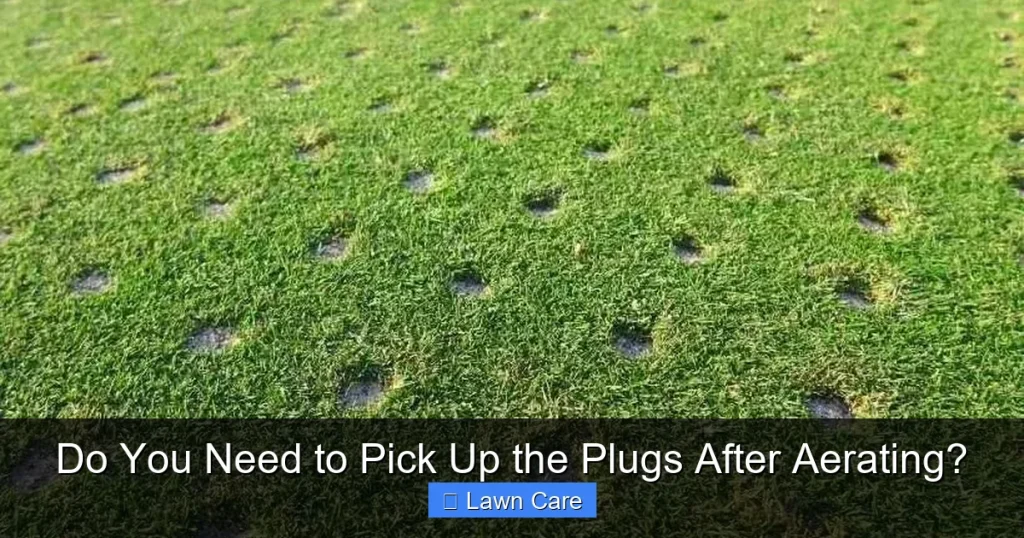
Do you need to pick up the plugs after aerating? Generally, no. Leaving the soil plugs on your lawn allows them to break down naturally, returning valuable nutrients to the soil and improving its structure. This decomposition process is a key benefit of aeration.
## Do You Need to Pick Up the Plugs After Aerating? Let’s Talk Lawn Cores!
So, you’ve decided to give your lawn the gift of aeration! That’s fantastic. You’ve rented or bought that spiky machine, and you’re ready to tackle those compacted soil layers. As you work, you’ll notice those little cores, or “plugs,” of soil being ejected onto your lawn. It’s a natural part of the process, and a common question pops up: “Do I need to pick up these plugs after aerating?” It’s a perfectly valid question, and the answer is usually a resounding… no!
In fact, for most homeowners, leaving those soil plugs right where they are is not only okay, but it’s actually the best thing you can do for your lawn. Think of it like this: aeration is a way of giving your lawn a natural spa treatment. Those plugs are like little packets of goodness that, when left to decompose, will nourish your grass roots and improve your soil’s health over time. Let’s dive into why leaving them is generally the way to go and when you might consider an exception.
## The Case for Leaving the Plugs: Nature’s Way
When you use a core aerator, it pulls up plugs of soil and thatch from your lawn. These plugs are essentially a concentrated dose of your lawn’s current soil composition, mixed with organic matter. The magic happens when you leave them to break down naturally.
### Nutrient Recycling at Its Finest
Those soil plugs are packed with all sorts of good stuff. They contain organic matter, microbes, and nutrients that your lawn desperately needs. When these plugs are left on the surface and begin to dry out and break apart, they release these valuable components back into the top layer of your soil. This is a form of natural fertilization, enriching the soil and providing essential food for your grass. It’s like a slow-release fertilizer, but it comes straight from your own lawn!
### Improving Soil Structure Over Time
Compacted soil is a major enemy of a healthy lawn. Aeration’s primary job is to relieve this compaction by creating small holes that allow air, water, and nutrients to penetrate the root zone. The soil plugs themselves, as they break down, contribute to this process. They help to loosen the soil further and integrate with the existing turf, improving its overall structure and water-holding capacity. Over time, this leads to a more resilient and robust lawn that can better withstand drought and stress.
### The Natural Breakdown Process
How do these plugs actually break down? It’s a combination of things. First, the sun and wind will start to dry them out. As they dry, they become brittle and easier to crumble. Then, with your regular mowing schedule, your lawn mower will run right over them. The blades of the mower will chop them up into smaller pieces, and the action of the mower will help push these smaller fragments down into the turf canopy. Rain and the natural activity of soil microbes also play a role in breaking them down. This is why continuing your normal lawn care practices, like mowing, is important after aeration. How often you need to mow your lawn is still a factor, as it helps this breakdown process.
## When Picking Up Plugs Might Be Necessary (The Exceptions)
While leaving the plugs is the general rule, there are a few specific situations where you might want to consider picking them up. These are typically exceptions rather than the norm.
### Heavily Diseased Turf
If your lawn is suffering from a significant fungal disease, the soil plugs you pull up could be carrying spores of that disease. In such cases, leaving these plugs on the surface could potentially spread the disease further across your lawn. If you suspect a widespread disease issue, it’s often wise to rake up the plugs and dispose of them appropriately. You might also want to research what to do if grass turns brown, as this can be an indicator of underlying issues.
### Immediate Aesthetic Concerns
Let’s be honest, a lawn covered in soil plugs doesn’t look its best for a day or two. If you have an important event coming up, like a wedding or a big backyard party, and the appearance of your lawn is a top priority, you might choose to remove the plugs. You can do this by raking them up. However, remember that you are removing some of the benefits of aeration when you do this.
### Using Certain Types of Aerators
The type of aerator you use can influence the plugs. Core aerators pull up actual cores of soil. Spike aerators, on the other hand, simply punch holes into the ground, often without ejecting significant soil material. If you’re using a spike aerator, there won’t be plugs to worry about in the first place. The discussion around picking up plugs primarily applies to core aeration.
## How to Speed Up the Breakdown Process
If you’ve decided to leave the plugs (which is most of the time!), you can help them break down faster. This ensures you get the benefits of aeration quickly and your lawn returns to its pristine look sooner.
### Mowing Strategy
As mentioned, regular mowing is your best friend when it comes to breaking down aerator plugs. Don’t be afraid to mow your lawn a bit more frequently for the first week or two after aeration, especially if the plugs are large. Keep your mower on a higher setting. This allows the mower to chop the plugs into smaller pieces, which then integrate more easily into the turf. You can even mulch the clippings, which further helps to break down the plugs and return nutrients. If you are wondering how long to wait to mow your lawn after aerating, typically a day or two is fine, allowing the plugs to dry slightly.
### Watering Wisely
Watering your lawn after aeration is crucial for helping the soil settle and encouraging grass to grow into the newly created holes. It also helps to soften the plugs, making them easier for your mower to break down. Don’t overwater, but ensure the soil is adequately moist. Light, frequent watering is usually best.
### Raking (Lightly)
While you don’t want to rake aggressively and pull up the plugs again, a light raking can help to initially break apart larger clumps of soil. You can do this a day or two after aerating, once the plugs have started to dry a little. This is more about crumbling them than removing them.
## The Aeration Process: A Quick Recap
It’s worth briefly touching on why we aerate in the first place. Over time, foot traffic, heavy equipment, and natural soil settling can cause our lawns to become compacted. This compaction restricts the flow of essential elements to the grass roots. Aeration is the process of mechanically removing small cores of soil from the lawn. This creates space for air, water, and nutrients to reach the root zone, leading to healthier, more vigorous grass growth. Understanding the importance of aeration, often referred to as the importance of lawn aeration and how to do it right, reinforces why we want to maximize its benefits.
### Why Core Aeration is Key Here
Core aerators are the machines that produce the plugs we’re discussing. They have hollow tines that pull out cylinders of soil. This is different from spike aerators, which simply punch holes. The removal of soil in core aeration is what creates the visible plugs. The effectiveness of this method is why many professionals recommend it.
## What Not to Do
It’s also important to know what *not* to do after aerating, especially regarding the plugs.
### Don’t Panic and Over-Rake
Resist the urge to immediately rake up every single plug you see unless you have a specific reason (like disease). Aggressive raking can undo some of the benefits of aeration by filling the holes back in. Let nature and your mower do most of the work.
### Don’t Forget Your Regular Lawn Care
Aeration is an addition to your lawn care routine, not a replacement. Continue to water and mow as you normally would. These routine tasks are essential for the health of your lawn and for helping the plugs to break down. In fact, knowing how often you have to mow a lawn becomes even more relevant after aeration.
### Don’t Aerate During Extreme Stress
While we often discuss aeration for improvement, it’s important to know when *not* to aerate. Aerating a lawn that is already stressed by extreme heat, drought, or heavy pest infestation can do more harm than good. Typically, the best times for aeration are during the active growing seasons for your grass type, which often means spring and fall. For those in hot climates, understanding aerating lawns in hot climates is crucial for timing.
## The Bottom Line: Trust the Process
For the vast majority of lawn owners, the answer to “Do you need to pick up the plugs after aerating?” is a clear no. Leaving those soil cores on your lawn is a smart, natural, and effective way to improve your soil’s health and give your grass the nutrients it needs. They are a sign that the aeration process is working! By allowing them to break down, you’re contributing to a healthier, more resilient lawn that will thank you for it. So, let them lie, let them crumble, and let your lawn reap the benefits.
Key Takeaways
- You usually don’t need to pick up aerator plugs. They are beneficial to leave on the lawn.
- Plugs break down naturally, returning nutrients and organic matter to the soil.
- This breakdown process enriches the soil, improving its structure and water retention.
- Removing plugs can be messy and time-consuming, often with little added benefit.
- Exceptions exist, such as heavily diseased turf or when immediate aesthetic appeal is paramount.
- Proper mowing after aeration helps break down the plugs faster.
- Consider the type of aerator used; core aerators produce plugs, while spike aerators do not.
Quick Answers to Common Questions
What is the primary benefit of leaving aerator plugs on the lawn?
The primary benefit is that the plugs break down naturally, returning valuable nutrients and organic matter to the soil, which enriches it and improves its structure.
When is it advisable to pick up aerator plugs?
It is advisable to pick up aerator plugs if your lawn has a widespread fungal disease, as the plugs can carry spores. You might also consider it if you have an immediate need for pristine lawn aesthetics for a special event.
How does mowing help with aerator plugs?
Mowing helps break down the plugs by chopping them into smaller pieces. The mower’s action also helps push these smaller fragments down into the turf canopy, where they can decompose more easily.
Can I rake the aerator plugs?
Yes, you can lightly rake the plugs, especially a day or two after aeration once they’ve started to dry. However, avoid aggressive raking, as this can fill the aeration holes and negate some of the benefits.
What happens if I don’t pick up the plugs?
If you don’t pick up the plugs, they will naturally decompose over time, releasing nutrients back into the soil, improving soil structure, and contributing to a healthier lawn. This is the most beneficial outcome for most lawns.
Frequently Asked Questions
Will leaving the plugs make my lawn look bad for a long time?
For a day or two, your lawn might look a bit untidy with the plugs. However, with regular mowing and a little time, they will break down and integrate into the lawn, improving its appearance and health.
Are the plugs from aeration harmful to my lawn?
Generally, no. The plugs are composed of your own soil and organic matter. They are beneficial unless your lawn is actively suffering from certain widespread diseases, in which case they could potentially spread spores.
What is the ideal time to aerate a lawn?
The ideal time to aerate depends on your grass type. Cool-season grasses are best aerated in the fall or early spring, while warm-season grasses benefit most from aeration in late spring or early summer.
How long does it take for aerator plugs to break down?
It typically takes anywhere from one to two weeks for aerator plugs to break down significantly, depending on weather conditions (sun, rain) and your mowing frequency.
Can I fertilize my lawn right after aerating?
Yes, in fact, it’s often recommended to fertilize after aerating. The aeration process opens up the soil, allowing fertilizer to penetrate more effectively to the root zone. You can find more information on should you fertilize right after aerating.
What if I have very dry soil and the plugs aren’t breaking down?
If the plugs are not breaking down due to very dry conditions, consider watering your lawn lightly. Moisture, along with the action of your mower, will help them crumble and integrate into the soil.