Aerating your lawn in hot climates is essential for maintaining its health and vigor. The key to a thriving lawn during the scorching months is to ensure proper airflow, nutrient absorption, and moisture retention. Regular aeration helps relieve soil compaction, allowing roots to breathe and absorb water and nutrients more effectively. It’s best to aerate during the cooler parts of the day or following a rain to minimize stress on your grass. By understanding the optimal timing and techniques for aeration, you can keep your lawn lush and green even in the heat. Let’s dive into the details to equip you with everything you need to know for successful aeration in warm weather!

“`html
Aerating Lawns in Hot Climates: What You Need to Know
Aerating your lawn is an essential practice, especially in hot climates where the soil can become compacted. Compacted soil can restrict the flow of air, water, and nutrients necessary for a healthy lawn. In this article, we will explore the importance of lawn aeration, the best times to aerate, methods to use, and tips to keep your lawn thriving in a hot environment.
Understanding Lawn Aeration
Lawn aeration is the process of perforating the soil with holes to allow air, water, and nutrients to penetrate deeper. This can significantly improve root growth and soil health.
- Improves air circulation
- Enhances nutrient absorption
- Increases water infiltration
When lawns are aerated, it encourages a stronger and more resilient grass. The roots can reach deeper, making them less susceptible to drought and heat stress.
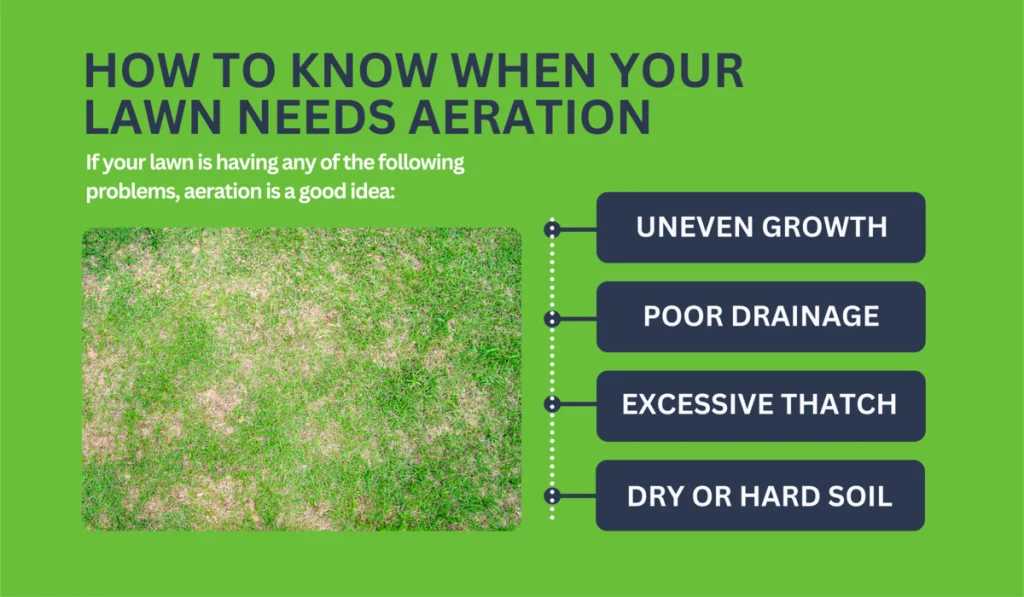
Signs Your Lawn Needs Aeration
Several indicators show that your lawn might benefit from aeration. Look for these signs:
- Lawn is thin and patchy
- Water pools on the surface
- Grass feels spongy when walked on
- Soil is hard and compact
If you notice any of these signs, it may be time to consider aerating your lawn.
Best Time to Aerate in Hot Climates
Timing is crucial when it comes to aerating your lawn. In hot climates, the best time to aerate is typically during the cooler months of spring or fall.
Spring Aeration
Spring aeration allows your grass to recover after the winter. The temperatures are mild, and the grass is just beginning to grow.
Fall Aeration
Fall is another great time for aeration. Grass can take advantage of the cooler temperatures and improved moisture in the soil after summer’s heat.
Methods of Aeration
There are several methods of aeration you can choose from. Each method has its own set of advantages.
Spike Aeration
Spike aeration involves using a tool with spikes that poke holes in the soil.
- Best for slightly compacted soil
- Can be done with simple tools
However, this method can sometimes cause further compaction around the holes.
Core Aeration
Core aeration is considered more effective. It removes small plugs of soil from the lawn.
- Creates deeper holes for better air flow
- Reduces soil compaction significantly
This is the preferred method for lawns exhibiting severe compaction issues.
Preparing Your Lawn for Aeration
Before aerating, there are some important steps to take to ensure the process is successful.
- Mow the lawn to a short height
- Water the lawn a day before aeration
- Remove any debris such as leaves or toys
Proper preparation helps the aerator work more effectively and can lead to better results.
Post-Aeration Care
After aeration, your lawn will require some extra care to ensure it recovers well.
Watering
Water your lawn thoroughly after aeration. This helps the grass recover and encourages new growth.
Fertilizing
Applying a slow-release fertilizer post-aeration is beneficial. This provides essential nutrients for the grass to thrive.
Overseeding
Consider overseeding your lawn after aeration. This can help fill in bare spots and create a thicker lawn.
- Use a grass seed suitable for hot climates
- Spread seed evenly across the lawn
The combination of aeration and overseeding can be very effective.
Common Mistakes to Avoid
When aerating your lawn, it’s crucial to avoid common mistakes that could hinder your results.
- Aerating when the ground is too dry or too wet
- Neglecting to water after aeration
- Failing to overseed
Taking the time to avoid these mistakes can lead to a much healthier lawn.
Tools for Lawn Aeration
There are various tools available for lawn aeration. You can choose from manual tools to powered machines.
Manual Aerators
Manual aerators are great for smaller lawns. They are cost-effective and allow for better control.
Powered Aerators
For larger lawns, powered aerators are more efficient. They can cover more ground, making the process quicker.
Soil Types and Aeration
Different soil types may respond variably to aeration.
Clay Soil
Clay soil tends to compact easily. Aeration is very beneficial for this type.
Sandy Soil
Sandy soil is less likely to compact, but aeration can still improve water retention.
The Benefits of Aerating in Hot Climate
Aerating your lawn in a hot climate has numerous benefits.
- Encourages deep root growth
- Reduces lawn stress during heatwaves
- Improves overall lawn health
When lawns are aerated regularly, they will thrive even in challenging weather conditions.
Frequency of Aeration
The frequency of aeration can depend on several factors, including lawn usage and soil type.
- High traffic lawns should be aerated more often
- Generally, once per year is adequate for most lawns
Observing the health of your lawn can help you determine the right schedule.
Alternative Solutions for Healthy Lawns
In addition to aeration, there are alternative practices to maintain a healthy lawn in hot climates.
- Regular mowing at the right height
- Proper watering techniques
- Using organic mulches to cool the soil
Combining these practices with aeration can lead to a vibrant lawn.
Maintaining a lush, beautiful lawn in hot climates can be challenging, but regular aeration can make a significant difference. By understanding the benefits, timing, methods, and care involved in aerating, you can keep your lawn healthy and vibrant. When implemented correctly, aeration helps combat the stress brought by heat and promotes a strong, resilient grass that can withstand the warm climate. Implementing these practices will ensure that your lawn remains a source of pride for years to come.
“`
St Augustine Grass Tips // How I Get My St Augustine So Thick and Green
Frequently Asked Questions
What are the signs that my lawn needs aeration?
Look for areas of compacted soil, poor drainage, and grass that struggles to grow. If your lawn has thin, patchy spots or feels spongy underfoot, these indicate it may benefit from aeration. You may also notice increased thatch buildup and a decline in water absorption, which are strong signals that your lawn needs attention.
When is the best time to aerate a lawn in hot climates?
The ideal time to aerate lawns in hot climates is during the cooler months of spring or fall. Aerating when the grass actively grows allows the lawn to recover quickly. Avoid aerating during peak summer heat, as it can stress the grass and hinder recovery.
How can I prepare my lawn for aeration?
Start by mowing your lawn to a shorter length. This allows the aerator to penetrate the soil more effectively. Water the lawn a day or two before aeration to soften the soil, making it easier for the aerator to create holes. Mark any underground utilities and remove debris like sticks or rocks to prevent damage during the process.
What type of aerator is best for hot climates?
Choose a core aerator for optimal results in hot climates. Core aerators remove plugs of soil, which helps to relieve compaction and improve air circulation. These machines are more effective than spike aerators, which merely poke holes and can worsen compaction in the long run.
Should I fertilize my lawn after aeration?
Yes, fertilizing after aeration can enhance the benefits of the process. The holes created during aeration allow nutrients to penetrate deeper into the soil. Use a slow-release fertilizer to provide consistent nutrients and promote healthy grass growth as the lawn recovers.
How often should I aerate my lawn in hot climates?
Typically, aerating once a year suffices for most lawns in hot climates. However, if your lawn experiences heavy foot traffic or poor drainage, you might need to aerate twice a year. Monitor the lawn’s condition to determine if more frequent aeration is necessary.
Final Thoughts
Aerating lawns in hot climates is essential for maintaining healthy grass. It improves air circulation, promotes root growth, and enhances the overall health of your lawn. Understanding the right time and methods for aeration can significantly impact your lawn’s resilience against heat stress.
Regular aeration helps alleviate soil compaction, allowing nutrients and water to penetrate deeper. This practice is especially crucial during hot months when lawns can struggle to thrive. By focusing on ‘Aerating Lawns in Hot Climates What You Need to Know,’ you ensure your lawn remains lush and green throughout the summer.