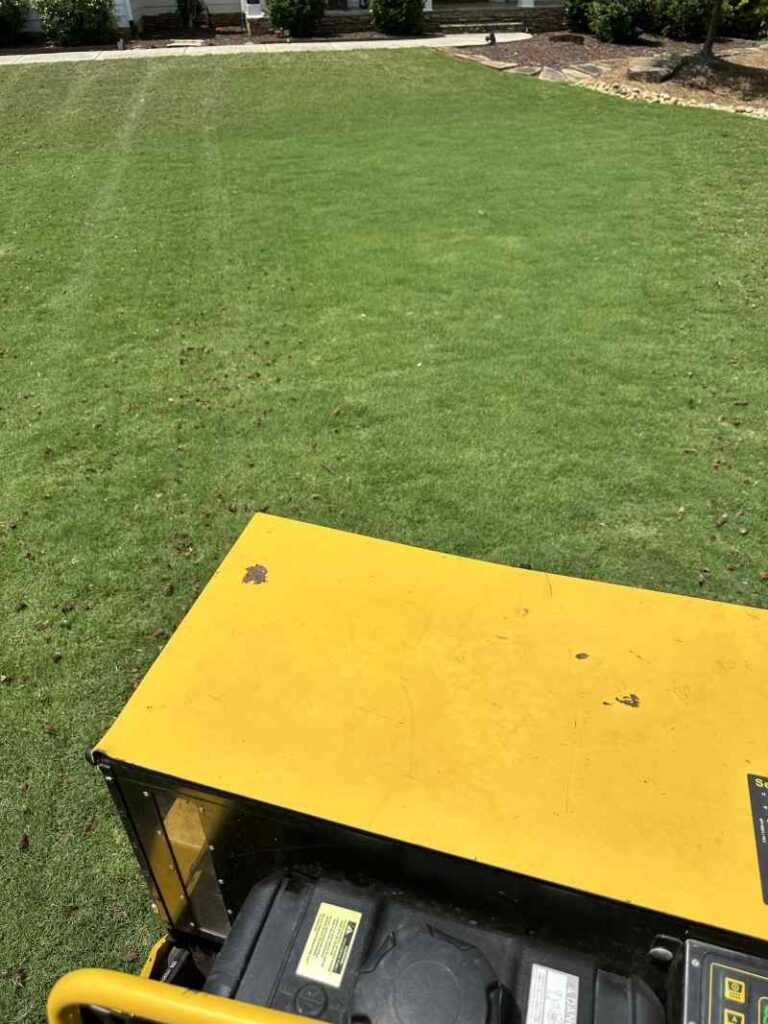
If you’re wondering whether to fertilize right after aerating your lawn, the short answer is yes, it’s a great idea! Aerating your lawn creates holes in the soil that allow air, water, and nutrients to reach the grassroots more effectively. By fertilizing right after aeration, you can take advantage of this improved soil structure to ensure that the nutrients penetrate deeper into the soil, giving your grass an extra boost. However, timing and the type of fertilizer matter, so let’s delve into the details. Understanding the benefits and best practices for fertilizing post-aeration will help you achieve a lush, vibrant lawn that thrives throughout the seasons. So, let’s get into it!

“`html
Should You Fertilize Right After Aerating?
Aerating your lawn is an essential part of keeping it healthy. But if you’ve just aerated, you might wonder if you should fertilize right after. This topic is important for many homeowners seeking to maintain a lush, green lawn. Let’s dive deep into whether fertilizing right after aerating is the best choice for your yard.
Understanding Lawn Aeration
Aeration involves perforating the soil with holes to allow air, water, and nutrients to penetrate deep into the roots. This process helps alleviate soil compaction and improves the overall health of your lawn.
– **Benefits of Aeration**:
– Increases nutrient absorption
– Enhances root growth
– Reduces thatch build-up
Aerating can be done with a core aerator, which removes small plugs of soil. Understanding the results of this process is essential before adding fertilizer.
What Happens After Aeration?
After aerating, your lawn experiences several changes. The holes created allow for better air circulation and water infiltration. This process is vital for your grass to absorb nutrients effectively.
– **Immediate Effects**:
– Enhanced moisture retention
– Improved root oxygen levels
– Increased microbial activity in the soil
These benefits set the stage for optimal nutrient uptake. However, it raises the question of whether adding fertilizer right away is advantageous.
Should You Fertilize Immediately?
Applying fertilizer after aerating has its pros and cons. Let’s explore both sides to help you make an informed decision.
Pros of Fertilizing After Aerating
Fertilizing after aeration can be beneficial under certain conditions. Here are the advantages:
– **Increased Nutrient Uptake**: The holes in the soil allow for fertilizers to penetrate deeper, reaching the roots more effectively.
– **Faster Recovery**: Your lawn may bounce back quicker from aeration, benefiting from the extra nutrients during the recovery phase.
– **Improved Growth**: Fertilizing can encourage more vigorous growth, especially in the active growing season.
Cons of Fertilizing After Aerating
Despite the benefits, there are also reasons you might want to hold off on fertilizing right after aeration.
– **Risk of Over-fertilization**: If you fertilize too soon, you might overwhelm the grass, especially if the soil is already rich in nutrients.
– **Environmental Concerns**: Fertilizers can leach into water sources, which is a concern after aerating when the soil is more vulnerable.
– **Cost Considerations**: Adding fertilizer means extra expenses. If your lawn doesn’t require immediate nutrients, it may be unnecessary.
Timing is Everything
When deciding whether to fertilize right after aerating, timing plays a crucial role. Understanding your lawn’s specific needs and the season can guide your decision.
– **Spring Aeration**: If you aerate in spring, many grass types are growing actively. Fertilizing after this is common and usually beneficial.
– **Fall Aeration**: For fall aeration, the soil is often cooler. Fertilizing too late in the season may not help as the grass slows its growth.
Types of Fertilizers
Should you choose to fertilize post-aeration, the type of fertilizer matters. Here are some options:
Quick-Release vs. Slow-Release Fertilizers
– **Quick-Release Fertilizers**: These provide an immediate nutrient boost but require careful timing to avoid burning the grass.
– **Slow-Release Fertilizers**: These release nutrients gradually. They are less likely to overwhelm your lawn, making them a better choice post-aeration.
Organic vs. Synthetic Fertilizers
– **Organic Fertilizers**: These improve soil health over time and are gentler on your grass. They can be a great choice after aerating.
– **Synthetic Fertilizers**: While they act quickly, they can lead to nutrient runoff. Use them wisely and consider your environmental impact.
Best Practices for Fertilizing After Aerating
If you decide to fertilize after aerating, here are some best practices to ensure success:
- Choose a fertilizer appropriate for your grass type.
- Follow the recommended application rates to avoid over-fertilization.
- Water your lawn adequately after fertilizing to help nutrients penetrate the soil.
- Monitor your lawn’s response and adjust future applications as necessary.
Factors to Consider Before Fertilizing
Before applying fertilizer, consider these essential factors:
– **Soil Test Results**: Performing a soil test can indicate whether your lawn needs nutrients. Over-fertilizing can harm your lawn.
– **Current Weather Conditions**: Fertilizing right before heavy rains can lead to runoff. Check the forecast before applying.
– **Grass Type and Health**: Different grass types have varying nutrient needs. Be sure to match your approach accordingly.
Alternatives to Fertilizing Right After Aerating
If you’re hesitant to fertilize immediately post-aeration, there are alternatives to consider.
– **Topdressing with Compost**: Adding a layer of compost can provide nutrients and improve soil structure.
– **Watering**: Deep watering can help your grass recover and promote healthy growth without the need for fertilizer.
– **Weed Control**: If your lawn has a weed problem, addressing this issue before adding fertilizer is crucial.
Monitoring Your Lawn’s Health
After aerating and possibly fertilizing, keep an eye on your lawn’s health. Look for signs of improvement or distress.
– **Healthy Growth**: Your grass should show signs of vigorous growth if the right nutrients are available.
– **Color Changes**: A rich, green color indicates a healthy lawn. Yellowing may suggest over-fertilization or nutrient deficiency.
In summary, whether you should fertilize right after aerating depends on several factors, including your lawn’s specific needs, the season, and the type of fertilizer used. By understanding the benefits and drawbacks of immediate fertilization, you can make the best choice for maintaining a vibrant lawn. Always keep your lawn’s health a priority and adjust your practices as necessary. With the right approach, your lawn can flourish after aeration and fertilization, providing a beautiful outdoor space for everyone to enjoy.
“`
Should I fertilize after aerating?
Frequently Asked Questions
What are the benefits of fertilizing after aerating?
Aerating your lawn creates small holes in the soil, allowing air, water, and nutrients to penetrate deeper. Fertilizing after aerating ensures that these nutrients reach the root zone more effectively. This combination can lead to improved growth, healthier grass, and a more vibrant lawn overall.
How long should I wait to fertilize after aerating?
While many experts suggest fertilizing immediately after aerating, some recommend waiting a few days to allow the soil to settle. If you choose to wait, apply the fertilizer within a week of aeration to maximize nutrient absorption and benefit your lawn’s recovery.
Can I use any type of fertilizer after aerating?
It’s best to use a balanced, slow-release fertilizer after aeration. This type of fertilizer will gradually provide nutrients over time, matching the increased absorption capabilities of your lawn following aeration. Avoid using quick-release fertilizers that may lead to nutrient runoff or burning.
Will fertilizing after aerating help with weed control?
Fertilizing after aerating can indirectly assist with weed control. A healthy, dense lawn is better at crowding out weeds, and the nutrients from the fertilizer support strong grass growth. However, consider applying a pre-emergent herbicide at the right time of year, as it targets weed seeds effectively.
Is it necessary to water after fertilizing post-aeration?
Yes, watering after applying fertilizer is important. It helps activate the fertilizer, allowing nutrients to dissolve and penetrate the soil effectively. Ensure the lawn receives adequate moisture to support both grass recovery and nutrient uptake following aeration and fertilization.
Final Thoughts
Fertilizing right after aerating can be beneficial for your lawn. Aeration opens up the soil, allowing nutrients to penetrate deeper, which enhances the effectiveness of the fertilizer. Applying fertilizer immediately after aerating ensures that your lawn receives the nutrients it needs while benefiting from the aeration process.
Should You Fertilize Right After Aerating? Yes, this practice maximizes nutrient absorption and promotes healthy grass growth. Just ensure you choose the right fertilizer and follow application guidelines for optimal results. Doing so will nourish your lawn effectively and support its overall health.