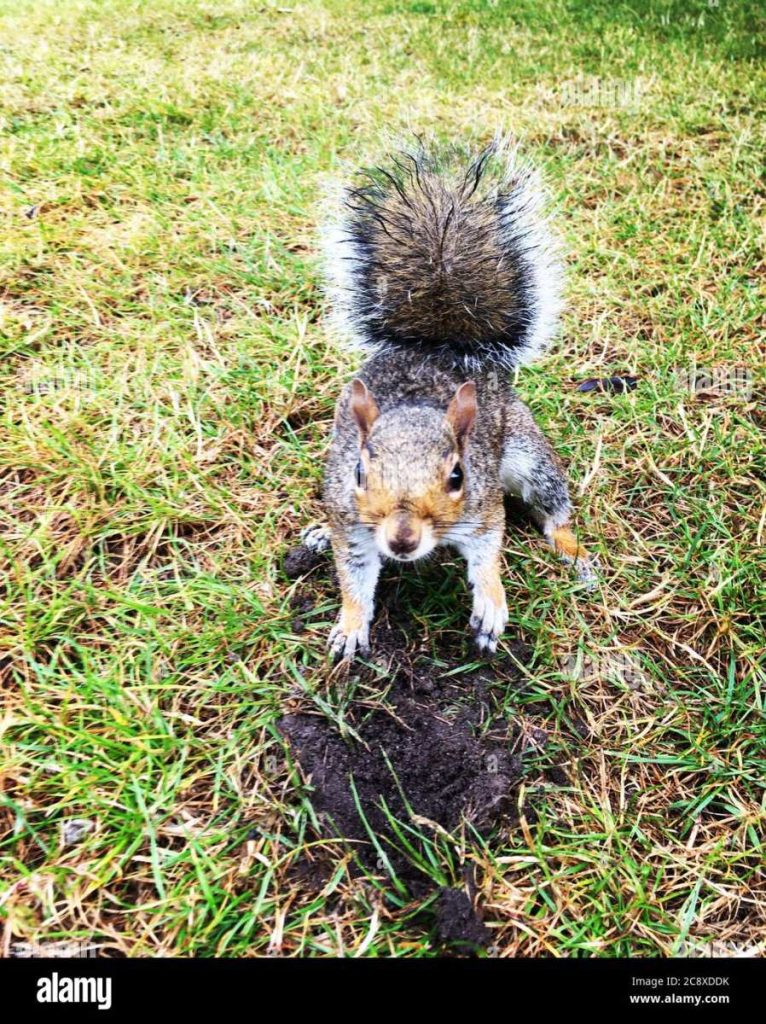
If you've woken up to scattered holes in your lawn or found your flower beds torn up, you're probably wondering what's actually causing it. The question "do squirrels eat grubs" comes up a lot, and the answer isn't as straightforward as most online sources make it sound. Getting this wrong can send you down an expensive and ineffective treatment path that doesn't solve the real problem.
Here's what our research shows: squirrels do eat grubs occasionally, but grubs are far from their primary food source. Most lawn digging by squirrels is actually related to caching and recovering nuts, not hunting for insects. The general threshold that extension services use for treating grubs is 5 to 10 grubs per square foot, yet many homeowners skip confirming grub presence entirely and jump straight to control methods.
Let's walk through what's really happening in your yard and how to figure it out for sure.
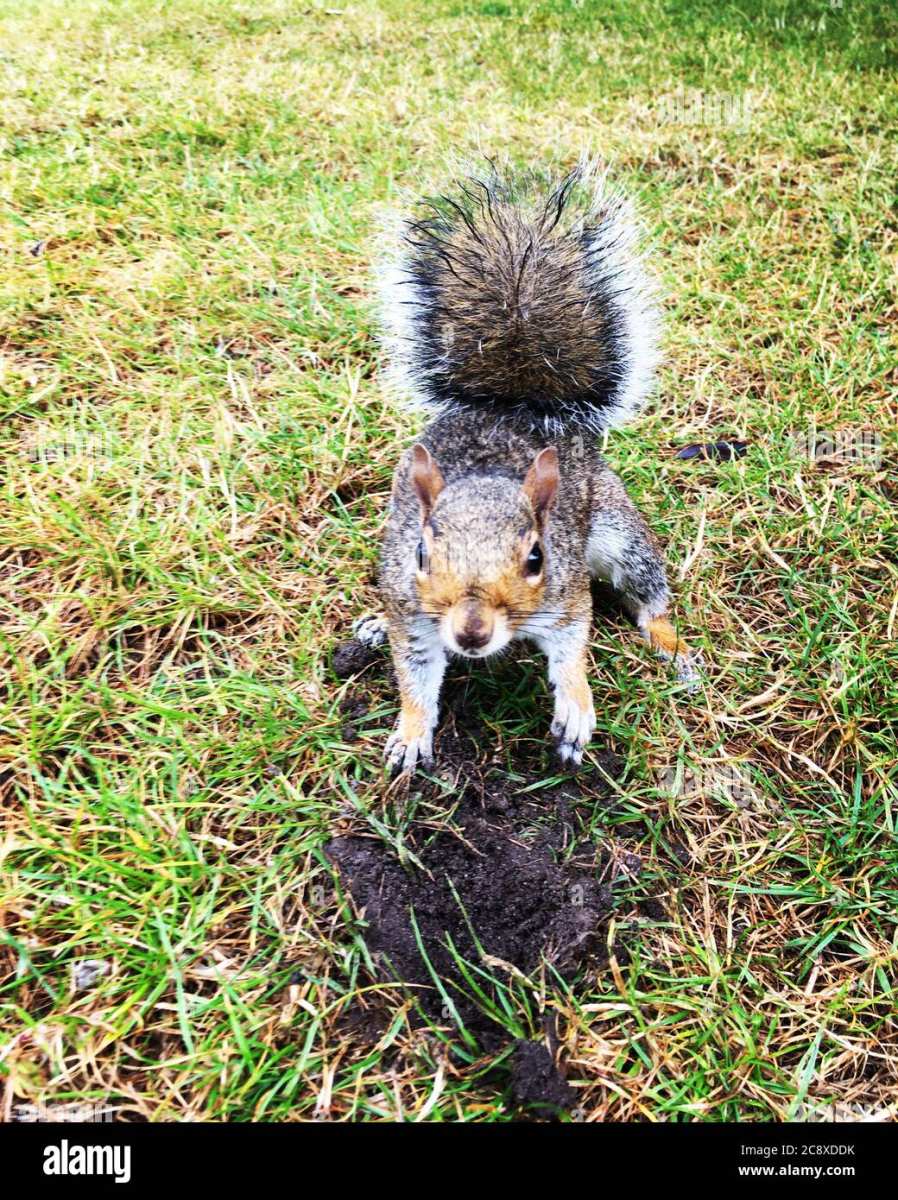
Image source: Bing (Web (fair-use with source credit))
Quick Answer
Yes, squirrels do eat grubs, but only opportunistically. Grubs are not a primary food source for squirrels. Most squirrel digging in lawns is related to nut caching and retrieval.
You should confirm grub presence before assuming grubs are attracting squirrels. Simple inspection steps can tell you which pest you're actually dealing with.
Why Getting This Right Matters More Than You Think
Misdiagnosing the cause of lawn damage wastes time, money, and effort. If you assume squirrels are after grubs and apply insecticide, you might spend $30 to $60 on a product that does nothing. Meanwhile, the real culprit keeps digging.
The stakes go beyond money. Applying pesticides when they aren't needed harms beneficial soil organisms and can affect pollinators. Trapping and relocating squirrels without understanding local regulations can result in fines.
In many states, relocating wildlife without a permit is illegal.
Getting the diagnosis right means you spend your effort on the solution that actually works. That starts with understanding what squirrels really eat and why they dig.
Do Squirrels Actually Eat Grubs? The Straight Answer
Yes, squirrels eat grubs when they encounter them. But "eating grubs" and "relying on grubs as a food source" are two very different things.
Squirrels are opportunistic omnivores. Their diet shifts based on what's available seasonally. In our research, the core components of an eastern gray squirrel's diet are:
- Tree nuts (acorns, hickory nuts, walnuts, beechnuts)
- Seeds and grains
- Fungi and mushrooms
- Tree buds, bark, and shoots
- Fruits and berries
- Insects, including grubs, when encountered
- Bird eggs and nestlings (rarely, but documented)
Grubs fall into that "when encountered" category. A squirrel digging in soil for a cached acorn might eat a grub it finds along the way. That doesn't mean the squirrel was hunting grubs.
The confusion happens because people see holes in the lawn and assume a direct cause-and-effect relationship. Squirrels dig, grubs live in the ground, therefore squirrels must be digging for grubs. The reality is more nuanced.
What Squirrels Really Eat (And Where Grubs Fit In)
Understanding the full picture of squirrel feeding behavior helps explain why they dig where they do.
Primary Food Sources
Tree nuts dominate the squirrel diet, especially in fall. Eastern gray squirrels scatter-hoard thousands of nuts each autumn. They bury them individually in shallow holes across their territory, which can span 1 to 7 acres.
This caching behavior is the number one reason for small, scattered holes in lawns and garden beds.
In spring, squirrels return to these cache sites to recover buried nuts. Some they remember. Others they locate by smell.
This recovery digging is often mistaken for grub hunting.
Seasonal Shifts
Squirrel diet changes throughout the year:
| Season | Primary Foods | Digging Activity |
|---|---|---|
| Fall | Tree nuts, seeds | Heavy caching (burying nuts) |
| Winter | Cached nuts, tree bark, fungi | Minimal surface digging |
| Spring | Recovering cached nuts, buds, shoots | Moderate recovery digging |
| Summer | Fruits, berries, fungi, some insects | Light digging, mostly for fungi or cached items |
Grubs are most active in soil during late summer and early fall. That timing overlaps with squirrel caching season, which reinforces the false impression that squirrels are digging for grubs.
When Grubs Actually Get Eaten
Squirrels will eat grubs in specific situations:
- When other food sources are scarce
- When grubs are near the surface and easy to access
- When a squirrel is digging for cached food and encounters grubs incidentally
- In early spring when grubs move closer to the soil surface
None of these scenarios make grubs a dietary staple. They're a supplemental protein source at best.
How to Tell If Squirrels Are Digging for Grubs or Something Else
The pattern of damage tells you more than the holes themselves. Here's what to look for.
Signs It's Squirrel Digging (Not Grub Hunting)
- Small, shallow holes about 1 to 2 inches deep, often scattered
- Nearby trees, especially nut-bearing species like oaks and hickories
- Half-eaten acorns or nut shells near the holes
- Holes appear in fall and again in early spring
- Disturbed mulch or freshly planted bulbs in garden beds
- Squirrels visible in the area during daylight hours
Signs Grubs Are the Primary Problem
- Irregular brown patches in the lawn that peel back easily
- Skunks or raccoons tearing up sod in concentrated areas (these animals are far more dedicated grub predators than squirrels)
- Increased bird activity on the lawn (starlings, crows, and grackles feed on grubs near the surface)
- Spongy turf that feels loose underfoot
The Simple Test
Cut a 1-foot square of sod in a damaged area and peel it back. Count the grubs you find. If you see fewer than 5 grubs in that square foot, your lawn likely doesn't have a grub problem worth treating.
If you find 10 or more, grubs are probably attracting other animals, and squirrels may be taking advantage.
Grub Damage vs. Squirrel Damage: Spotting the Difference
Telling these two apart prevents you from treating the wrong problem.
What Grub Damage Looks Like
Grubs feed on grass roots. The damage shows up as:
- Brown, dead patches that don't respond to watering
- Loose turf that lifts up like a carpet without resistance
- Damage concentrated in sunny, well-drained areas of the lawn
- Secondary damage from animals tearing up the lawn to reach grubs
Grub damage typically appears in late summer through early fall. It worsens during dry periods because stressed grass can't tolerate root loss.
What Squirrel Damage Looks Like
Squirrel digging looks different:
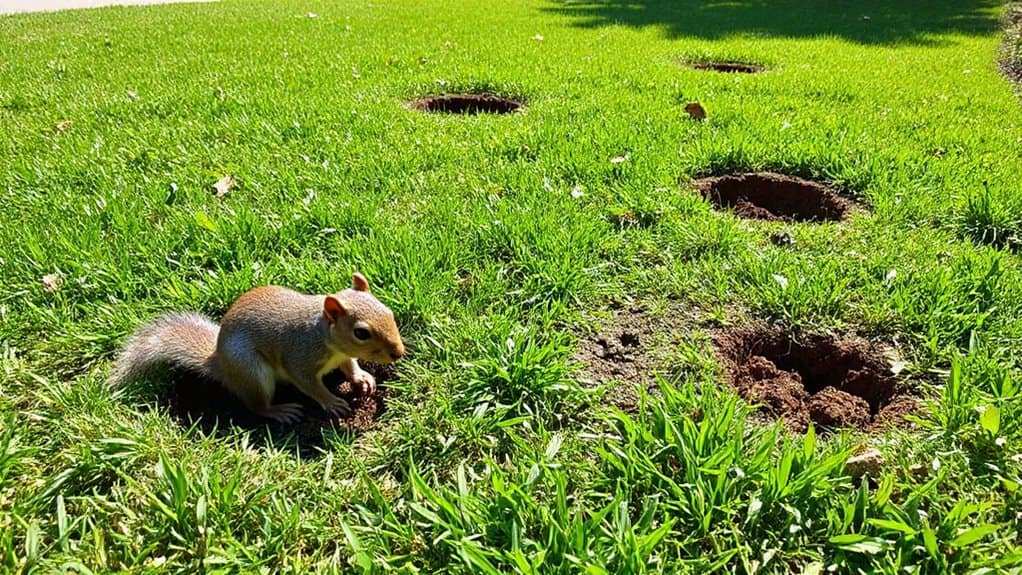
- Individual holes rather than widespread browning
- Holes are shallow and often have loose soil scattered around them
- Damage near trees, garden beds, or bird feeders
- Bulbs dug up and sometimes eaten or partially eaten
- No widespread grass death unless digging is extremely heavy
Key Distinction
Grub damage kills grass from below. Squirrel damage disturbs the surface. If your lawn has brown patches that peel back easily, start by checking for grubs.
If you see scattered holes in otherwise healthy grass, squirrels are likely caching or recovering food.
Other Critters That Dig Up Your Lawn (And How to Rule Them Out)
Squirrels and grubs aren't the only possibilities. Several other animals cause similar damage.
Raccoons
Raccoons are far more destructive than squirrels when hunting grubs. They roll back sections of sod in a concentrated area, often overnight. The damage looks like someone peeled back a strip of turf.
Raccoons are nocturnal, so you'll see fresh damage in the morning.
Skunks
Skunks create conical holes about 3 to 4 inches deep, similar to a small ice cream scoop. They feed on grubs more consistently than squirrels do. Skunk damage is also nocturnal.
Moles
Moles create raised ridges and mounds, not individual holes. They feed primarily on earthworms and insects, including grubs. Mole tunnels are usually visible as raised lines across the lawn.
Voles
Voles create surface runways through grass, not holes. The runways are about 1 to 2 inches wide and look like worn paths through the turf. Voles feed on grass and roots, not grubs.
Comparison Table
| Animal | Hole Type | Timing | Primary Target |
|---|---|---|---|
| Squirrel | Small, scattered, shallow | Daylight | Cached nuts, occasionally grubs |
| Raccoon | Rolled-back sod strips | Night | Grubs |
| Skunk | Conical, 3-4 inches deep | Night | Grubs |
| Mole | Raised ridges and mounds | Anytime | Earthworms, insects |
| Vole | Surface runways | Anytime | Grass, roots |
Identifying the right culprit saves you from applying the wrong solution. If you're seeing damage at night, squirrels aren't the cause. If the holes are scattered and shallow during daylight, squirrels are the likely suspect.
When Grubs Are the Real Problem (And Squirrels Are Just a Side Effect)
Sometimes grubs are the actual issue, and squirrels are secondary visitors. This happens when grub populations are high enough to attract multiple animals.
The damage pattern looks different. You'll see widespread turf browning along with digging from several sources. Raccoons and skunks may tear up sections while squirrels poke around the edges.
The combined damage looks chaotic.
In these cases, treating the grub problem often reduces the digging. When the food source disappears, the animals move on. This is the one scenario where grub control makes sense as a strategy to reduce animal activity.
But you still need to confirm grub presence first. Pull back the sod in several spots. Count what you find.
If the numbers justify treatment, proceed. If not, you're dealing with a caching or foraging issue that grub control won't solve.
How to Confirm Whether You Actually Have a Grub Infestation
The inspection method is simple and takes about 10 minutes.
Step-by-Step Grub Check
- Pick several test spots in both damaged and healthy areas of the lawn.
- Cut a 1-by-1-foot square of sod with a spade.
- Peel it back carefully and examine the top 2 inches of soil.
- Count the grubs you find in that square.
- Repeat in three to five locations for an accurate picture.
Threshold Guidelines
| Grubs Per Square Foot | Recommendation |
|---|---|
| 0 to 4 | No treatment needed |
| 5 to 9 | Monitor closely, consider treatment if combined with animal damage |
| 10 or higher | Treatment recommended |
These thresholds come from integrated pest management guidelines used by university extension programs. They account for the fact that a healthy lawn can tolerate low grub populations without visible damage.
Identifying Grub Species
Not all grubs are equally destructive. The most common lawn grubs in the United States are:
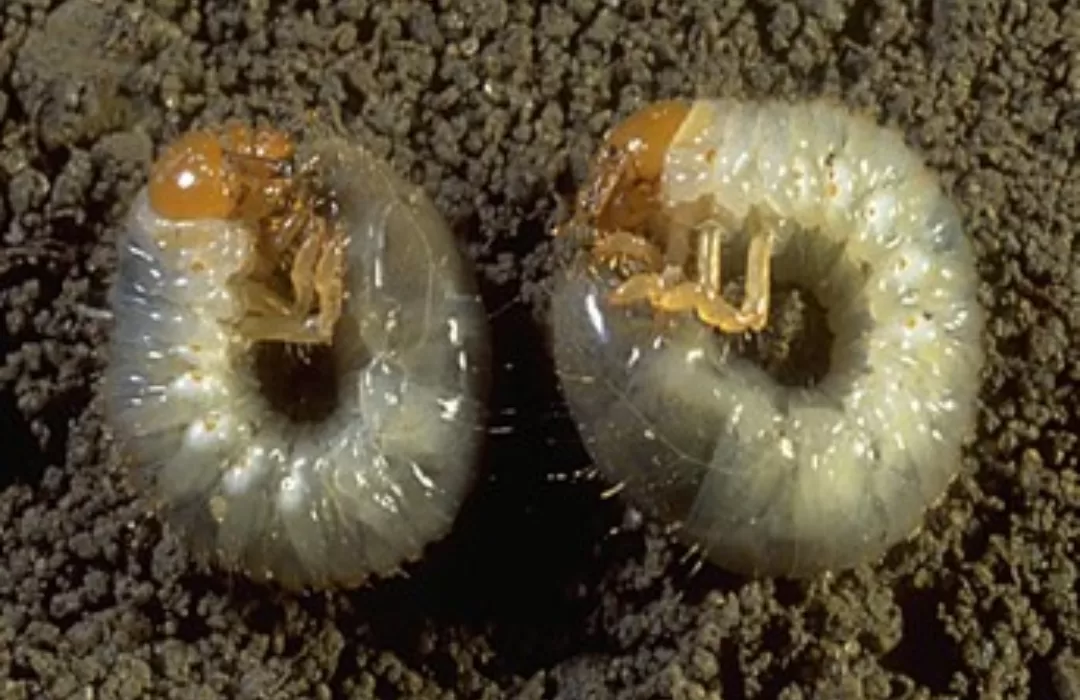
- Japanese beetle grubs (bright white with a brown head, take a C-shape when disturbed)
- June beetle grubs (larger, up to 1.5 inches long)
- European chafer grubs (similar to Japanese beetle, slightly smaller)
Each species has a slightly different lifecycle, which affects treatment timing. Japanese beetle grubs are most vulnerable in late summer when they're small and near the surface.
Practical Steps to Stop Squirrels From Digging in Your Yard
If squirrels are the confirmed culprit, you have several effective options.
Remove Attractants First
Squirrels dig where food is available. Eliminate what's drawing them in:
- Secure bird feeders with baffles placed 4 to 5 feet off the ground. Position feeders at least 10 feet from tree branches or structures.
- Clean up fallen nuts from oak and hickory trees during fall.
- Use covered compost bins for food scraps.
- Harvest garden produce promptly when ripe.
Physical Barriers
For garden beds and newly planted bulbs:
- Hardware cloth laid over newly planted bulbs prevents digging. Cover with mulch to hide it.
- Wire mesh cages around individual plants work for high-value plantings.
- Chicken wire secured over the soil surface deters digging until bulbs are established.
Habitat Modification
Make the area less appealing:
- Remove low branches that give squirrels easy access to roofs and nearby structures.
- Trim tree limbs back at least 6 to 8 feet from buildings.
- Keep mulch layers thin in areas where squirrels frequently dig. Thick mulch makes digging too easy.
Repellent Options
Commercial squirrel repellents exist, but results vary. Capsaicin-based products applied to bulbs and soil show moderate effectiveness in research settings. Reapplication after rain is necessary.
Predator urine products (coyote, fox) can deter squirrels temporarily. These need frequent reapplication and lose effectiveness once squirrels habituate.
What Doesn't Work
- Ultrasonic devices. Multiple studies show these have no measurable effect on squirrels.
- Mothballs. They're toxic, illegal to use outdoors per EPA labeling, and ineffective for squirrels.
- Owls and fake predators. Squirrels habituate within days unless the decoy moves constantly.
- Human hair, soap, or dryer sheets. Anecdotal evidence contradicts results in controlled settings.
Safe and Legal Ways to Handle Grubs If You Have Them
When grub counts justify treatment, you have two main approaches.
Biological Controls
Beneficial nematodes (Heterorhabditis bacteriophora) are microscopic worms that seek out and kill grubs. They're applied to the lawn with a sprayer or watering can. Soil temperature must be above 60°F for nematodes to work effectively.
Milky spore (Paenibacillus popilliae) is a bacterium that specifically targets Japanese beetle grubs. It takes 2 to 4 years to establish fully but can last 10 to 15 years once established. It does not affect other grub species.
Chemical Insecticides
Products containing chlorantraniliprole (Meridian) are considered lower-risk for pollinators. They can be applied preventatively and have a long residual window.
Products with trichlorfon (Dylox) work as curative treatments when grubs are already causing damage. They act fast but break down quickly in soil.
Avoid products containing imidacloprid or other neonicotinoids where restrictions apply. Several states have limited their use due to pollinator concerns.
Timing Matters
| Treatment Type | Best Application Window |
|---|---|
| Preventative (chlorantraniliprole) | Mid to late June |
| Curative (trichlorfon) | Late August through September |
| Nematodes | Late August to early October |
| Milky spore | Anytime soil is workable, ideally spring or fall |
Missing the window wastes product and provides no benefit. Grubs must be active and feeding near the surface for treatments to work.
When to Call a Professional (And What to Expect)
Some situations warrant professional help.
Signs You Need a Pro
- Heavy digging from multiple animal species you can't identify
- Squirrels have entered your home through the roof, attic, or walls
- Persistent grub damage despite two treatment attempts
- Large-scale lawn destruction affecting more than half the yard
- Legal questions about trapping or exclusion in your state
What Professionals Do
Wildlife control operators start with identification. They confirm which species are active, find entry points, and assess the extent of the problem. For squirrels, they typically use exclusion techniques rather than trapping where possible.
One-way doors allow squirrels to leave but not re-enter structures.
For grub problems, professional lawn care companies can apply commercial-grade products with calibrated equipment. They often have access to products not available to homeowners.
Cost Expectations
Wildlife removal costs vary widely. A single service call might run $150 to $400. If exclusion work is needed (sealing entry points, installing chimney caps), expect $300 to $1,000 or more depending on the structure.
Professional grub treatment typically costs $50 to $100 per application for an average-sized lawn. Multi-year contracts for preventive treatment may offer better per-application pricing.
Mistakes That Make the Problem Worse
Avoid these common errors.
Treating for Grubs Without Confirming Them
This is the biggest mistake. Insecticide applied to a lawn with no grub problem kills beneficial organisms and provides zero benefit. Always inspect first.
Trapping and Relocating Squirrels Illegally
Many states classify squirrels as protected wildlife. Relocating them without a permit can result in fines. Even where legal, relocated squirrels often struggle to survive in unfamiliar territory.
Using Poison
Rodenticides labeled for squirrels are rarely practical and often illegal for outdoor use. Poisoned squirrels can die inside walls or attics, creating secondary odor and sanitation problems. Predatory animals that eat poisoned squirrels can suffer secondary poisoning.
Ignoring the Root Cause
Applying repellent without removing attractants doesn't work. Squirrels motivated by food will push through mild deterrents. Address the food source first, then add deterrents if needed.
Over-relying on One Method
The most effective approach combines multiple strategies. Remove food sources, add barriers, and modify habitat. No single solution works reliably on its own.
Final Verdict: What to Do First When You See Holes in Your Lawn
Here's the order that makes sense.
Step 1. Inspect the damage pattern. Scattered shallow holes point to squirrels rolling back sod overnight point to raccoons or skunks.
Step 2. Cut back the sod in several spots. Count grubs. If you find fewer than 5 per square foot on average, grubs aren't your primary problem.
Step 3. Remove or secure attractants. Protect bird feeders, clean up fallen nuts, and cover compost.
Step 4. Add physical barriers where needed. Hardware cloth over bulbs, wire mesh in garden beds.
Step 5. If grub counts are above threshold, apply nematodes or appropriate insecticide during the correct timing window.
Step 6. If squirrels are entering your structure, call a licensed wildlife control operator for exclusion.
The question "do squirrels eat grubs" has a simple yes or no answer that most people get wrong in practice. Yes, squirrels eat grubs occasionally. No, that's almost never why they're digging in your lawn.
Confirm what's actually happening before you spend money on a solution that doesn't address the real problem.
Frequently Asked Questions
Do squirrels eat grubs from your lawn?
Yes, but only opportunistically. Squirrels incidentally eat grubs when digging for cached nuts. Grubs are not a primary motivator for squirrel digging behavior.
How do I know if squirrels or grubs are damaging my lawn?
Squirrels leave scattered shallow holes in otherwise healthy turf. Grubs cause irregular brown patches where the sod peels back easily. Inspect several spots to confirm which problem you're dealing with.
Will killing grubs stop squirrels from digging?
Only if grubs were the actual reason for digging. In most cases, squirrels are after cached nuts. Removing grubs rarely stops squirrel activity on its own.
What animal digs holes in lawn overnight at night?
Raccoons and skunks are the primary nighttime diggers. They tear back sod in strips to reach grubs. Squirrels are active during daylight, so nighttime damage points to a different animal.
Is it legal to trap and relocate squirrels?
It depends on your state. Many states require permits for trapping and relocating squirrels. Some prohibit relocation entirely.
Check with your state fish and wildlife agency before taking action.
When is the best time to apply grub control?
For preventive products, apply in mid to late June. For curative treatments, late August through early September works best when grubs are small and feeding near the surface.