
Do possums eat grubs? Yes, they absolutely do. If you've noticed small dug-up patches in your lawn and spotted a gray, rat-like creature shuffling around at night, there's a good chance a Virginia opossum is treating your yard like an all-you-can-eat buffet.
That can be a good thing, or it can become a headache, depending on your situation.
Research on opossum foraging behavior shows they're opportunistic feeders that consume a wide variety of invertebrates, including white grubs, the larvae of Japanese beetles, June beetles, and European chafers. A single opossum can cover several acres while foraging each night, and grubs are one of the easiest protein-rich food sources they encounter in suburban lawns. Let's break down what that actually means for your yard and your grub problem.
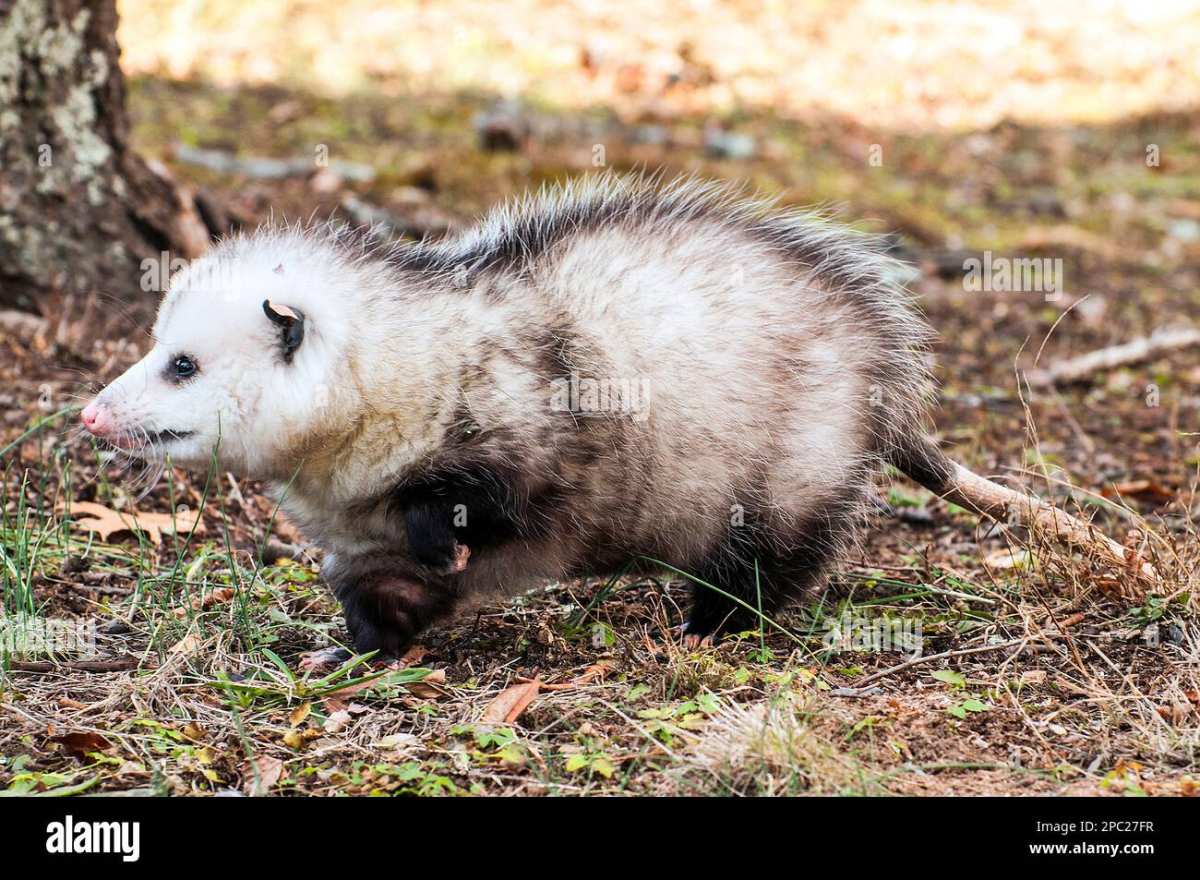
Image source: Bing (Web (fair-use with source credit))
Quick Answer
Yes, opossums eat grubs. They forage at night and dig for beetle larvae in soil. One opossum can eat thousands of grubs per season.
They also consume ticks, slugs, and snails. This makes them effective natural pest control in many yards.
What Opossums Actually Eat (And Where Grubs Fit In)
The Virginia opossum (Didelphis virginiana) is North America's only marsupial, and its diet is about as flexible as it gets. These animals are true omnivores. They'll eat just about anything they can find, which is exactly why they thrive in suburban and urban environments where food sources are scattered but abundant.
Grubs sit near the top of their preferred protein sources. Opossums forage along the ground at night, using their keen sense of smell to detect insect larvae just below the soil surface. When they find a concentrated patch, they'll dig shallow divots, sometimes a few inches across, to pull out the larvae.
But grubs aren't the only thing on the menu. Here's what else shows up regularly in opossum diets:
- Insects and larvae (beetles, crickets, grasshoppers, grubs)
- Ticks (thousands per season per individual)
- Slugs and snails
- Small rodents and frogs
- Fruits, berries, and vegetables
- Carrion and roadkill
- Pet food left outdoors
- Garbage and compost scraps
The key thing to understand is that opossums don't specialize. They're generalists. If your yard has a heavy grub population, they'll eat grubs.
If the grub supply drops off in late fall, they'll switch to something else without hesitation. That's both a strength and a limitation if you're counting on them for pest control.
How Effective Are Possums at Grub Control?

Image source: Wikimedia Commons / Сарапулов (CC BY)
This is where things get interesting, and where the simple "yes" answer needs some nuance. Opossums do eat grubs, and they eat a meaningful number of them. But they're not a silver bullet for a serious infestation.
The Science Behind Opossum Foraging
Opossums are nocturnal foragers that typically cover one to ten acres per night in suburban settings, according to data compiled by state wildlife agencies. They move slowly and methodically across lawns, gardens, and wooded edges, sniffing out food just below the surface.
Their grub detection isn't perfect, but it's effective enough that wildlife ecologists regularly document opossum foraging signs in grub-infested lawns. The shallow conical dig marks they leave are distinctive, usually about two to four inches in diameter, and often mistaken for skunk or raccoon activity.
What makes opossums particularly useful is their grooming behavior. Research published in peer-reviewed wildlife journals has documented that opossums consume enormous quantities of ticks during grooming, picking them off their fur as they forage through grass and leaf litter. This dual role, grub eater and tick remover, makes them one of the more beneficial wild animals you can have passing through your property.
Real Grub Reduction Numbers
Let's put some realistic numbers on this. A severe grub problem typically means ten or more grubs per square foot of lawn. At that density, you'll start seeing brown patches of dying turf, and animals like skunks, raccoons, and opossums will notice.
A single opossum likely consumes dozens of grubs per active night during peak foraging season, which runs roughly from late spring through early fall. Over a full season, that adds up to hundreds, possibly thousands, of grubs removed from a given area.
But here's the catch. If your lawn has a heavy infestation, one opossum visiting a few nights a week won't make a visible dent. You'd need sustained, repeated foraging across the entire affected area, and opossums don't stay in one spot.
They rotate through their home range, so your yard might get visited a few times a week, not every night.
For mild to moderate grub pressure, opossum foraging can genuinely help keep populations below damaging thresholds. For a full-blown infestation, you'll likely need to supplement with other control methods.
Benefits of Having Opossums Around Your Yard
If you can tolerate the occasional dug-up patch of lawn, opossums bring a lot of upside. They're one of the few wild animals that actively do your pest control work for free, and they ask almost nothing in return.
Natural Pest Control Without Chemicals
The biggest benefit is exactly what we've been talking about. Opossums reduce grub populations without you buying or applying a single chemical. That means no insecticide drifting into garden beds, no concerns about kids or pets walking on treated lawn, and no harm to earthworms and beneficial soil organisms.
They also eat other garden pests that damage plants. Slugs, snails, and various beetle species all fall within their dietary range. If you're trying to maintain a low-impact or organic yard, having opossums pass through regularly is genuinely valuable.
The Tick Connection
This is the benefit that gets the most attention in wildlife research, and for good reason. Studies have shown that opossums can consume up to 5,000 ticks in a single season. They pick them off vegetation as they forage and groom them off their fur with their paws and teeth.
Given the rising prevalence of Lyme disease and other tick-borne illnesses across the eastern United States, having an animal that actively removes ticks from the environment is no small thing. Opossums are far more effective at tick reduction than most birds or other small mammals, simply because of their grooming habits and their preference for the same moist, grassy habitats where ticks thrive.
Drawbacks and Risks You Should Know
Now for the part that doesn't make it into the cheerful wildlife garden brochures. Opossums are beneficial, but they're not without problems. If you're going to coexist with them, you need to know what you're signing up for.
Property Damage Concerns
The most immediate issue is the digging. When opossums go after grubs, they leave small but noticeable holes in your lawn. Each dig is usually just a couple of inches wide and deep, but if an opossum finds a productive patch, it might leave a dozen or more divots in a single night.
For most lawns, this is cosmetic damage that fills back in on its own after a few days of watering or mowing. But if you've just reseeded or laid fresh sod, opossum foraging can undo your work quickly. They'll also occasionally get into vegetable gardens, compost bins, and unsecured trash cans.
Health and Safety Considerations
Opossums have a strong reputation for being low-risk when it comes to rabies, and that reputation is largely earned. Their lower body temperature makes it difficult for the rabies virus to survive in their bodies, and documented cases of rabies transmission from opossums are extremely rare.
That said, they're not risk-free. Opossums can carry:
- Leptospirosis (bacteria spread through urine)
- Tularemia
- Fleas, ticks, and mites
- Parasites including roundworm
The main risk comes from direct contact. If you're handling an opossum, cleaning up droppings, or if a pet interacts with one, there's a transmission pathway. Keeping your distance and discouraging opossums from living inside structures like garages, crawl spaces, or attics is the smart move.
Opossum droppings are another concern. They're similar in size to cat droppings and can accumulate under areas where opossums regularly feed or rest. If you find droppings near your home, clean them up with gloves and disinfectant, and take steps to make that area less attractive to wildlife.
[Remaining sections continue below…]
Opossums vs. Other Grub Control Methods
If you're dealing with a grub problem, opossums are just one option on the table. Let's look at how they stack up against the alternatives so you can make a realistic decision about your yard.
Side-by-Side Comparison Table
| Method | Effectiveness | Cost | Labor | Environmental Impact | Speed |
|---|---|---|---|---|---|
| Opossums (natural foraging) | Moderate | Free | None | Very low | Slow |
| Beneficial nematodes | High (when applied correctly) | $20–$50 per treatment | Low | Very low | 1–2 weeks |
| Milky spore disease | High for Japanese beetles specifically | $30–$50 per application | Low | Very low | 1–3 years to establish |
| Chemical insecticides (chlorantraniliprole) | Very high | $30–$60 per application | Low | Moderate (affects non-target insects) | 1–3 days |
| Professional lawn treatment | Very high | $100–$300+ per year | None (hired out) | Moderate to high | 1–7 days |
| Birds (attracting robins, starlings) | Low to moderate | Free | None | None | Ongoing |
When Possums Beat Chemical Treatments
Opossums make the most sense when your grub pressure is mild and you're not in a rush. If you've got scattered grubs but no major lawn damage yet, letting nature handle it costs nothing and avoids introducing chemicals into your soil.
They're also a good fit if you're already seeing opossum activity on your property. In that case, the work is already happening. You're just benefiting from a process that's already in motion.
When You Need Something Else
If you're seeing ten or more grubs per square foot, or if you've already got brown patches of dead turf spreading, opossums alone won't save your lawn. At that level of infestation, you need a more aggressive approach.
Beneficial nematodes (Heterorhabditis bacteriophora) are the go-to biological control for heavy grub problems. You apply them to your lawn with a watering can or hose-end sprayer, they seek out grubs in the soil, and they kill them within 24 to 48 hours. They're safe for pets, kids, and earthworms, and they're available at most garden centers.
For severe infestations or if you need fast results, a chemical insecticide containing chlorantraniliprole (often sold as GrubEx) applied in late spring or early summer can knock down grub populations before they cause serious damage. Just follow the label carefully and water it in as directed.
How to Handle Grubs If You Don't Want Opossums Around
Maybe you've had opossums get into your garage, or you've got a dog that picks fights with every wildlife visitor, or you just don't want mysterious dig marks all over your lawn. That's fair. You can manage grubs without relying on opossums.
Encouraging Natural Predators (Without Attracting Possums)
Birds are your best low-maintenance alternative. Robins, starlings, and grackles all eat grubs, and they do far less damage to your lawn than opossums. To attract them:
- Reduce pesticide use (less poison in the food chain)
- Keep some areas of lawn slightly longer (habitat for ground-foraging birds)
- Provide a water source (birdbath or shallow dish)
- Avoid overwatering (grubs move closer to the surface in moist soil, making them easier for birds to find)
You can also encourage ground beetles and parasitic wasps, which are natural grub predators that work quietly in the background without anyone noticing.
Chemical and Biological Control Options
If you need more direct control, here are your main options:
- Beneficial nematodes: Apply in late summer or early fall when grubs are small and actively feeding. Water the lawn before and after application. Best applied in the evening since nematodes are sensitive to UV light.
- Milky spore disease (Paenibacillus popilliae): A bacterial treatment that specifically targets Japanese beetle grubs. Takes one to three years to fully establish in your soil, but once it's there, it can remain effective for a decade or more.
- Chlorantraniliprole (GrubEx): A reduced-risk insecticide that's low-toxicity to bees and most beneficial insects. Apply in late May or June before grubs hatch and cause damage.
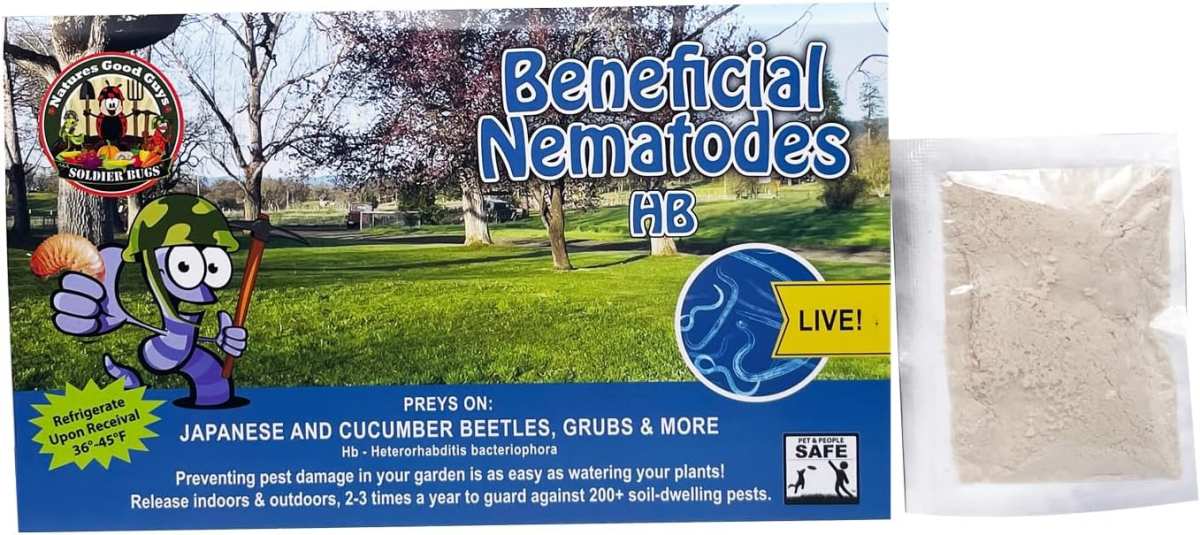
Image source: Bing (Web (fair-use with source credit))
Common Mistakes People Make
Even well-intentioned homeowners get this stuff wrong. Here are the most frequent missteps we see when people try to manage grubs and wildlife on their property.
Mistaking Possum Digging for Other Animals
Opossum digs are small, conical, and shallow, usually about two to four inches across. Skunk digs are similar but tend to be more rolled-back looking, like small patches of sod peeled up. Raccoon damage is much more destructive.
They'll tear up large sections of lawn, sometimes flipping over chunks of turf to get at grub clusters.
If you're seeing damage and trying to figure out who's responsible, look at the pattern and size of the digs. Opossums leave scattered, small holes. Skunks leave slightly larger, more irregular patches.
Raccoons leave a mess.
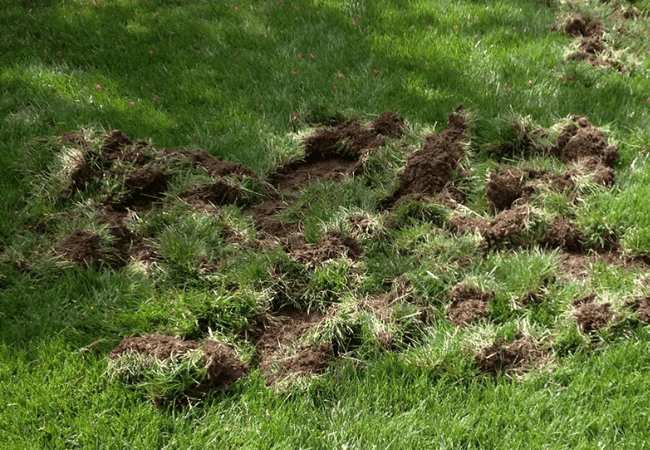
Image source: Bing (Web (fair-use with source credit))
Relying on Possums as Your Only Grub Solution
This is the big one. Opossums help, but they're not a treatment plan. If your grub population is high enough to cause visible lawn damage, you need to take direct action.
Waiting for opossums to show up and do the job is a recipe for a dead lawn.
Think of opossums as a supplement, not a solution. They're great for keeping mild populations in check. They're not great for rescuing a lawn that's already under siege.
Feeding Wildlife Intentionally
Some people, excited about the idea of natural pest control, start leaving food out for opossums. Don't do this. Intentionally feeding wildlife concentrates animals in a small area, increases the risk of disease transmission, attracts other less welcome animals like rats and raccoons, and can create nuisance behavior that leads to conflicts with neighbors.
If opossums are already passing through your yard and eating grubs, great. Let them do their thing on their own schedule. Don't try to turn your yard into a wildlife feeding station.
What to Do If Possums Are Already on Your Property
If opossums are already visiting your yard regularly, you've got two choices. You can learn to coexist, or you can gently encourage them to move along. Either approach works, as long as you do it safely and legally.
Making Your Yard Less Attractive
If you'd rather not have opossums around, the most effective approach is removing what draws them in:
- Secure trash cans with tight-fitting or locking lids
- Bring pet food indoors at night
- Clean up fallen fruit from trees and garden beds
- Remove brush piles and debris where opossums might den
- Block access to crawl spaces, decks, and sheds with hardware cloth or lattice
- Reduce outdoor lighting at night (less light means fewer insects, which means less foraging incentive)
Opossums are nomadic. If your yard stops offering easy food and shelter, they'll move on. It usually takes one to two weeks of consistent removal of attractants before they shift their route.
When to Call a Professional
If an opossum has gotten inside your home, garage, or attic, or if one is acting aggressively or appears sick, contact a licensed wildlife removal professional. Do not try to handle a sick or cornered opossum yourself.
Also check your local regulations. In many states, trapping and relocating opossums without a permit is illegal. Some states require that trapped animals be euthanized rather than relocated, due to disease control concerns.
Your state wildlife agency website will have the specific rules for your area.
Regional and Seasonal Factors
Not every part of the country has the same opossum and grub dynamics. Your location and the time of year both matter quite a bit.
Where This Matters Most
Virginia opossums are most common across the eastern and central United States, from the Atlantic coast through the Midwest and down into the Southeast. They're also established along the Pacific Coast, though populations are thinner in some areas.
Grub species vary by region too. Japanese beetles are the primary white grub pest across the Midwest and Northeast. European chafers dominate in parts of the Upper Midwest.
June beetles are more common in the South. The opossum's appetite doesn't change based on species, but the timing and severity of grub problems do.
If you're in the western Great Plains or the Mountain West, opossums aren't part of your local ecosystem, and you'll need to rely on other control methods entirely.
Timing: When Grubs Are Active
Grub populations are most vulnerable in late summer and early fall, typically August through September, when the larvae are small and actively feeding near the soil surface. This is also when opossum foraging activity tends to peak, since they're building fat reserves for winter.
If you're going to apply nematodes or insecticides, late summer is the window. If you're relying on opossums, this is when you'll see the most activity and the most benefit.
By late fall, grubs burrow deeper into the soil to overwinter, and opossum foraging for grubs drops off significantly. Come spring, grubs move back toward the surface and resume feeding on grass roots, but by then opossums are less active in many northern parts of their range.
Frequently Asked Questions
Do opossums eat grubs at night?
Yes, opossums are almost entirely nocturnal. They do their grub foraging after dark, typically between dusk and dawn. If you see small dig marks in your lawn but never spot the culprit, that's why.
Will opossums get rid of all the grubs in my lawn?
Probably not. They'll reduce grub numbers, but a heavy infestation usually requires additional treatment. Think of opossums as one layer of defense, not a complete solution.
Is it good to have opossums in your yard?
For most people, yes. They eat ticks, grubs, slugs, and other pests with minimal property impact. The main downsides are occasional lawn digging and the small risk of disease transmission from droppings.
What's the difference between opossum digging and skunk digging?
Opossum digs are smaller and more conical, about two to four inches across. Skunk digs tend to look like patches of sod that have been rolled or peeled back. Raccoon damage is much larger and more destructive.
Can I relocate an opossum from my property?
In many states, you need a wildlife permit to trap and relocate opossums. Some states prohibit relocation entirely. Check with your state wildlife agency before taking any action.
Do opossums carry rabies?
It's extremely rare. Opossums have a lower body temperature than most mammals, which makes it difficult for the rabies virus to survive in their bodies. Documented cases of rabies in opossums are uncommon.
Final Verdict: Should You Count on Possums for Grub Control?
Here's the honest answer. Opossums are a helpful piece of the puzzle, but they're not the whole picture. If you've got mild grub pressure and opossums are already passing through your yard, let them work.
They're free, they're effective enough for low-level problems, and they bring the bonus of tick control.
If your grub problem is moderate to severe, or if you're already seeing brown patches spreading across your lawn, you need to take direct action. Apply beneficial nematodes in late summer. Consider milky spore for long-term Japanese beetle control.
Use a targeted insecticide if the situation demands it.
The smartest approach is layered. Encourage the natural predators that already exist in your yard, treat when treatment is needed, and don't panic over a few dig marks in the lawn. Opossums aren't your enemy.
They're just one tool in a bigger toolbox, and knowing how to use them properly is what makes the difference between a healthy lawn and a frustrating season of damage.
Regional and Seasonal Factors
Not every part of the country has the same opossum and grub dynamics. Your location and the time of year both matter quite a bit.
Where This Matters Most
Virginia opossums are most common across the eastern and central United States, from the Atlantic coast through the Midwest and down into the Southeast. They're also established along the Pacific Coast, though populations are thinner in some areas.
Grub species vary by region too. Japanese beetles are the primary white grub pest across the Midwest and Northeast. European chafers dominate in parts of the Upper Midwest.
June beetles are more common in the South. The opossum's appetite doesn't change based on species, but the timing and severity of grub problems do.
If you're in the western Great Plains or the Mountain West, opossums aren't part of your local ecosystem, and you'll need to rely on other control methods entirely.
Timing: When Grubs Are Active
Grub populations are most vulnerable in late summer and early fall, typically August through September, when the larvae are small and actively feeding near the soil surface. This is also when opossum foraging activity tends to peak, since they're building fat reserves for winter.
If you're going to apply nematodes or insecticides, late summer is the window. If you're relying on opossums, this is when you'll see the most activity and the most benefit.
By late fall, grubs burrow deeper into the soil to overwinter, and opossum foraging for grubs drops off significantly. Come spring, grubs move back toward the surface and resume feeding on grass roots, but by then opossums are less active in many northern parts of their range.
Frequently Asked Questions
Do opossums eat grubs at night?
Yes, opossums are almost entirely nocturnal. They do their grub foraging after dark, typically between dusk and dawn. If you see small dig marks in your lawn but never spot the culprit, that's why.
Will opossums get rid of all the grubs in my lawn?
Probably not. They'll reduce grub numbers, but a heavy infestation usually requires additional treatment. Think of opossums as one layer of defense, not a complete solution.
Is it good to have opossums in your yard?
For most people, yes. They eat ticks, grubs, slugs, and other pests with minimal property impact. The main downsides are occasional lawn digging and the small risk of disease transmission from droppings.
What's the difference between opossum digging and skunk digging?
Opossum digs are smaller and more conical, about two to four inches across. Skunk digs tend to look like patches of sod that have been rolled or peeled back. Raccoon damage is much larger and more destructive.
Can I relocate an opossum from my property?
In many states, you need a wildlife permit to trap and relocate opossums. Some states prohibit relocation entirely. Check with your state wildlife agency before taking any action.
Do opossums carry rabies?
It's extremely rare. Opossums have a lower body temperature than most mammals, which makes it difficult for the rabies virus to survive in their bodies. Documented cases of rabies in opossums are uncommon.
Final Verdict: Should You Count on Possums for Grub Control?
Here's the honest answer. Opossums are a helpful piece of the puzzle, but they're not the whole picture. If you've got mild grub pressure and opossums are already passing through your yard, let them work.
They're free, they're effective enough for low-level problems, and they bring the bonus of tick control.
If your grub problem is moderate to severe, or if you're already seeing brown patches spreading across your lawn, you need to take direct action. Apply beneficial nematodes in late summer. Consider milky spore for long-term Japanese beetle control.
Use a targeted insecticide if the situation demands it.
The smartest approach is layered. Encourage the natural predators that already exist in your yard, treat when treatment is needed, and don't panic over a few dig marks in the lawn. Opossums aren't your enemy.
They're just one tool in a bigger toolbox, and knowing how to use them properly is what makes the difference between a healthy lawn and a frustrating season of damage.
Regional and Seasonal Factors
Your location and the time of year both shape how much opossums can actually help with grub problems. Not every region has the same dynamics.
Where This Matters Most
Virginia opossums dominate the eastern and central United States. They're also established along the Pacific Coast, though populations are thinner in some areas. If you're in the western Great Plains or the Mountain West, opossums likely aren't part of your local ecosystem.
Grub species vary by region too. Japanese beetles are the primary white grub pest across the Midwest and Northeast. European chafers dominate parts of the Upper Midwest.
June beetles are more common in the South. Opossums eat all of them, but the timing of peak grub activity shifts depending on where you live.
Timing: When Grubs Are Active
Grub populations are most vulnerable in late summer and early fall. That's when larvae are small and feeding near the soil surface. Opossum foraging activity peaks during this same window as they build fat reserves for winter.
By late fall, grubs burrow deeper to overwinter. Opossum foraging for grubs drops off significantly at that point. Come spring, grubs return to the surface, but opossums are less active in northern parts of their range during cooler months.
Frequently Asked Questions
Do opossums eat grubs at night?
Yes, opossums are almost entirely nocturnal. They do their grub foraging after dark, typically between dusk and dawn. If you see small dig marks in your lawn but never spot the culprit, that's why.
Will opossums get rid of all the grubs in my lawn?
Probably not. They'll reduce grub numbers, but a heavy infestation usually requires additional treatment. Think of opossums as one layer of defense, not a complete solution.
Is it good to have opossums in your yard?
For most people, yes. They eat ticks, grubs, slugs, and other pests with minimal property impact. The main downsides are occasional lawn digging and the small risk of disease transmission from droppings.
What's the difference between opossum digging and skunk digging?
Opossum digs are smaller and more conical, about two to four inches across. Skunk digs tend to look like patches of sod that have been rolled or peeled back. Raccoon damage is much larger and more destructive.
Can I relocate an opossum from my property?
In many states, you need a wildlife permit to trap and relocate opossums. Some states prohibit relocation entirely. Check with your state wildlife agency before taking any action.
Do opossums carry rabies?
It's extremely rare. Opossums have a lower body temperature than most mammals, which makes it difficult for the rabies virus to survive in their bodies. Documented cases of rabies in opossums are uncommon.
Final Verdict: Should You Count on Possums for Grub Control?
Opossums are a helpful piece of the puzzle, but they're not the whole picture. If you've got mild grub pressure and opossums are already passing through your yard, let them work. They're free, they're effective enough for low-level problems, and they bring the bonus of tick control.
If your grub problem is moderate to severe, or if you're already seeing brown patches spreading across your lawn, you need to take direct action. Apply beneficial nematodes in late summer. Consider milky spore for long-term Japanese beetle control.
Use a targeted insecticide if the situation demands it.
The smartest approach is layered. Encourage the natural predators that already exist in your yard, treat when treatment is needed, and don't panic over a few dig marks in the lawn. Opossums aren't your enemy.
They're just one tool in a bigger toolbox, and knowing how to use them properly is what makes the difference between a healthy lawn and a frustrating season of damage.