do raccoons eat grubs? Absolutely. They're one of the most effective natural grub predators you'll ever see tearing through your lawn at night.
If you've woken up to patches of rolled‑back sod and shallow holes scattered across your turf, there's a solid chance a raccoon stopped by for a protein‑rich meal while you were asleep.
Raccoons target white grubs, the C‑shaped larvae of beetles like Japanese beetles and European chafers. A single raccoon can flip over dozens of square feet of sod in one night searching for these larvae. The problem is that they often cause more visible lawn damage than the grubs themselves, especially if grub numbers are low.
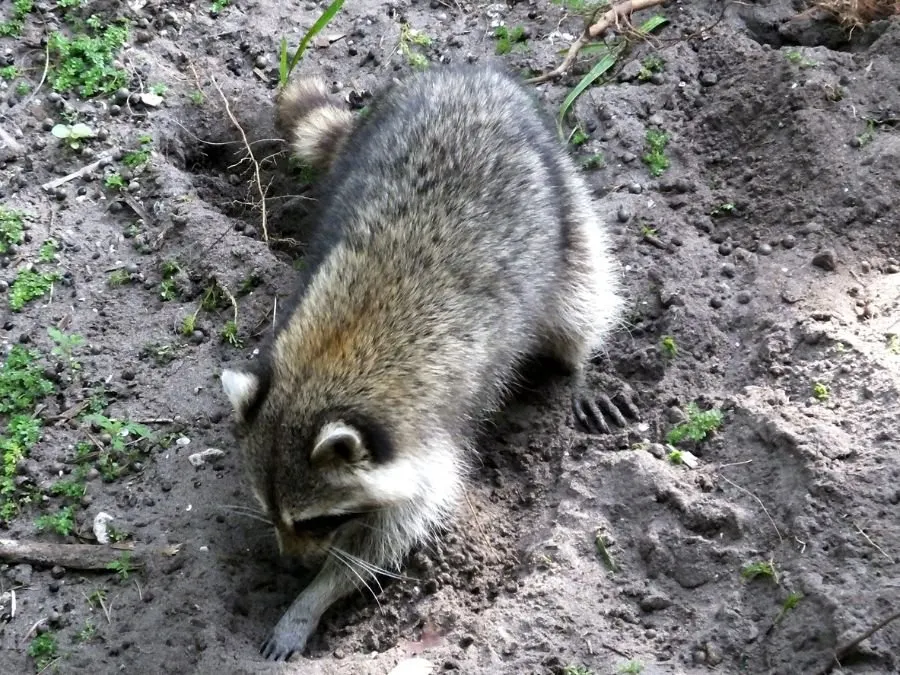
Image source: Bing (Web (fair-use with source credit))
Quick Answer
Yes, raccoons eat grubs. They dig for white grubs in lawns at night. They prefer soft‑bodied larvae like Japanese beetle and European chafer grubs.
They can damage turf more than the grubs do. They also eat many other foods, so grubs are just one option.
What's Actually Happening When Raccoons Dig
Raccoons are opportunistic omnivores, and grubs are a high‑value food source packed with protein and fat. When a raccoon finds a grub‑infested lawn, it uses its front paws to peel back sections of sod, usually in a rough, shallow pattern. The digging is rarely deep.
Most of the action happens in the top inch or two of soil where grubs feed on grass roots.
You'll typically see this activity at night. Raccoons are primarily nocturnal, and they rely heavily on touch rather than sight when foraging. Their front paws are incredibly dexterous, almost hand‑like, which lets them manipulate sod and soil with surprising precision.
If you spot damage in the morning, the raccoon has usually moved on by then.
The pattern matters. Raccoon digging tends to look like someone took a shovel and flipped over irregular patches of turf. The sod is often still attached on one side, peeled back like a carpet.
This is different from the neat, cone‑shaped holes skunks leave behind.
Why Grubs Show Up on a Raccoon's Menu
Grubs are calorie‑dense and easy to find in large numbers when they're present. A single square foot of heavily infested lawn can contain dozens of larvae, making it an efficient feeding ground. Raccoons don't need to work hard to get a substantial meal.
But grubs aren't the only thing raccoons eat. They'll also go after earthworms, insects, fruit, pet food, garbage, and pretty much anything else available. Grubs become a primary target when they're abundant and accessible, typically in late summer and early fall when larvae are large and close to the surface.
When Grubs Are Most Attractive to Raccoons
Timing plays a big role. Grubs are most vulnerable to raccoon predation from late July through October in most temperate regions. That's when the larvae are in their later growth stages, larger in size, and feeding actively near the soil surface.
Smaller, younger grubs earlier in the season are harder to detect and less rewarding.
Spring can also bring raccoon activity, but it's usually less intense. Overwintered grubs move back toward the surface as soil temperatures rise, but they're often deeper and more scattered than in fall. Raccoons may still dig, but the damage tends to be lighter.
What Kind of Grubs They Target
Raccoons aren't picky, but they do show preferences based on availability and ease of access. The most common species they go after include:
- Japanese beetle grubs, widespread in eastern North America, found in lawns and turf
- European chafer grubs, common in the Northeast and Midwest, often in large numbers
- June beetle (Phyllophaga) grubs, found across much of the US, with a longer life cycle
- Green June beetle grubs, larger and more active, sometimes found crawling on the surface
All of these are scarab beetle larvae, and all share the characteristic C‑shaped body that makes them easy to identify when you peel back the sod.
How to Tell Raccoon Grubbing Apart from Other Damage

Image source: Wikimedia Commons / Сарапулов (CC BY)
Not every hole in your lawn is from raccoons. Skunks, armadillos, birds, and even squirrels can cause similar disruption. Knowing what you're dealing with helps you respond correctly.
Raccoon Damage vs. Skunk Damage vs. Grub Damage Alone
Here's a quick comparison to help you identify the culprit:
| Sign | Raccoon | Skunk | Grub Damage (No Animal) |
|---|---|---|---|
| Pattern | Irregular peeled‑back sod patches | Small cone‑shaped holes, 1‑3 inches wide | Brown, spongy turf that pulls up easily |
| Depth | Shallow, top 1‑2 inches | Slightly deeper, probing holes | No holes, just dead or dying grass |
| Timing | Nighttime activity | Nighttime activity | Progressive browning over weeks |
| Additional signs | Larger paw prints, possible droppings | Faint musky odor | Grubs visible in soil when you dig |
Signs You're Dealing With Raccoons Specifically
Look for these telltale indicators. Raccoon paw prints are distinctive, with five toes and visible claw marks. The prints are roughly 2 to 3 inches wide.
You might also notice droppings nearby, which are often tubular and may contain visible insect parts or seeds.
Another clue is the extent of the damage. Raccoons tend to cover more ground in a single night than skunks do. If you're seeing widespread disruption across a large section of lawn, raccoons are the more likely suspect.
The Real Risks of Letting Raccoons Grub in Your Yard
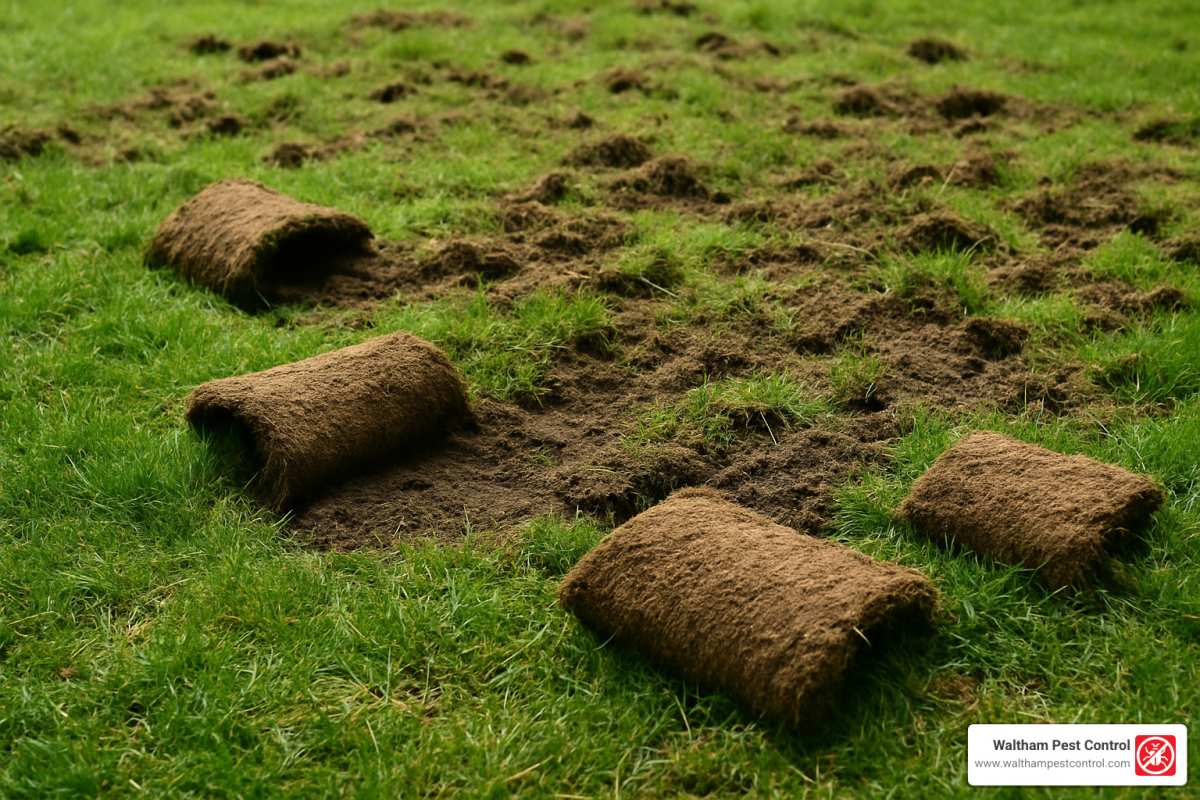
Image source: Bing (Web (fair-use with source credit))
While it might seem convenient to let raccoons handle your grub problem, there are real downsides to allowing this behavior to continue unchecked.
Lawn and Turf Damage Beyond the Grub Problem
Raccoons can destroy a lawn faster than grubs do. A single night of heavy feeding can leave your yard looking like it's been rototilled. The peeled‑back sod often dries out and dies if it's not pressed back down quickly.
Over time, repeated visits create bare patches that invite weeds and erosion.
If grub numbers are actually low, the raccoon is doing more harm than good. You're trading a minor pest issue for significant turf damage. That's not a trade most homeowners want to make.
Disease Exposure and Safety Concerns
Raccoons carry several diseases that can affect humans and pets. Raccoon roundworm (Baylisascaris procyonis) is a particular concern. The eggs are shed in raccoon feces and can survive in soil for years.
If you're handling contaminated soil or cleaning up after raccoons, there's a risk of accidental ingestion.
Leptospirosis is another concern. It's a bacterial infection spread through raccoon urine, and it can contaminate soil and standing water. Dogs are especially vulnerable if they spend time in areas where raccoons are active.
The Flow-Through Problem: Attracting More Raccoons
Once raccoons find a reliable food source, they tend to return. They also communicate feeding locations to other raccoons through scent marking. What starts as one visitor can quickly become a regular nightly rotation.
The more they visit, the more damage accumulates, and the harder it becomes to break the cycle.
When Grub-Eating Raccoons Actually Help
There are situations where raccoon grub predation is genuinely beneficial. If you have a heavy grub infestation, say 10 or more grubs per square foot, raccoons can knock back the population significantly without any chemical intervention. In these cases, the grub damage would likely be worse than the raccoon damage.
Some homeowners in rural or suburban areas with large properties tolerate occasional raccoon visits as part of a broader integrated pest management approach. If the lawn is otherwise healthy and can recover from minor digging, letting nature handle the grubs can reduce pesticide use.
The key is knowing your grub threshold. Extension services generally recommend treatment when grub counts exceed about 5 to 10 per square foot, depending on the species and turf health. If you're below that threshold and raccoons show up, it's worth monitoring the situation before taking action.
Safe, Practical Fixes That Work
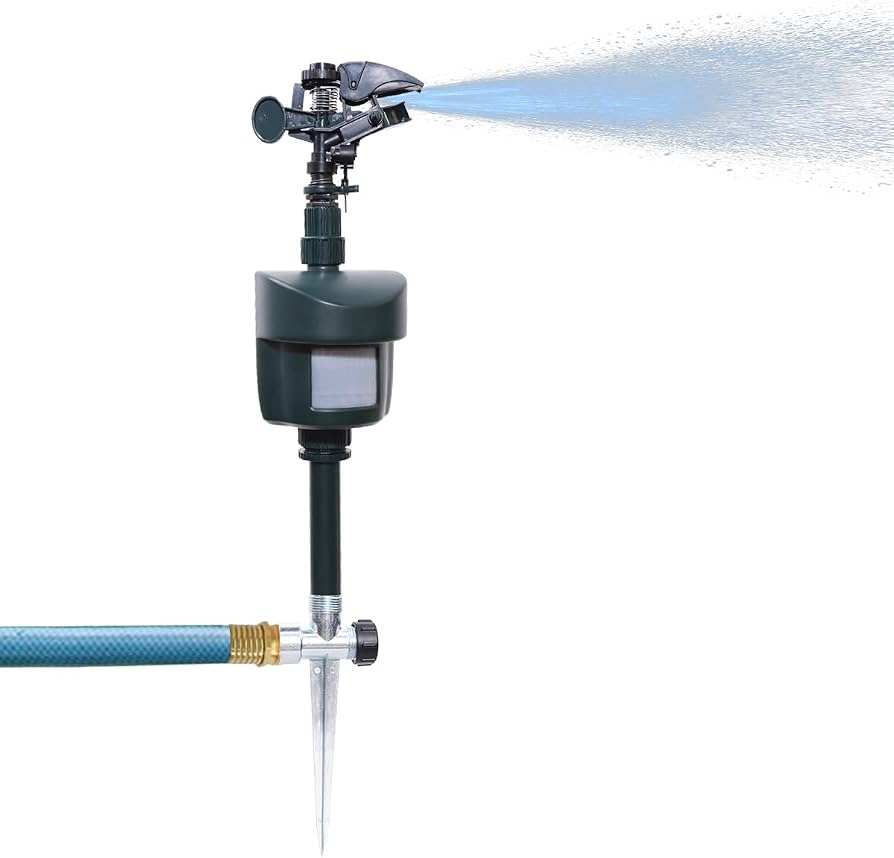
Image source: Bing (Web (fair-use with source credit))
If raccoon damage is becoming a problem, there are several effective approaches that don't involve harmful chemicals or inhumane methods.
Deterrence Without Harm
Motion‑activated sprinklers are one of the most effective deterrents. They startle raccoons with a burst of water, and most raccoons quickly learn to avoid the area. Ultrasonic repellents have mixed results according to aggregate reviews, so they're not a reliable standalone solution.
Fencing works for small, high‑value areas like vegetable gardens or newly seeded lawns. A simple chicken wire barrier laid flat on the ground can prevent raccoons from digging. For larger areas, temporary electric fencing is an option, though it requires more setup.
Removing other food sources is critical. Secure garbage cans, bring in pet food at night, and clean up fallen fruit. Raccoons are attracted to easy meals, and if your yard offers multiple options, they'll keep coming back.
Handling Grubs Directly (If Needed)
If grub numbers are high enough to warrant treatment, biological controls are a good first step. Entomopathogenic nematodes (Heterorhabditis bacteriophora) are microscopic worms that parasitize grubs and can be applied to affected areas. They're safe for humans, pets, and beneficial insects.
Milky spore disease (Paenibacillus popilliae) is another biological option, specifically targeting Japanese beetle grubs. It takes longer to establish but can provide long‑term control in suitable climates.
Chemical insecticides like chlorantraniliprole are effective but should be used as a last resort. Always follow label instructions carefully and consider the impact on non‑target organisms, including the beneficial insects in your yard.
Timing Matters More Than You'd Think
If you're using nematodes or other biological controls, timing is everything. Late summer to early fall, when grubs are small and actively feeding near the surface, is the ideal window. Applications made in spring are often less effective because grubs are larger and may have already caused significant root damage.
For chemical treatments, follow the same general timing. Products applied too early or too late in the season won't reach grubs when they're most vulnerable.
What Not to Do When You Spot a Raccoon Out Digging
There are several common mistakes that can make the situation worse. Avoid these approaches:
- Don't attempt to handle or corner a raccoon. They can be aggressive when threatened, and there's a risk of bites and disease transmission.
- Don't use poison or lethal traps without checking local regulations. Many areas have strict rules about raccoon removal, and improper handling can result in fines.
- Don't ignore the underlying grub problem. Even if you deter the raccoons, grubs will continue damaging your lawn if left untreated.
- Don't leave pet food or garbage accessible overnight. This compounds the problem by giving raccoons additional reasons to visit.
When to Call a Professional
If raccoon activity is persistent, if you suspect a den is established on your property, or if there are signs of illness or unusual behavior, it's time to contact a licensed wildlife control professional. They can assess the situation, recommend appropriate removal or deterrence strategies, and ensure compliance with local regulations.
Professionals can also help identify entry points if raccoons are getting into attics, crawl spaces, or outbuildings. Raccoons that are comfortable foraging in your yard may eventually seek shelter in your home.
Raccoons and Grubs: Handling It the Right Way
Raccoons eating grubs is a natural interaction, but it doesn't have to mean destroyed lawns or safety risks. Understanding what's happening, identifying the damage correctly, and taking targeted action gives you the best outcome. Address the grub problem directly if it's severe, deter raccoons humanely when necessary, and always prioritize safety for your family and pets.
Frequently Asked Questions
Do raccoons eat grubs year‑round?
Raccoons eat grubs most actively in late summer and early fall when larvae are large and close to the surface. Spring activity is possible but usually less intense because grubs are deeper and smaller.
How do I know if raccoons or skunks are digging up my lawn?
Raccoons leave irregular patches of peeled‑back sod, while skunks create small, cone‑shaped holes. Raccoon damage covers more ground and looks like flipped carpet sections.
Will raccoons get rid of all the grubs in my yard?
Raccoons can significantly reduce grub populations, but they rarely eliminate every larva. Heavy infestations may still require additional treatment.
Is it safe to let raccoons eat grubs in my yard?
It carries some risk. Raccoons can spread diseases like roundworm and leptospirosis, and they may cause more lawn damage than the grubs themselves.
What's the best way to stop raccoons from digging?
Motion‑activated sprinklers are highly effective. Removing other food sources like pet food and garbage also reduces raccoon visits significantly.
Can I use pesticides and still have raccoons eat grubs?
Chemical pesticides reduce grub populations, which removes the food source that attracts raccoons. Biological controls like nematodes are compatible with natural predation.
What Other Animals Also Eat Grubs?
Raccoons aren't the only wildlife that target grubs. Skunks are probably the second most common culprit in residential areas. They use their long front claws to probe into the soil, leaving behind those characteristic small, cone‑shaped holes.
Armadillos cause similar damage in southern states. They dig larger, deeper holes and can tear up significant sections of lawn overnight. Birds like starlings, grubs, and blackbirds also feed on grubs, but they tend to leave behind simpler pecking marks rather than extensive digging.
Moles eat grubs too, but they're after earthworms more often than insects. Raised ridges of soil across your yard are a better indicator of mole activity than actual grub predation.
How Do I Check if I Actually Have Grubs?
You can't manage what you haven't measured. The simplest way to check for grubs is to cut a 1‑foot square of turf and peel it back. Count the grubs you find in the top 2 inches of soil.
Repeat this in several spots around your yard.
If you're finding fewer than 5 grubs per square foot, treatment usually isn't necessary. Healthy turf can tolerate light feeding without visible5 and 10 grubs per square foot, you're in a gray zone where monitoring makes sense. Above 10 per square foot, active treatment is worth considering.
Spring sampling is less reliable because grubs have either pupated or moved deeper. Late August through September gives you the most accurate picture.
Can I Make My Yard Less Attractive to Grabs and Raccoons at the Same Time?
Absolutely. The most effective approach addresses both problems simultaneously. Reduce the grub population with biological controls and remove the other incentives that draw raccoons in.
Here's a practical checklist:
- Treat grubs with nematodes in late summer if counts exceed 10 per square foot
- Secure all garbage cans with tight‑fitting lids or bungee cords
- Bring pet food indoors at night, every single night
- Clean up fallen fruit from trees and berry bushes promptly
- Block access to crawl spaces and sheds with hardware cloth or plywood
- Use motion‑activated lights to discourage nighttime foraging
Each of these steps removes a reason for raccoons to visit. Combined, they make your yard far less appealing as a feeding ground.
What Time of Year Is Worst for Raccoon Grubbing?
Late summer through early fall is peak activity. August and September are typically the worst months across most of the United States. That's when grubs are in their later instar stages, large enough to be worth the effort for a raccoon.
Spring brings a secondary wave of activity as soil temperatures rise and overwintered grubs move back toward the surface. This damage is usually less dramatic but can still affect newly germinated grass seed.
Winter is generally quiet in colder climates. Raccoons don't hibernate, but they do reduce their activity significantly during cold snaps. In milder southern states, winter grubbing can still occur if temperatures stay above freezing.
Should I Worry About Raccoons If I Have a Grub‑Free Lawn?
If you don't have grubs, raccoons still might show up, but they're less likely to dig extensively. They'll investigate briefly, find nothing worth eating, and move on. The real damage happens when grubs are present in sufficient numbers to reward effort.
That said, raccoons might still raid unsecured garbage cans, compost piles, or pet food bowls regardless of grub presence. Grub control handles one part of the equation, but general raccoon‑proofing matters too.
Long‑Term Lawn Health and Grub Prevention
Healthy turf is more resilient to both grub damage and the secondary digging that follows. Deep, infrequent watering encourages deeper root growth, which helps grass survive light grub feeding. Mowing at the recommended height for your grass type, usually 3 to 4 inches for cool‑season lawns, also improves resilience.
Over‑fertilization, especially with high‑nitrogen products in midsummer, can actually attract egg‑laying beetles. They prefer moist, actively growing turf for egg laying. A balanced fertilization schedule based on soil test results is a better approach.
Aeration helps too. Compacted soil holds moisture near the surface, which grubs prefer. Core aeration improves drainage and makes the upper soil profile less hospitable for egg survival.
Final Recommendation
If you're dealing with raccoons digging for grubs in your yard, start by confirming the actual grub population. Sample your lawn in late summer and base your response on what you find. For heavy infestations, use biological controls like nematodes before considering chemical options.
For raccoon deterrence, motion‑activated sprinklers combined with food source removal solve most problems within a couple of weeks. Avoid direct contact with raccoons and their waste. Call a professional if activity persists or if you suspect denning on your property.
The goal isn't to eliminate raccoons from your neighborhood. It's to make your yard one of the least convenient places for them to feed, so they take their grub‑hunting efforts somewhere else.