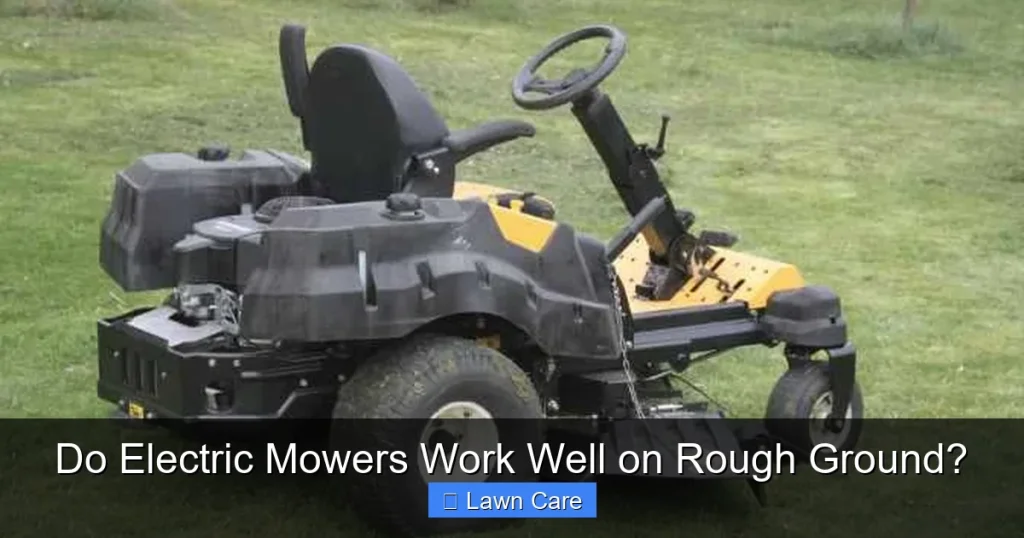
Electric mowers can work well on rough ground, but their success depends on the model and terrain type. Lightweight electric mowers struggle on steep slopes and rocky surfaces, while self-propelled, rugged electric models handle uneven ground much better than older corded designs.
Key Takeaways
- Electric mowers vary in performance on rough ground: Not all electric mowers are built the same. Some are designed with rugged features like self-propelled systems and wide cutting decks, making them far more capable on uneven terrain.
- Steep slopes require caution: Most electric mowers are not rated for slopes over 15–20 degrees. Going beyond that increases the risk of tipping and reduces cutting efficiency.
- Self-propelled models perform better: Look for electric mowers with self-propelled technology—they make mowing on hills and rough ground much easier by automatically adjusting speed to terrain changes.
- Wheel design matters: Mowers with larger rear wheels and all-terrain tires provide better traction and stability on bumpy or sloped lawns.
- Weight and power affect performance: Heavier electric mowers with higher torque are more likely to cut through thick grass on rough ground without stalling.
- Corded models have limitations: Unless you have an ultra-short extension cord, corded electric mowers are impractical for large or uneven lawns due to cord management issues.
- Consider hybrid or gas mowers for extreme terrain: For very steep, rocky, or large properties, a gas-powered mower may still be the most reliable choice.
Quick Answers to Common Questions
Can electric mowers go up steep hills?
Yes, but only if the model is rated for the slope. Most self-propelled electric mowers can handle hills up to 20 degrees. Always check the manufacturer’s slope rating before mowing.
Do self-propelled electric mowers work on bumpy ground?
Absolutely. Self-propelled electric mowers are designed to maintain consistent speed on uneven terrain, making them much easier to control on bumps and slopes.
Are corded electric mowers bad for rough ground?
Most corded models aren’t ideal for large or uneven lawns. The extension cord can be a tripping hazard and limits movement. Battery-powered models are better for rough ground.
What’s the best electric mower for hills?
Mowers like the EGO Power+ ST183SP or Toro 60V Self-Propelled are excellent for hills. Look for self-propelled, high-torque models with good slope ratings.
Can electric mowers handle rocks?
Some can, especially models with high ground clearance and rugged decks. But always inspect the area first. Large rocks can damage the mower or cause it to tip.
📑 Table of Contents
- Do Electric Mowers Work Well on Rough Ground?
- Understanding Electric Mower Types
- Can Electric Mowers Handle Slopes?
- Self-Propelled Electric Mowers: A Game Changer
- Electric Mowers on Rocky or Uneven Terrain
- Limitations of Electric Mowers on Rough Ground
- When to Choose a Gas Mower Instead
- Tips for Maintaining Your Electric Mower on Rough Ground
Do Electric Mowers Work Well on Rough Ground?
Let’s be honest—your lawn might not always be a perfect, flat carpet. Maybe you’ve got a gentle slope leading down to the creek, a patch of rocky soil near the garden, or a backyard that slopes sharply toward the driveway. If you’re considering an electric mower for these tricky areas, you’re probably wondering: Do electric mowers work well on rough ground?
Electric mowers have come a long way in the last decade. Once seen as limited to small, flat lawns, today’s models are more powerful, versatile, and terrain-friendly than ever. But not all electric mowers are created equal. Some are built tough for hills and bumps, while others struggle with the slightest incline. So, the short answer? Yes, some electric mowers work very well on rough ground—but only if you choose the right model.
In this article, we’ll break down everything you need to know about using electric mowers on uneven terrain. We’ll cover what to look for in a mower that can handle slopes, how self-propelled systems make a big difference, and when it might be smarter to stick with gas. By the end, you’ll know exactly which electric mowers can handle your rough ground—and which ones should stay in the flat yard.
Understanding Electric Mower Types
What Are the Main Types of Electric Mowers?
Before diving into rough ground performance, it’s important to understand the different types of electric mowers available. Each has strengths and weaknesses, especially when it comes to handling uneven terrain.
Visual guide about Do Electric Mowers Work Well on Rough Ground?
Image source: pennycallingpenny.com
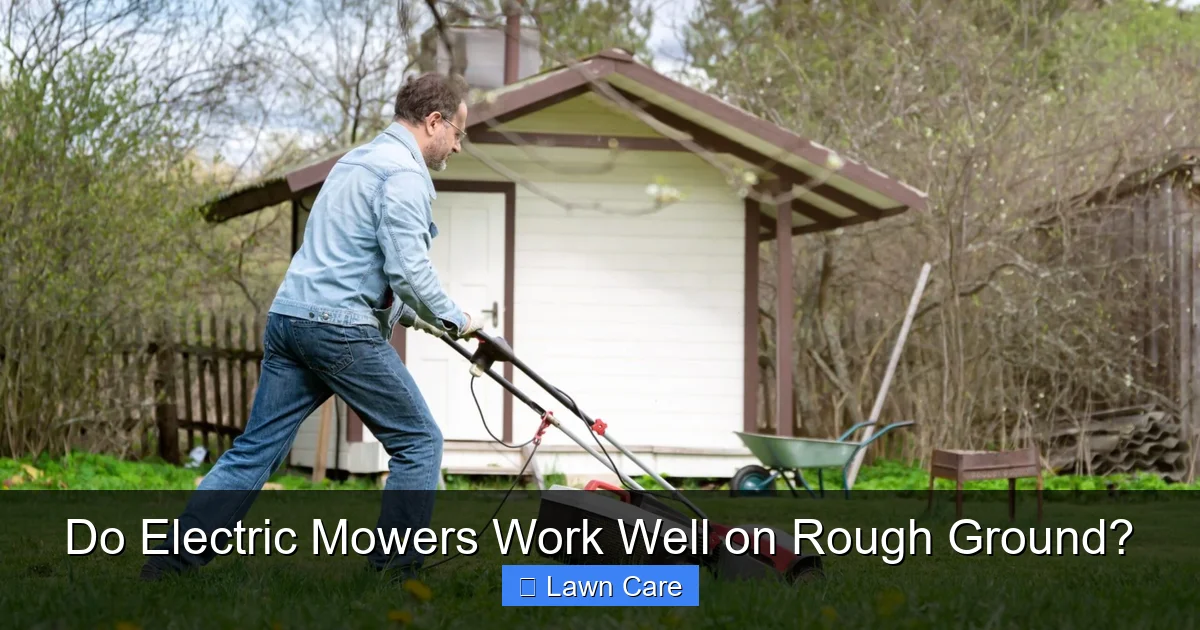
- Corded Electric Mowers: These run on a direct power source via an extension cord. They offer consistent power but are limited by cord length—usually only practical for small, flat yards.
- Battery-Powered Electric Mowers: These use rechargeable lithium-ion batteries and offer full yard freedom. Most modern models have 45–90 minutes of runtime, depending on grass height and terrain.
- Self-Propelled Electric Mowers: A subset of battery-powered models, these automatically move forward at a set speed, reducing user effort on hills and rough ground.
For rough ground, battery-powered self-propelled mowers are generally the best bet. They combine the convenience of cordless operation with the mechanical advantage of self-propulsion, making them far more capable than older corded or manually pushed models.
How Electric Mowers Differ from Gas Mowers
Gas mowers have long been the go-to for large, hilly, or rough lawns. But electric mowers have closed the gap significantly. Here’s how they compare in rough terrain:
- Power and Torque: Gas mowers typically have more raw power, which helps on steep slopes and thick grass. However, many modern electric mowers now rival gas engines in torque and cutting performance.
- Weight: Gas mowers are usually heavier, which can improve stability on slopes. Electric mowers vary—some are lighter, which can be a pro on flat ground but a con on hills.
- Maneuverability: Electric mowers often have better low-end torque and instant response, making them easier to control on uneven ground.
- Maintenance: Electric mowers require no oil changes, fuel mixing, or carburetor cleaning—ideal for homeowners who want simplicity.
For more details on the pros and cons of electric vs. gas mowers, check out our article: The Pros And Cons Of Electric Vs Gas Lawn Mowers.
Can Electric Mowers Handle Slopes?
Understanding Slope Ratings
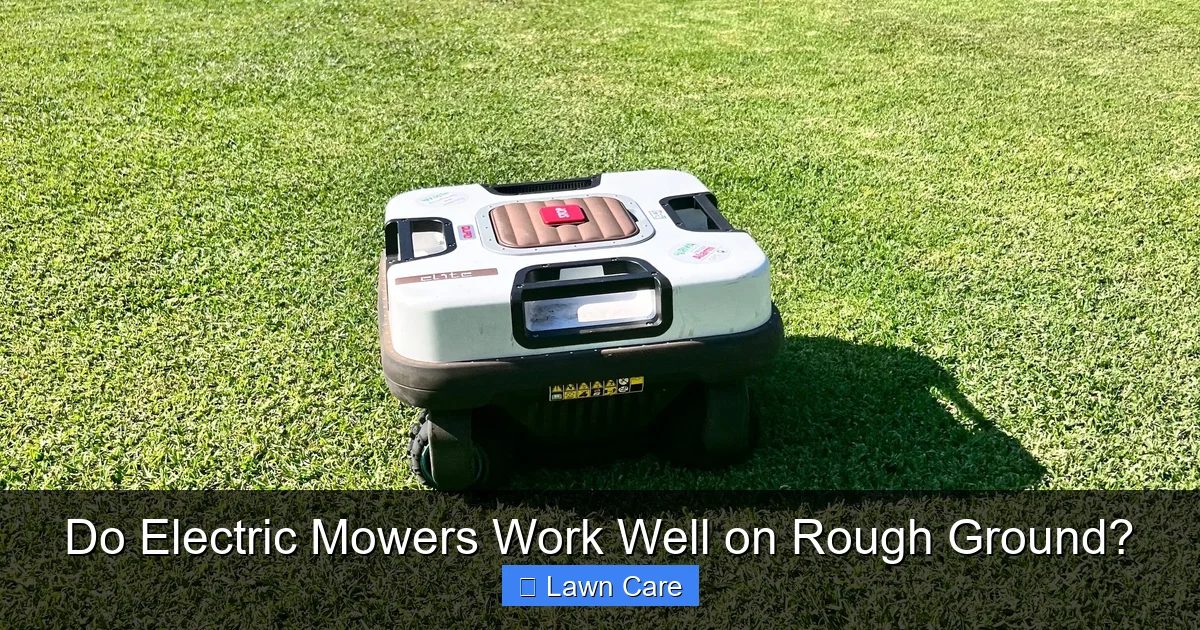
Manufacturers provide slope ratings for lawn mowers, typically measured in degrees or percentages. For example, a 20-degree slope is roughly 36% grade. Most electric mowers are rated for slopes between 15 and 25 degrees, depending on the model.
Visual guide about Do Electric Mowers Work Well on Rough Ground?
Image source: robotmowersaustralia.com.au
If your lawn has a slope steeper than the mower’s rating, you risk:
- Reduced cutting performance
- Increased chance of the mower tipping backward
- Difficulty controlling the mower
For steep slopes, consider a mower specifically designed for hills. Some brands, like Toro and Husqvarna, offer models with reinforced frames and better weight distribution for hilly terrain.
Tips for Mowing on Slopes
If you’re using an electric mower on a slope, follow these best practices:
- Push uphill, not down: Always mow from high to low to reduce strain and maintain control.
- Use self-propelled models: These handle slope changes automatically, reducing user effort.
- Slow down: Even with self-propulsion, take your time on inclines.
- Check the slope rating first: Don’t assume all electric mowers are the same. Always verify the manufacturer’s specs.
For more tips on avoiding scalping and maintaining even cuts on uneven ground, see: How To Avoid Mower Scalping On Uneven Ground.
Self-Propelled Electric Mowers: A Game Changer
How Self-Propelled Technology Works
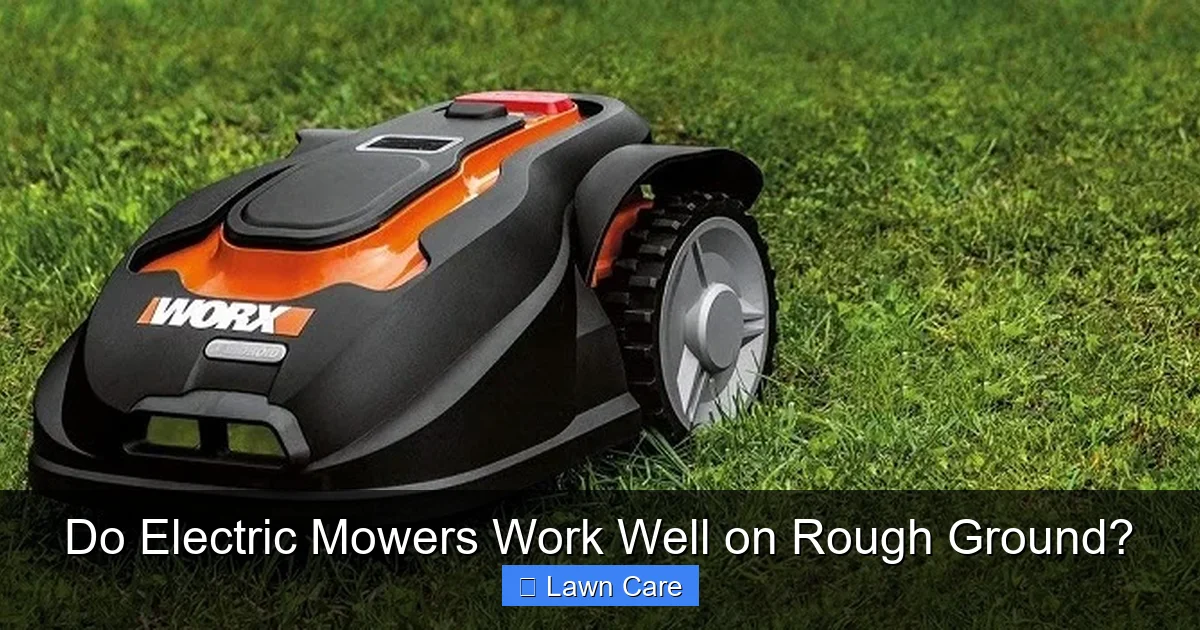
Self-propelled electric mowers automatically move forward at a set speed, usually adjustable via a lever or dial. This feature is especially helpful on rough ground because:
Visual guide about Do Electric Mowers Work Well on Rough Ground?
Image source: smartsmartersmartest.com
- It reduces physical effort on hills
- It maintains consistent speed across bumps and slopes
- It improves control and safety
Models like the Toro PowerMax or EGO Power+ ST183SP are excellent examples of self-propelled electric mowers designed for hilly and uneven lawns.
Benefits of Self-Propelled Mowers on Rough Ground
- Better traction: The motor adjusts power to maintain grip on uneven surfaces.
- Reduced fatigue: You won’t get as tired mowing uphill or over rocks.
- Even cutting: Consistent speed means fewer missed spots and scalped grass.
If you have a moderately hilly yard, a self-propelled electric mower could save you time and frustration.
Electric Mowers on Rocky or Uneven Terrain
Challenges of Rocky Ground
Rocky or bumpy terrain presents unique challenges for any mower—electric or gas. Rocks can:
- Damage the cutting deck
- Get caught in the wheels
- Cause the mower to tip or stall
Electric mowers with high ground clearance and reinforced decks are better suited for rocky areas. Look for models with:
- Larger rear wheels to roll over obstacles
- Sturdy, impact-resistant decks
- Adjustable cutting heights to avoid rocks
Best Electric Mowers for Rough Terrain
Here are some top-rated electric mowers known for handling rough ground:
- EGO Power+ ST183SP: 18-inch, self-propelled, 7.5 Ah battery, excellent for slopes up to 20 degrees.
- Toro 60V Max 21-Inch Self-Propelled Mower: Rugged build, self-propelled, great for hilly lawns.
- Greenworks 80V 21-Inch Self-Propelled Mower: High voltage, strong torque, handles bumps well.
These models are more expensive than basic electric mowers, but the investment pays off in durability and performance.
Limitations of Electric Mowers on Rough Ground
Weight and Stability
One downside of many electric mowers is their lighter weight. While this helps on flat ground, it can make them less stable on slopes. A lighter mower is more likely to tip backward on a steep incline, especially if the user pushes too hard.
To improve stability:
- Choose a heavier model if possible
- Distribute weight evenly
- Avoid sudden movements on slopes
Battery Life and Performance
On rough ground, electric mowers draw more power due to increased resistance. This can reduce battery life. For example, a mower that lasts 60 minutes on flat ground might only last 40 minutes on hills.
To manage battery life:
- Start with a fully charged battery
- Work in smaller sections
- Consider a second battery for larger yards
For tips on battery charging and runtime, check: How Long Do Electric Lawn Mower Batteries Take To Charge.
When to Choose a Gas Mower Instead
Signs You Might Need a Gas Mower
While electric mowers have improved, there are still situations where a gas mower is the better choice:
- Very steep slopes (over 25 degrees)
- Extremely rocky or uneven terrain
- Large lawns with no nearby outlets
- Thick, tall grass that resists cutting
If your lawn has multiple steep sections or frequent obstacles, a gas mower with a self-propelled or riding model might be more reliable.
Comparing Electric vs. Gas for Rough Ground
Here’s a quick comparison:
| Feature | Electric Mower | Gas Mower |
|---|---|---|
| Power on slopes | Good (if self-propelled) | Excellent |
| Weight | Lighter (can tip) | Heavier (more stable) |
| Maintenance | Low | Higher |
| Noise | Quieter | Louder |
| Initial cost | Higher (battery included) | Lower |
For more on this comparison, read: Electric Vs Gas Lawn Mowers 2.
Tips for Maintaining Your Electric Mower on Rough Ground
Regular Maintenance Is Key
Even the best electric mower will struggle if not maintained. Here’s how to keep yours performing well on rough ground:
- Clean the deck after each use to remove grass and debris
- Check the wheels for damage or obstructions
- Lubricate moving parts as recommended
- Store the battery properly to maintain lifespan
Blade Sharpness Matters
Dull blades tear grass instead of cutting it cleanly. On rough ground, torn grass is more likely to scalp or damage the lawn. Sharpen your blades every 20–25 hours of use.
Adjust Cutting Height
On uneven ground, use a higher cutting height to avoid rocks and reduce strain on the mower. A taller blade also helps prevent scalping.
Frequently Asked Questions
Are electric mowers safe on steep slopes?
They can be safe if rated for the slope and used properly. Always mow uphill, avoid pushing too hard, and choose a self-propelled model for best results.
How do I know if my electric mower can handle hills?
Check the manufacturer’s slope rating—usually listed in degrees or percentages. Models with self-propulsion and higher torque are better for hills.
Can I use a regular electric mower on a hilly lawn?
Not always. Regular push mowers lack the power and stability for hills. A self-propelled electric mower is a better choice for uneven terrain.
Do electric mowers tip over on slopes?
Yes, especially if they’re lightweight or the slope exceeds the mower’s rating. Heavier models and proper mowing technique reduce the risk.
Should I buy a gas or electric mower for rough ground?
It depends. Electric mowers work well for moderate hills and bumps if self-propelled. For very steep or rocky terrain, a gas mower may be more reliable.
How can I improve my electric mower’s performance on rough ground?
Use a self-propelled model, keep blades sharp, adjust cutting height, and maintain the mower regularly. Also, choose a mower with good traction and stability features.