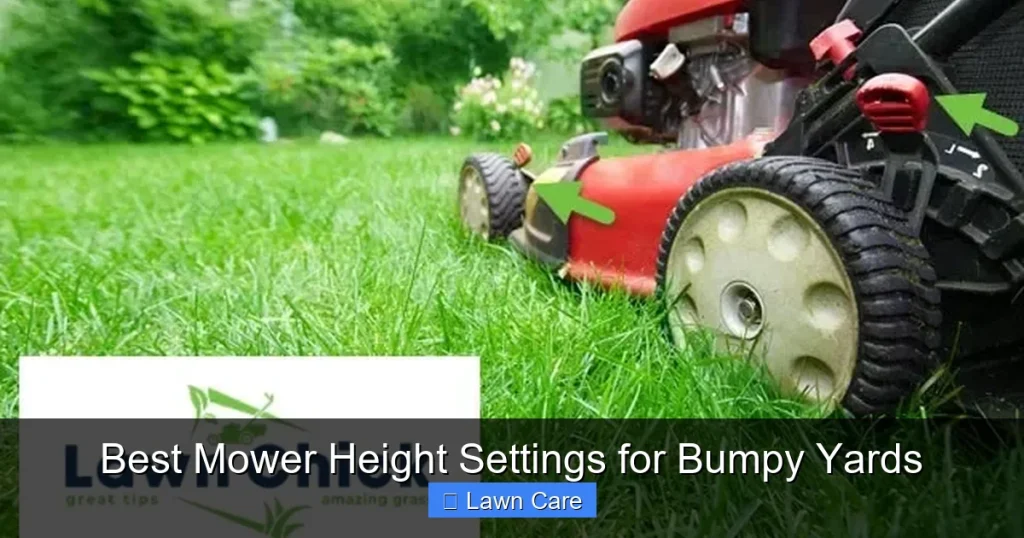
Finding the right mower height for bumpy yards is essential to avoid scalping and promote healthy grass growth. Adjusting your mower deck to a slightly higher setting helps maintain even cuts and reduces stress on your lawn. This guide covers grass types, mower types, and practical tips to keep your bumpy yard looking its best.
Mowing a bumpy yard isn’t just about aesthetics—it’s about lawn health. Uneven terrain can make it tricky to maintain a consistent cut, especially if you’re using a standard push mower. The good news? With the right mower height settings, you can turn those bumps into an advantage rather than a challenge. Whether your yard has rolling hills, rocky patches, or sunken areas, adjusting your mower correctly ensures your grass stays thick, green, and resilient.
Many homeowners overlook how much the ground’s elevation affects mower performance. A blade that’s too low can scalp grass on the low spots while leaving tall clumps on the high points. Over time, this imbalance weakens the lawn and invites weeds. But when you set the right mower height for bumpy yards, you create a more uniform surface that supports deeper roots and better water absorption.
Let’s break down everything you need to know—from grass types to mower models—so your bumpy yard looks its best all season long.
Key Takeaways
- Higher mowing heights are better: Set your mower 1–2 inches higher than usual to prevent scalping on uneven ground.
- Match height to grass type: Bermuda and St. Augustine grass tolerate higher cuts, while Kentucky bluegrass prefers lower heights.
- Use a mower with adjustable deck: A deck that can be raised helps maintain consistent cutting height across bumps and dips.
- Consider mower type: Riding mowers with floatation decks work best for bumpy yards; push mowers may struggle on rough terrain.
- Inspect terrain before mowing: Avoid mowing after heavy rain when the ground is too soft, which can damage grass and mower tires.
- Maintain sharp blades: Dull blades tear grass, increasing stress on uneven lawns and promoting disease.
- Follow seasonal guidelines: Adjust height seasonally—higher in summer for drought resistance, lower in spring for growth.
Quick Answers to Common Questions
What’s the ideal mower height for bumpy yards?
Set your mower 1–2 inches higher than usual to prevent scalping on low spots and ensure a clean cut across uneven terrain.
Can I use a regular push mower on bumpy ground?
Yes, but it’s harder. Push mowers work best on small, gently sloped yards. For larger or rougher terrain, a riding mower with a floatation deck is recommended.
How often should I mow a bumpy yard?
Mow every 5–7 days during peak growing seasons. Less often in winter when growth slows. Frequency depends on grass type and weather.
Will a higher mowing height help prevent weeds?
Yes. Taller grass shades the soil, blocking sunlight that weeds need to grow. This is especially helpful on bumpy yards where low spots can trap moisture.
Can I mow after it rains on a bumpy yard?
Not recommended. Wet ground causes mower tires to sink and the deck to dip, leading to scalping. Wait until the grass is dry and firm.
📑 Table of Contents
- Why Mower Height Matters on Uneven Terrain
- Best Mower Height Settings for Different Grass Types
- Choosing the Right Mower for Bumpy Yards
- How to Adjust Your Mower Height for Bumpy Yards
- Common Mistakes to Avoid
- Maintaining a Healthy Lawn on Bumpy Terrain
- Seasonal Mowing Tips for Bumpy Yards
- Conclusion
Why Mower Height Matters on Uneven Terrain
When the ground isn’t flat, your mower blade doesn’t stay at a fixed height. On a slope, the cutting deck dips on the downhill side and rises on the uphill side. This variation means some grass gets cut too short while other areas stay long. Over time, the short areas thin out, exposing soil to sun and wind, which encourages weed growth.
Setting a higher mower height helps compensate for this natural fluctuation. It gives your mower more room to adjust without scalping the lawn. Think of it like wearing boots—when the ground is uneven, you need a little extra clearance to stay steady. The same principle applies to your mower deck.
Additionally, taller grass shades the soil, reducing evaporation and preventing weeds from taking root. On bumpy yards, this benefit is even more important because water pools in low spots, increasing the risk of fungal diseases if the area stays wet and short.
Best Mower Height Settings for Different Grass Types
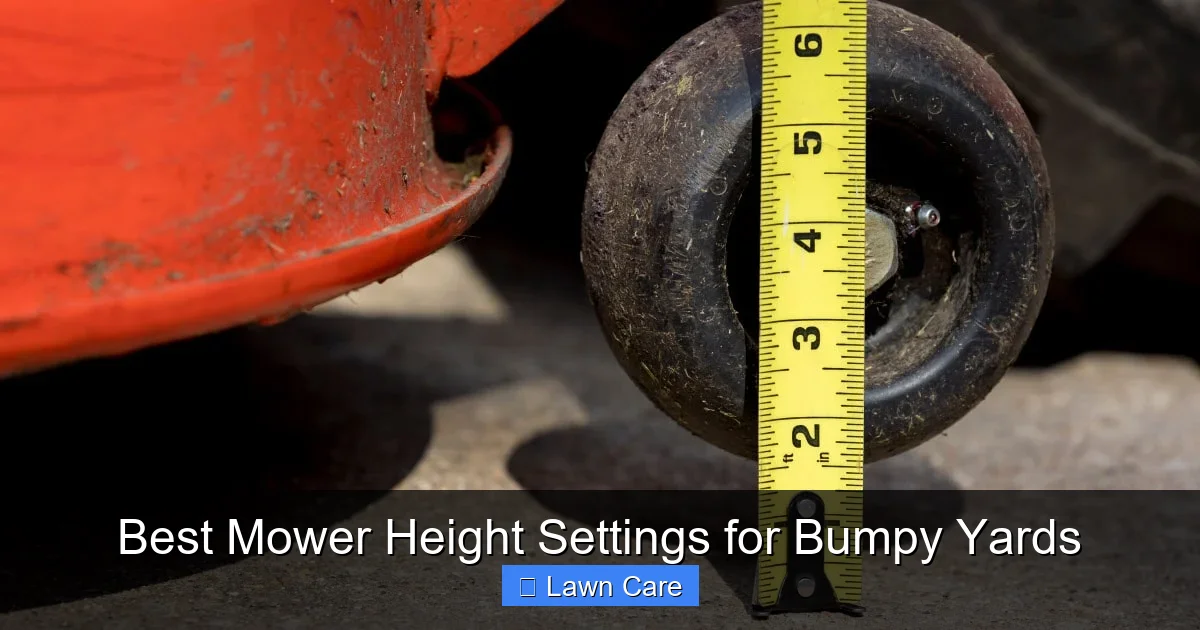
Visual guide about Best Mower Height Settings for Bumpy Yards
Image source: lawnchick.com
Not all grass types respond the same way to mowing height, especially on uneven ground. The ideal cutting height depends on your grass species, climate, and how much foot traffic your yard gets. Here’s a breakdown of recommended mower height settings for common lawn grasses:
Bermuda Grass
Bermuda grass is drought-tolerant and thrives in warm climates. On bumpy yards, it does best when mowed between 1 to 2 inches. This height gives it enough leaf surface to photosynthesize while allowing the mower to glide over bumps without dragging the deck. If you set it lower than 1 inch, you risk scalping on the low spots, which can lead to bare patches.
St. Augustine Grass
St. Augustine prefers a slightly taller cut—between 2.5 to 4 inches. This shade-loving grass benefits from the extra height, especially on bumpy terrain where sunlight hits unevenly. A higher setting also helps it recover from foot traffic and resist disease. Use a mower with a wide cutting swath to cover more ground efficiently.
Zoysia Grass
Zoysia is dense and drought-resistant, ideal for bumpy yards. Mow it between 1 to 2 inches. Its thick turf naturally fills in small depressions, so a slightly higher cut helps maintain uniformity. Avoid mowing too low, or you’ll stress the grass and create thin spots.
Kentucky Bluegrass
Cool-season grasses like Kentucky bluegrass prefer a lower height—around 2 to 3 inches. On bumpy ground, set your mower to the higher end of that range to prevent scalping. Mow more frequently during spring and fall when it’s actively growing.
Fescue Grass
Fescue tolerates a wide range but does best at 2 to 3 inches. On uneven terrain, lean toward 2.5 inches to balance cut quality and grass health. Its deep roots help it bounce back from minor scalping, but consistent height is still key.
Choosing the Right Mower for Bumpy Yards
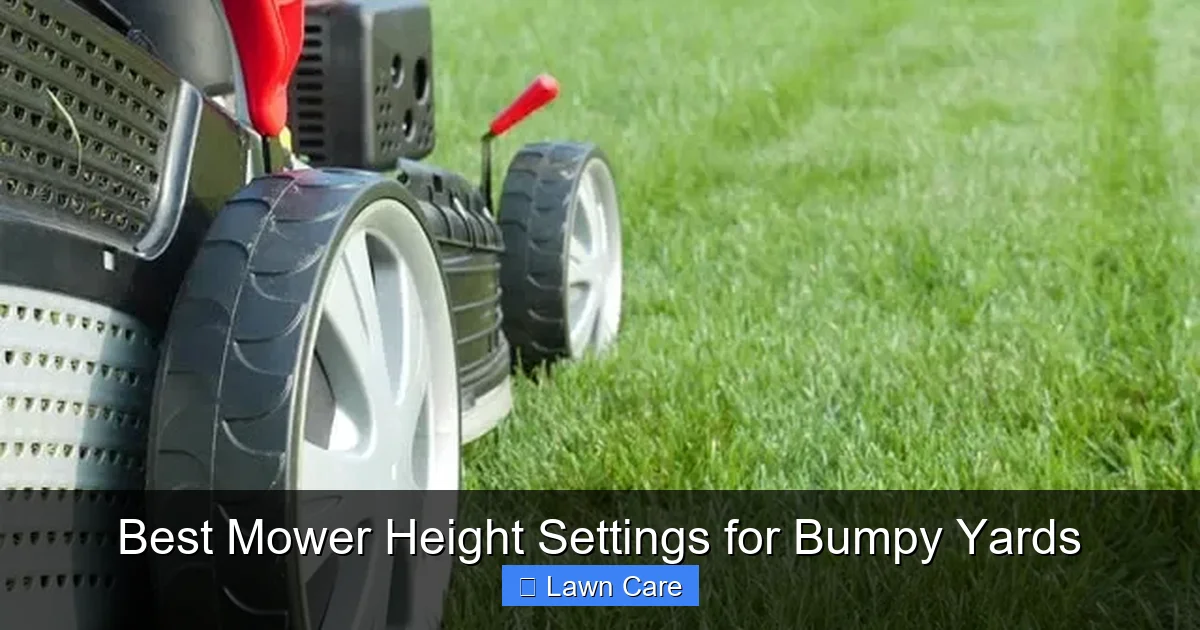
Visual guide about Best Mower Height Settings for Bumpy Yards
Image source: i0.wp.com
Not every mower handles bumps well. The type of mower you use directly affects how evenly it cuts and how much maintenance it needs. Here’s what to look for:
Riding Mowers with Floatation Decks
These are the gold standard for bumpy yards. Floatation decks use air-filled tires or suspension systems that adjust to uneven ground, keeping the cutting height consistent. Models like the John Deere ZTrak or Toro Super Recycler are built for this. They’re heavier, so they stay low, but the deck floats over bumps instead of digging in.
Push Mowers with Adjustable Handles
For smaller bumpy yards, a self-propelled push mower with an adjustable handle can help. While they won’t float like riding mowers, they give you more control over how low the deck goes. Look for models with spring-loaded wheels that absorb shocks.
Robot Mowers for Gentle Cuts
Robot mowers like the Husqvarna Automower or Worx Landroid are great for bumpy, multi-level yards. They use sensors to detect slopes and adjust their path accordingly. They cut more frequently but lower, which can be ideal if you prefer a manicured look without manual effort.
Reel Mowers for Delicate Lawns
Reel mowers are best for very small, gently sloped yards. They don’t have engines or wheels that sink into soft ground, so they glide over bumps. However, they require flat ground to cut properly. For bumpy yards, they’re limited but can be used on level sections.
How to Adjust Your Mower Height for Bumpy Yards
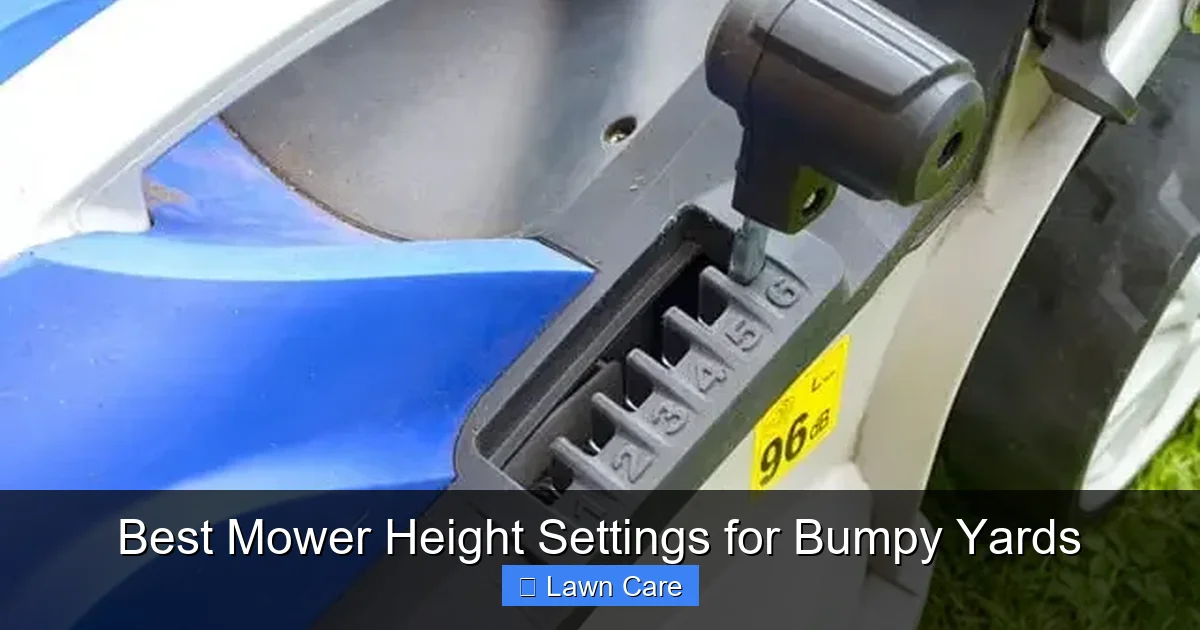
Visual guide about Best Mower Height Settings for Bumpy Yards
Image source: i0.wp.com
Adjusting your mower height isn’t just about turning a dial—it’s about understanding your lawn’s needs and how the terrain affects cutting. Here’s a step-by-step guide:
Step 1: Assess Your Yard
Walk your lawn after a light rain to see how water pools. Note the high and low points. This helps you decide how much to raise the mower. If you have deep dips, you’ll need a higher setting to avoid scalping.
Step 2: Set the Base Height
Start by setting your mower to the recommended height for your grass type. For example, if you have Bermuda grass, begin at 1.5 inches. Use the height adjustment lever or knob—most mowers have a numbered scale from 1 (lowest) to 7 (highest).
Step 3: Test on a Flat Area
Before mowing the whole yard, test the cut on a flat section. Check for scalping or uneven cuts. If the grass looks too short in spots, raise the deck by one notch.
Step 4: Mow Across the Slope
Always mow across the slope, not up and down. This prevents the mower from tipping and ensures a cleaner cut. It also reduces strain on the mower’s engine.
Step 5: Adjust Seasonally
Raise the height in summer to help grass survive heat and drought. Lower it in spring and fall for faster growth. On bumpy yards, this seasonal adjustment is even more critical to maintain balance.
Common Mistakes to Avoid
Even experienced gardeners make errors when mowing bumpy yards. Here are the most common pitfalls and how to fix them:
Mowing When the Ground Is Too Wet
Soft ground from rain or dew causes tires to sink and the deck to dip. This leads to scalping and uneven cuts. Wait until the grass dries completely before mowing.
Using a Mower That’s Too Light
Lightweight mowers with hard tires don’t handle bumps well. They bounce and skip, leaving patchy areas. Upgrade to a heavier model with soft, wide tires.
Ignoring Blade Sharpness
Dull blades tear grass instead of cutting it cleanly. On bumpy terrain, torn blades increase stress on the lawn and promote disease. Sharpen or replace blades every 20–30 hours of use.
Not Cleaning the Deck
Grass clippings and debris clog the deck, causing uneven cuts. Clean under the deck after every mowing session, especially on bumpy yards where clippings collect in low spots.
Overlooking Safety
Uneven ground increases the risk of tipping. Always mow across slopes, keep hands away from moving parts, and wear sturdy shoes. If your mower has a parking brake, use it on inclines.
Maintaining a Healthy Lawn on Bumpy Terrain
Mowing is just one part of lawn care. To keep your bumpy yard lush and green, follow these maintenance tips:
Aerate Annually
Compacted soil in low spots prevents water and nutrients from reaching grass roots. Aerate once a year to improve drainage and root growth. For bumpy yards, use a core aerator that removes small plugs of soil.
Fertilize Based on Season
Use a slow-release fertilizer in spring and fall. Avoid over-fertilizing low areas, where nutrients can build up and burn grass. A soil test helps determine the right balance.
Water Deeply but Infrequently
Deep watering encourages strong roots. Water 1–1.5 inches per week, preferably in the early morning. On bumpy yards, direct sprinklers to high areas and use soaker hoses in low spots to prevent runoff.
Overseed Thin Patches
After mowing, inspect for thin or bare areas. Overseed with a grass seed mix that matches your lawn type. Rake the soil lightly, water daily, and keep the area shaded until germination.
Control Weeds Early
Weeds thrive in uneven, stressed lawns. Spot-treat with a selective herbicide before they spread. Avoid weed killers that contain 2,4-D, which can harm warm-season grasses like Bermuda.
Consider Leveling if Necessary
If your yard has large dips or rises, consider hiring a professional to level it. While it’s a big project, it can save time and money in the long run by improving mower performance and drainage.
Seasonal Mowing Tips for Bumpy Yards
Your mower height should change with the seasons. Here’s how to adjust for each:
Spring
As grass wakes up, lower the mower slightly to encourage new growth. But on bumpy yards, stay at the higher end of the range to prevent scalping. Mow every 5–7 days during peak growth.
Summer
Raise the height to 1.5–2.5 inches depending on grass type. Taller grass shades the soil, reducing heat stress and water loss. Mow every 7–10 days, and avoid mowing during the hottest part of the day.
Fall
Gradually lower the height as grass slows growth. Aim for 2–3 inches for cool-season grasses. This prepares the lawn for winter and encourages root development.
Winter
Stop mowing when grass growth stops. If you must mow, raise the deck to the highest setting to avoid damaging dormant grass. Never cut below 2 inches in winter.
Transition Months (Early Spring & Late Fall)
These are critical times. Adjust your mower height gradually and monitor how the grass responds. Use a measuring tape to ensure consistency.
Conclusion
Mowing a bumpy yard doesn’t have to be a headache. With the right mower height settings and a few smart adjustments, you can maintain a healthy, even lawn all season. The key is raising your cutting height, choosing the right mower, and mowing across slopes. Whether you have Bermuda grass, St. Augustine, or fescue, matching the height to your grass type and terrain makes a big difference.
Remember to inspect your yard before mowing, keep blades sharp, and adjust seasonally. And if you’re unsure which mower to buy, check out our guide on Best Lawn Mower for Uneven Ground for expert recommendations. With patience and the right tools, your bumpy yard can be the envy of the neighborhood.
Frequently Asked Questions
What is the best mower height for Bermuda grass on bumpy yards?
Set your mower between 1 and 2 inches. This height prevents scalping on low spots while allowing the mower to glide over bumps without dragging the deck.
How do I prevent scalping on uneven lawns?
Raise your mower height, avoid mowing wet grass, and use a mower with an adjustable deck or floatation system to maintain consistent cutting height.
Should I mow up and down or across slopes?
Always mow across the slope, not up and down. This prevents tipping, ensures a cleaner cut, and reduces strain on the mower.
Can robot mowers handle bumpy yards?
Yes, many robot mowers like the Husqvarna Automower are designed for uneven terrain. They use sensors to adjust their path and avoid obstacles safely.
How often should I sharpen mower blades?
Sharpen or replace blades every 20–30 hours of use. Dull blades tear grass, which stresses the lawn and promotes disease, especially on bumpy ground.
What’s the best time of day to mow bumpy yards?
Mow in the early morning or late afternoon when the grass is dry and cool. Avoid midday mowing, which can stress grass and increase evaporation.